
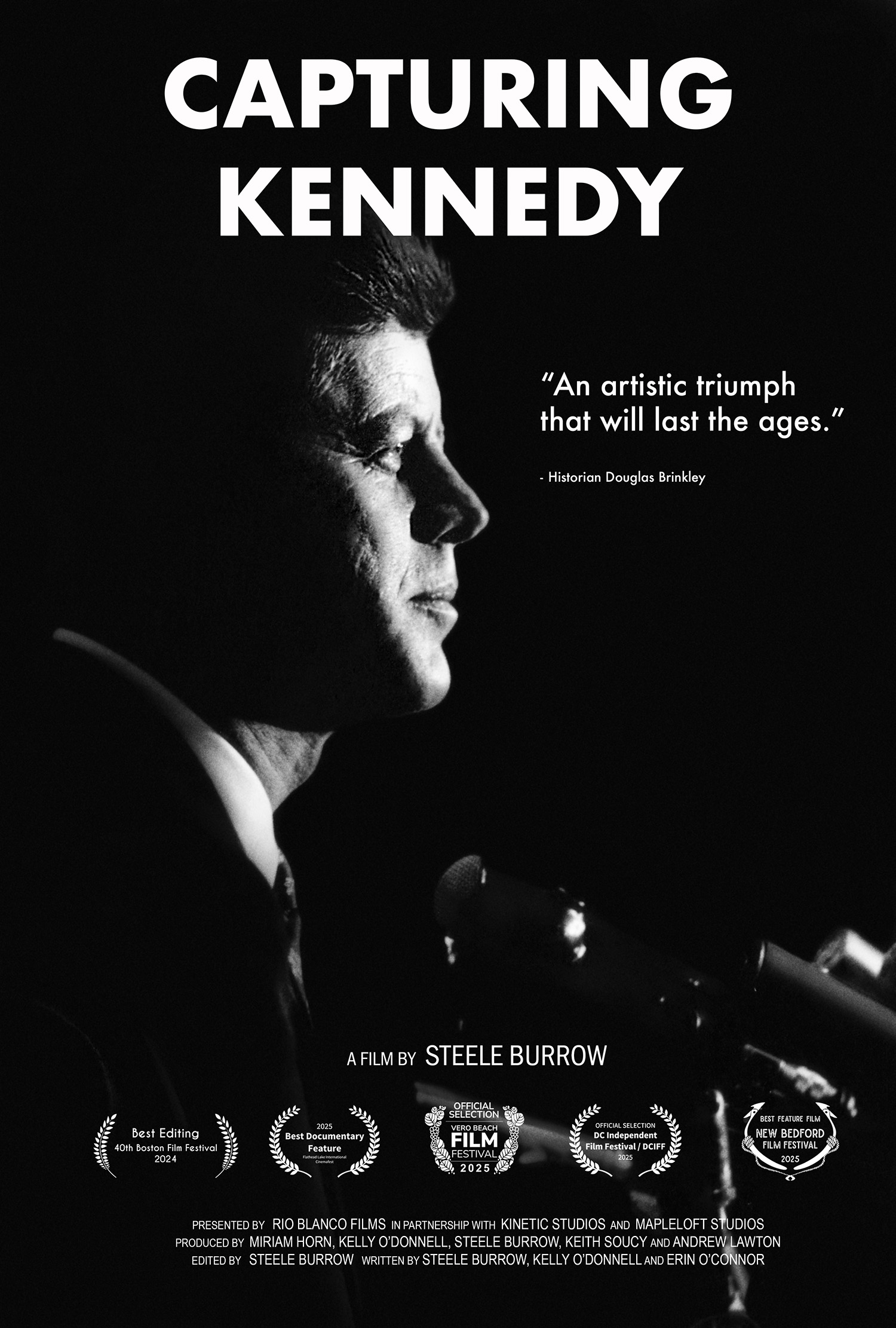
Capturing Kennedy, a documentary film mostly about the relationship between German-born photographer Jacques Lowe and American politician John F. Kennedy, begins with a gut-punch memory, American television broadcaster Tom Brokaw reporting on the six-month anniversary of the 9/11 attacks on the World Trade Center in New York City. Rubble is still everywhere. Bodies have yet to be found. However, amidst the recovery efforts, safe deposit boxes have begun to appear.
“Capturing Kennedy”
Rio Blanco Films, directed by Steele Burrow, 2025
WEBSITE
Review by W. Scott Olsen
Some have survived. There are memories here. Artifacts of lives that were lost. But most have been pulverized. And among those believed to be gone are the boxes with 40,000 negatives from the camera of Jacques Lowe, personal photographer to John F. Kennedy.
Capturing Kennedy is not a biography of Kennedy, nor is it really a biography of Lowe, although we learn a great deal about both men. It is, instead, a film that unpacks a relationship between a photographer and a subject, a long-term relationship, where history and insight and talent merge to create a body of work far deeper than daily reportage.
The movie begins with still images, black and white, grainy, and the voice-over narration of actor Lou Lambert. We learn that Lowe, a German-born jew, survived the holocaust by spending two years hiding in a basement. And when the war ended, when he and his mother boarded a ship to Boston, his only possession was a camera. “You are going to work in a factory,” he was told. “No,” he said, “I’m going to be a photographer.”
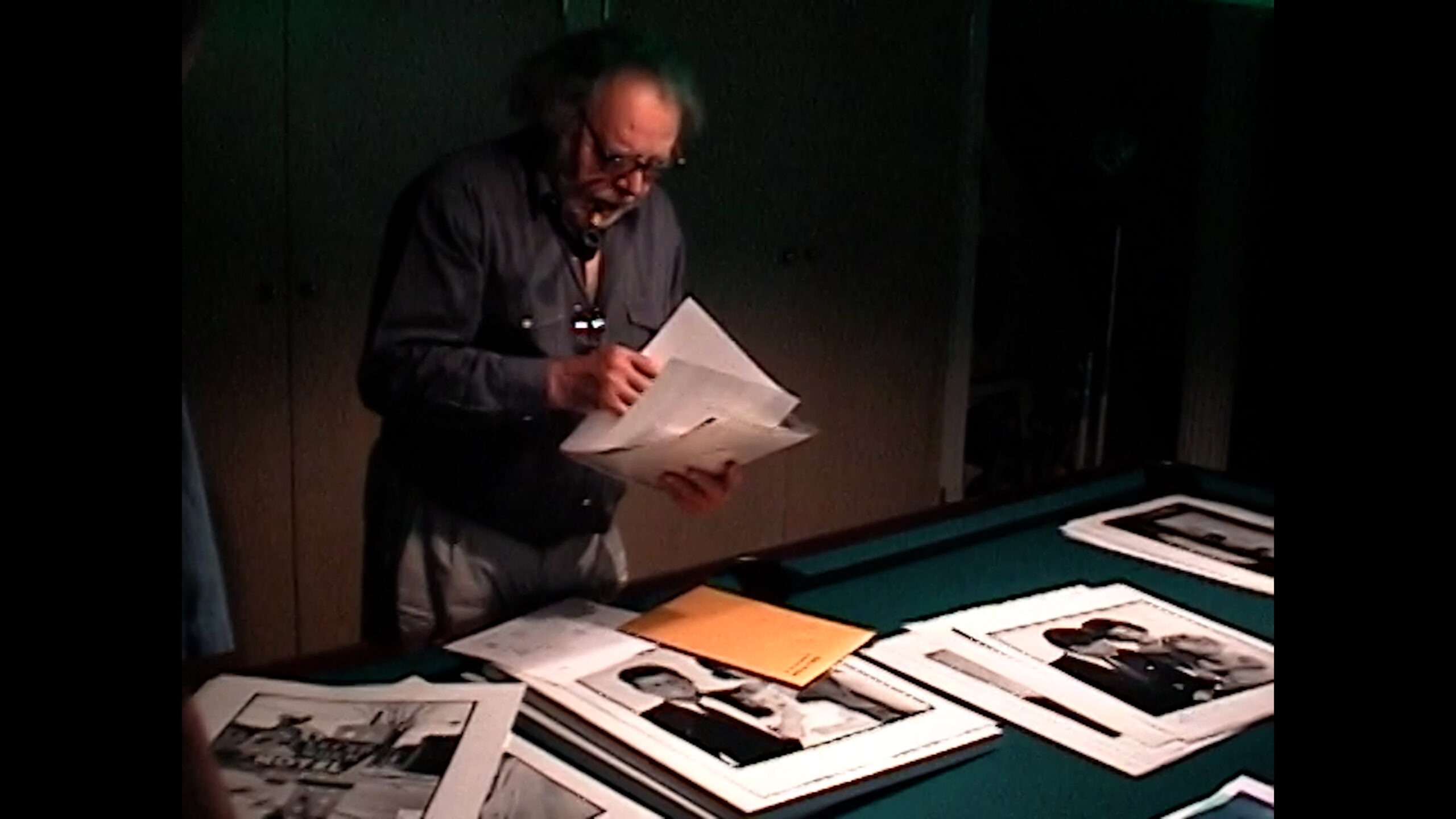
Capturing Kennedy is a personal story of a professional relationship, and the story of how experience can reveal the spirit and soul. There are video interviews, such as one of Lowe’s daughters, Victoria Allen, recounting her memories, and Professor Fredrik Logevall, author of JFK: Coming of Age in the American Century, who provides historical context, as well as Kennedy-collector Frank Harvey’s interviews with Lowe himself, before 9/11, his face and voice telling his own story of coming to know the Kennedys.
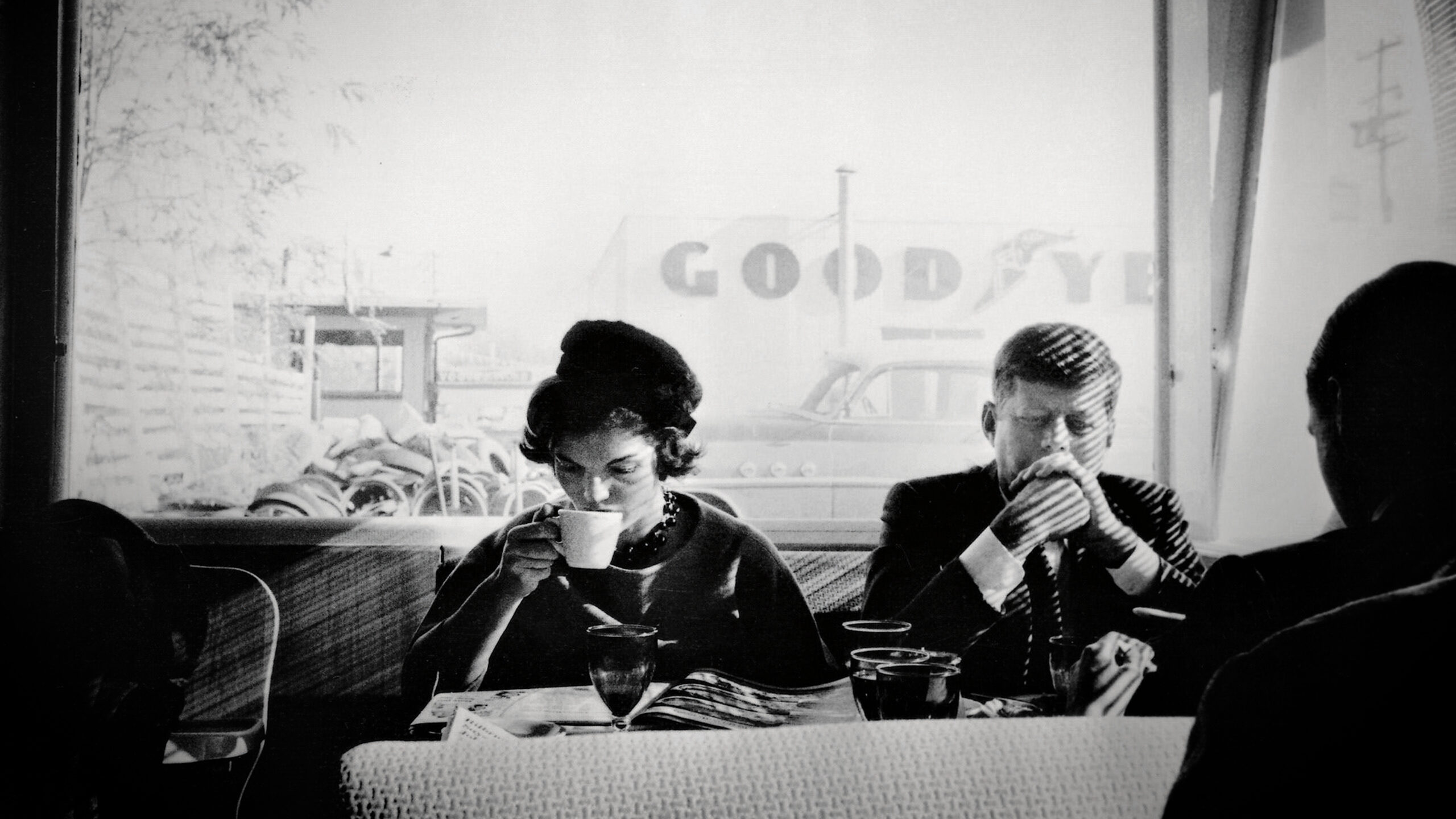
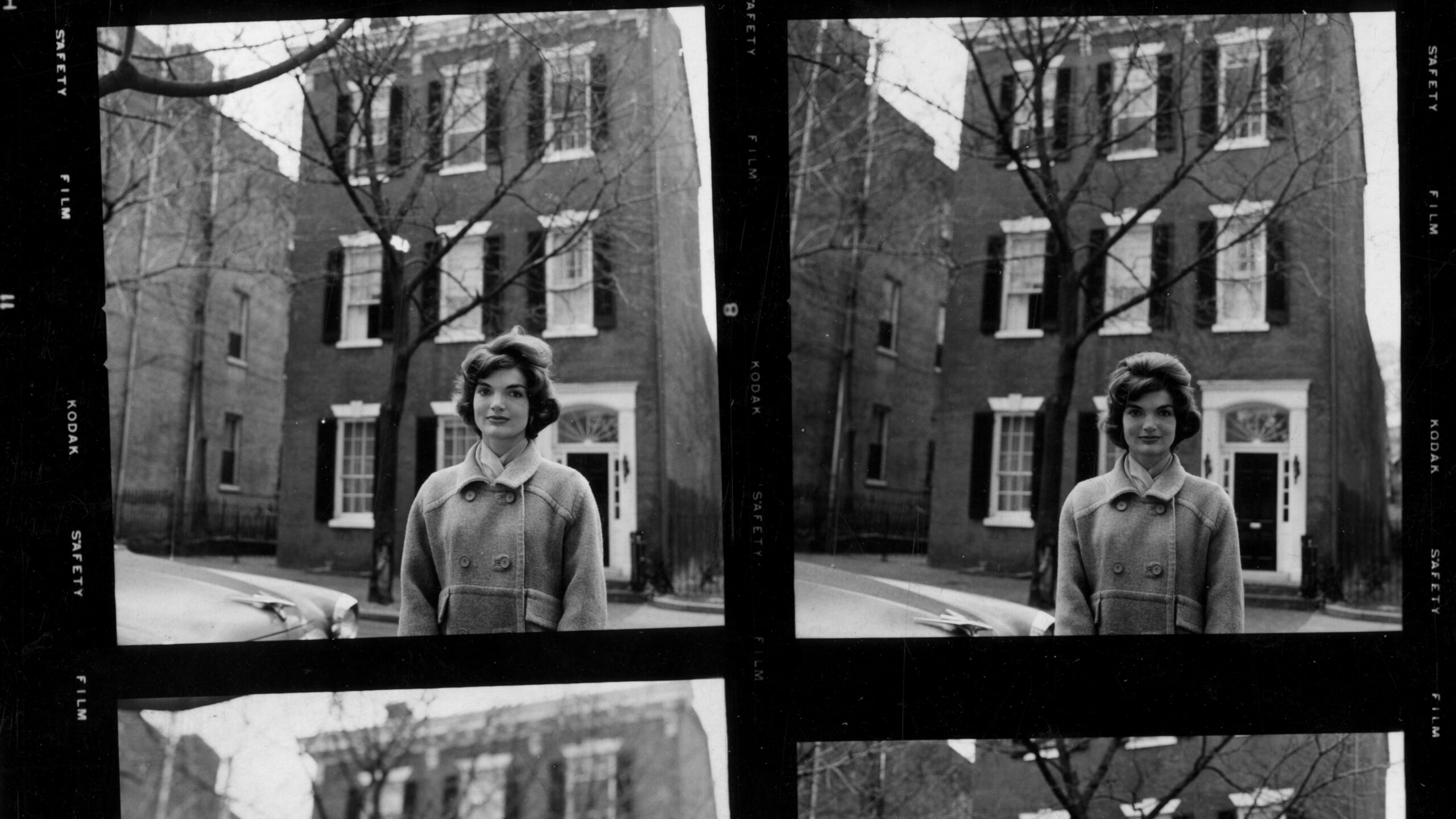
There is serendipity—Bobby Kennedy wanted pictures as a present for his father, Joe Kennedy, who was so impressed he asked Lowe to photograph John. The first session with John was a bit awkward because no one had told him about the shoot in advance. But here was the beginning. Lowe’s eye captured the honest and candid nature of the whole family, including Jacqueline and Caroline, which came to define their relationship.
Lowe became not just another news photographer as Kennedy rose to fame. He was the insider, around when no one else was present.
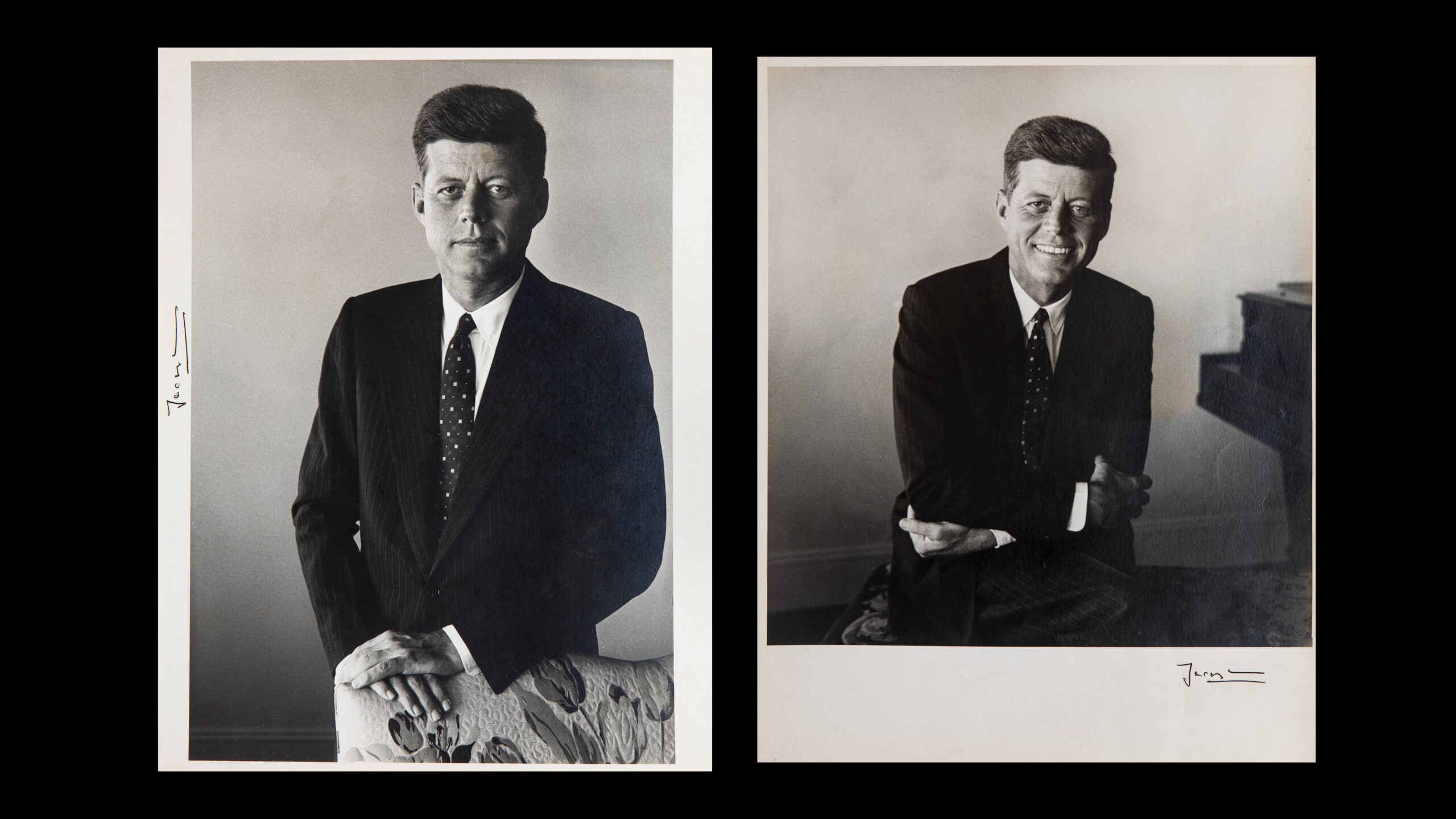
Of course, it’s impossible to look at any image or read any story about the Kennedys without already knowing how that story ends. But knowing that tragedy waits in the very near future gives this movie a gravitas and pathos that make it riveting. This is one of the untold stories, a backstage, behind-the-scenes story made especially poignant because so many of the images we already carry in our memory and heart come from Lowe, whose own story is revealed by this film.
The movie unpacks individual images, such as the profile that became everything from campaign posters to a death card to the basis for the image on the 50-cent coin. Or the Oregon airport image. Or the Coos Bay harbor image. Or JFK standing on a tractor speaking to a hillside of children. In Lowe’s voice, we get setting, backstory, and post-publication impact.
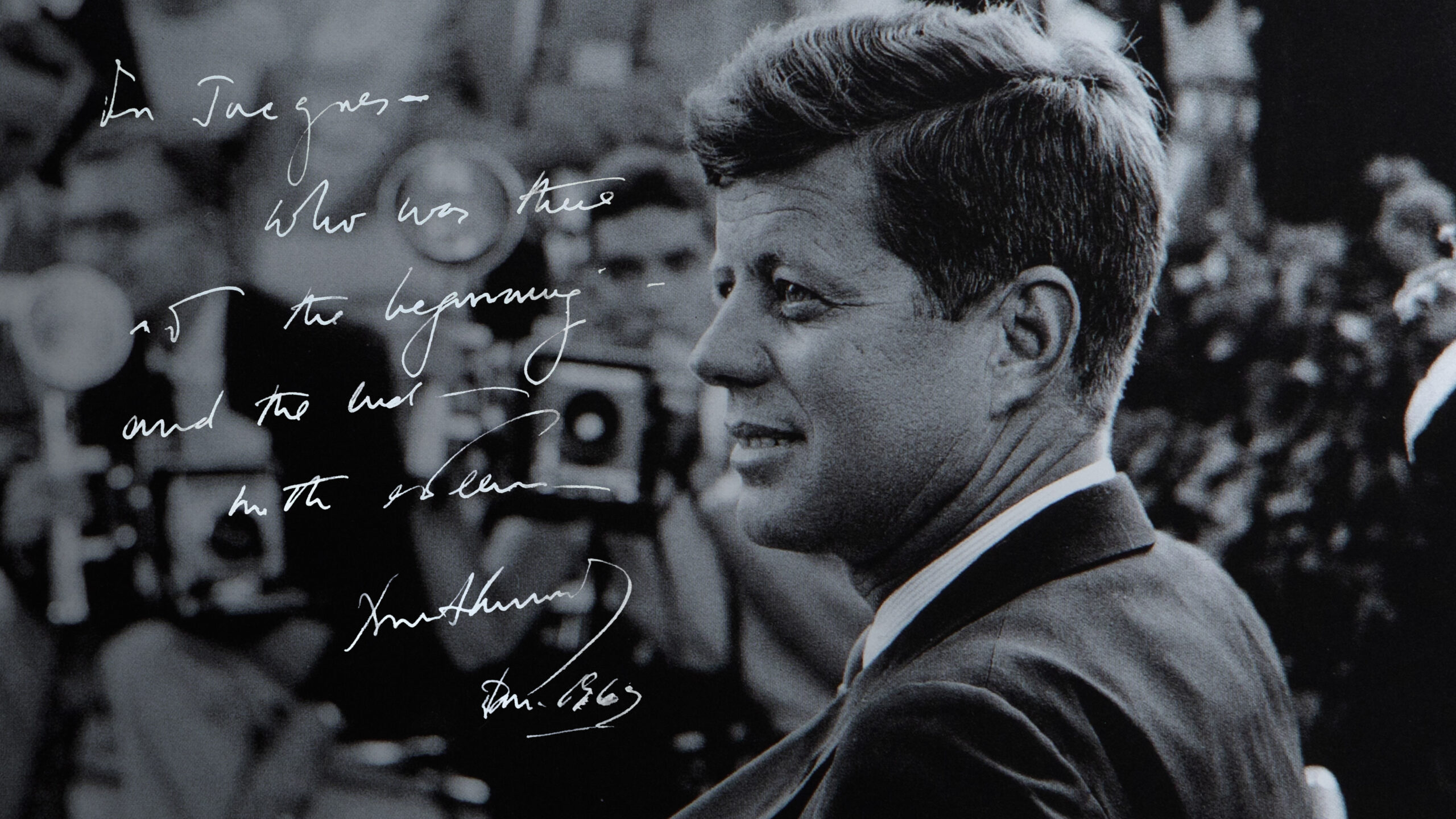
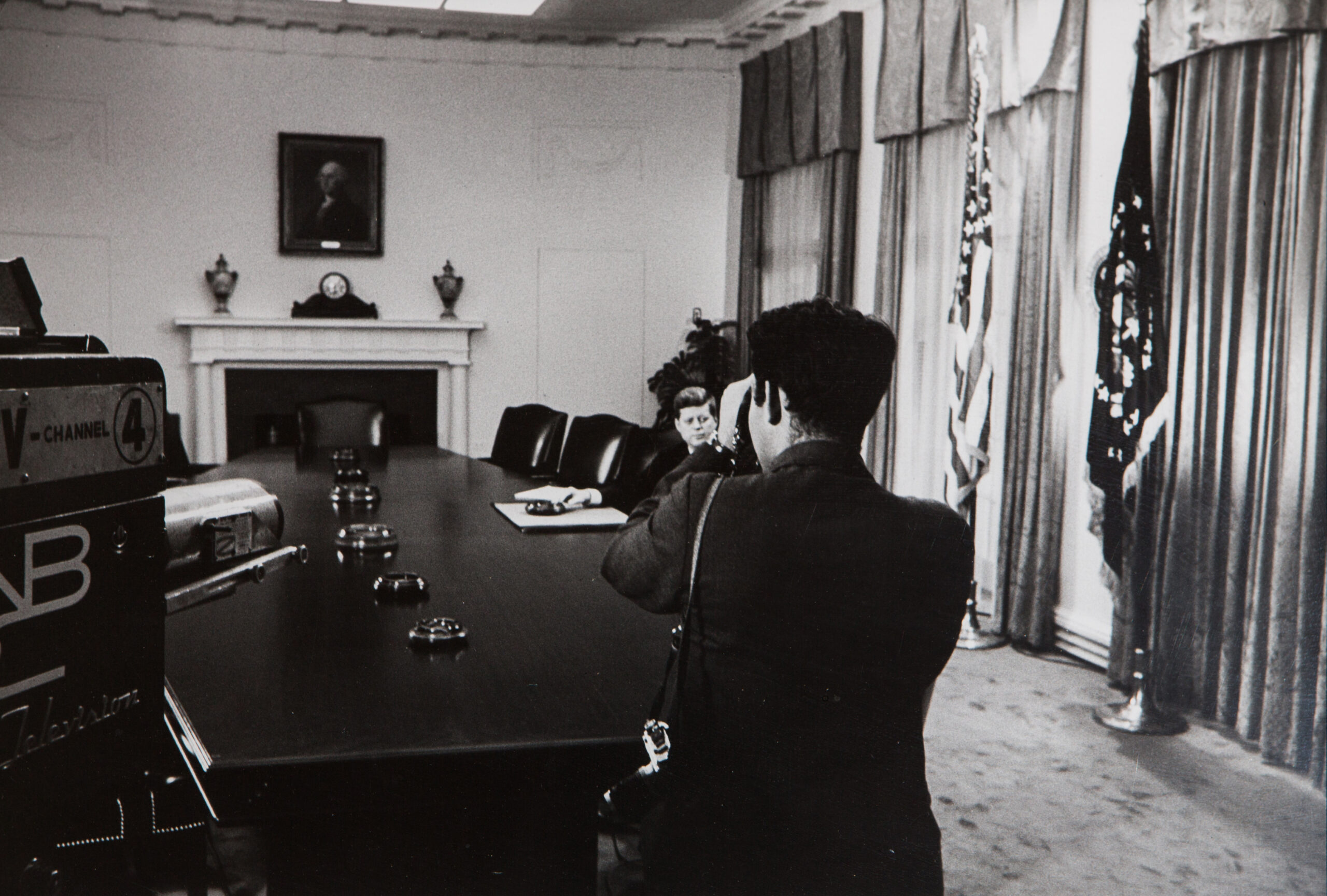
We hear the story of a family portrait, the last time they would all be together, taken in Hyannis Port just after the presidential election. And we hear the story of the famous inauguration image, when Lowe was the only photographer allowed on the presidential podium.
Throughout the documentary, we get JFK’s state of mind and Lowe’s approach. We learn that JFK rarely paid attention to the act of being photographed, while Jacqueline, who was a photographer herself, understood composition, light, and the art of image-making.
The narrative of Kennedy’s rise is braided with the story of Lowe’s documentation, but the story of this film is not the political one. It’s a story of being a photographer, present and aware when the world is making decisions.
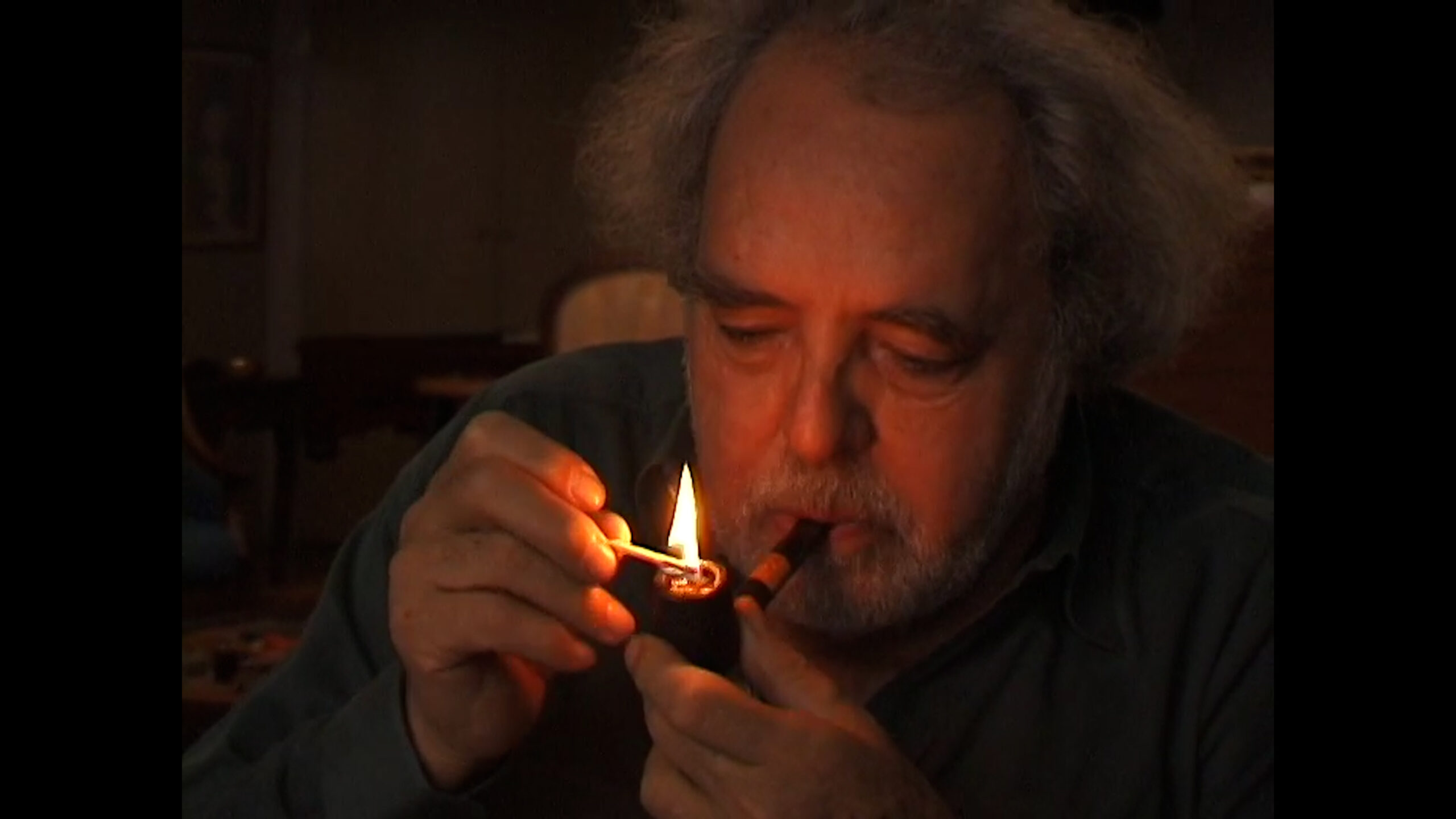
Capturing Kennedy is told in chapters. Chapter One is early life. Chapter Two is Kennedy’s candidacy and presidency. Chapter Three is Dallas. (Lowe was not in Dallas. He was, instead, in New York’s Central Park, photographing a Volkswagen ad, when he noticed all the traffic stopped.) Chapter Four takes place after an 18-year hiatus from photography. Disgusted with American politics, Lowe had gone back to Europe. But now back in the US, and taking pictures again, he gets a call from Frank Harvey (whom he did not yet know). Lowe did not know about Kennedy collectors. They meet, and Harvey is allowed to go through the contact sheets. Harvey discovers “hundreds of amazing shots” no one has ever seen. Lowe trusts Harvey’s artistic eye, and a friendship is born.
The majority of the film is Lowe’s reminiscences, as told to Harvey. The documentary alternates between still images and video interviews and, in the best documentary tradition, is told within a frame. Capturing Kennedy returns at the end to 9/11. Lowe has put his negatives in the Chase Manhattan Bank vault in the World Trade Center. And now those buildings have come down.
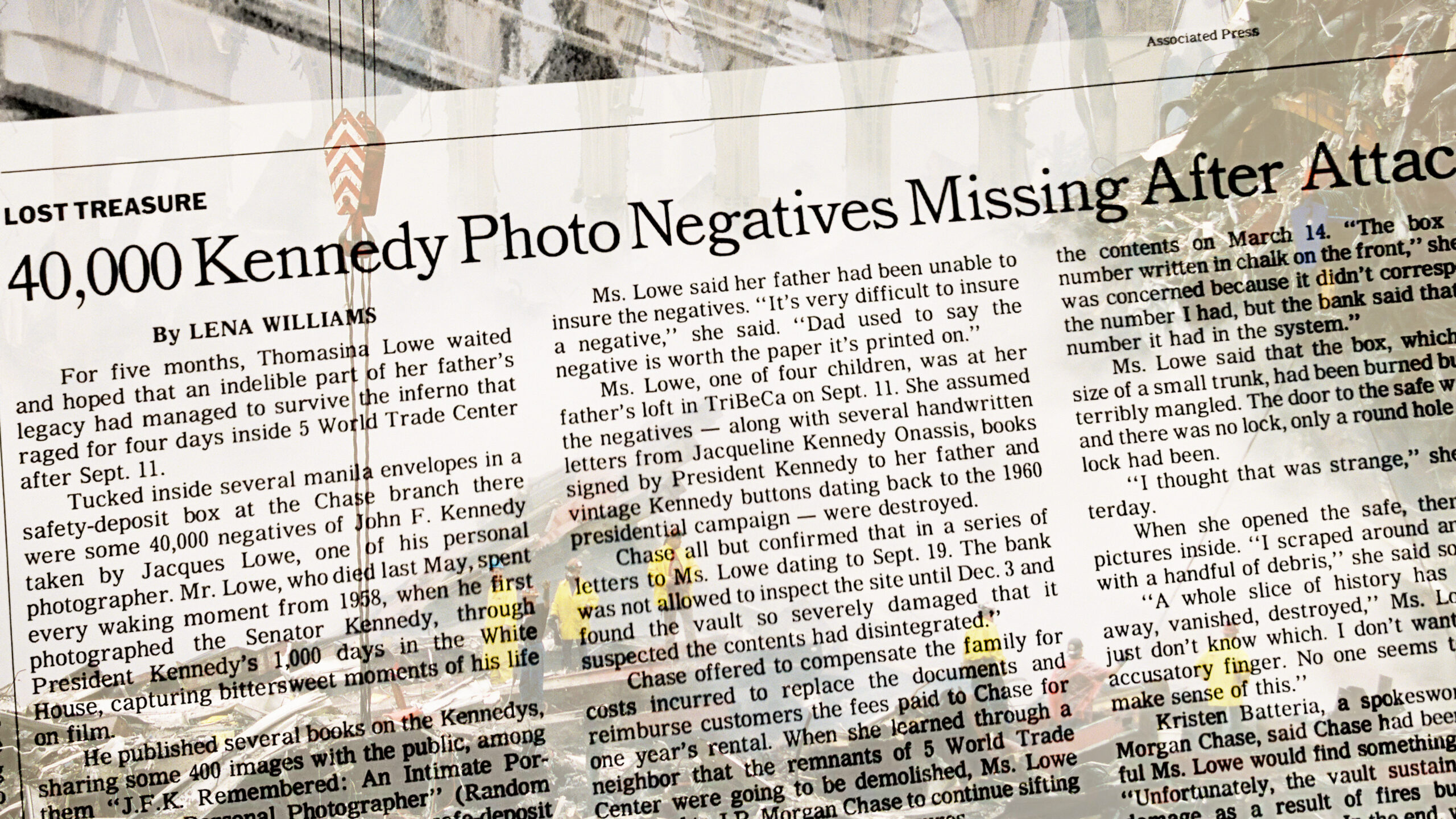
Lowe died before 9/11, so he never knew the loss that was forthcoming. 40,000 negatives were destroyed, as well as letters and keepsakes. A great deal of the Kennedy record was turned to dust. A great deal of photographic art was destroyed at the same time.
However, Harvey had another safe, his own safe, a container for more than a decade of friendship and collecting. Six hundred to 700 images still remain. Not everything was lost.
Capturing Kennedy is the story of how Jacques Lowe showed John F. Kennedy to the world. He was not, of course, the only photographer to do this work. But he had a special entrée. He was Kennedy’s personal photographer. He had access, and he had talent.
The film is profoundly sad and profoundly wonderful. It is filled with life, energy, funny stories, and a dedication to the deep-core potential of photography to illuminate a heart.
A note from FRAMES: Please let us know if you have an upcoming or recently published photography book.

FRAMES is a unique international photography community that combines the best of all worlds, bringing you print and digital publications, a global membership platform, access to live events, and a dedicated mobile application.
EXPAND YOUR PHOTOGRAPHIC VISION
JOIN FRAMES TODAY
Glenn Dickerson
March 15, 2026 at 09:43
Interesting story