I cannot tell you when I first heard of the Serengeti plain or Mount Kilimanjaro. I cannot tell you when I first heard of the Masai, first became fascinated with the hominin fossil known as Lucy, or heard the phrase “Great Rift Valley.” I do know I was very young when Africa and adventure and travel and science were all one thing to me. And I can tell you my imagination has been captivated with stories of this part of the world for a very long time.
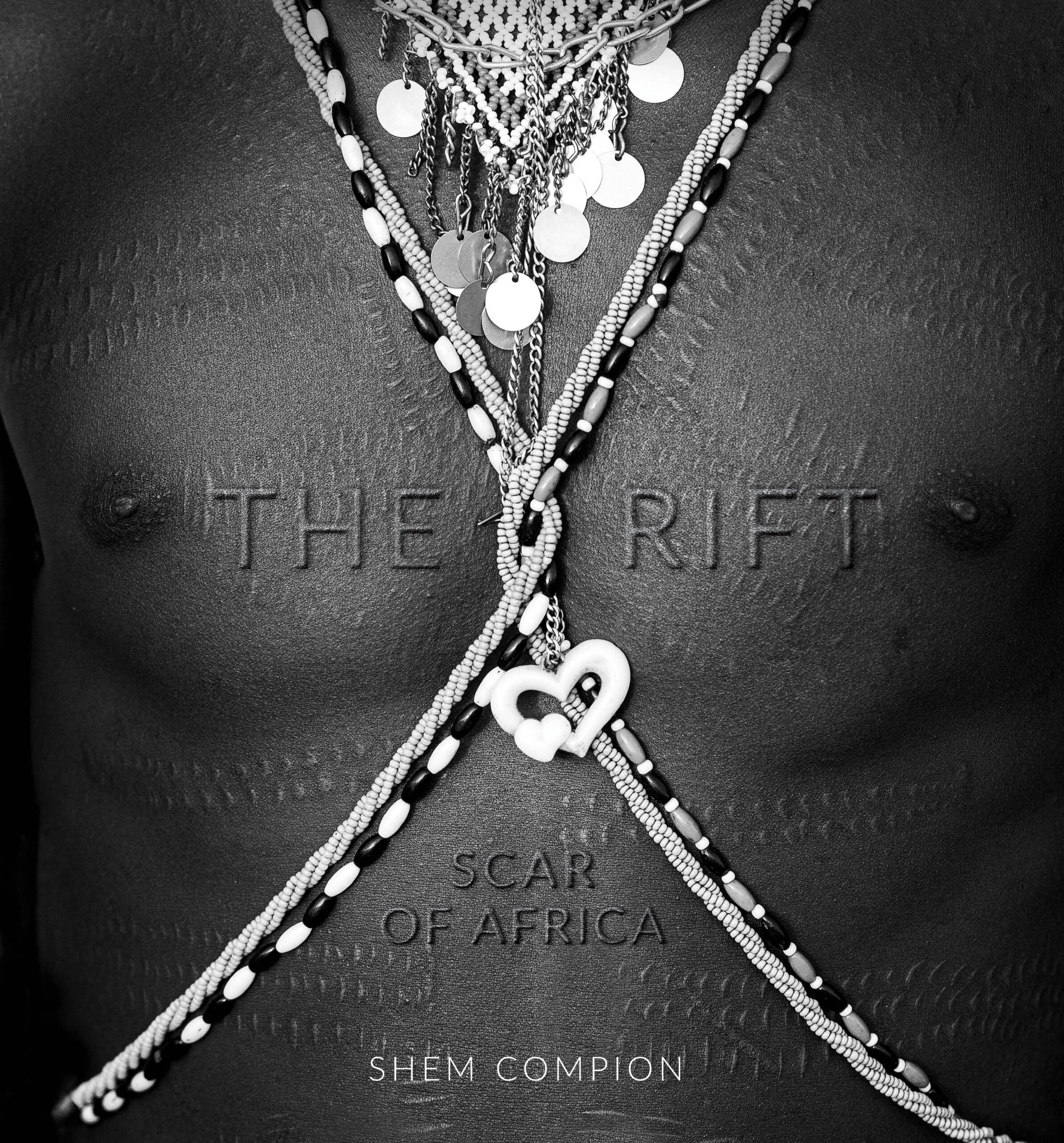
Shem Compion – “The Rift: Scar of Africa”
Published by HPH Publishing, 2025
Review by W. Scott Olsen
I have the kind of information in my head that you get from being intensely curious but not an expert. I have never studied these things, but I will always pause when a story comes along. So imagine my tremendous pleasure when I opened a box and inside was one of the most interesting, fascinating, and comprehensive books about Africa I have seen.
The Rift: Scar of Africa casts a broad net. The photography is uniformly breathtaking—animals and landscapes and people—but what makes the photography and the whole book so deeply compelling is that it attempts to be both clear and complex. I do not mean comprehensive in the way a 600-page ethnography offered as a Ph.D. dissertation would be, but comprehensive in the way it addresses so many of the historical and contemporary currents and elements, and does it in a sophisticated and intelligent way. The book will fascinate people who know very little about the Great Rift Valley, and reward people like me who know a little but not nearly enough.
The Rift: Scar of Africa is divided into several sections: Prologue, Foreword, Introduction, A Geologic Fissure, Origins, People & Cultures, Biodiversity, Anthropocene. Inside each of the main chapters, there are several individual essays, written by different authors, which unpack those ways of looking and understanding.
In the Prologue, written by Sabrina Elba, co-founder of the Elba Hope Foundation and UN Goodwill Ambassador for IFAD, she writes—
The book is not merely a collection of essays or a catalog of scientific discovery. It is an invitation to reawaken our sense of connection…to landscapes, to history, to each other. It travels through the Rift Valley, from Ethiopia to Mozambique, but its relevance stretches far beyond any one region. This is where life began. Where geology, ecology and culture collide. Where the stakes of the Anthropocene are visible in every dry riverbed and migrating bird. And yet this is not a story of despair. It is a story of potential.
The individual essays are not scientific treatises. Instead, they are calls to ways of thinking and ways of imagination. For example, in a piece called “The Rift: A Living Metaphor,” psychiatrist and wilderness guide Ian McCallum writes—
Key to the history of this African phenomenon is the word “rift” and for which there are many synonyms: split, schism, separation, rupture, parting. Every word implies trauma, loss, and change, but, as we have seen, not necessarily death or the end of the world. On the contrary, when viewed through an evolutionary lens, the same words carry within them the seeds of something new, each a challenge to rise up, to adapt to changing conditions and environments.
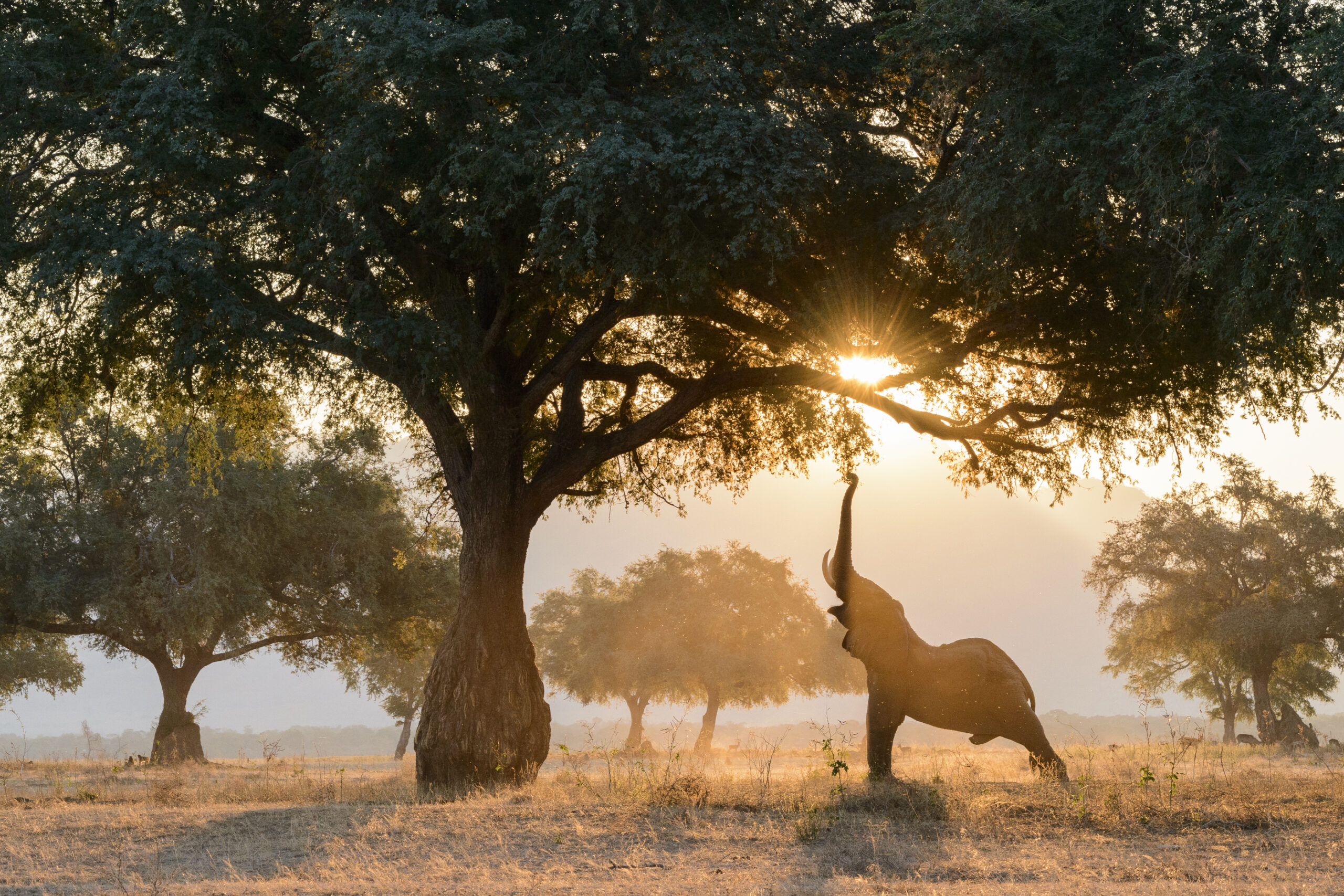
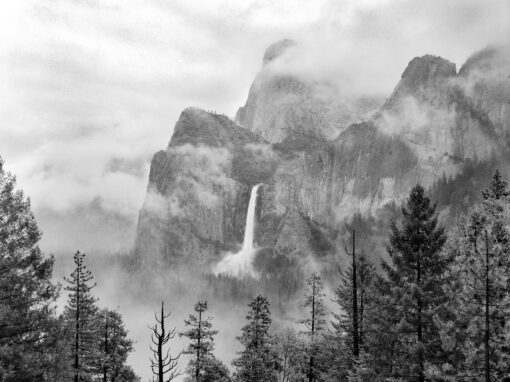
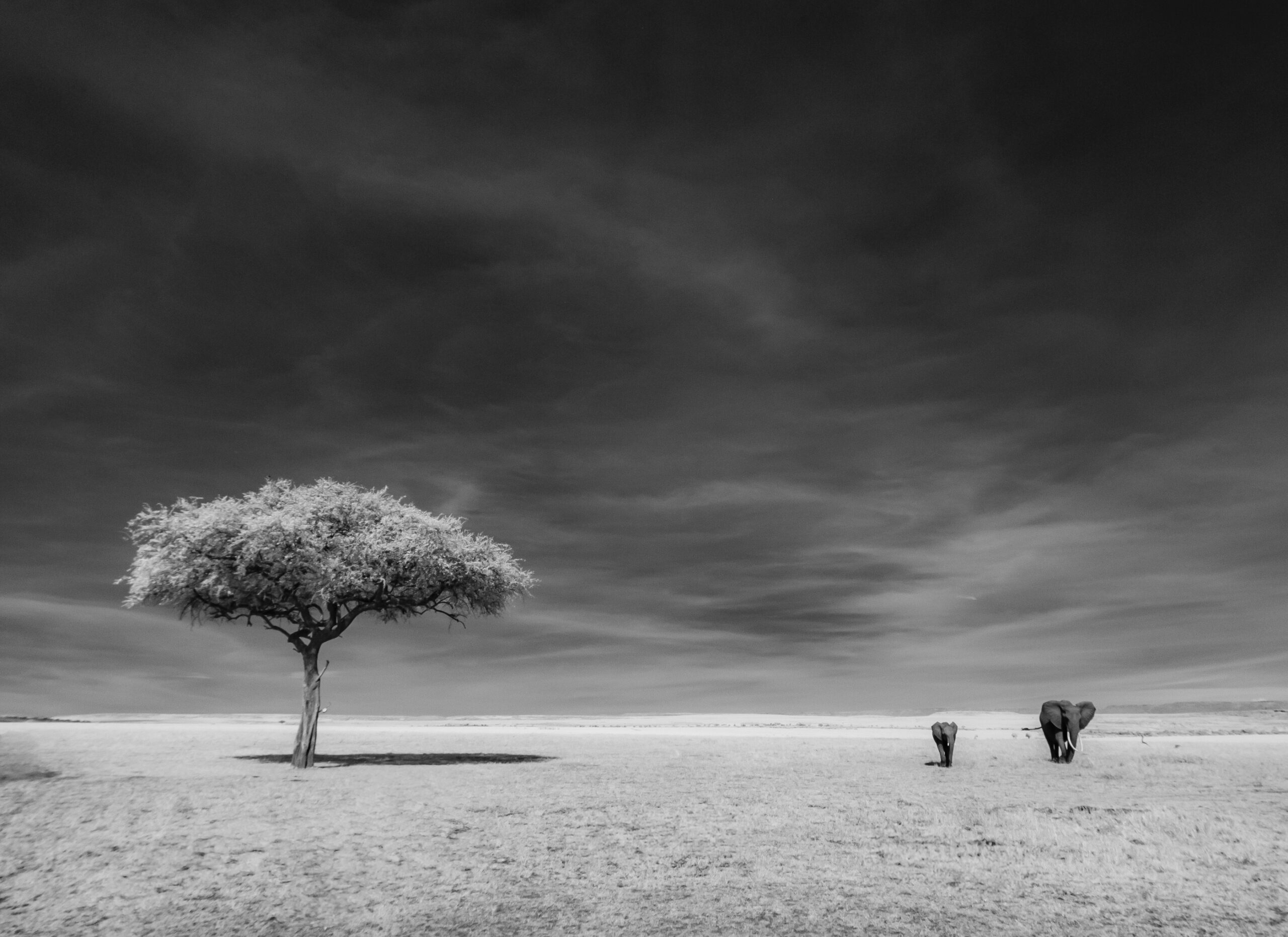
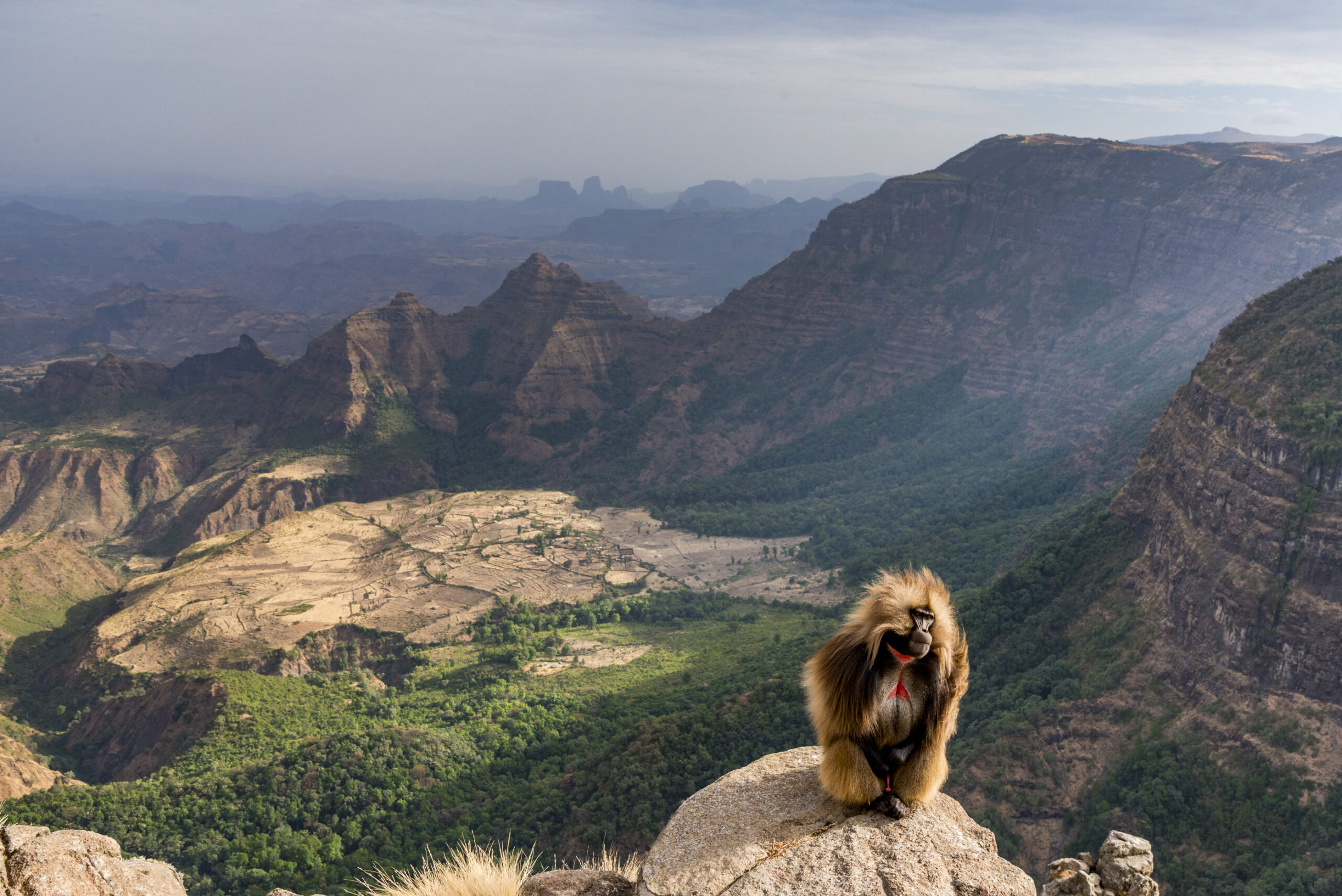
At its core, though, The Rift: Scar of Africa uses photography as its allure and as an invitation to read and dig deeper. Shem Compion, founder of C4 Photo Safaris, uses a wide range of techniques to make every page fresh. The book combines black and white as well as bright color photography. There are overhead shots, intimate portraits, wide landscapes, and other works. (There are maps and diagrams, too.) The majority of the pictures are full page, if not larger spreads, and the physical printing of the images in this book is impressive. Compion has been awarded Wildlife Photographer of the Year and is a Fellow in the Royal Geographic Society.
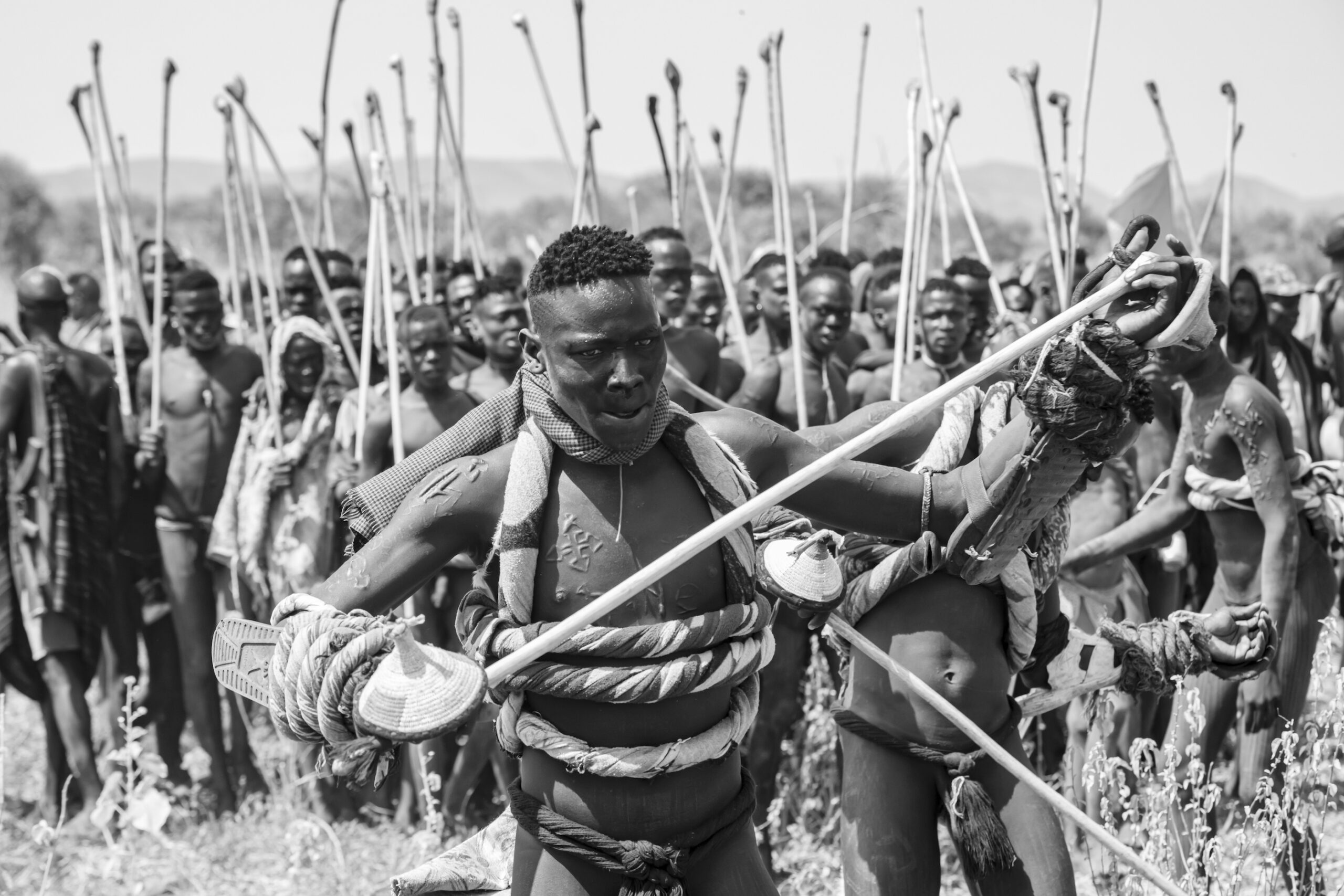
If the book were only photography with not a word of text, it would still be rich and revealing.
One of the wonderful things about this book is how the design allows for the ability to return to it. It’s a large book, and heavy. So it’ll likely sit on a coffee table. You can open it and admire the images—there are black rhinos and elephants, mountain gorillas, hippopotamuses, and zebras—and the images are strikingly beautiful. There are open plains and volcanoes and forests, too. The images are not pointing to despair, death, or drought. These are images that emphasize richness and vibrancy. And having admired the images, you can read a chapter, study a diagram, close the book, and then come back to it sometime later, open to a completely different spot, see images, and read again. While every image is an invitation to linger, every bit of writing is short enough to read in one sitting while also offering enough detail to be real.
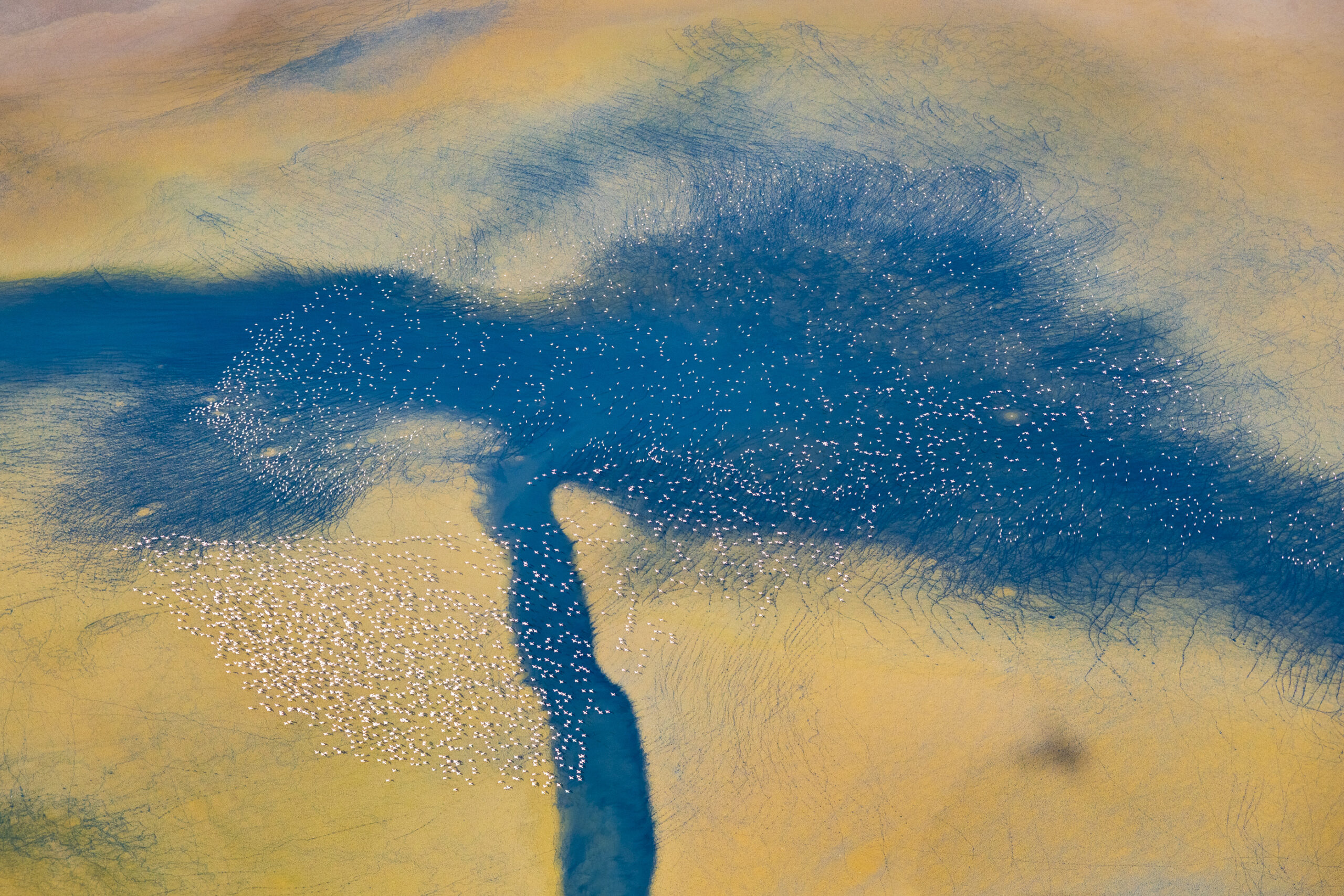
This book assumes an intelligent, curious, and generally informed readership, and a viewership that has already seen the usual fare. Nothing about this book is dumbed down, nor is it presented with jargon. On the back cover, a blurb by Dr. Jane Goodall reads—
With stunning photos and compelling text, this important book not only captures the complexities of this fight vital ecosystem, but emphasizes the urgent need for conservation efforts that combine science and compassion.
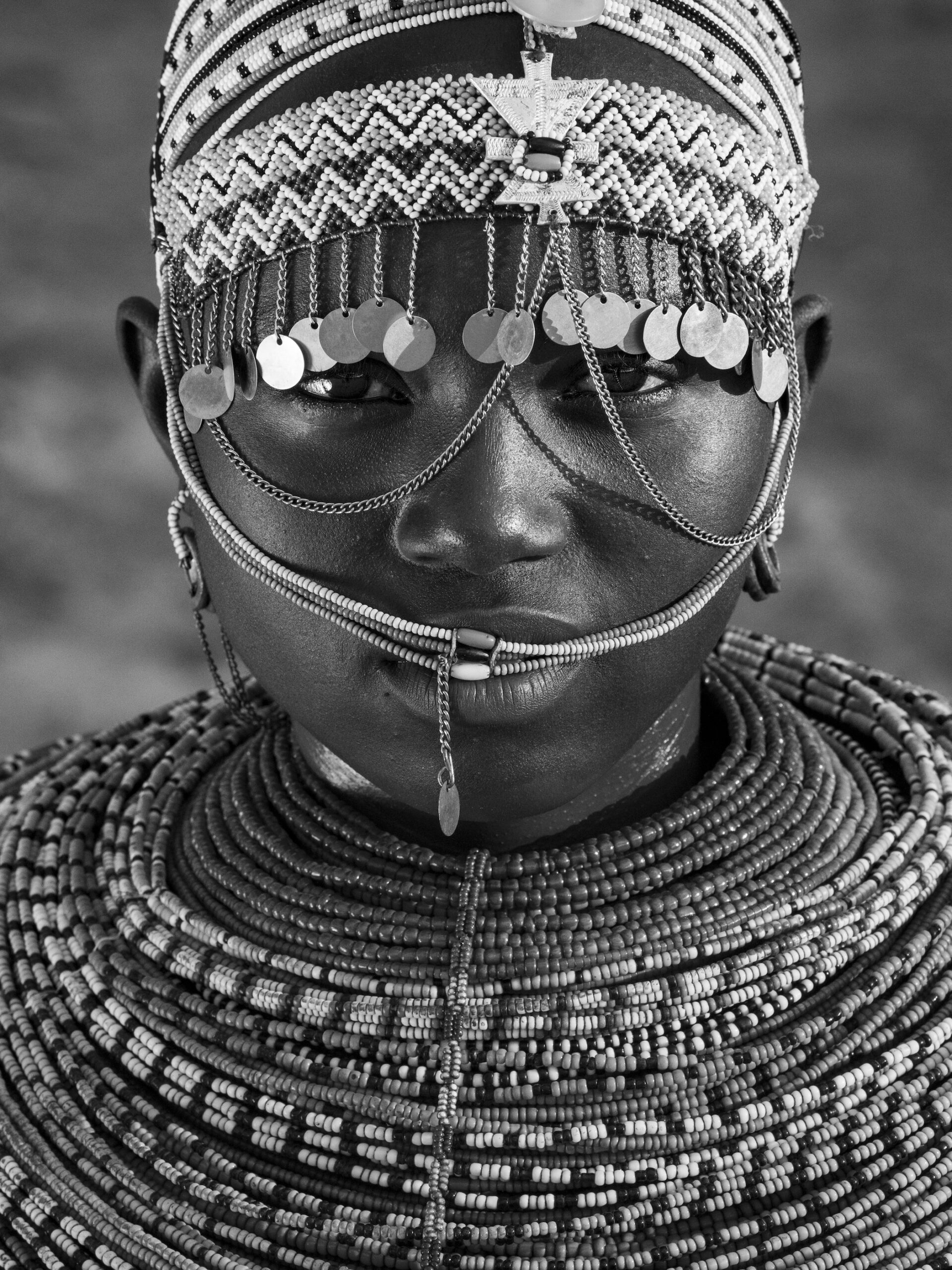
At the end of the book, there are biographies of the chapter authors as well as references to the research.
The Rift: Scar of Africa takes complication not as a problem but as a potential. The book will offer something new every time it’s opened.
A note from FRAMES: Please let us know if you have an upcoming or recently published photography book.

FRAMES is a unique international photography community that combines the best of all worlds, bringing you print and digital publications, a global membership platform, access to live events, and a dedicated mobile application.
EXPAND YOUR PHOTOGRAPHIC VISION
JOIN FRAMES TODAY