Some photo books not only exceed expectations, they transcend them.
Some photo books are not only beautiful or poignant or troubling, not only profound indictments or celebrations; they are, instead, something much larger and deeper.
If I say these books are more universal, I don’t mean vague or generalized. I mean more universal in the way that a particular detail can vibrate, can resonate with creation. Yes, that may seem like a bit of hyperbole, but trust me, it’s not.
“Patterns” by Jon McCormack
Published by Damiani, 2025
Review by W. Scott Olsen
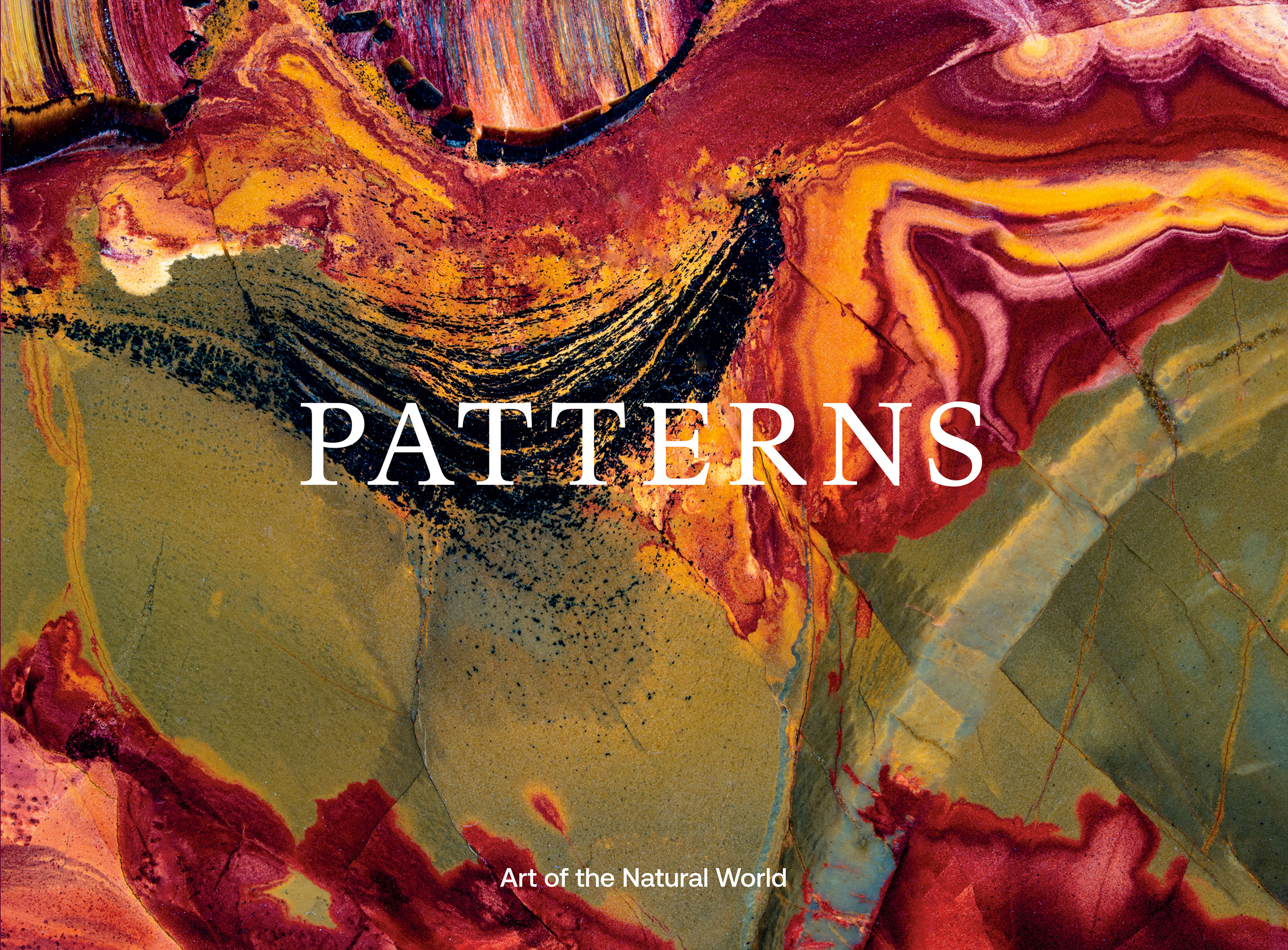
Patterns: Art of the Natural World, by Jon McCormack, is a transformative book for a number of reasons.
I am going to quote at length because McCormack describes it beautifully. In his Introduction, he writes—
This book began in the spring of 2020—the quietest of times. Each evening, to punctuate the long, shapeless days, I walked to a nearby stretch of beach a few minutes from my home on the Northern California coast. The walk became a ritual, a form of meditation, a way to ground myself in something ancient and reliable at a time when the boundaries of life grew narrow. The world was full of uncertainty, but the tides kept coming…
I brought my camera because it had always been my way of paying closer attention. I had no particular theme or concept in mind. Instead, I gave myself a simple constraint: I would focus only on this small, rocky section of shoreline. I would return to the same place night after night, regardless of the weather, regardless of the light. No chasing golden hours or distant vista—just this one quiet place, the slim patch of coast and whatever it chose to offer.
Over time, the familiar began to shift. The interplay of tide and wave, wind and rock, light and shadow created infinite variation. What had once seemed unremarkable became a source of endless fascination. Each evening offered new compositions—subtle shifts in color and texture, new reflections in the shallow tide pools, new debris swept in from the sea…
These repetitions were everywhere, like the Earth, retelling its stories in countless dialects. The more I noticed them, the more I understood how little I had truly seen before…
In time, I came to believe that these patterns are not incidental. They are not just beautiful accidents or aesthetic coincidences, they are the language of the Earth—clues to the invisible systems and forces that shape everything from a snail shell to a supernova. Nature, I realized, is not random, but rigorous. Beneath the surface of what we see lies structure, repetition, and intelligence—proof that the world is not just alive, but speaking.
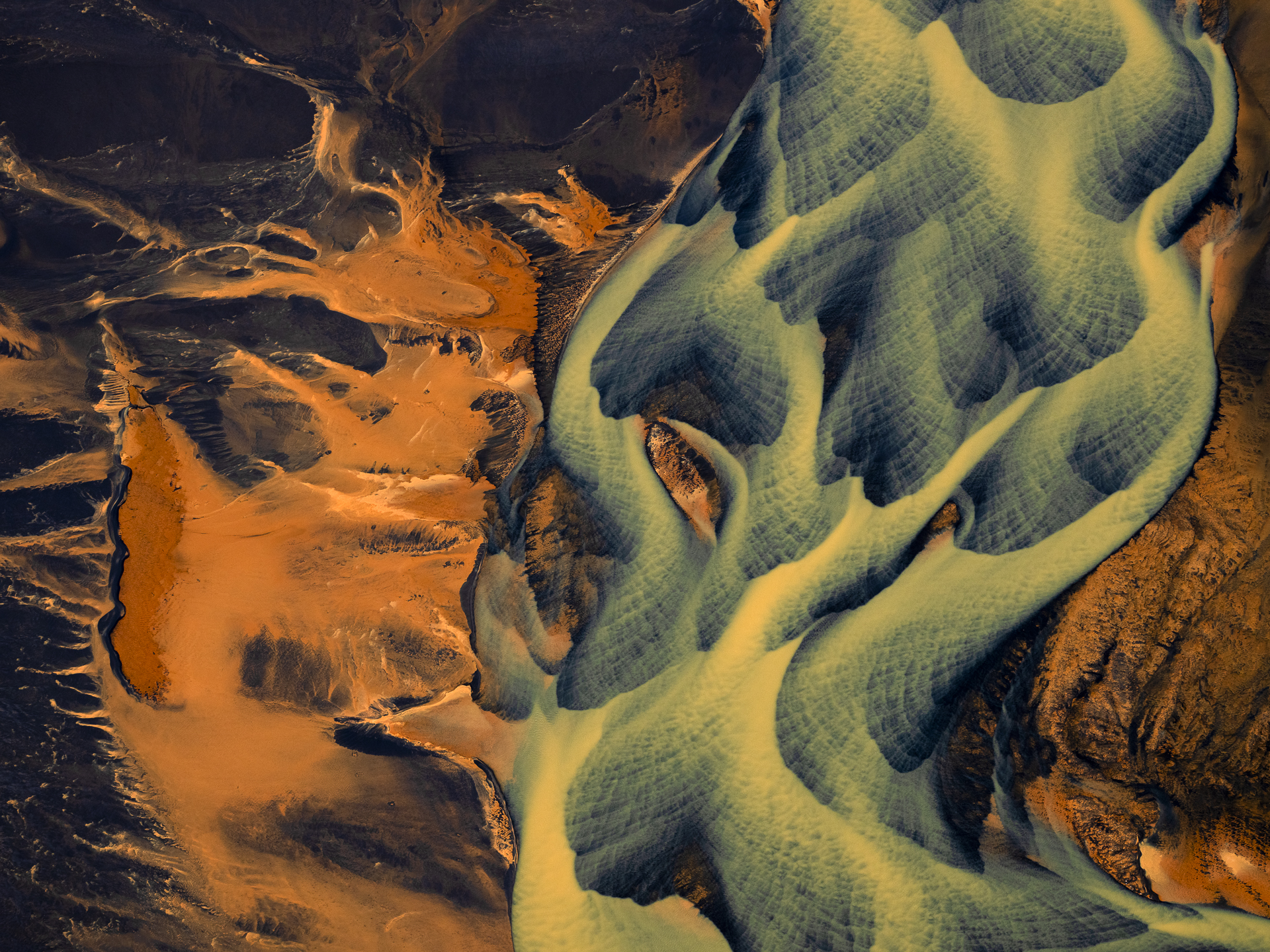
Patterns, I’ve come to understand, are a kind of poetry—a visual echo of the deep interconnection that binds us all. A single branching vein in a leaf holds the same logic as a river delta, a bolt of lightning, or the neural pathways of our brains. The spiral of a hurricane shares its form with sunflowers and galaxies. These repetitions are not just beautiful, they are unifying.
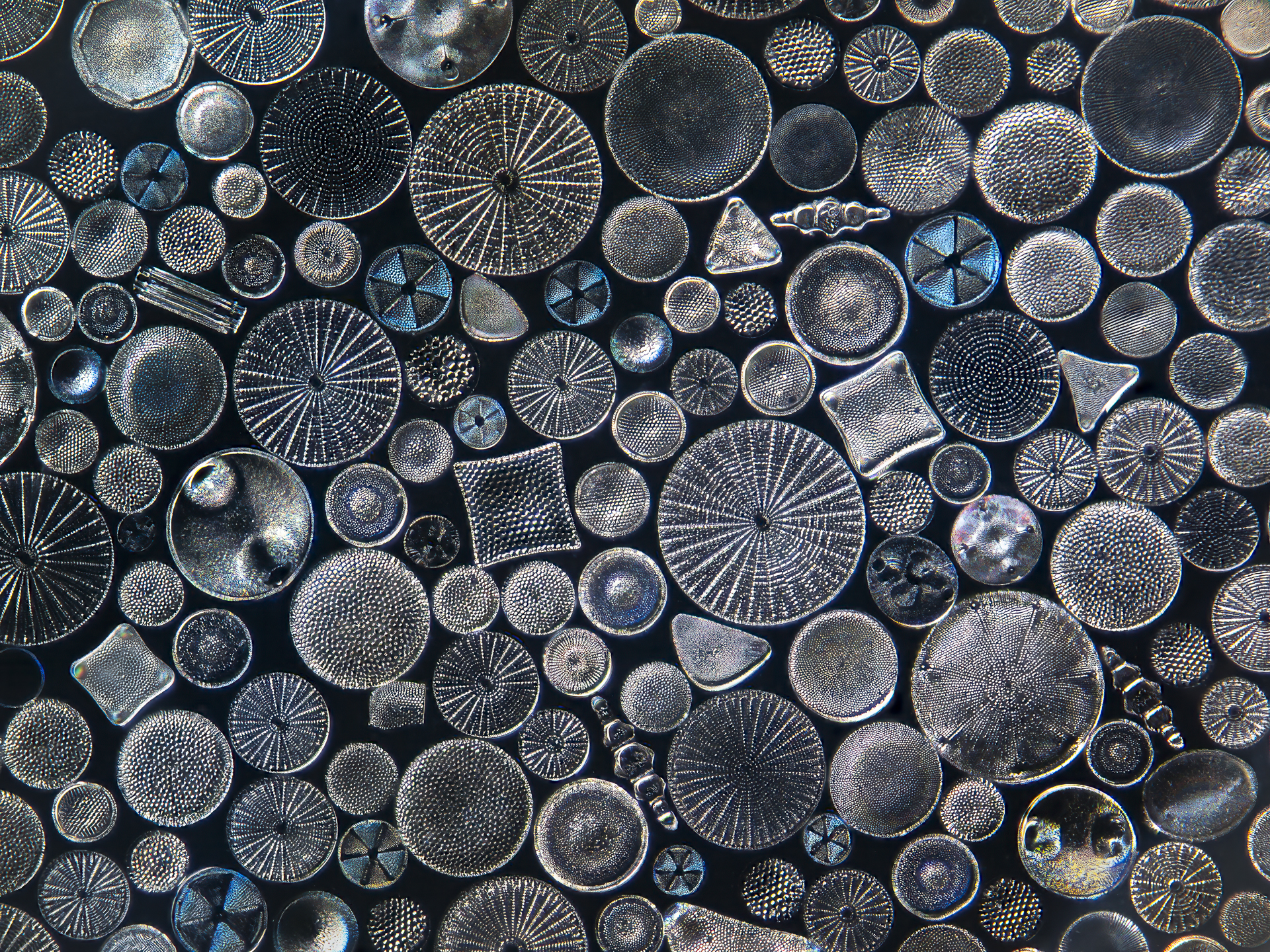
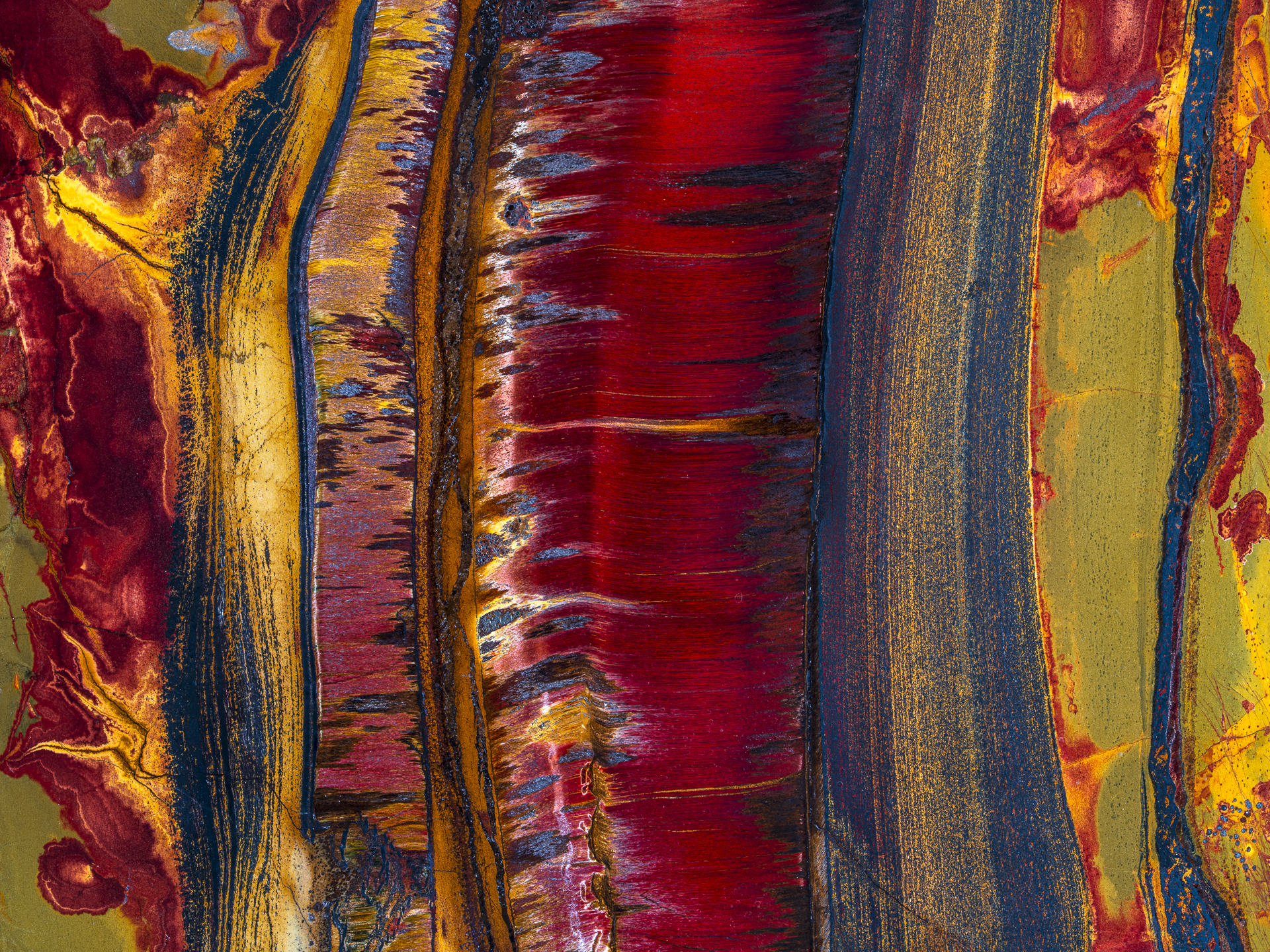
To say that Patterns is a book of nature photography is both correct and a tremendous disservice. This is a book that focuses on patterns, yes, but not on the geometries of angles and lines, not on vanishing points and mirroring. This is a book that focuses on shape and patterns, both more broadly and more intimately defined. Both within and between the images there are repetitions and then variations on a theme. There are similarities and echos everywhere. What we begin to see is not so much math, but beauty.
The images pay close attention to color and context as ways to evoke not so much an emotional response as a sense of curiosity and wonder at the connections and a desire to get closer. These are the elements that lead to care.
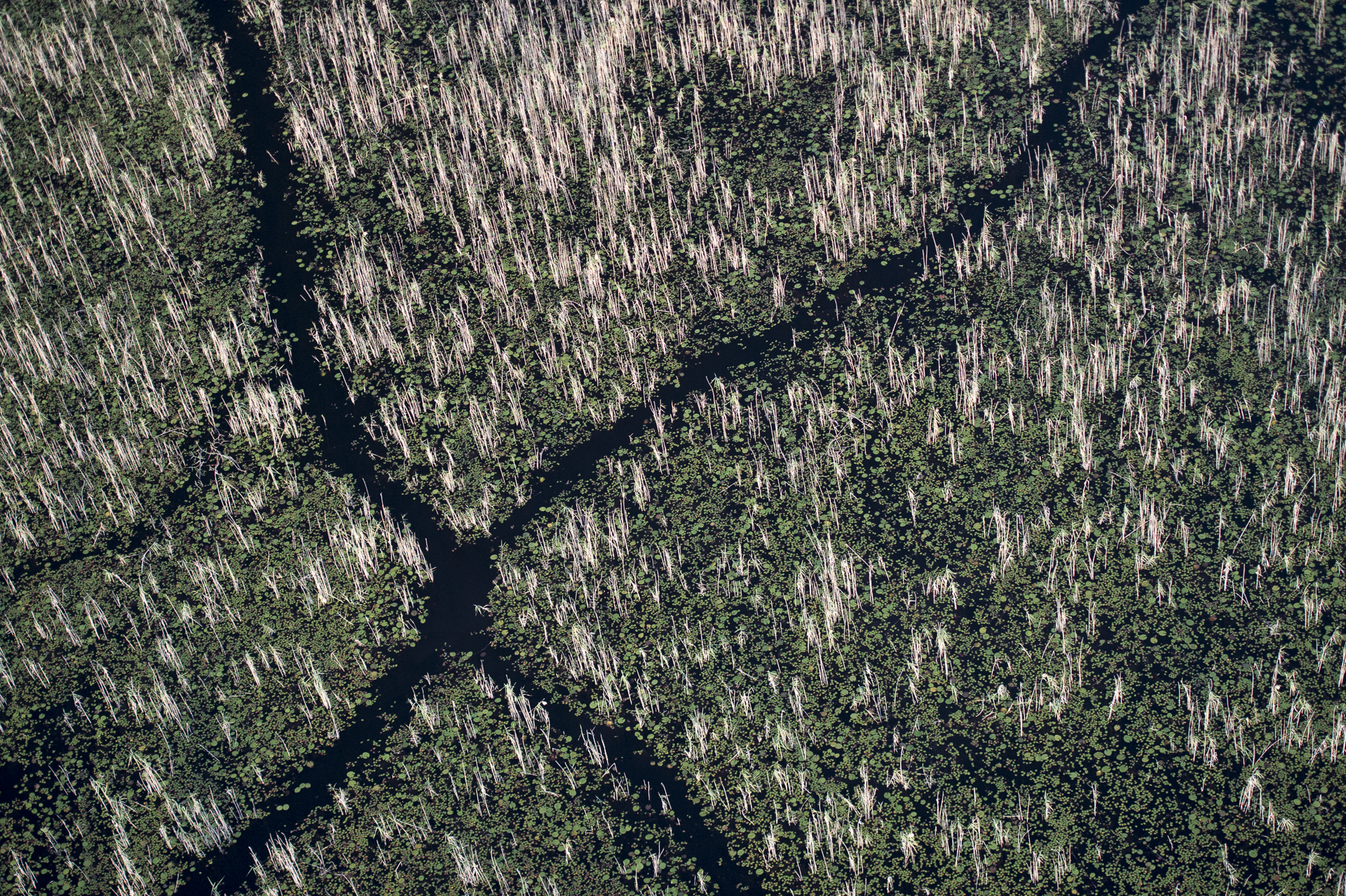
Patterns is punctuated by a handful of brief essays by important voices in the global conversation about conservation. These include writer David George Haskell, anthropologist and ethnobotanist Dr. Wade Davis, marine biologist Dr. Sylvia Earle, co-founder of the Rainforest Alliance Daniel Katz, and National Geographic photographer Ami Vitale, who is also the founder of Vital Impacts. Vitale’s participation here is especially important, because all proceeds from the sales of this book are donated to Vital Impacts to fund conservation storytelling. As Patterns describes it, Vital Impacts is a nonprofit founded on the conviction that images have the power to stir hearts, change minds and move people to action.
In her brief essay, “Humbled,” Vitale writes—
Our planet humbles me. It reminds me of both my smallness and my belonging. When I walk into a forest, I’m dwarfed by the ancient trees that rise around me. Their trunks stretch toward the sky, their roots dig deep into the earth, and beside their centuries of existence, I feel impossibly young. The forest unsettles my sense of time and scale. I remember that I am only one species among countless others in a vast and fragile web of life.
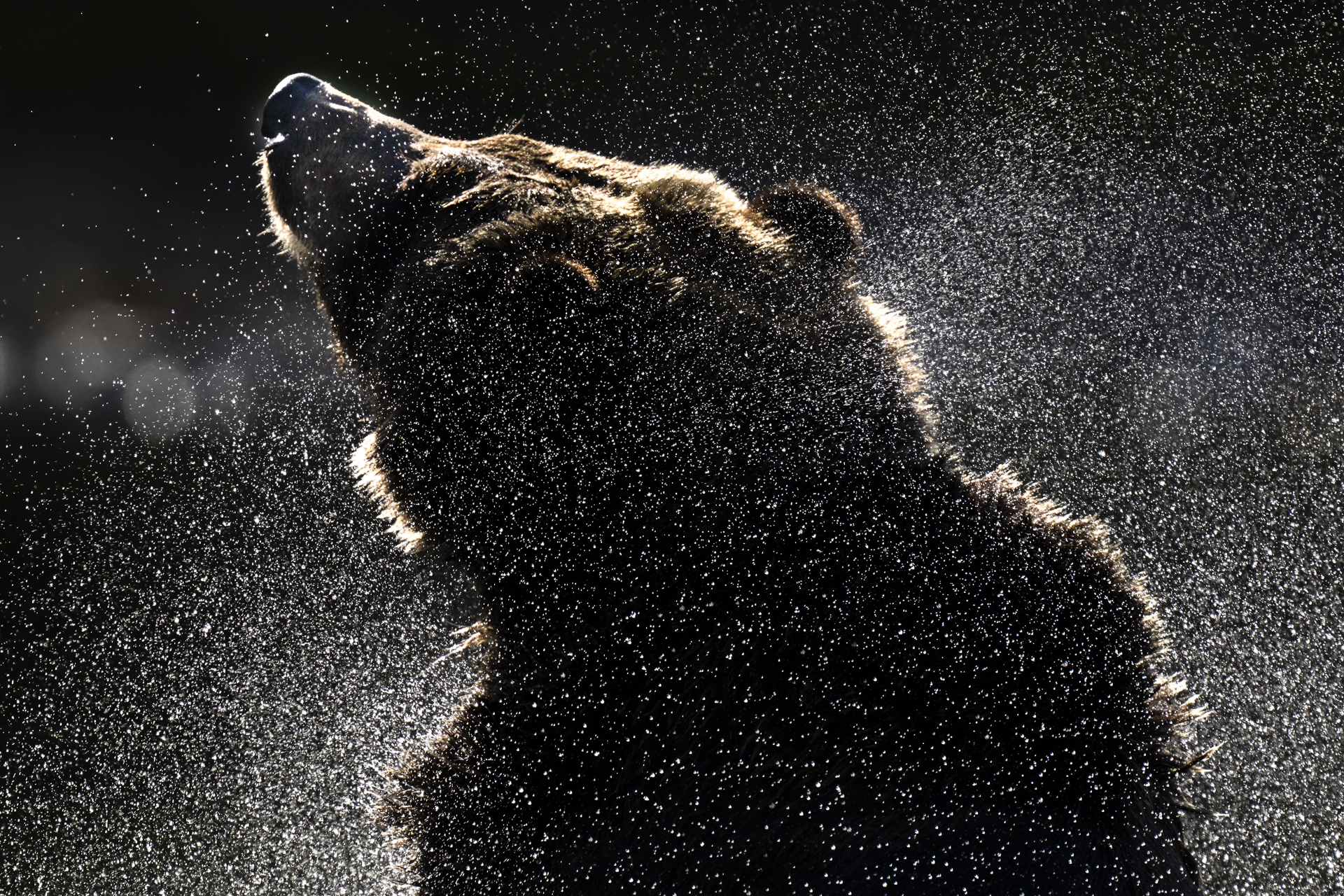
The images in Patterns are breathtakingly beautiful. Each one, from the macro photography of diatoms to overhead shots of birds in flight, from the delicate precision in the shape of a sea nettle to the depth in the eyes of an elephant or the gaze of a young grizzly bear, is a master class in how to work with light, with composition, with color, to create mood that becomes personal and insistent.
It’s impossible to turn through the pages of this book quickly. So much attention is paid to detail—and I don’t mean photographic resolution, although that too is extraordinary here—the details of how shape and form echoes throughout the lives on this planet and how one speaks to another. As McCormack said in his intro, “Patterns, I’ve come to understand, are a kind of poetry—a visual echo of the deep interconnection that binds us all.”

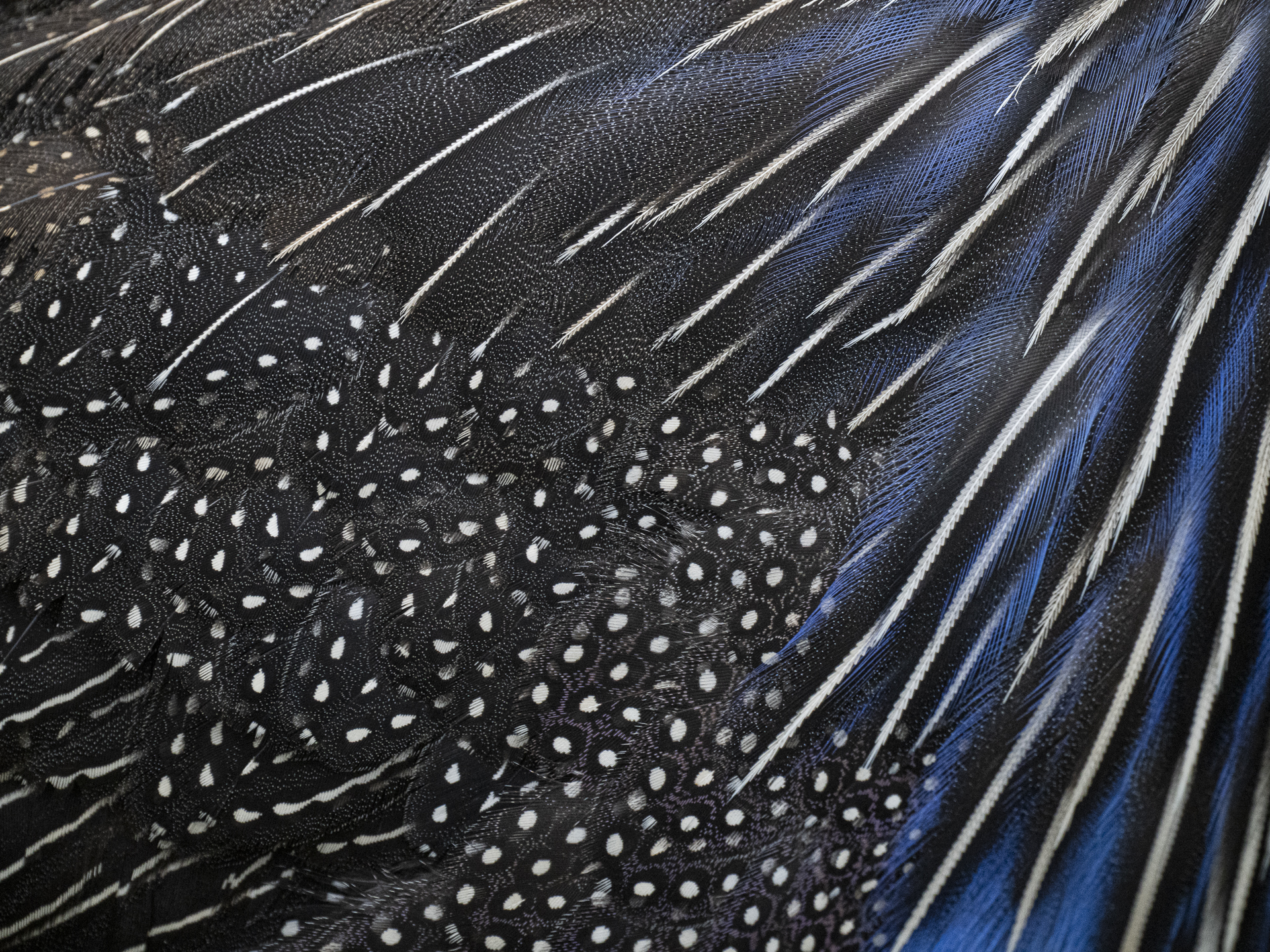
This is a good book that does good for a good cause. Buying it makes each one of us who holds it in our laps a better person, I believe, just from the experience of taking these images into our heads and hearts. Buying it, which supports Vital Impacts, is a step toward making the world a more detailed, appreciative, and sacred place.
A note from FRAMES: Please let us know if you have an upcoming or recently published photography book.

FRAMES is a unique international photography community that combines the best of all worlds, bringing you print and digital publications, a global membership platform, access to live events, and a dedicated mobile application.
EXPAND YOUR PHOTOGRAPHIC VISION
JOIN FRAMES TODAY