
It has been a year of setbacks. Though I had three photographs accepted to a group show for our local photography festival, none had sold—and those framed images were left over from my first solo show in the city I live in, where, again, none had sold. Work I sent to another regional festival—a series of composites I’d worked on over the course of a year—was rejected. I applied for two major grants that would have been, I imagine, life-changing, only to get neither.
The worst of it, though, was a large, framed photograph I’d sent to North Carolina for a group alumni show: a friend had made the print for me at the university, and I’d paid to mount it under museum glass, framing it in a large wooden frame I’d gotten from the artist studios across the alley from my house. I put a price tag on it for two thousand dollars. It hung for months, only to go unsold. When it was shipped back, I figured I’d hang it in my classroom.
Imagine the horror of opening the box and hearing the chimes of broken glass. The piece had been destroyed in transit. The broken glass had scraped and torn the print itself. The backing was torn, and even the molding on the frame had been chipped away in places.
Over time, I’ve become more inured to rejections and—to call them what they seem—disasters. The one salve this year was the arrival of Sally Mann’s new book, Art Work, in the mail. By the second page, Mann had drawn a circle around these setbacks and called them the bad shit: “the rejections, the failures, the cynical strategies of marketing, the perceived necessity for self-promotion, the compromises, the jealousies, the injustices, the dumbass work you thought was good—and, of course, the fear.” Clearly, Mann understood.
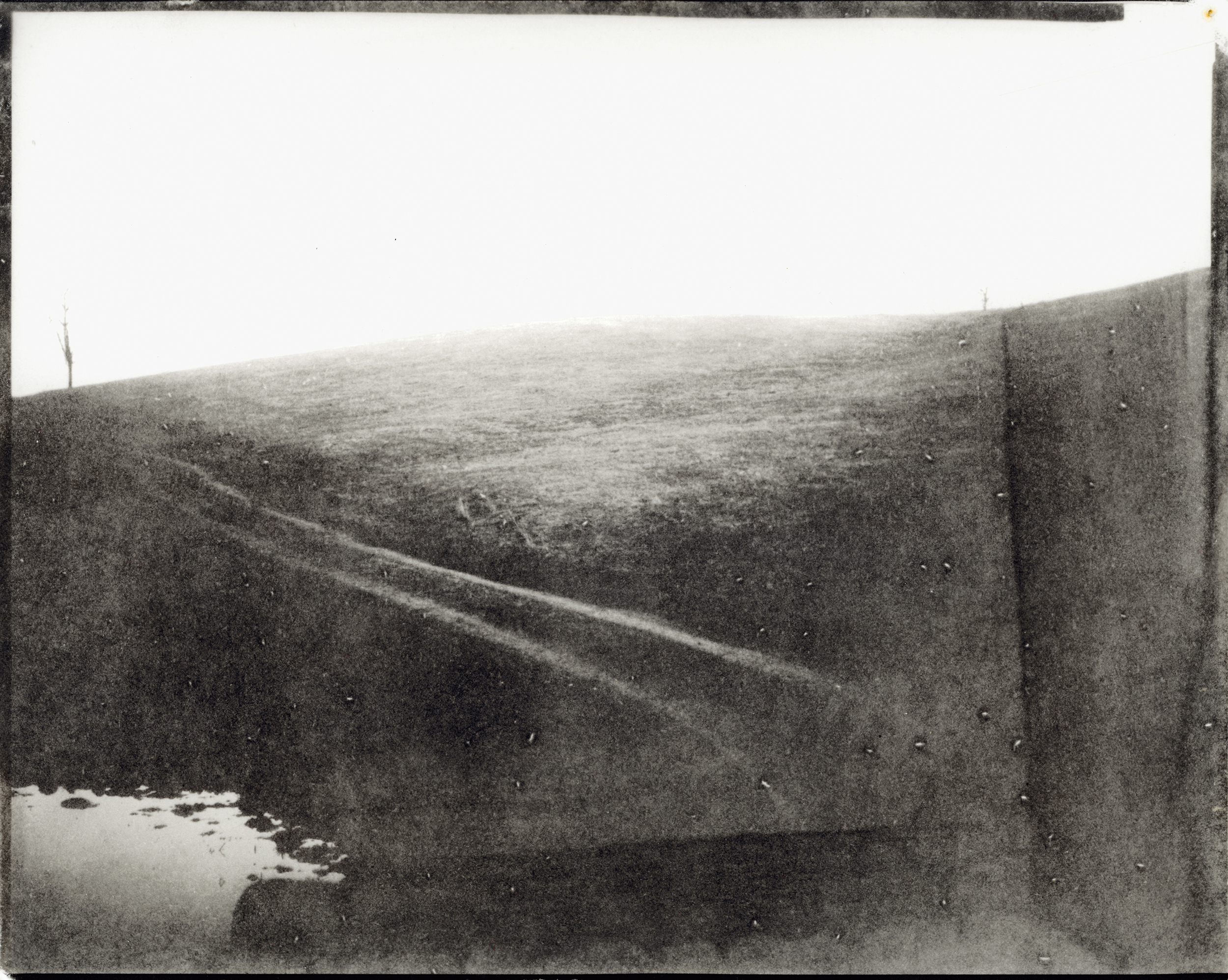
Art Work is a project that ultimately puts Mann’s own life as an artist in as searing a light as we often put ourselves: these annoyances and doubts are simply part of being an artist—even for someone as famous as Sally Mann, a fact she makes clear over and over again. There is no charmed life as an artist for most of us, and Mann sets out to show, meticulously, that she lives a life as mundane and ordinary as me. As you.
She tells a story of meeting Pierre Daura, the Spanish painter who taught her mentor Cy Twombley. In that meeting that occurred when she was a child, Daura was not painting but rather fixing a pair of sandals with an awl and thread. I thought immediately of the pair of sandals I’d bought in Spain whose thread had broken so that the strap had come loose, and the fact that I, too, would have to soon sit down with them and the tube of shoe glue I bought from a cobbler. “Daura was doing what artists actually do,” she writes. “They live their lives. Their everyday, boring, mundane, tedium-filled, sandal-repairing lives.”
But in that life, there is suffering. And Mann’s prescription is simple and finally reassuring: “I believe artists should suffer.” The point of which, as father frequently intones to son in the Calvin and Hobbes strips, is to build character. “Without character,” says Mann, “you will have nothing to say.” And the biggest suffering is, naturally, rejection—or mostly, at any rate. She describes her children’s suffering as well, including her daughter’s repeated bouts with pneumonia. As a single parent, I’ve endured vomiting, infections, and the usual trials of children, so I grasp this. “It gives you something to say in your art,” Mann insists. “It gives you the right to say it.”
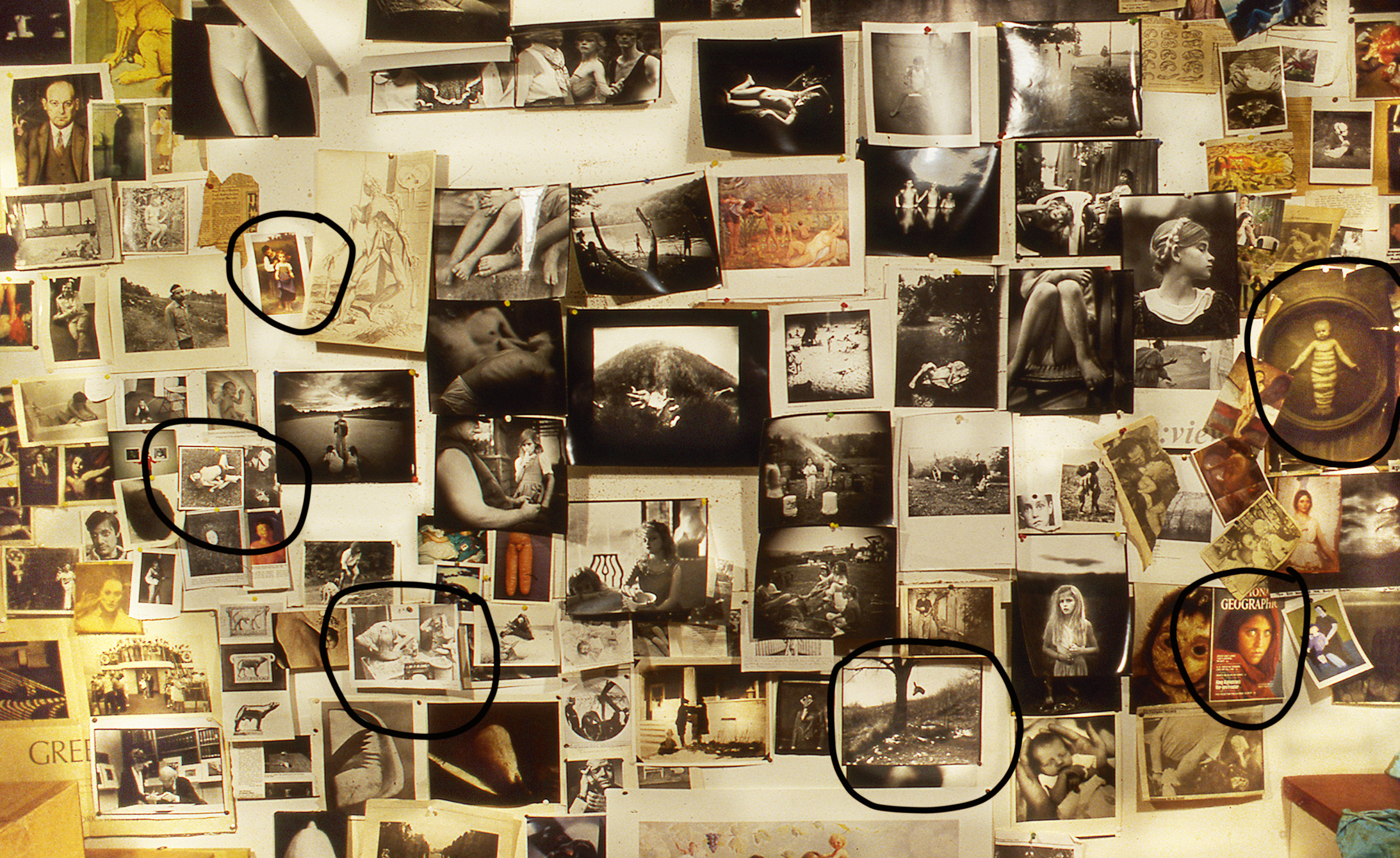
As for rejection itself, it can go beyond being merely stifling. Mann, like the poet John Berryman, saved their rejection letters. As a young poet, I couldn’t understand why Berryman would wallpaper his office with them. It is a relief to know that even the great poets and photographers had such collections. Think of them as serving motivation. Get on with it, the masters tell us.
And of course, beneath the veneers of our outward lives, there is grief, despair, and doubt. Beneath even the most successful entrepreneur, as Mann gravely points out, is a complex emotional life that is often debilitating. What we do is carry appearances, the masks that are often ironclad, resistant to revealing the turmoil we carry. What makes the artist lucky, she says, is the ability to make a story of “that dark geometry,” and to make those stories unique.

Mann has now twice published books on that geometry. There are similarities between this book and her memoir, Hold Still, which, like this book, I read twice in a row. Mann’s life has been one of stories, challenges, and admittedly stupid instances of ill-reasoned stunts, and in Art Work, those stories support her thesis. Take wasting time; for me, it’s scrolling social media or, worse, reading the news. In my youth, I did the same foolish things Mann did, drinking too much, chasing attention, holding down day jobs I hated, accumulating speeding tickets. The one thing we won’t admit, she suggests, is “that what actually holds us back is that we just plain waste half of our life not making art but instead doing dumb things too embarrassing to repeat.”
What we need is discipline because, to Mann, art is work. It requires not so much talent—a term she carefully avoids until the final pages of the book—but rather patience and tenacity. These two things, she insists, will help you overcome the suffering. And so she echoes any number of contemporary business books I’ve read—and I’ve read many: You must schedule creativity. We may attempt to avoid making art, and the reason behind that, as Mann asserts repeatedly, is the delusional thought that we need to make “great art.” I sense in my own life that this is the root of my own obstinacy, my procrastination, even my apparent laziness—even starting this review took me weeks.
But “If perfection is the enemy of the good, it is also a surefire guarantee of artistic paralysis.” But despite the uncertainty—and Mann illustrates this with numbers of stories, including an ill-fated journey to the Mississippi River that, upon arriving, manifested in exactly nothing, save disappointment—the fact is that “the discomfort of not making work eventually becomes so great that making pictures is less painful than not making them,” a fact I can attest to when, like Mann, I overcome the paralytic uncertainty and simply load the camera gear into the car. The best advice, Mann herself notes, is to just say yes to opportunity.
To be artists, we must trust our gut language and accept our obscurity—it’s liberating, I admit, not to be known widely, as it allows me the freedom of expression and experiment. I might celebrate the fact that I’ve sold a few photographs, but I don’t have to base every artistic decision on whether a shot will ultimately sell. And in the end, Mann brings our attention to a fact that I, for one, often forget: that our lives and our bodies are finally vehicles for our work, our expression, and what it is we mean to say. “We can only hope,” she concludes, “that what our work wants to say is worth the many sacrifices we make for it to do so.”
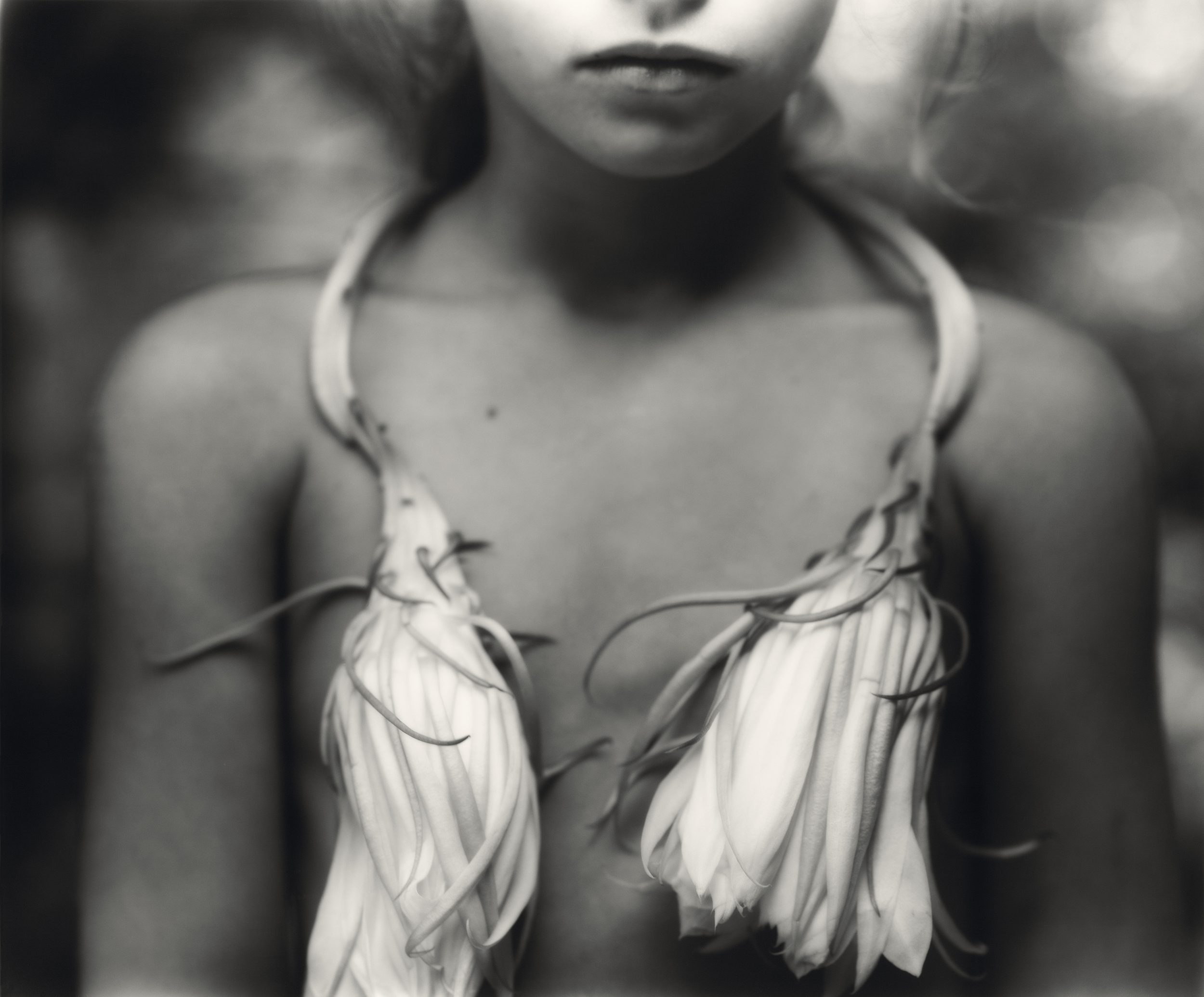
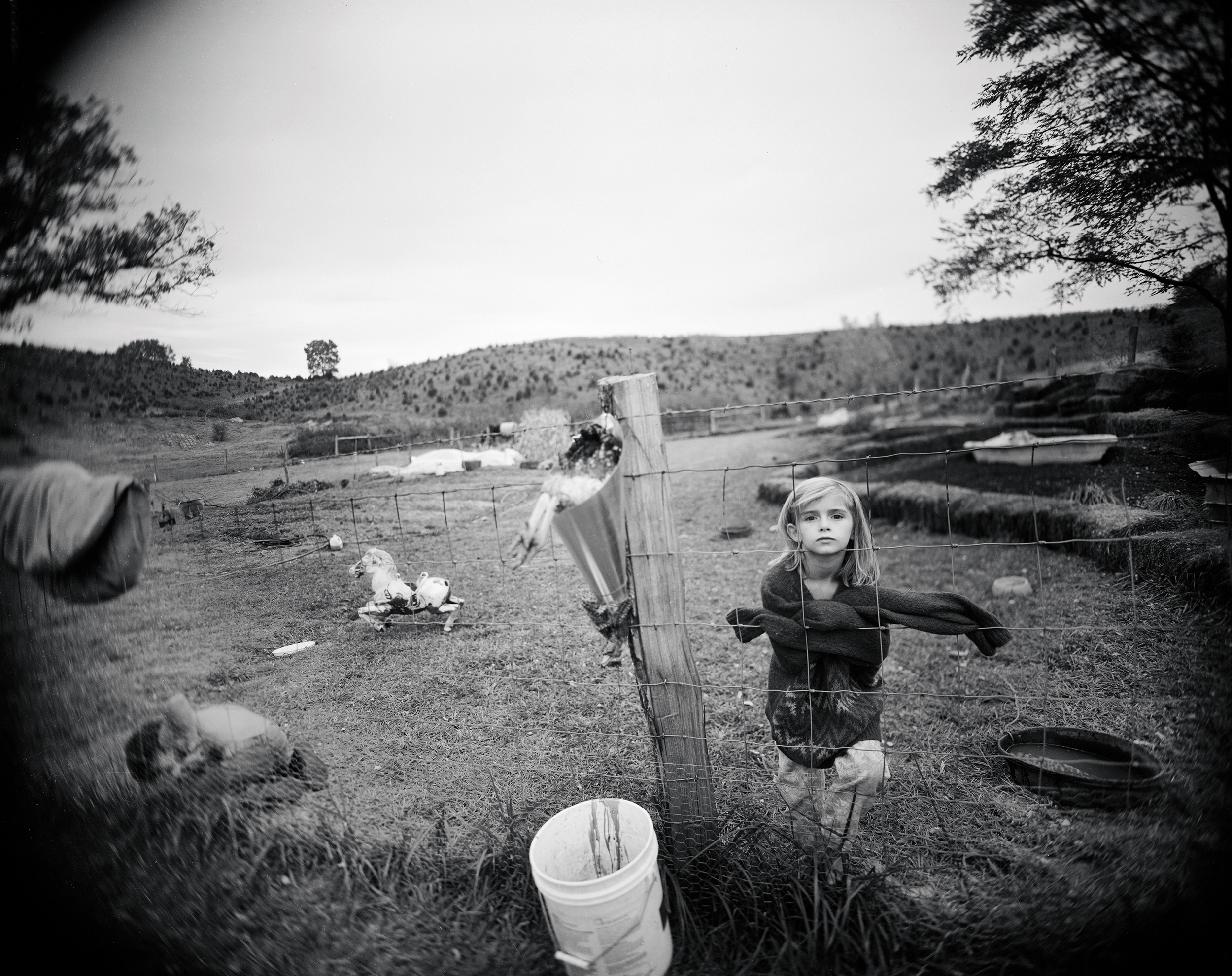
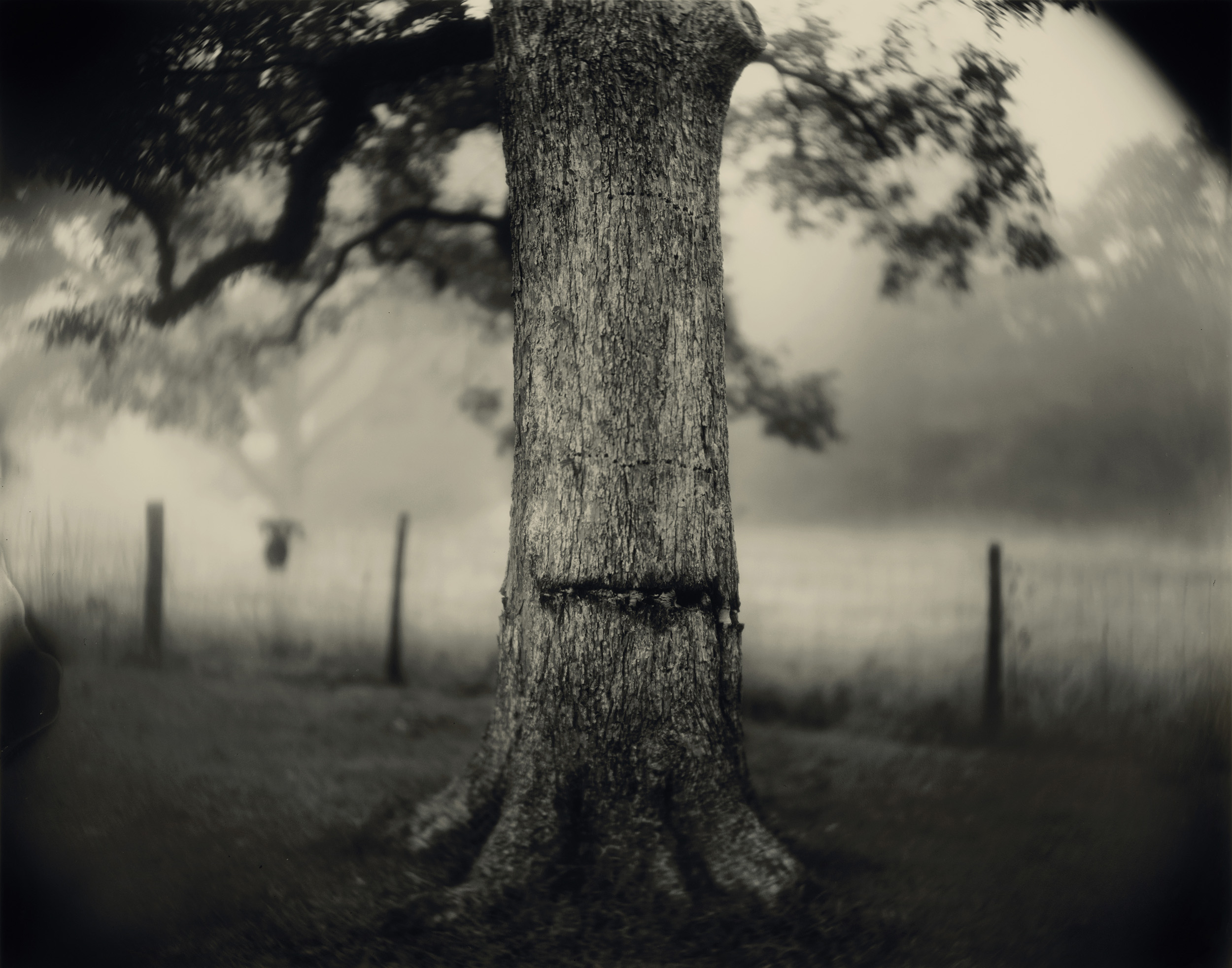
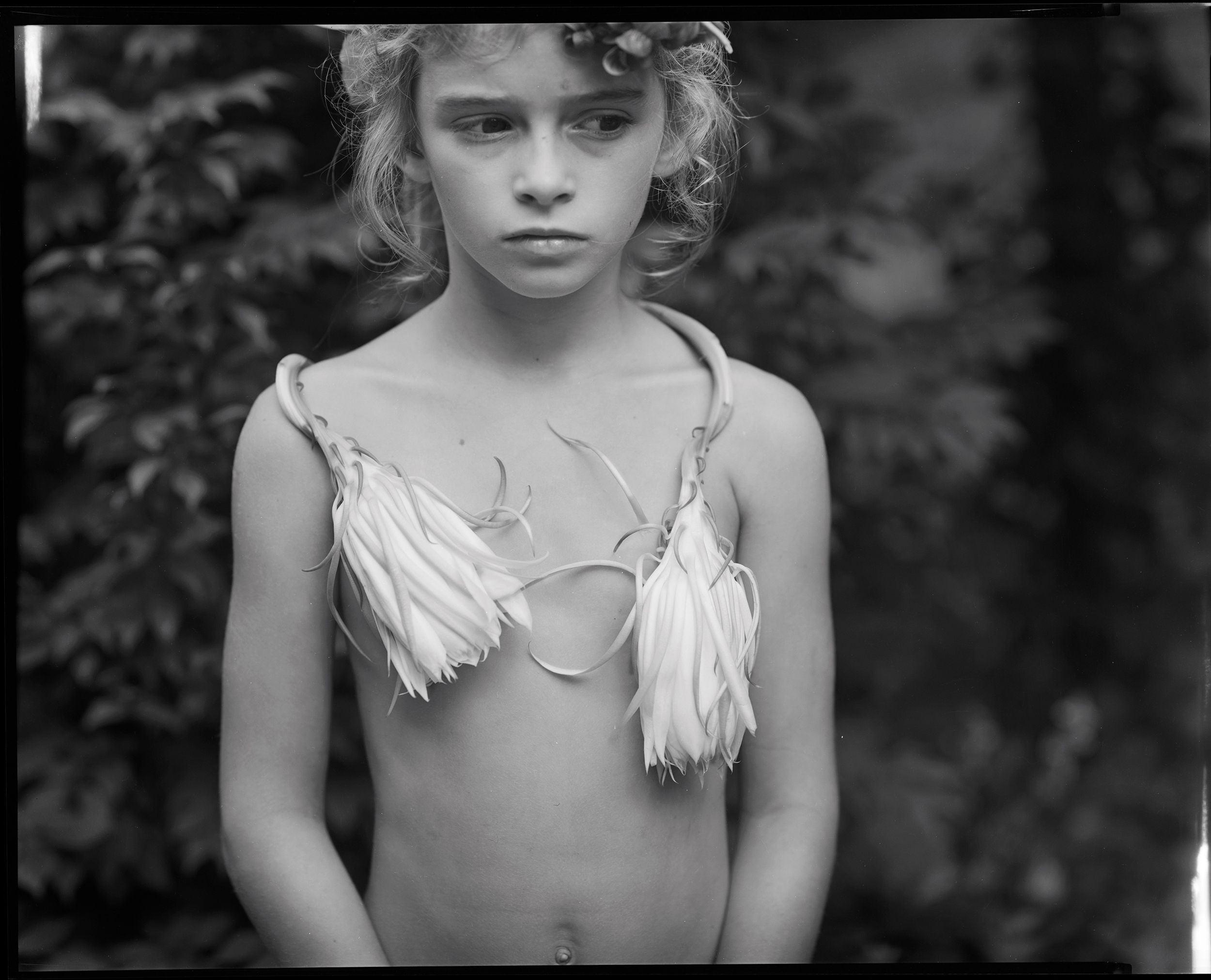
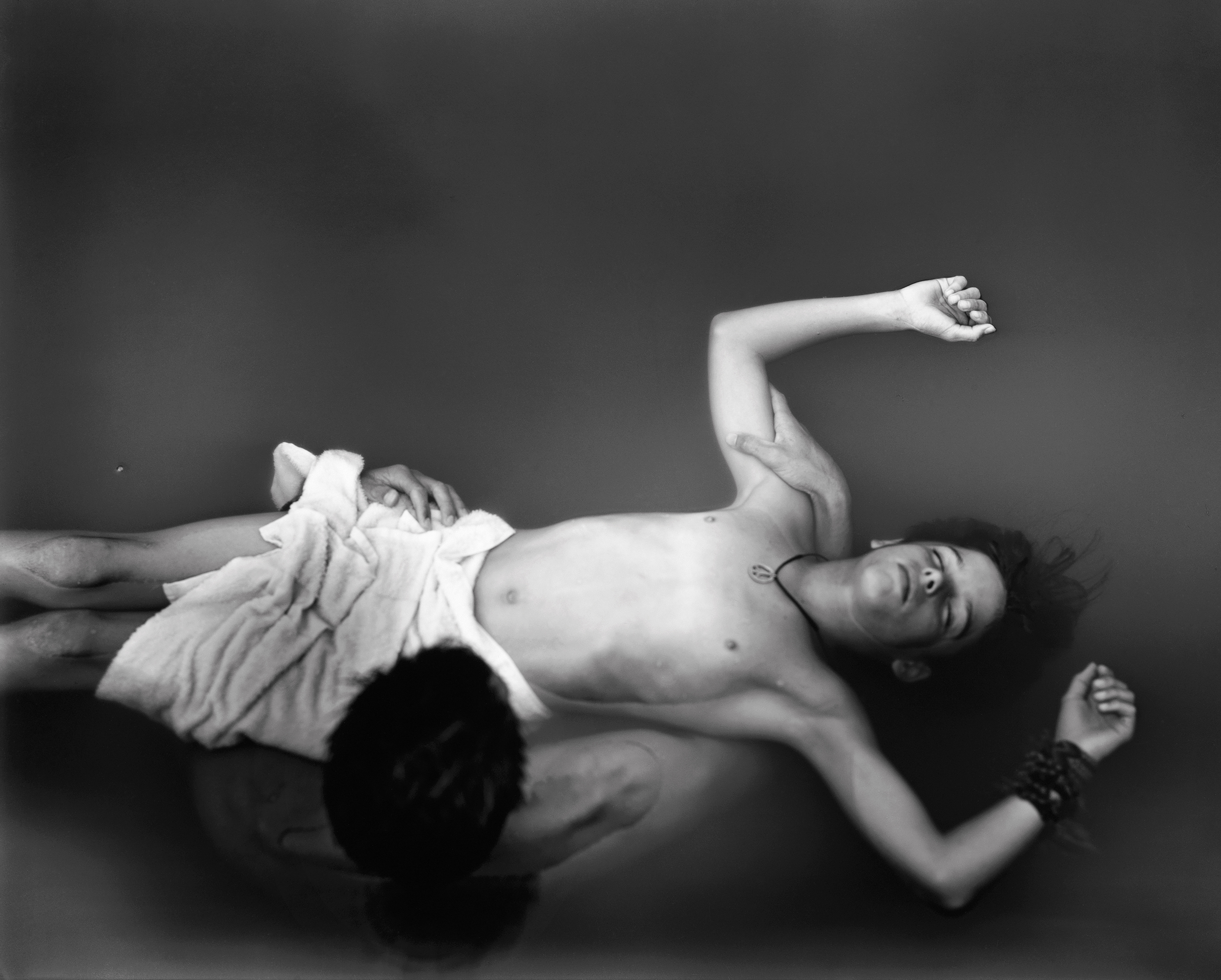
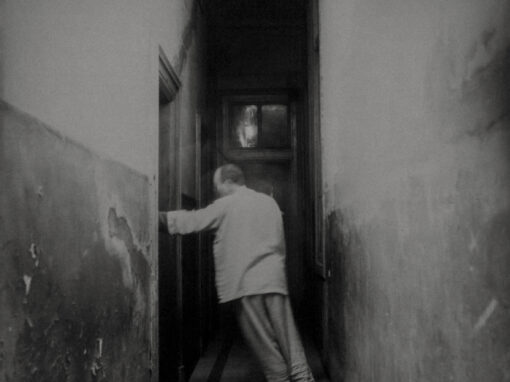
Art Work is not strictly a self-help book for aspiring artists. It’s also a glimpse into Mann’s life as an artist, including her formative years, and such insight can help one give shape to their own experience. She writes about being little, flipping through the pages of The Family of Man, dog-earing at least two pages: Wynn Bullock’s Child in Forest, 1951, and W. Eugene Smith’s Walk to Paradise Garden, each of which shaped her later work, especially Immediate Family. There are compelling stories—complete with illustrations of rejects!—showing how she arrived at some of her most famous shots, like the wonderful Candy Cigarette or Night Blooming Cereus.
There is, too, the rich character of Sally Mann as a writer, a skill she demonstrated in Hold Still and vowed never to attempt again. Despite that, we have her southern charm, her vivacious phrasing, and her acute ability to convey tales of verities like family and marriage, and particulars like trailer rentals gone emphatically wrong and a portrait commission by royalty in Qatar. Mann’s prose is an enjoyable and engaging one, conversational but never didactic.
In the end, Mann admits that some of us may have a gift—an advantage, “a leg up”—but that what made her an artist—and by implication, what we need, lacking talent, or supposing we lack talent—is passion. We need only put in our ten-thousand hours, setting out, as Mann did for the Mississippi Delta, “with modest faith in the certainty of good pictures and, so the quip goes, much to be modest about.”
ABOUT THE AUTHOR
Sean Patrick Hill is a photographer, freelance writer, essayist, educator, and poet. He is a graduate of the Warren Wilson College MFA Program for Writers. Sean was the 2023 photography artist-in-residence at The Bascom: A Center for Visual Arts, and he has been awarded grants and fellowships from the Kentucky Arts Council, the Great Meadows Foundation, the Vermont Studio Center, and the Elizabeth George Foundation. He is the author of five books and has had solo exhibitions at The Bascom’s Joel Gallery and Louisville Visual Arts.

FRAMES is a unique international photography community that combines the best of all worlds, bringing you print and digital publications, a global membership platform, access to live events, and a dedicated mobile application.
EXPAND YOUR PHOTOGRAPHIC VISION
JOIN FRAMES TODAY

Iain C Lochrie
December 29, 2025 at 17:45
Wonderful article – I suggest that most artists have a lot of rejection but the ‘art’ is to walk through walls in a controlled manner! Failure is the first steps to success!
Cat Marcogliese
December 29, 2025 at 18:14
Thank you. I needed to hear this.
John Devitt
December 29, 2025 at 18:38
Yes, simply yes. Do it because you love doing it. Whether or not one can make a living from it is an entirely differen matter.
Anne Oehlen
December 29, 2025 at 20:32
A great article and very helpful as those experiences are so recognizable
Gail Orgias
December 29, 2025 at 20:33
Thank you for your honesty Sean a very thought provoking article. Despite setbacks, when I read your Bio you can be very happy with your many ‘achievements’ ! All the very best for your photography journey in 2026.
Ed Tepper
December 29, 2025 at 23:10
I have the book. It’s a fascinating read
Kelvin Knox
December 30, 2025 at 00:20
Thanks, Sean. I appreciate your article and reflections; there’s a lot here that speaks directly to the lived and everyday experience of a creative person working and making art.
Kel
Dana Bouton
December 30, 2025 at 04:41
I loved your article. I am a big fan of Sally Mann and her luminous book “Hold Still” was beautifully written with many words I had to look up in the dictionary.
I have struggled to redefine my photography goals since I was diagnosed with lymphoma 8 years ago. I have been working on macro florals but I do not have the motivation because I get sick from side effects due to treatments.
Thank you for reminding me to just work only to follow your passion because it hurts if you don’t.
Eddy Furlong
December 30, 2025 at 04:49
Much to be modest indeed.. I can certainly vicariously experience Sally’s and Sean’s experiences and learn from it, thank you
Peter Grant
December 30, 2025 at 11:59
Very true and inspiring words.
Chuck Cunningham
December 30, 2025 at 13:54
Having read both of Mann’s books, this is an excellent take on the most recent one. Makes me want to read it again soon.
Nicole Walsh
December 30, 2025 at 15:48
This hit home.
Great article, thank you!
Adelaide
December 31, 2025 at 05:15
For anyone new to digital picture frames, starting with category-level information makes sense. It gives a broader idea before looking at individual models. I prefer explanations that focus on everyday usage rather than specs. The insights under digital picture frame are quite clear.
Mark Lamb
December 31, 2025 at 16:11
Great article Sean. I’m probably not alone in finding solace in the observation that rejection, fear, and artistic struggle can be seen as unavoidable facets of creative life. I suspect we can all take comfort from the knowledge that discipline, patience, and perseverance matter more than chasing “great art,” and that making work—even imperfectly—is less painful than not creating at all.