Let me tell you a story.
A few days ago, my daughter, who is in her mid-30s, called and wanted me to find a picture for my mother, her grandmother’s, birthday. In this picture, my daughter is maybe 11 years old. She knew where the picture was because she’d spent some time recently organizing items in our basement, but all she could tell me was that it was in a heavy box of photos, near the front, and she was wearing a denim outfit.
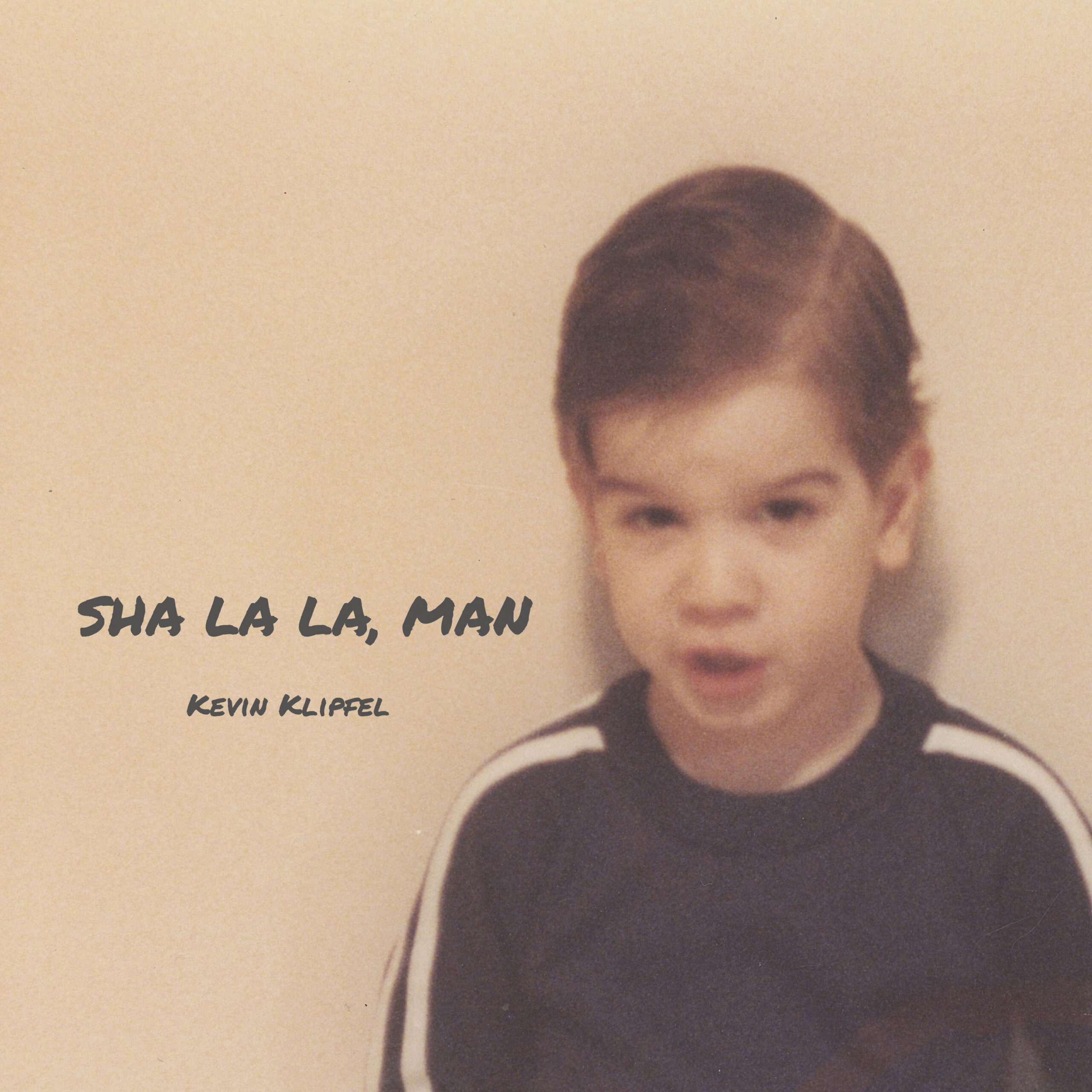
“Sha La La Man” by Kevin Klipfel
Published by Tired Eyes Publishing in 2025
Review by W. Scott Olsen
Of course, I went to the boxes of photos, pulled out what I believed to be the heaviest one, and started going through several hundred pictures, one by one. What I did not expect was how much fun I would have doing this.
Most of the images contained people I know—family, friends, children of friends, friends of children—but the events of the photographs had gotten fuzzy. Yes, there was a soccer team, but which one? What year? Yes, there was a restaurant, but why were we there?
And what I quickly realized is that the details of the memory were not all that important. I was able to look at all of these images, none of which were artistic, and recreate, not so much the plot line of that day, but the mood of that day—the friendship and the intimacy and the love. There was something about the energy of those shots that I found nostalgic and compelling and wonderful.
Yes, I found the picture my daughter was looking for, and she was able to send it as a loving birthday wish. It’s a cute picture of a grandmother and granddaughter sharing a happy moment.
I’m thinking about this story because I have on my desk today Sha La La, Man by Kevin Klipfel.
I did not think I would like this book as much as I do.
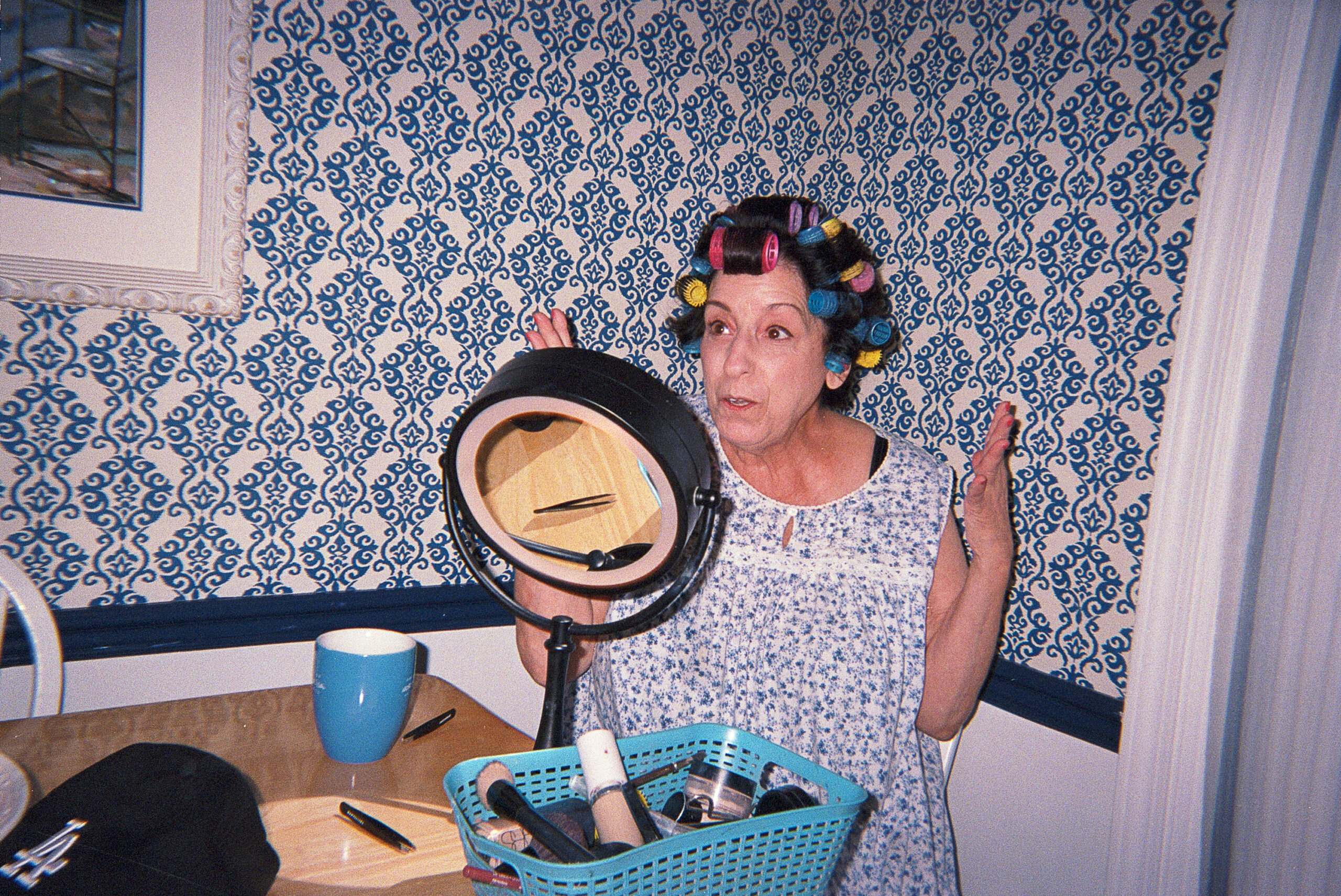
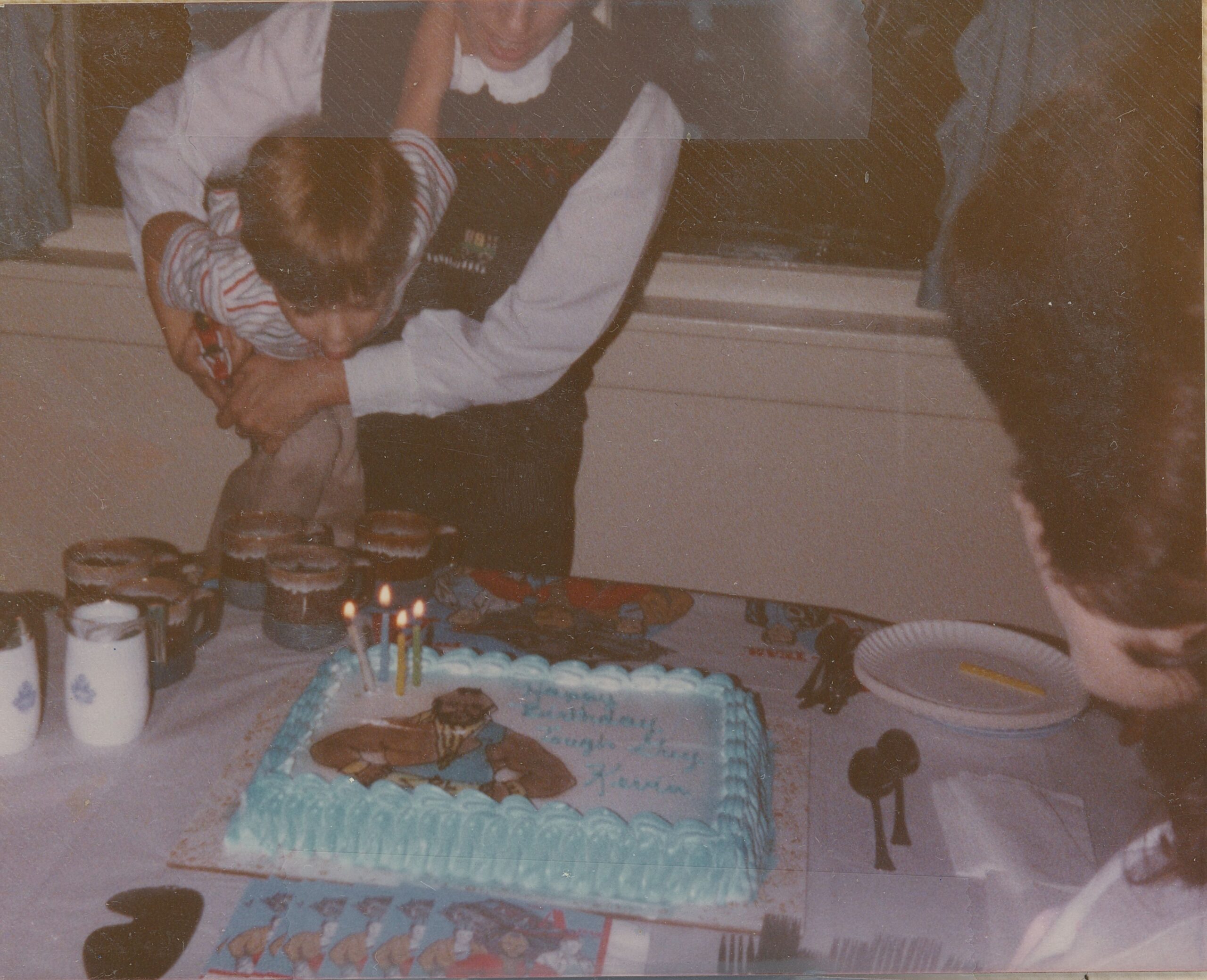
When I first held it in my hands and flipped quickly for the pages, I could see that these were personal snapshots, bits of history, and I assumed, wrongly, I would have little access to the milieu, the understanding, and the intent of these images. But what I discovered very quickly was that, very much like going through my own photographs at the request of my daughter, going through these photographs put me in a place where I was allowed into an intimate space of family and friends and hometown that I found completely interesting and rewarding.
There is an introduction by James V. Martin, Assistant Professor of Philosophy at Western Michigan University, in which he writes—
The phonily posed, oversaturated, extensively-edited photography we’ve grown accustomed to is also encouraged by an era in which many capture images in order to develop their “personal brand” or to “influence” by shilling false signifiers of wealth, what Basquiat might have called “Gold Wood” to their followers. But why should ordinary people accept these commercially dictated standards and demand or even value slickness?
The photographs in this collection remind us that things weren’t always that way, and that they needn’t remain that way now. They seem to suggest that if we can see the present as being at one with a past that was more of a home for people peopling, some of its apparent inauthenticity may be redeemed.
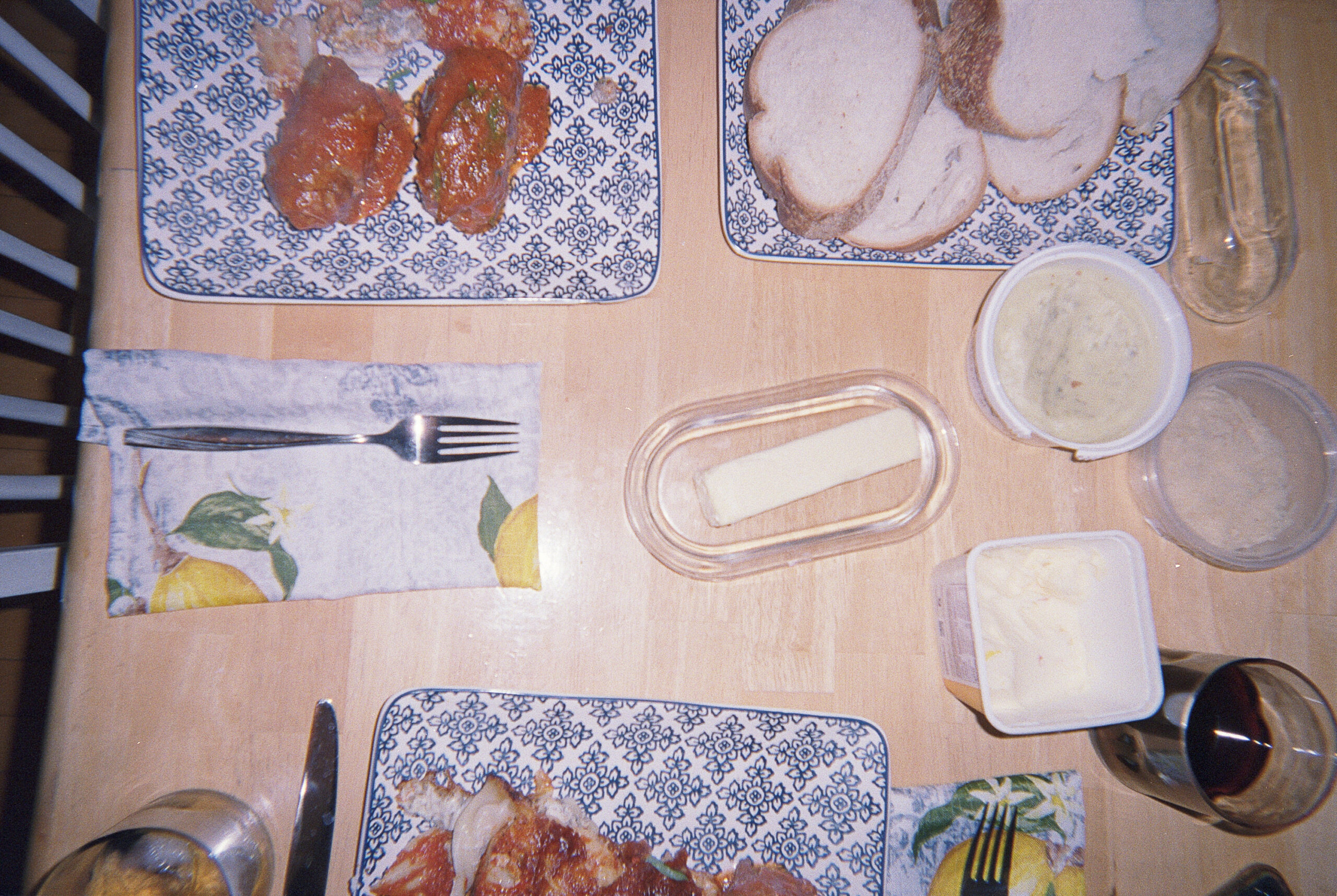
While I do not completely agree with Martin’s evaluation of contemporary photography, I do respect what he’s pointing at. But herein lies another issue. A lot of vernacular photography is simply bad. It does not allow a curious mind access to something deeper.
Perhaps this is why I enjoy Klipfel’s book so much. For whatever reason, Klipfel’s photography opens doors and windows. I can imagine sitting at a kitchen table and going through these images with him, hearing the stories that prompted the photograph. They seem very much like my own.
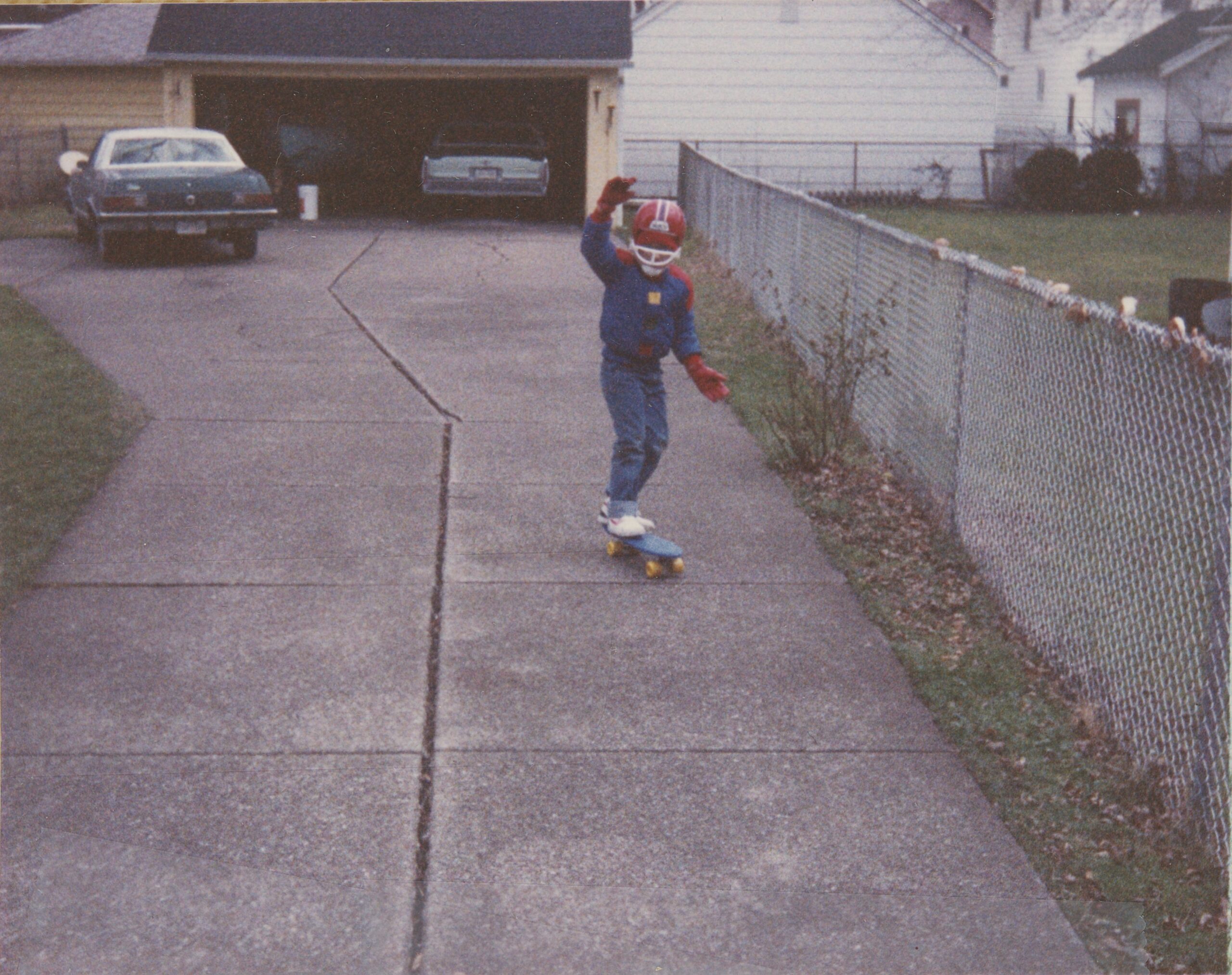
Yet, I’m frankly glad that won’t happen. When I look at these images—old recipe cards, the Hotel Chelsea, someplace called Kelly’s Korner, a chocolate milkshake or sundae at a diner, I find myself smiling. Not really at innocence or lack of pretentiousness, but at the persistence of a way of celebrating our own history.
If I were to say that this collection had a documentary intent, I would be right, but I would be giving it the wrong tone. I don’t think intent was a part of anything here, other than the joy of snapping a picture, because at that very moment, he felt that moment should be preserved, or at least remembered, if not celebrated. We all do this. The moment is cool. Save it.
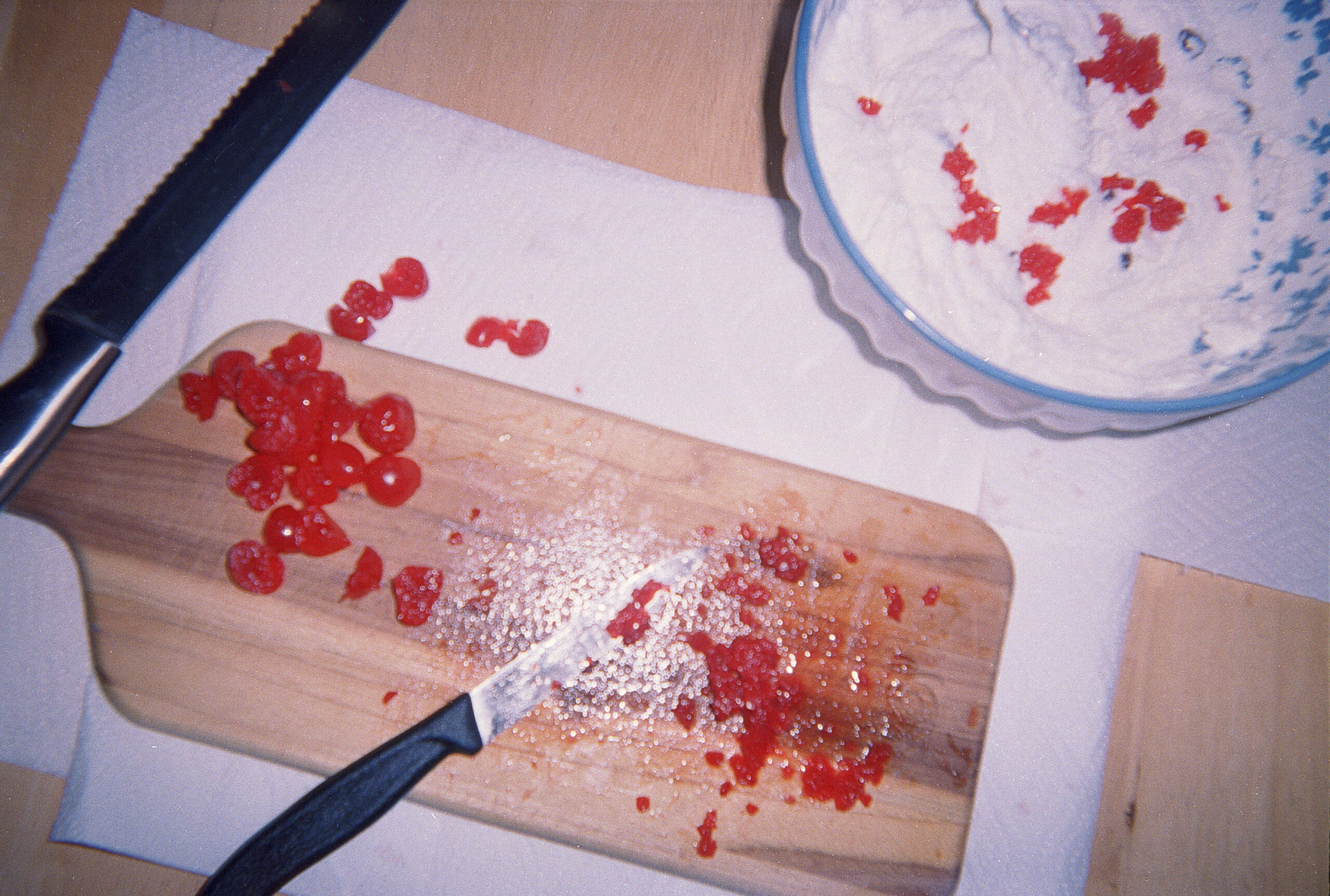
The documentation here is the act of recreation into a series, and then a fine book. Of going back through them and saying, “Ah, this one works.”
An added benefit of this book is a QR code, which leads to what Klipfel calls the “Sha La La, Man” jukebox. The card reads—
A free curated playlist to accompany Kevin Klipfel’s “Sha La La, Man” featuring music that inspired the book, including songs from 60s girl groups such as The Chantels, The Ronettes, The Shirelles…and, of course, Lou Reed, whose song ‘Street Hassle” features the line that serves as the title of this book. Press play to break your own heart.
Again, I disagree, but for the very best reason. I don’t think this book will break anybody’s heart. I think this book will make your heart swell, beat, and dance.
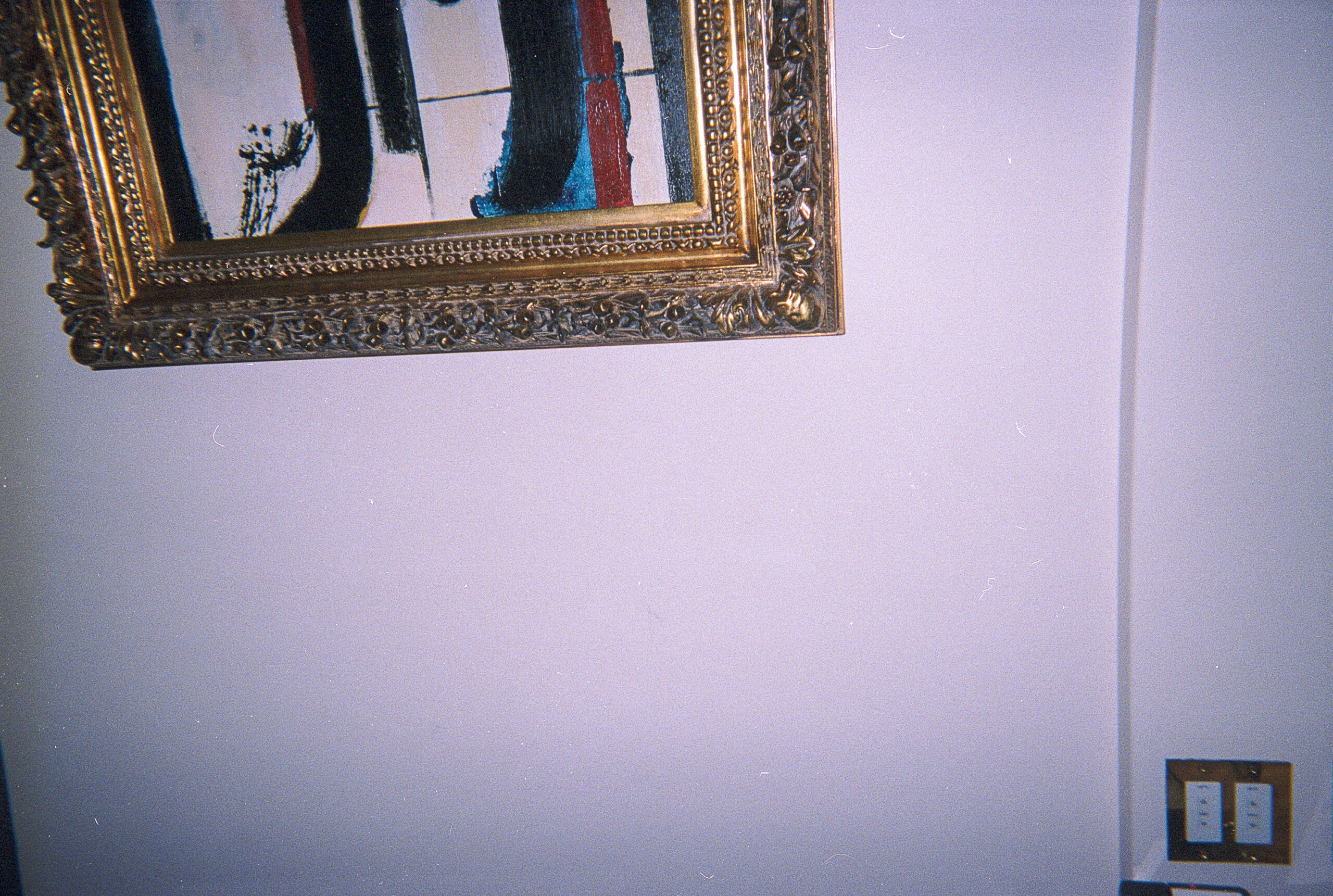
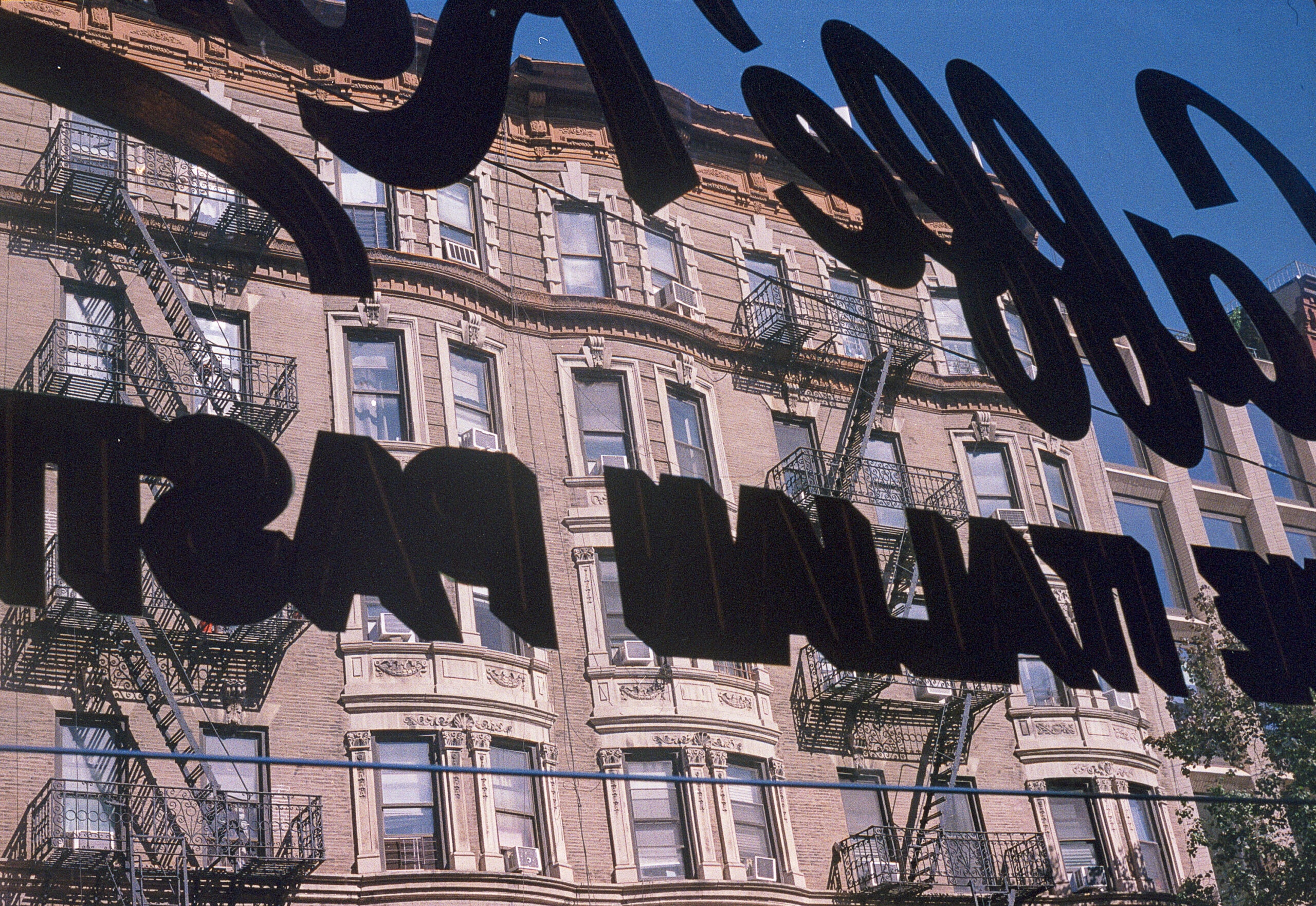
While I may never know why there are pictures of a magazine whose cover features Demi Moore, or the particular affection Klipfel has for the Hotel Chelsea, I will look at every image here, the snapshots, the bad color, the idiosyncratic framing, and I will believe that every single one of them is true to itself and true to a human life.
“Sha La La, Man” is a fine collection of personal snapshots that rise beyond their original intent and audience. There is a reflection here of our own lives, the simple and honest joy we can find.

A note from FRAMES: Please let us know if you have an upcoming or recently published photography book.

FRAMES is a unique international photography community that combines the best of all worlds, bringing you print and digital publications, a global membership platform, access to live events, and a dedicated mobile application.
EXPAND YOUR PHOTOGRAPHIC VISION
JOIN FRAMES TODAY