Let me begin this way—
If you have any love for Paris, or any love for the idea of Paris, any love for street photography, or any love for photography at all, this book should be at the top of the stack on your coffee table.
Garrett Strang – “Paris à cœur ouvert: Paris in the Raw”
AAM Editions, 2025
Review by W. Scott Olsen
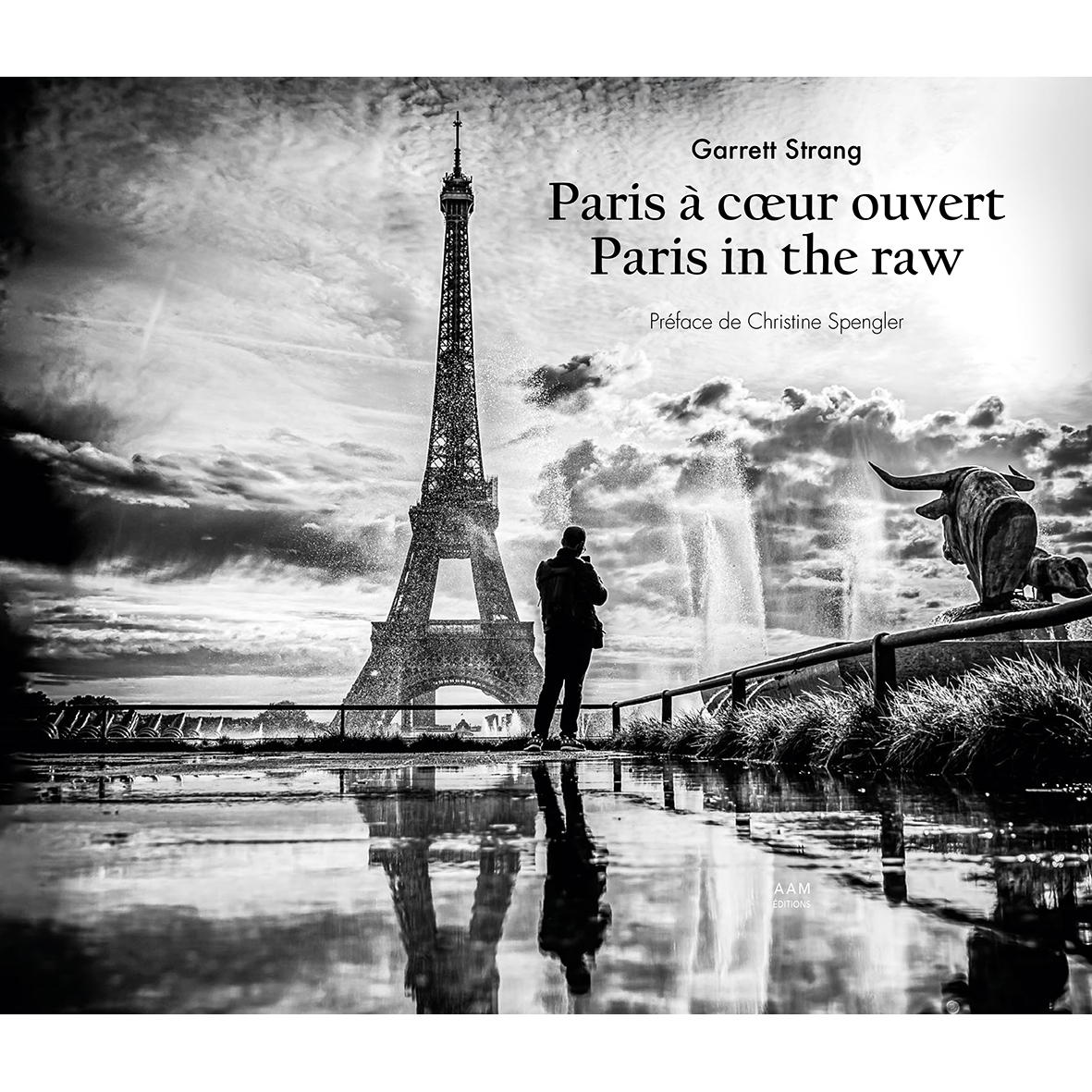
I am always amazed when an artist, any artist, can take an idea that has been approached 1000 over 1000 times, and make it fresh, make it new, and bring to me something I believe I know very, very well, and give it a shape and a form, in shadow and in texture, that strikes me as both absolutely true and absolutely original. These are my feelings about Paris à cœur ouvert: Paris in the Raw by Garrett Strang.
If you think about it, any new photo book about Paris is a gargantuan risk. Street photography, more or less, was invented there. It’s easy for the work here to be trite, or cliché, or derivative, or sentimental, or—the list goes on. However, despite recent changes in law regarding street photography in France, and the resulting confusions, it remains a siren call for anyone who believes in spontaneous photography that gets at something deep.
This book is a joy.
I have the good fortune to know Paris relatively well. Certainly not as well as someone who lives there, certainly not as well as somebody who frequents more often than I do. But I’ve been there more than a few times, sometimes with obligations that pull me away from photography, sometimes with no other obligation than to the camera in my hand. So when I saw that there was a new photo book about Paris, I will admit one of my first reactions was a fear that it would be competent and perhaps even good, but also old news. Nothing could be farther than the case with this book.
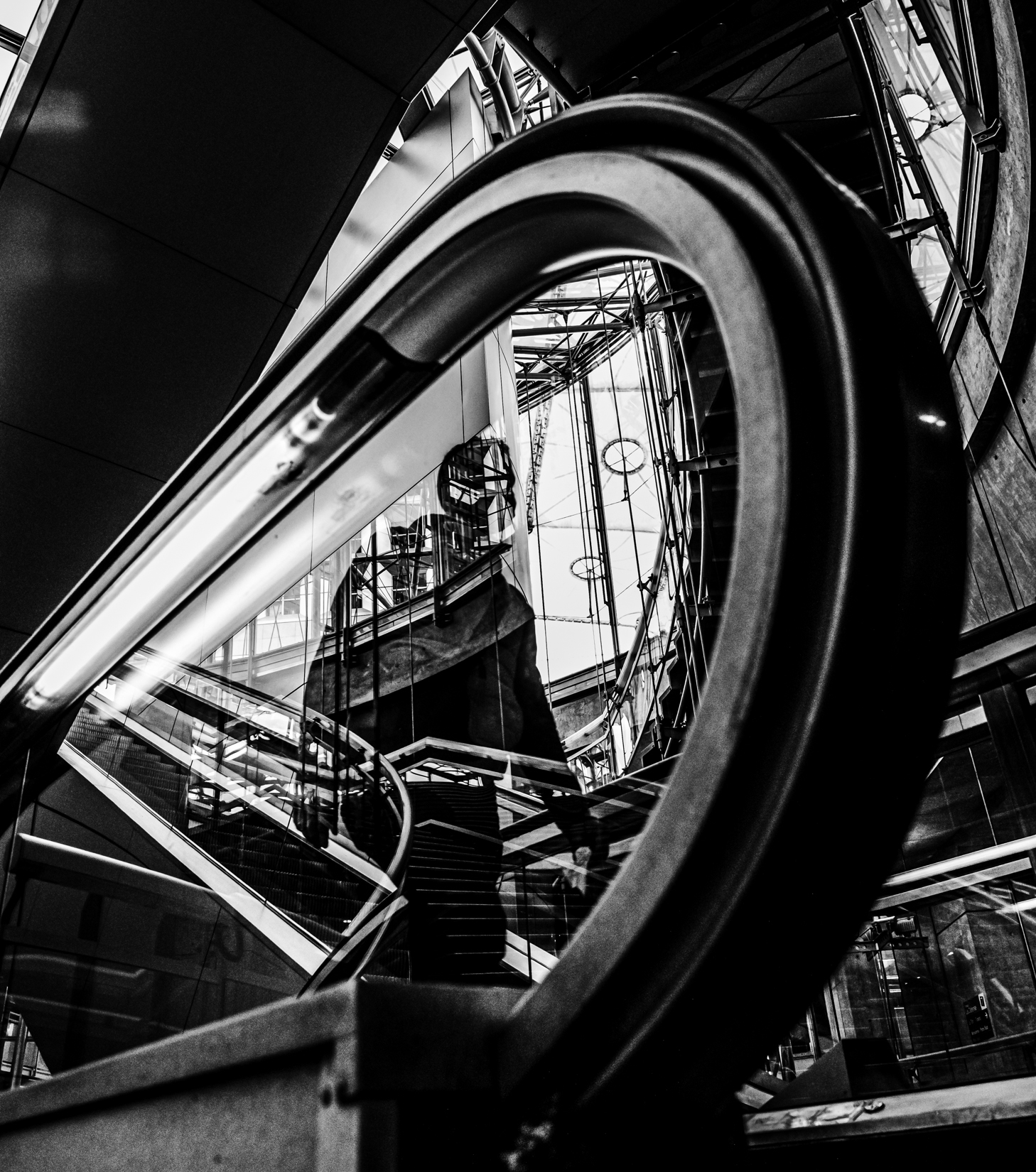
In a Preface by photographer Christine Spengler, she writes,
It’s a virtually timeless vision of our capital, in which Garrett has captured…a Paris populated by lovers, children, white-collar workers and the homeless, who look the photographer straight in the eye, in total confidence. Garrett is a character brimming with empathy.
This empathy, although there’s no dial for it on a camera, is one of the things, evident on every page, that makes this book extraordinary.
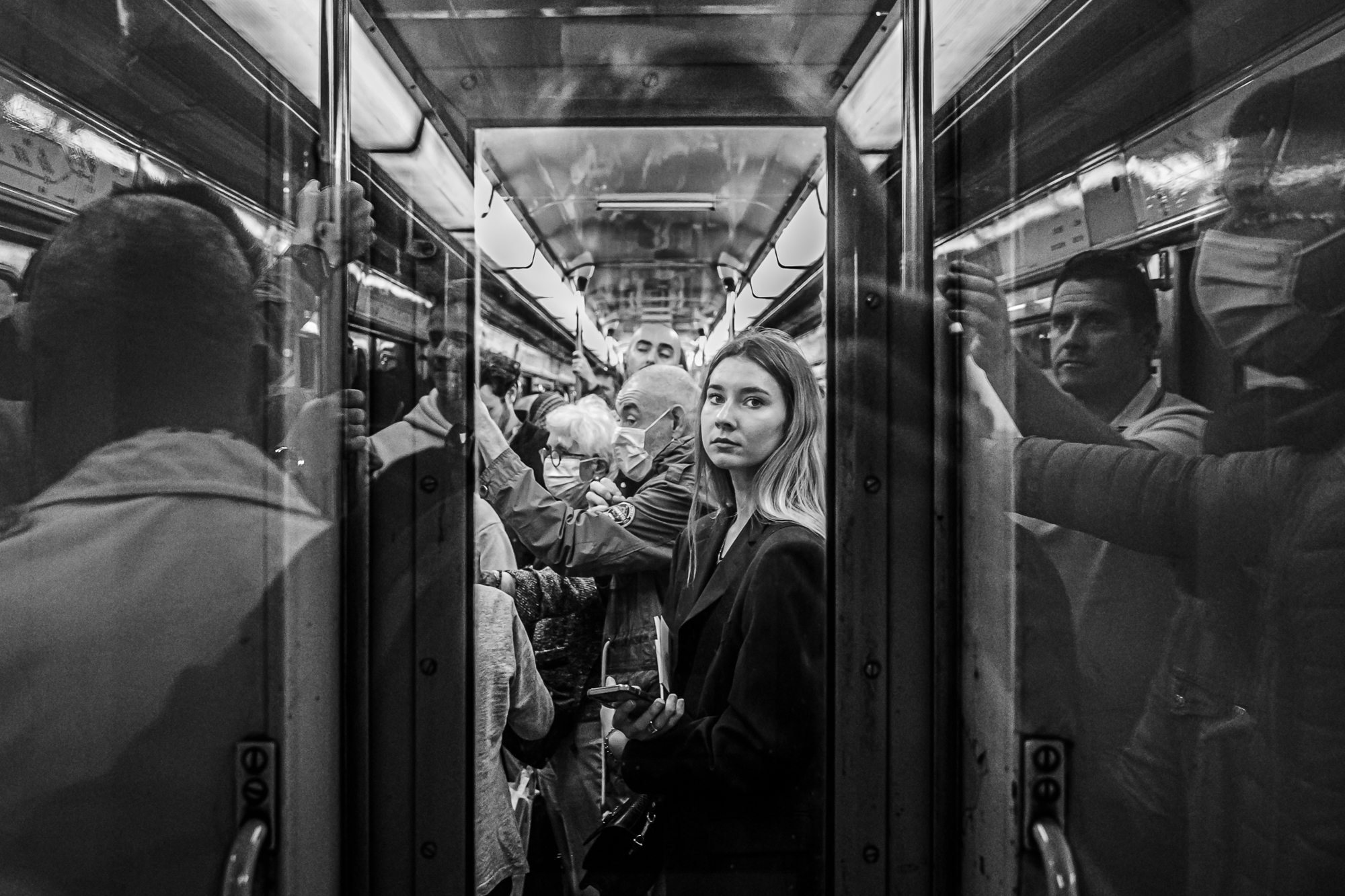
In a brief bit of introductory text by Frédéric Contri, called “A Paris More Alive Than Ever,” he writes,
Garrett Strang loves people, all people, especially those who—like him in some ways—are “on the edge”: integrated but foreigners, off beat but here, on the edge but there, normal and abnormal, extraordinary and unknown, unless you look at them with a camera…
Even though he loves Paris, this city of light steeped in French history and tradition, a paradise for lovers, artists and old stones, a haven for aristocrats and the nouveau riche of all stripes, this is not the Paris he wants to take us to. This is not a Paris of glitter, staged to make us dream or to awaken stereotypes, but a realistic, frank Paris, in black and white and full of sharp contrasts. This is Paris on the other side of the Grand Boulevards, in the hidden side of the Opéra and its costumes. A more contemporary and alive Paris than ever…
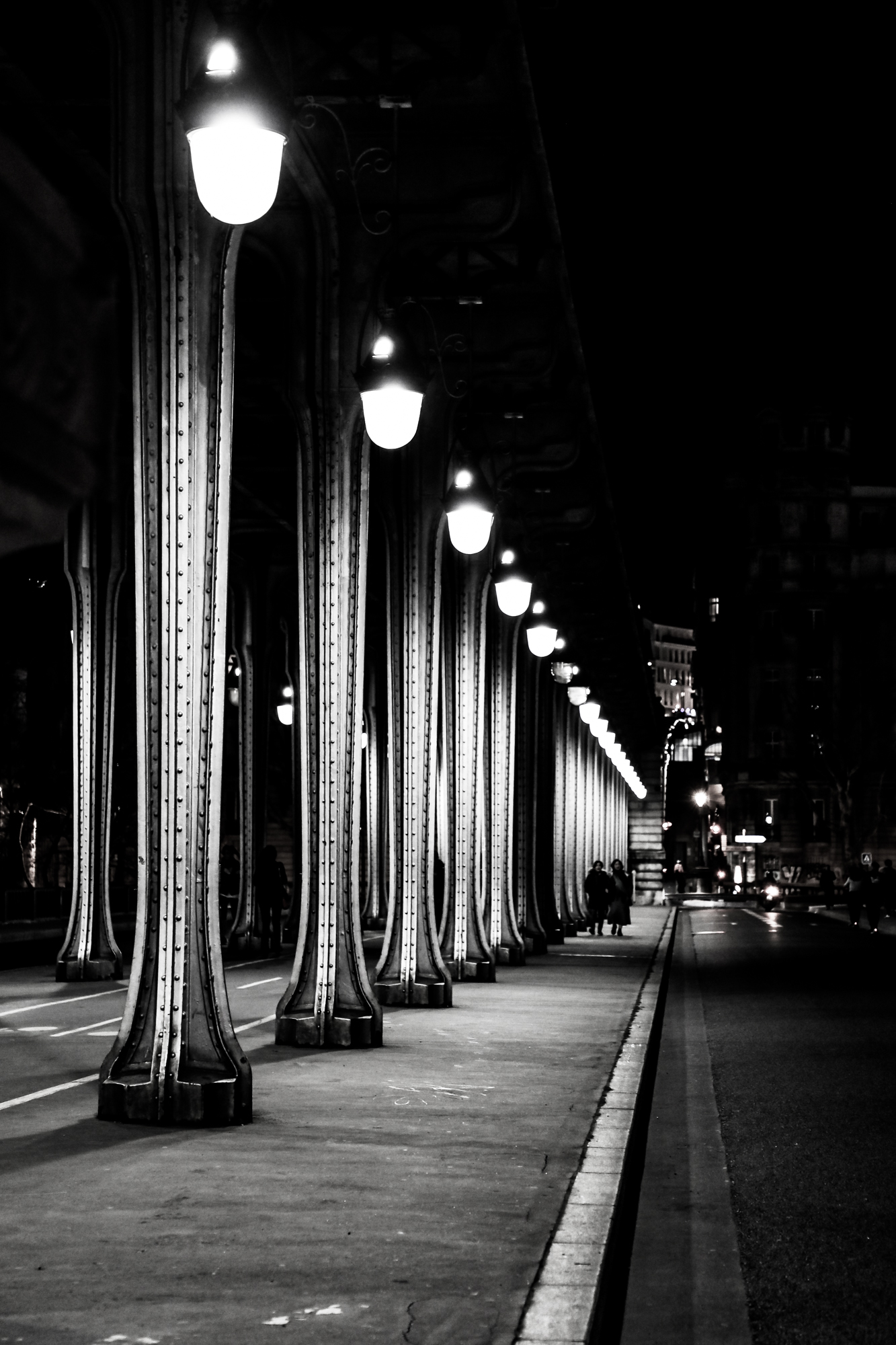
In his own introduction, Strang writes,
I have always been fascinated by the magnetic, seductive and momentum of the city…Capturing and composing an image gives me the sensation of being in an intensely present moment. I love the immediacy of photography, its quiet sense of order drawn from the chaos of reality. There is an honesty in the raw moment that can be captured and shared with spontaneity and presence.
Garrett Strang’s work is insightful and sharp. While I don’t know what kind of gear he uses, the images are astounding in their clarity. There is a precision to his exposures and I find myself marveling at and admiring the exposures. While the work is all black and white, and has the accompanying timelessness and metaphoric quality that the black and white offers by definition, technical clarity and tonality are not what make these images special.
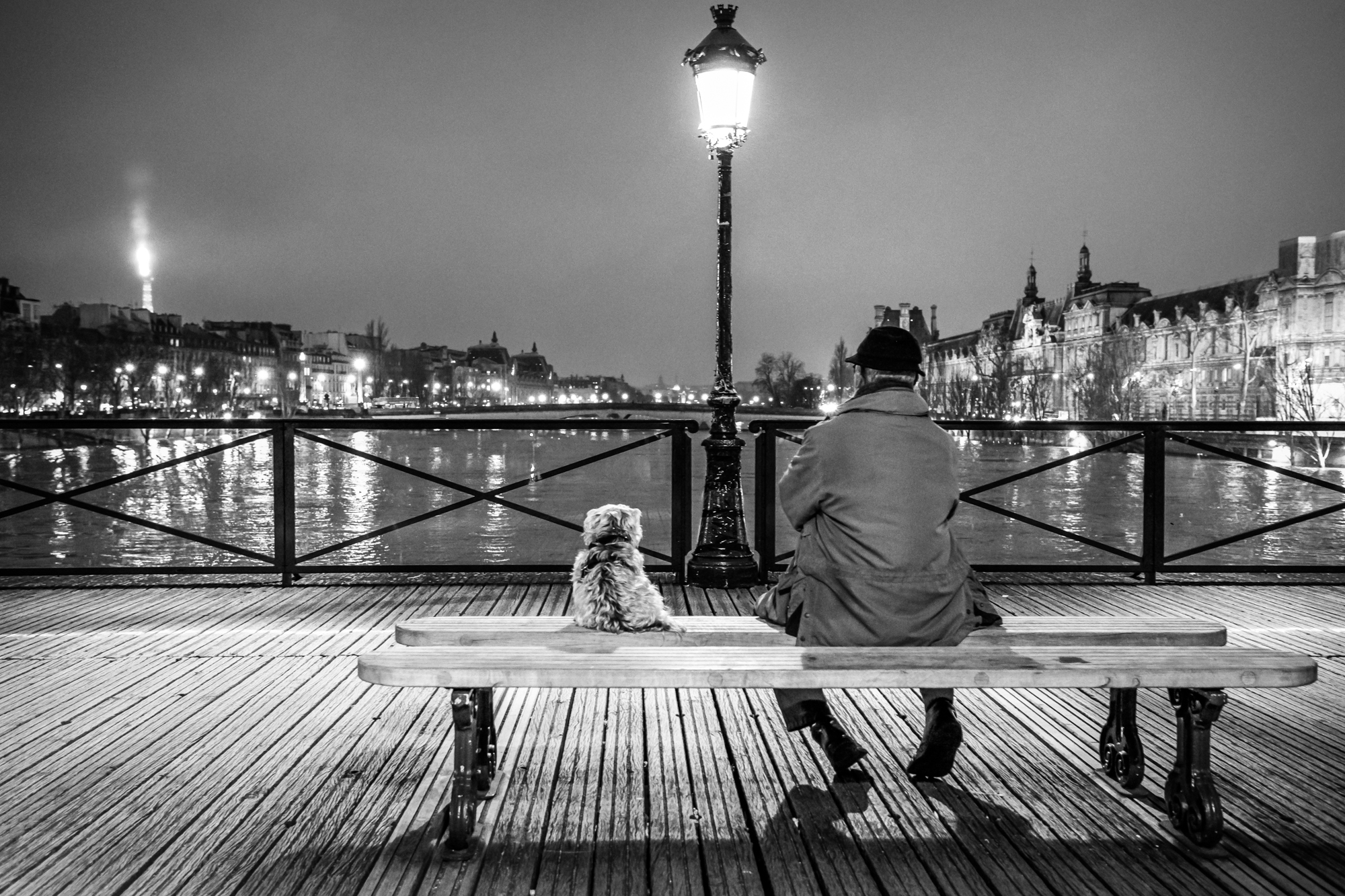
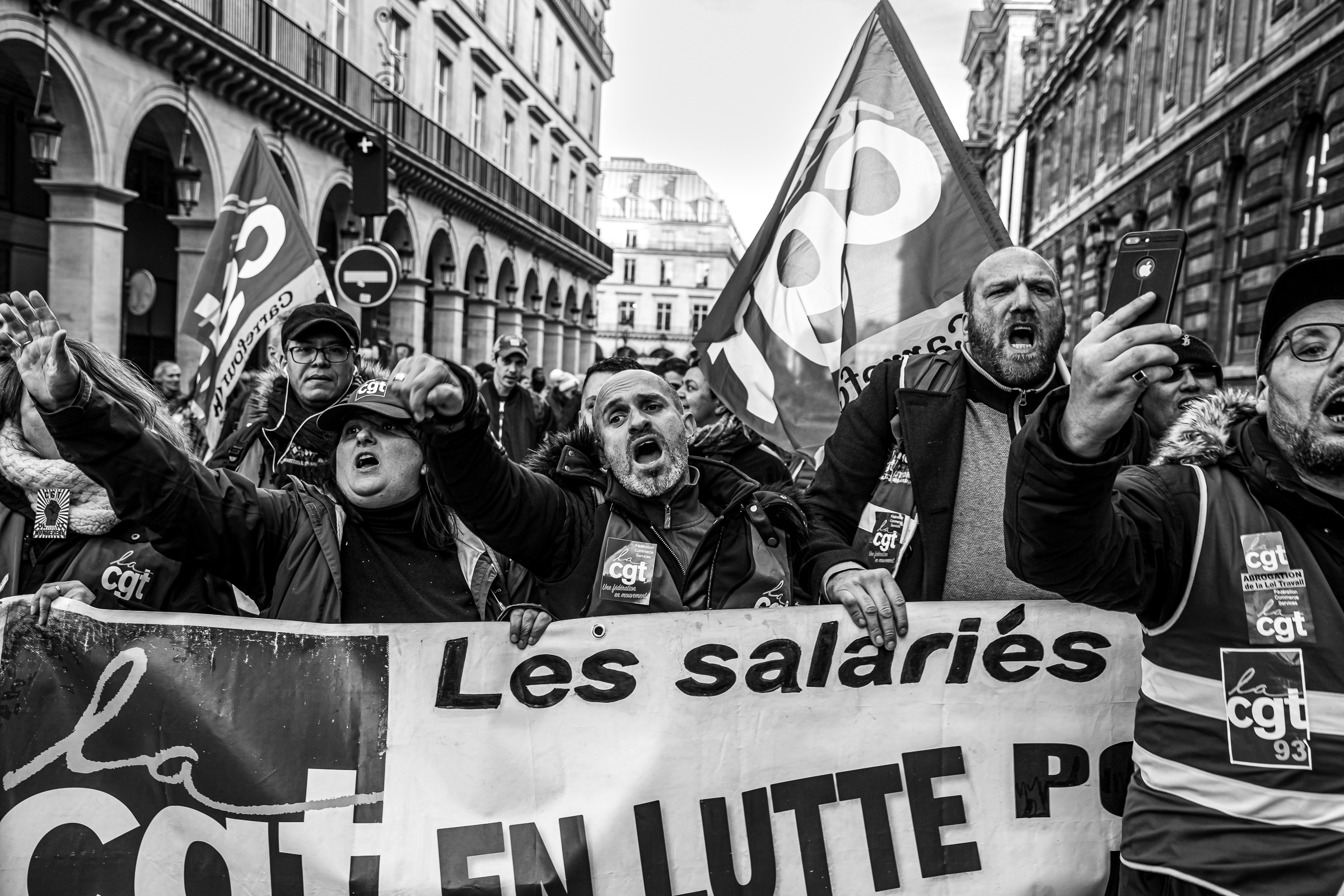
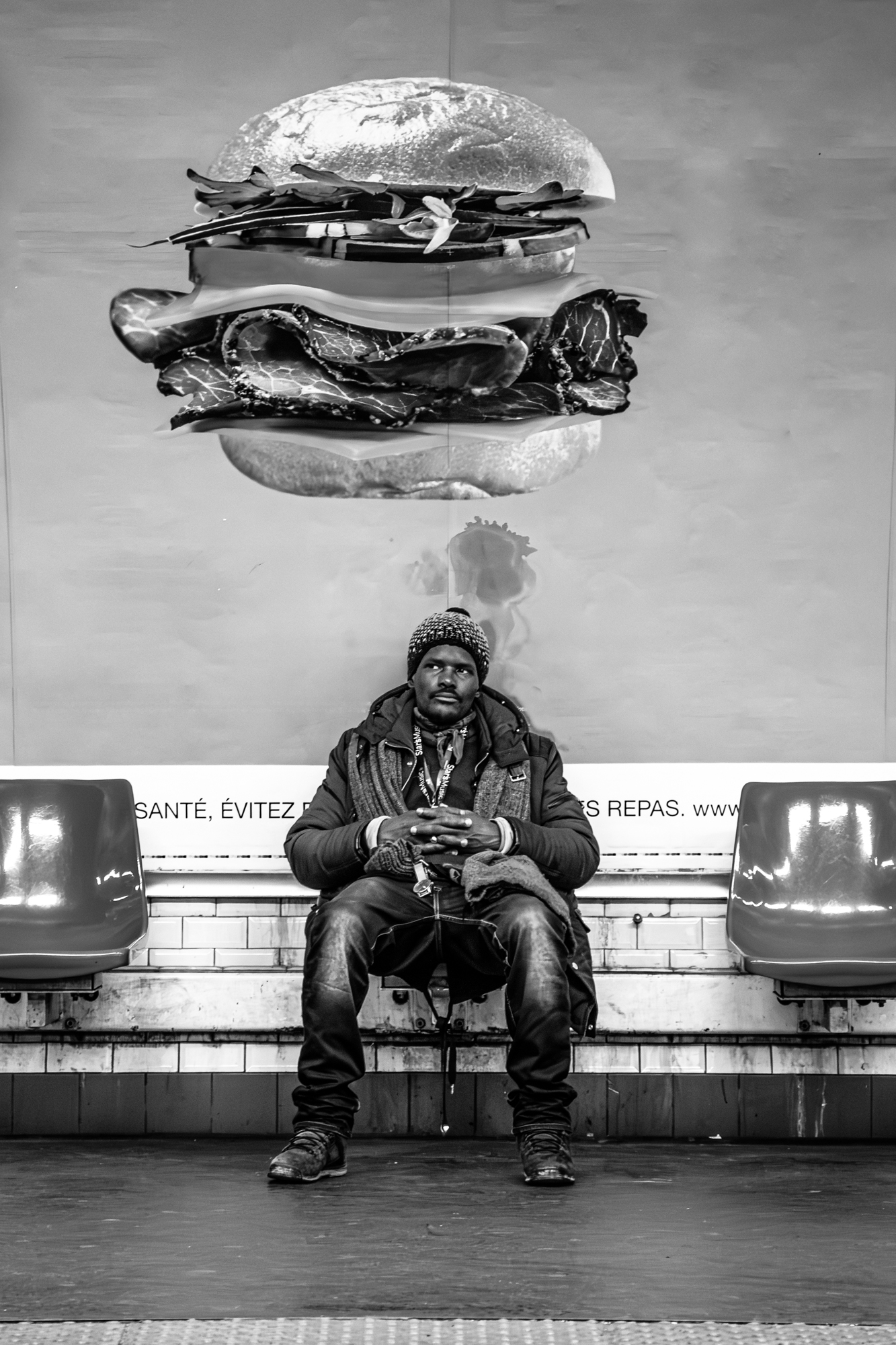
There is a kinetic energy throughout this book. There is a sense of vibrancy and life. His subjects are never static. While there are a great many portraits, they are street portraits. It’s clear the subject knows their picture is being taken and they have posed, or at least paused, for the camera, but nothing about these portraits seems studio-stale. They are moments of focus interrupting an otherwise routine (or not) walk down the sidewalk.
A great many more of the images here are the kind of candid, serendipitous, spur of the moment, mid-action capture which has defined and made many of us love street photography. To catch something in process and to freeze it for 1/250 of a second allows us to examine not only the moment but the currents that have combined to make this moment alive.
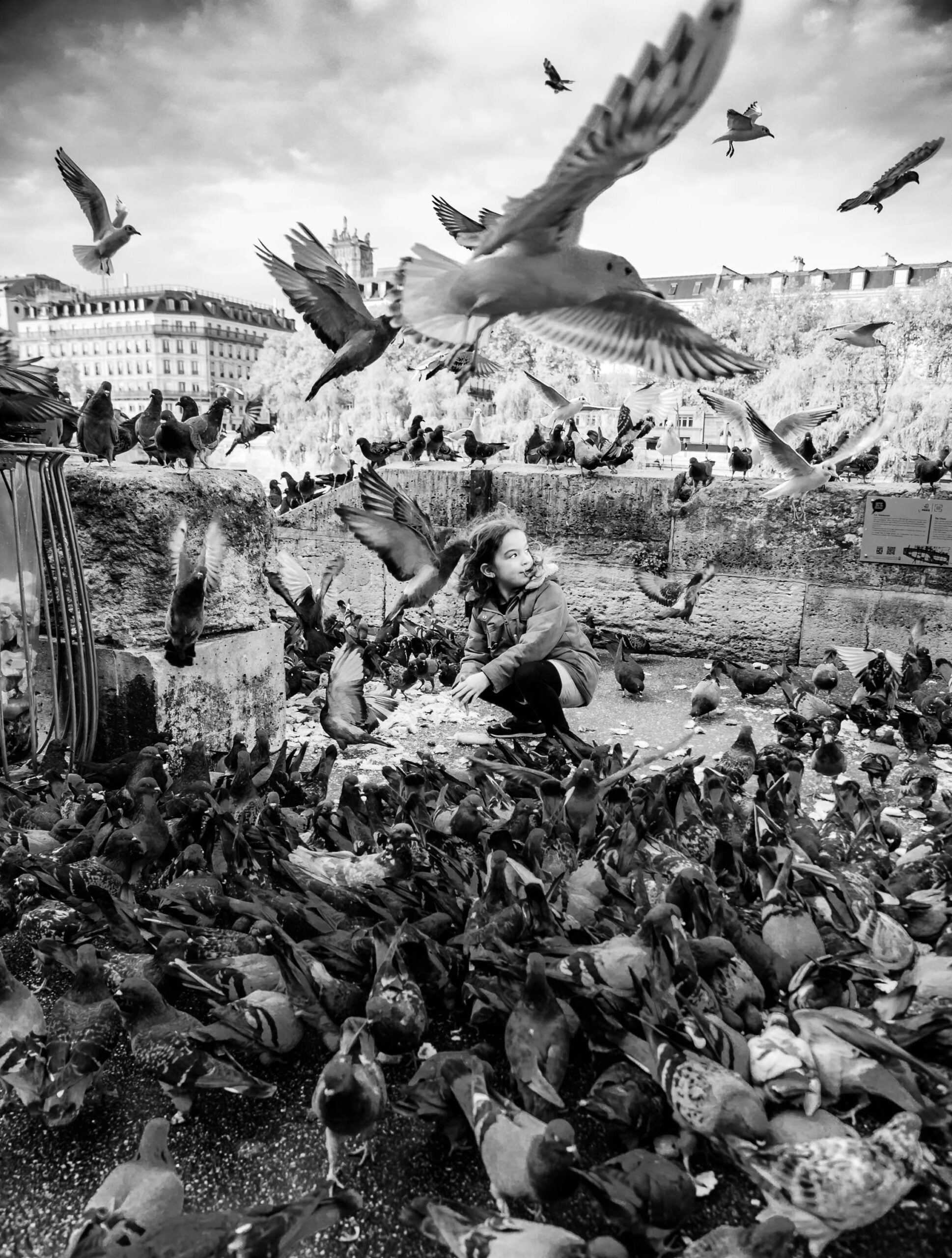
There are a lot of low angle shots in this book. There are a lot of shots of dancers, of dancing, lots of puddle reflections, flag wavings, musicians, children at play, gymnastics, protests, lovers, compositions based on form and leading lines, compositions based on both rest and flight. The book never rests on just one approach or subject. And it does not feel random, either.
There is perhaps the Paris that tourists see, and there is perhaps the Paris that only Parisians see. This book would be much closer to the second. Not so much in subject as in way of looking. That’s what holds it all together. While there are some architectural icons in the backgrounds of these shots, they are not the subject. The subjects here are the humans and the humanity of Paris.
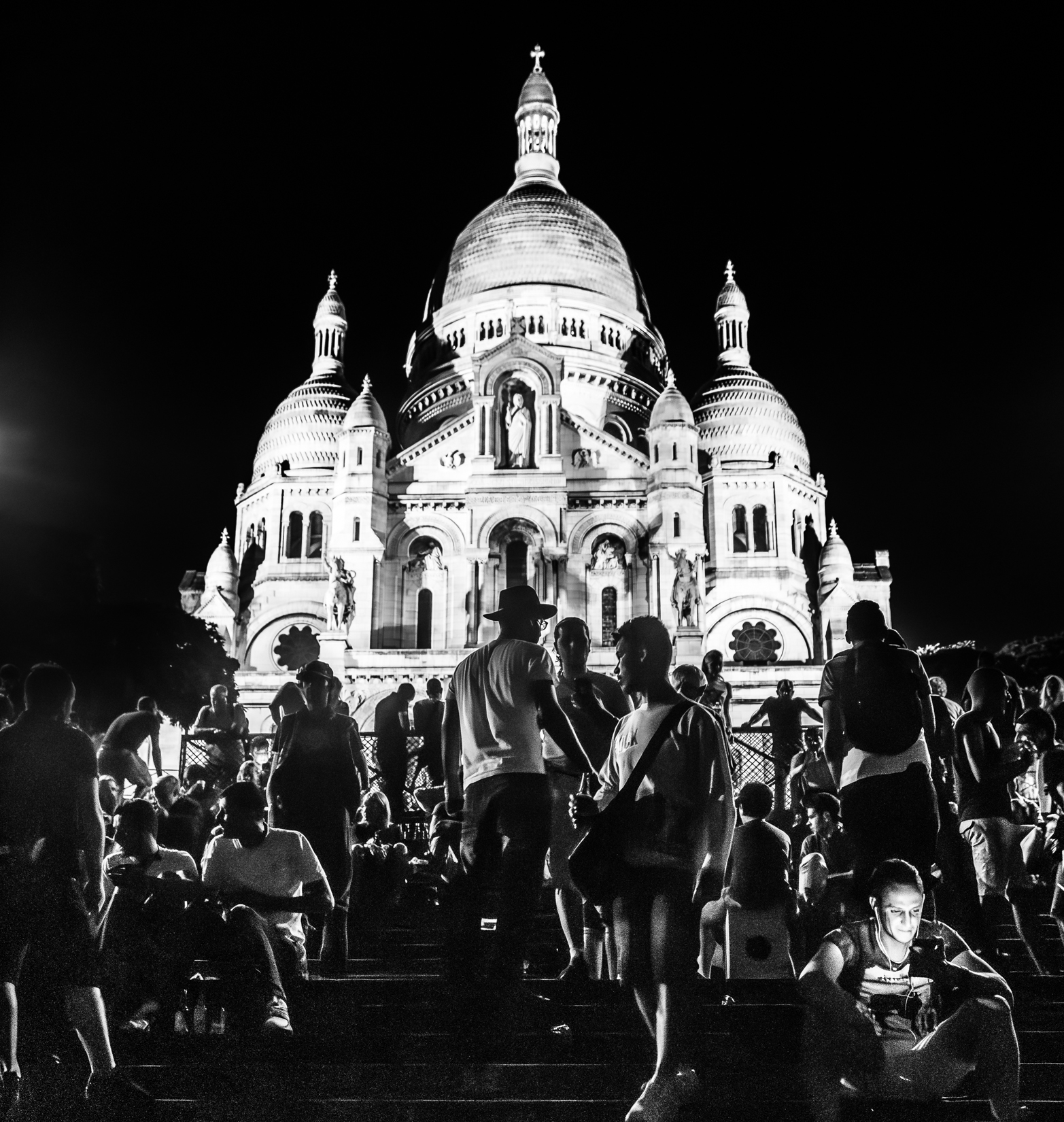
Perhaps it’s because I have some experience in this town, I admire this book as an insight to what I can only approach. My sometime in Paris is not enough time in Paris, and this book gives me a deeper level of seeing and understanding. It’s quite clear that Strang loves Paris. This book is a celebration of the people there and their energy. It is not an indictment, nor is it a gloss over. It is documentary. It’s observation. And it’s guided by what I believe is a sense of empathy for the integrity of those who call Paris home.
Street photography, at its very best, is an act of respect and love for people, their lives and their work. When I am done with this book, if I am ever done with this book, because I return to it often, I will know something a bit more real Paris, and about my own place on the planet as well.
The book can be purchased on Amazon.com and Amazon.fr.
GARRETT STRANG
A note from FRAMES: Please let us know if you have an upcoming or recently published photography book.

FRAMES is a unique international photography community that combines the best of all worlds, bringing you print and digital publications, a global membership platform, access to live events, and a dedicated mobile application.
EXPAND YOUR PHOTOGRAPHIC VISION
JOIN FRAMES TODAY