Let me begin with a comment about the size of a photo book.
Most books, the literary kind, are meant to be portable, to be carried in a book bag or in the hand, and they are meant to be read more or less in private. Not necessarily alone, of course. One can read a novel in a city park or on a crowded bus, but the transaction is private. The experience of language becoming an image in your head, of letters on a page becoming an emotion in the heart, is intimate and private.
“Vision of Paradise” by Jon Ortner
Published by Images Publishing Group, 2024
Review by W. Scott Olsen
There are a good many photobooks, however, which seem to be after something different. I’m thinking especially of the very large form books. They work with a different sensibility. These are meant not to be carried around or stuffed in a backpack. These are meant to be displayed on a coffee table or something similar. They are present in a room, even when no one has opened them, much like a piece of art on the wall. They influence the idea of the space.
When you open one, it is almost a ceremony. Opening a large photobook is not a mindless distraction. Something big is about to be revealed, if not unleashed. And, if there’s more than one person in the room, the opening of a photo book becomes a group dynamic. Oftentimes, somebody will sit next to the person thumbing the pages and share the viewing. An invitation is implicit in the act.
The very large photo book can be private if the viewer is alone, but more often than not, I would wager the very large photo book is more like a concert. It’s not necessarily triple forte, but it does fill the room.
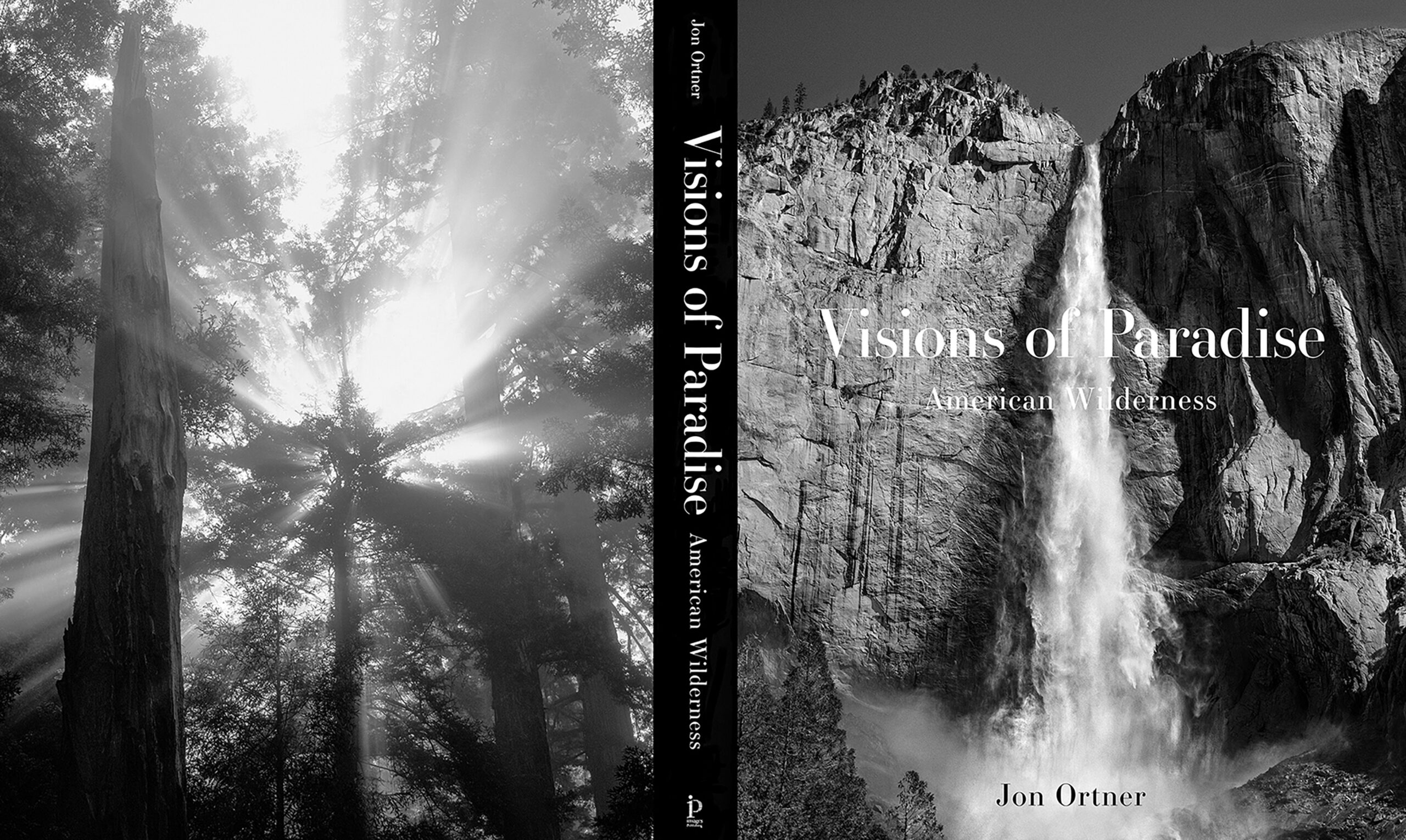
I’m thinking about this because I have on my desk, not in my lap, Visions of Paradise: American Wilderness, by Jon Ortner. Visions of Paradise is a large book. Not the largest photobook I’ve ever seen, but big and heavy enough. Opening it and turning the pages is an invitation to dream, to wonder, and to appreciate the very large emotional size of the natural landscapes in the United States.
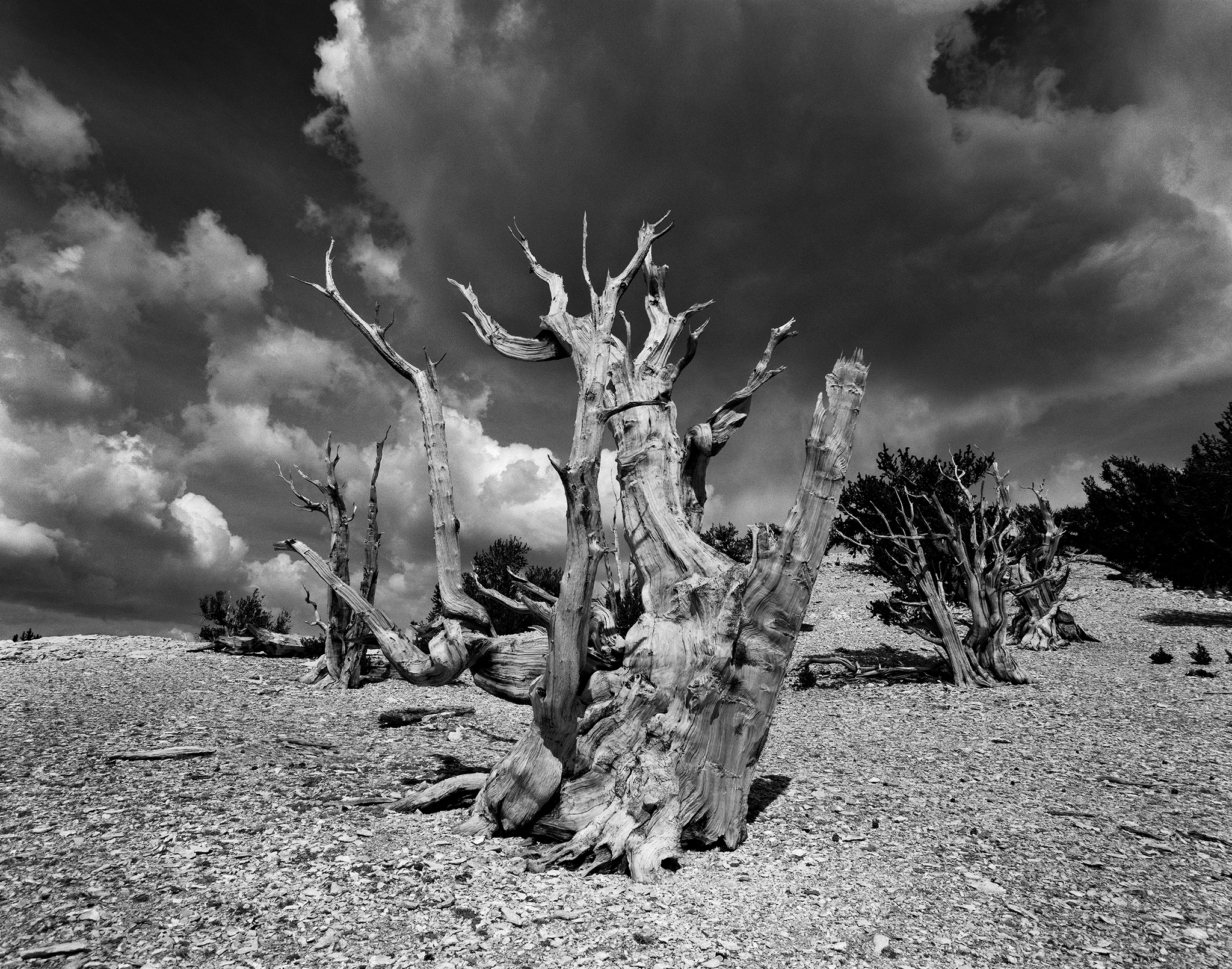
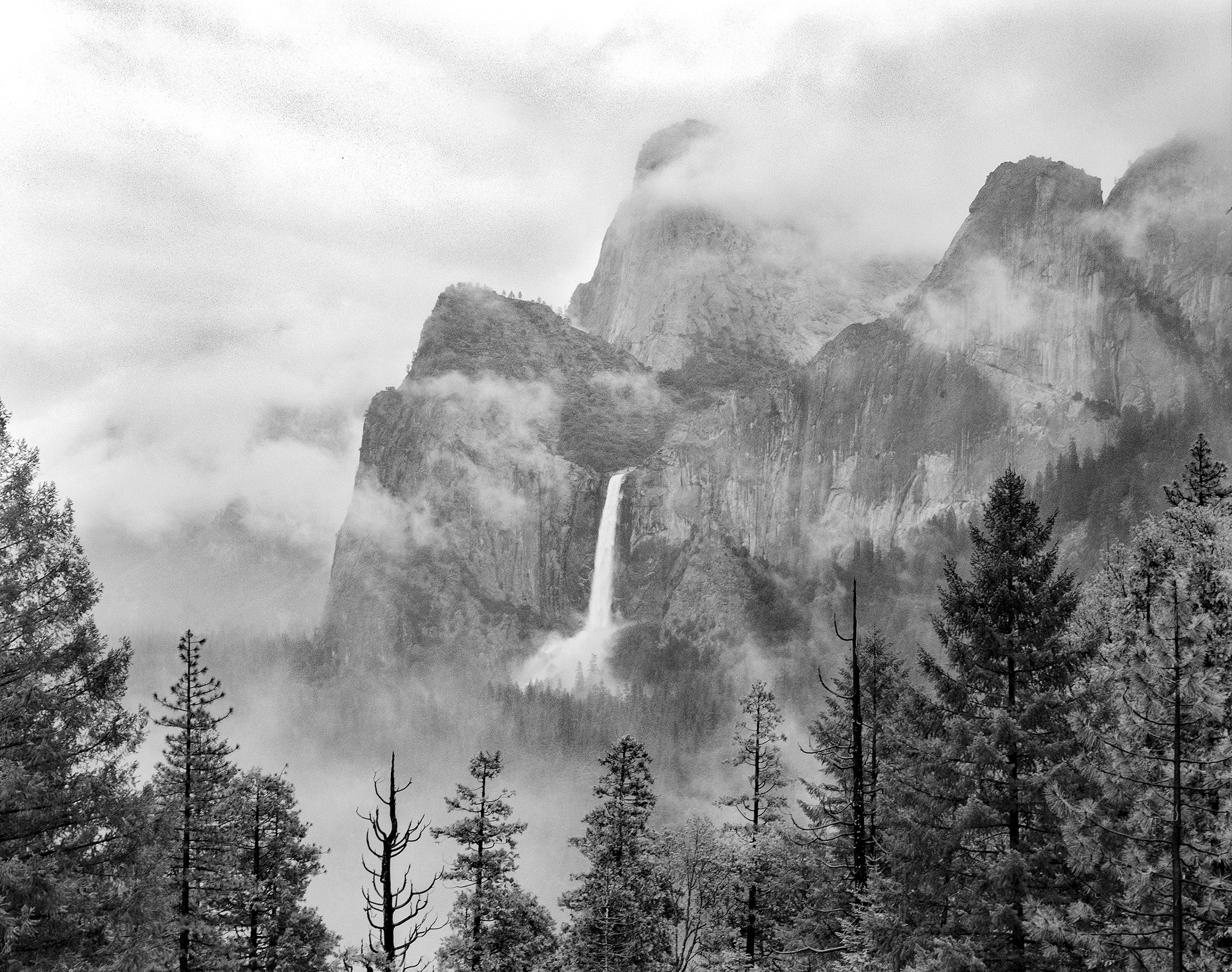
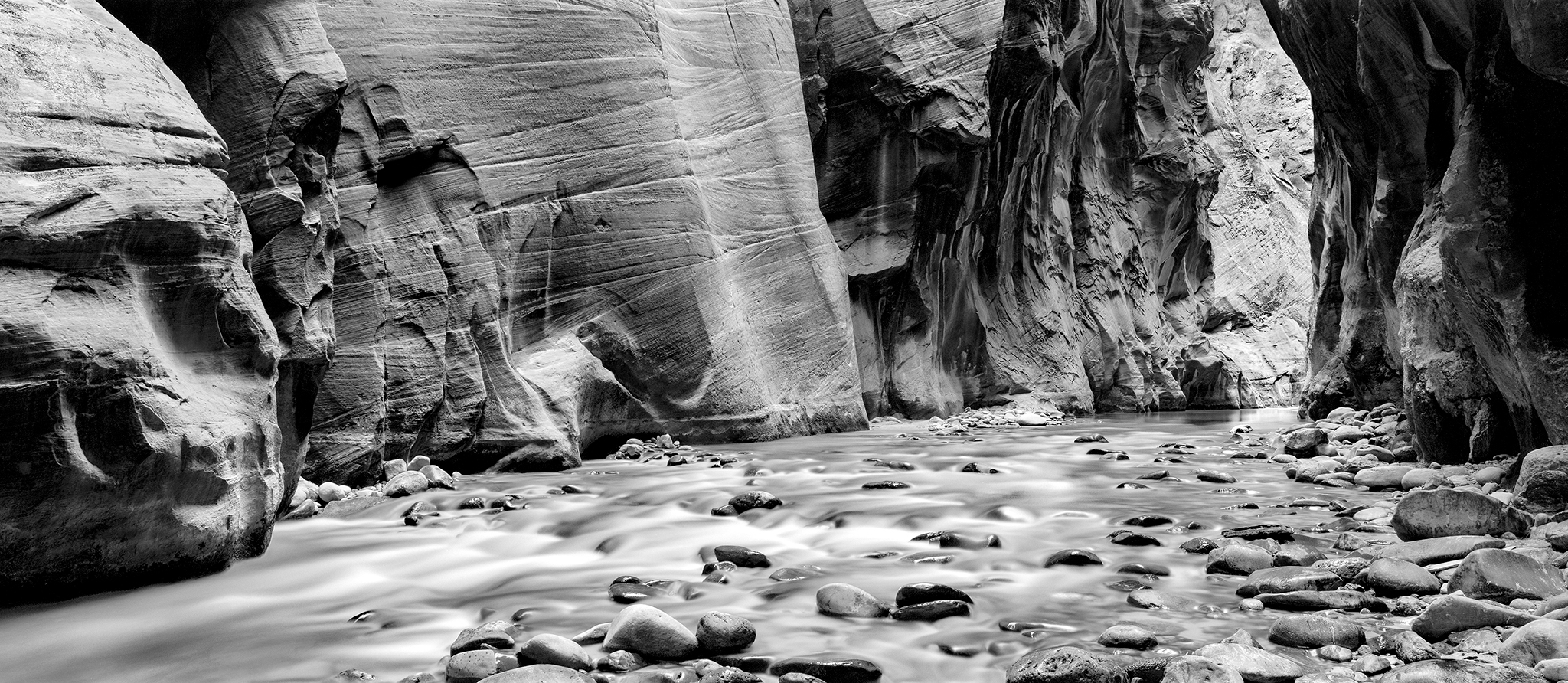
The two hundred images are all shot with a medium format camera, on film and in black and white, and the result is oftentimes breathtaking. They have that nostalgic feel which comes from black and white, and the visual, imaginative scope is huge—even when the composition might be tight on some detail. Landscape photography in black and white has always sought some type of deeper uncovering of how we relate to the physical earth—the beauty of lines and shapes, the evidence of geologic time, the deep-core connectedness we have—and Ortner’s film-based techniques add just enough softness to make the images intimate.
These images are more invitations to the heart than documentary. As Orner writes in his Introduction—
We seek refuge in these captivating places, including during times of upheaval and uncertainty. Our yearning to commune with the elements of land, sky, and water is primordial and powerful—a yearning faithfully fulfilled by nature’s ability to excite, thrill and nurture us.
We need only show up to be awed by imposing mountain ranges, stimulated by the raw power of gushing waterfalls and geysers, calmed and soothed by serene lakes and playful rivers, and inspired by stark, mysterious deserts. We bring cameras to memorialize the profundity of our experiences and to remind ourselves after we have re-entered everyday life that, for a time, we were “home.”
In a separate forward, Michael Ernest Sweet writes—
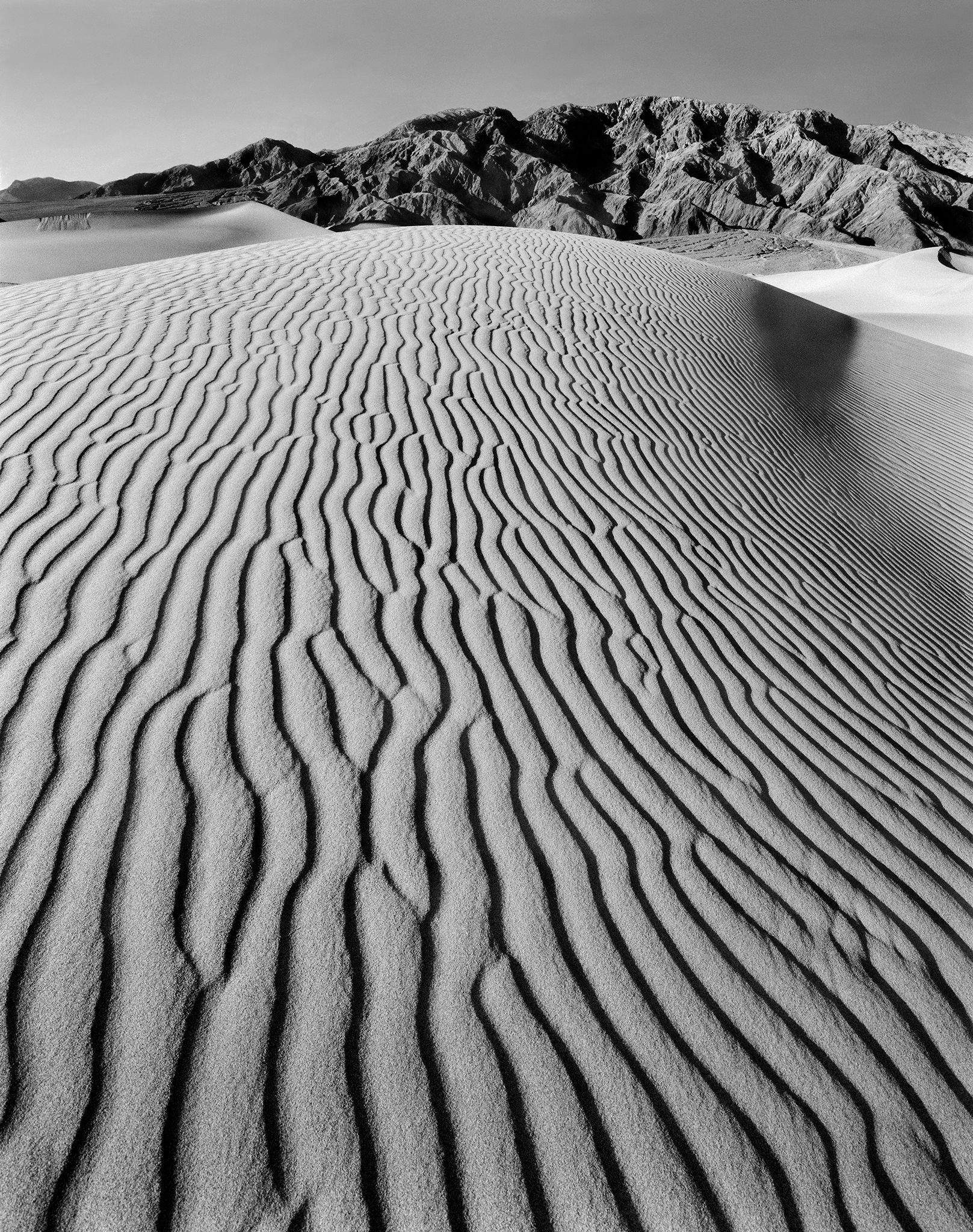
Ortner has an exceptional ability to transmute the raw materials of the natural world into mesmerizing abstractions. Whether he’s immortalizing towering rock monoliths, winding slot canyons, or expansive dune fields, his photographs cast a spell, weaving intricate patterns of light and shadow, lines and angles. Despite their departure from literal representation, these images evoke a primal response within us, a recognition of nature’s fingerprints that are ingrained in our hearts and minds—in our DNA. This distinctive and highly effective interplay between the abstract and the natural renders these photographs among the most compelling and significant in this collection. Viewing Ortner’s organic abstractions is an immensely gratifying and deeply contemplative—almost sacred—experience.
Ortner’s photographs are extraordinary and never cliché. From Yosemite to Yellowstone, a lot of what he’s photographed has been photographed by a great many other people, yet his images have the personal quality and artistic voice of the individual that is compelling with every turn of a page. Keep in mind the vocabulary of the title: Visions of Paradise. It’s not Visions of the Natural World or Visions of Outdoor stuff. It’s Visions of Paradise. That one word is a clear statement of his approach. This book is a celebration of joy and wonder.
From my own point of view, especially when I recognized his scenes having stood there once myself, I found myself enthralled by the new take and the new interpretation. Ortner’s work with light and shadow, with sharp detail and soft focus, with clarity and grain, puts his work and his vision solidly among the greats.
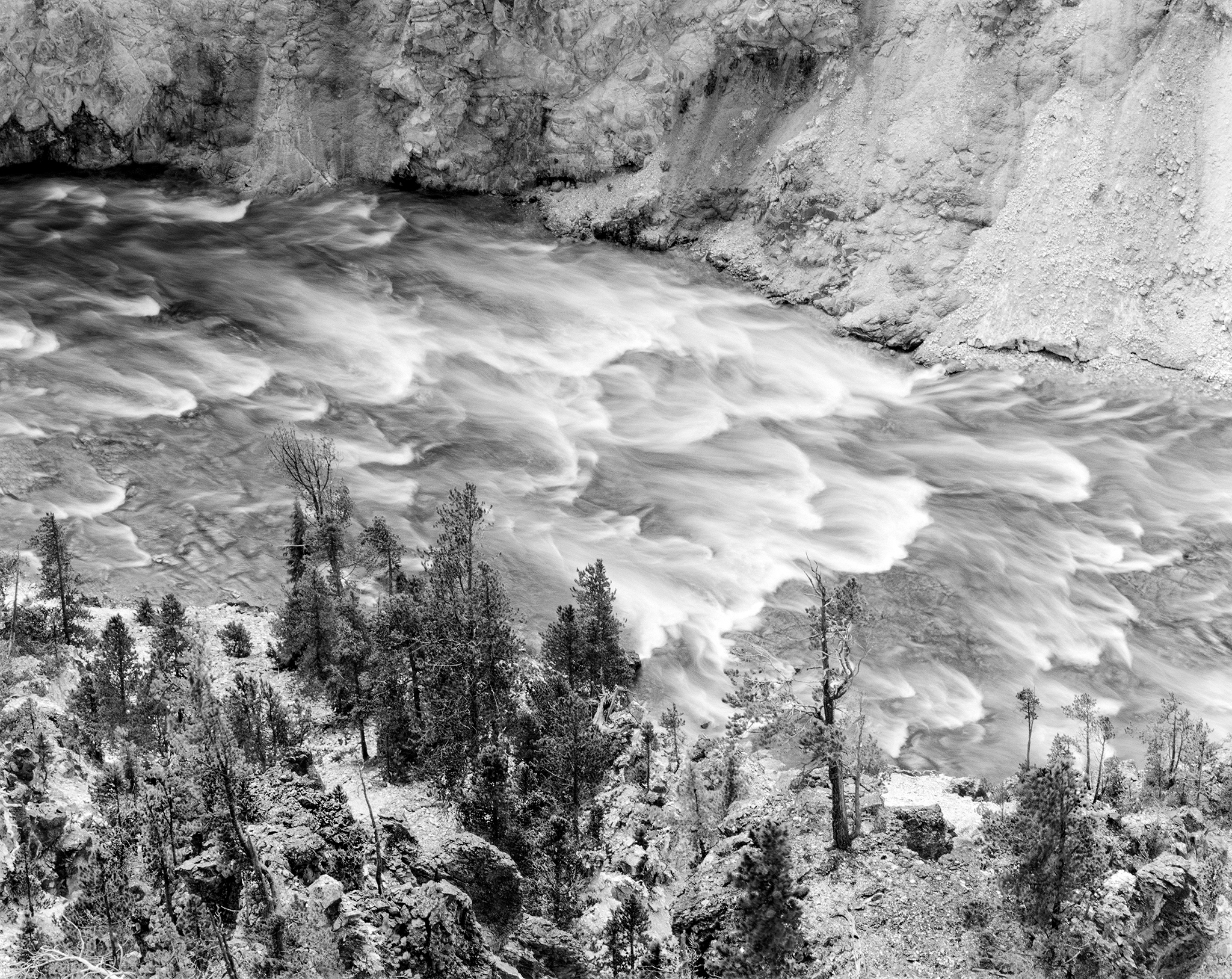
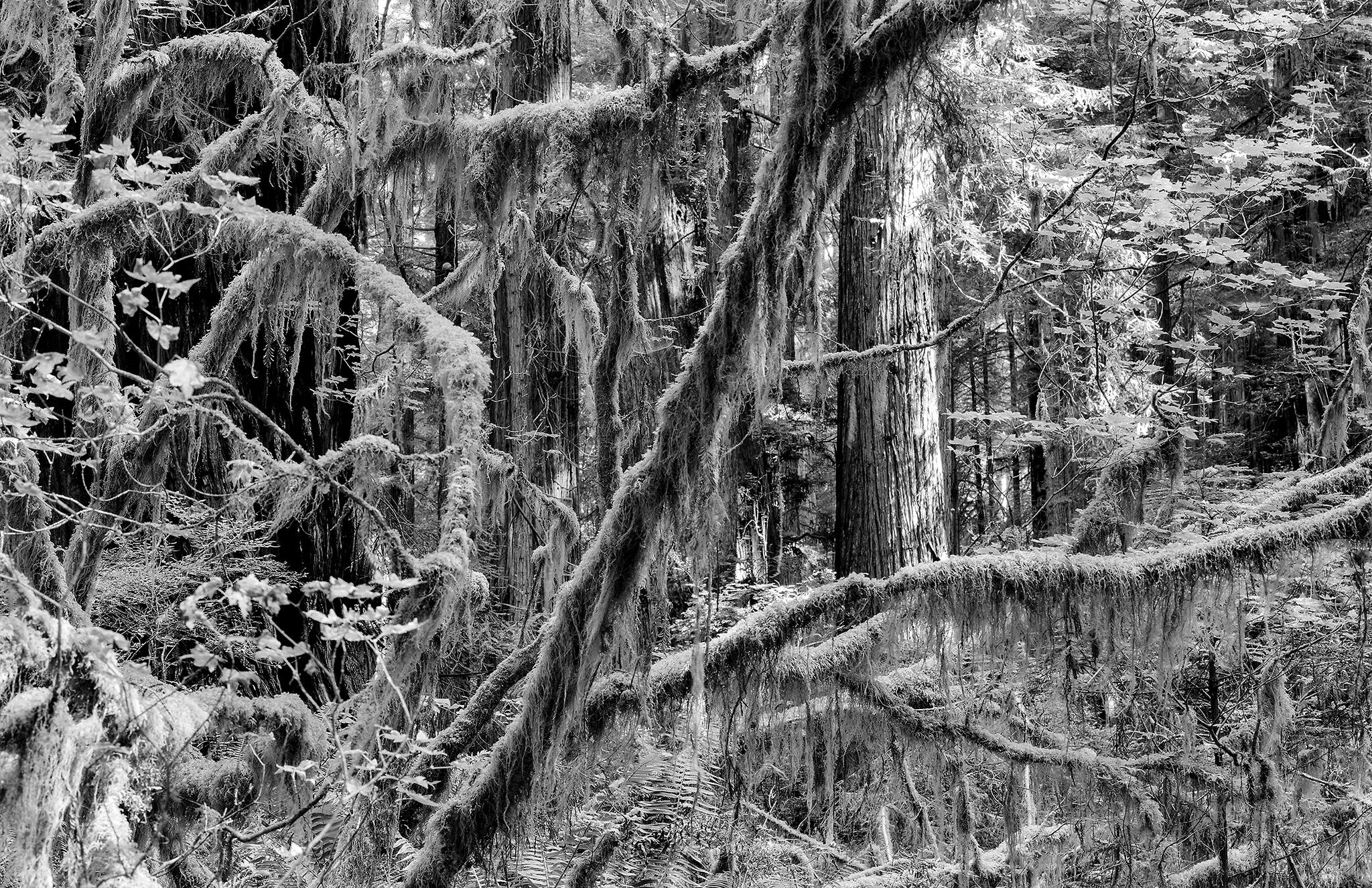
Visions of Paradise is divided into several sections: Yosemite; California Redwoods; Vermilion Cliffs; Glacier; Canyonlands and Monument Valley; Hudson Valley Mountains; Bryce and Zion; Death Valley and Inyo Bristlecones; Capitol Reef and Cedar Breaks; Yellowstone. And each section begins with a very brief description of the location’s place in the country. Sometimes Ortner includes his experience of getting there and setting up his work. But, after those very few words, the images are presented without fanfare or explanation. Remember—this is a big book. The images themselves, large and filled with visual drama, fill the imagination. (There is an index at the very end of the book with thumbnail images, place names, and locations for those who are interested.)
For me, at least, the experience of the book is less documentary place-centric and more emotion-centric. This book does not say “Look at Half Dome” as much as it says “Look at how Half Dome makes you feel.”
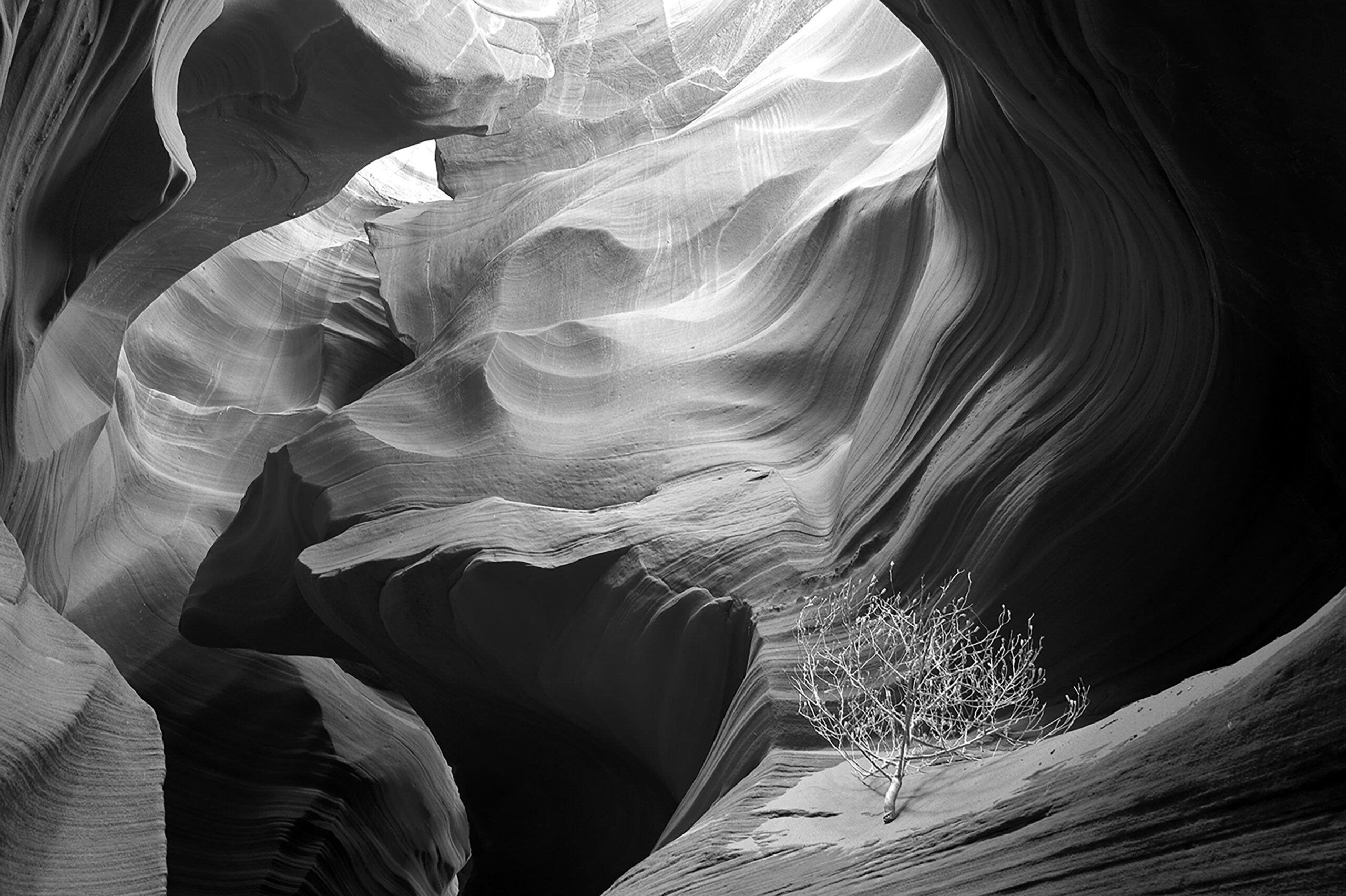
Because the book is very large, the images are very large. There are fold-out spreads as well. But when your subject exists on a gargantuan scale, the scale of this book is appropriate.
Turning the pages of this book as it rested on the table in front of me was an oddly wonderful public experience, even though I was alone. And then it dawned on me. Perhaps these images, images of paradise, at their size, are meant to act like Buddhist prayer flags. Each flag is imprinted with a prayer, and when the flag waves in the air, that prayer is released, simply to make the universe a better place. Perhaps these Visions of Paradise are prayers—not for something or to someone—but simply to make the world a better place.
A note from FRAMES: Please let us know if you have an upcoming or recently published photography book.

FRAMES is a unique international photography community that combines the best of all worlds, bringing you print and digital publications, a global membership platform, access to live events, and a dedicated mobile application.
EXPAND YOUR PHOTOGRAPHIC VISION
JOIN FRAMES TODAY