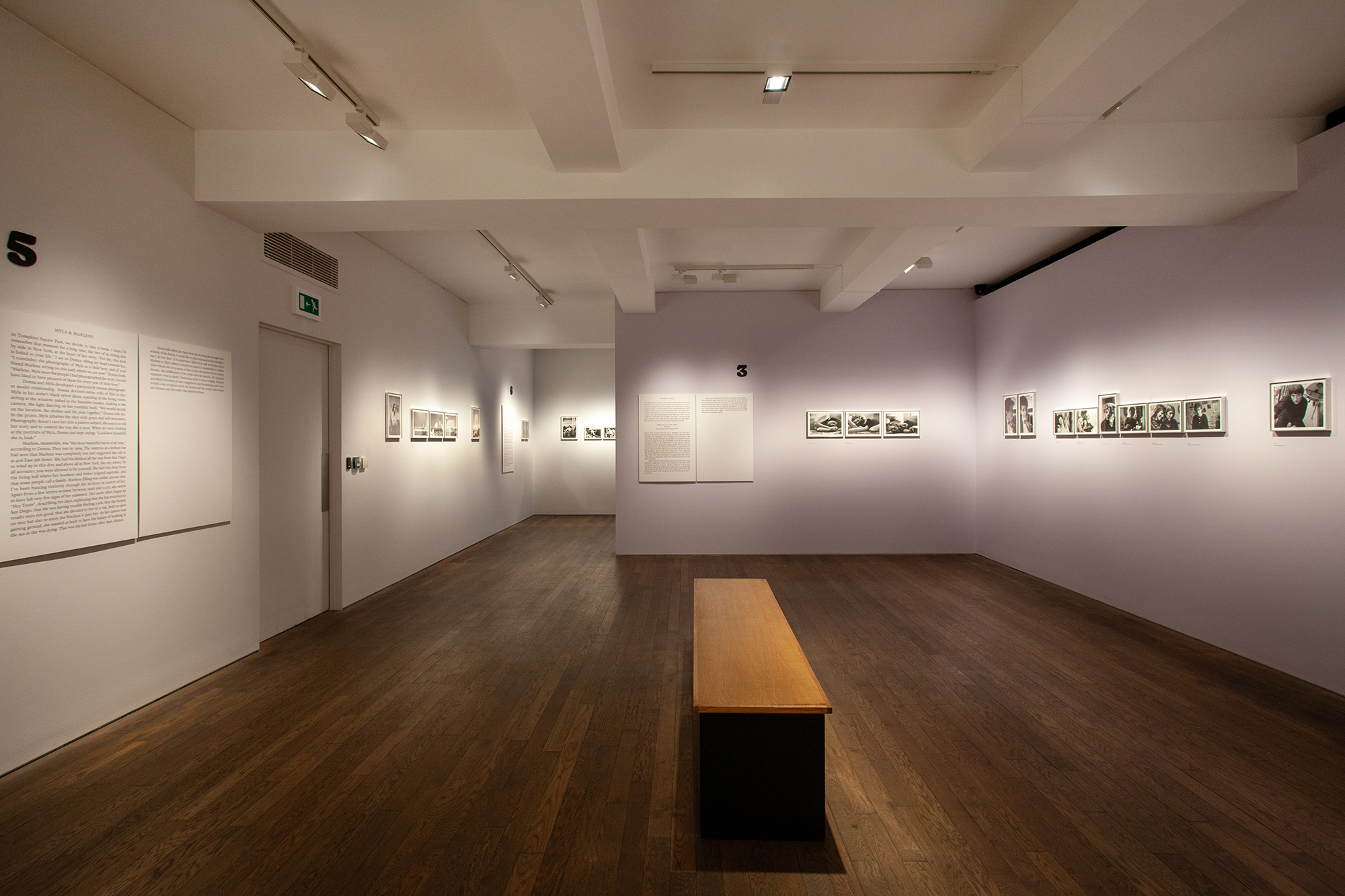
In her book On Photography (1977), the late American essayist Susan Sontag wrote that photographs are “a grammar, and even more importantly, an ethics of seeing.” These words lingered in my mind as I moved through the exhibition currently on view at the Photographers’ Gallery in London, titled We Others: Donna Gottschalk and Hélène Giannecchini, where photographs and text are closely intertwined to reveal the world Donna Gottschalk inhabited.
“We Others: Donna Gottschalk and Hélène Giannecchini”
An exhibition at the Photographers’ Gallery in London
Fri 06 Mar 2026 – Sun 07 Jun 2026
Review by Can Heilmaier
Gottschalk’s photographs are complemented by texts by the French writer Hélène Giannecchini, which provide important historical and personal context while highlighting an intergenerational dialogue between past and present. In one instance, Hélène describes standing in front of the building that Gottschalk moved into in 1967, on the edge of Alphabet City in New York. She tries to juxtapose Gottschalk’s photographs with contemporary Manhattan, but the city’s transformation highlights how much has been lost to time. Gottschalk’s photographs of vacant lots now seem like relics of the past.
The transient nature of the city is further underlined when Gottschalk points out a closed-down storefront to Hélène, the former site of her mother’s beauty parlour. A photograph of Gottschalk’s mother, placed next to the wall text, establishes a link between personal memory and visual record.
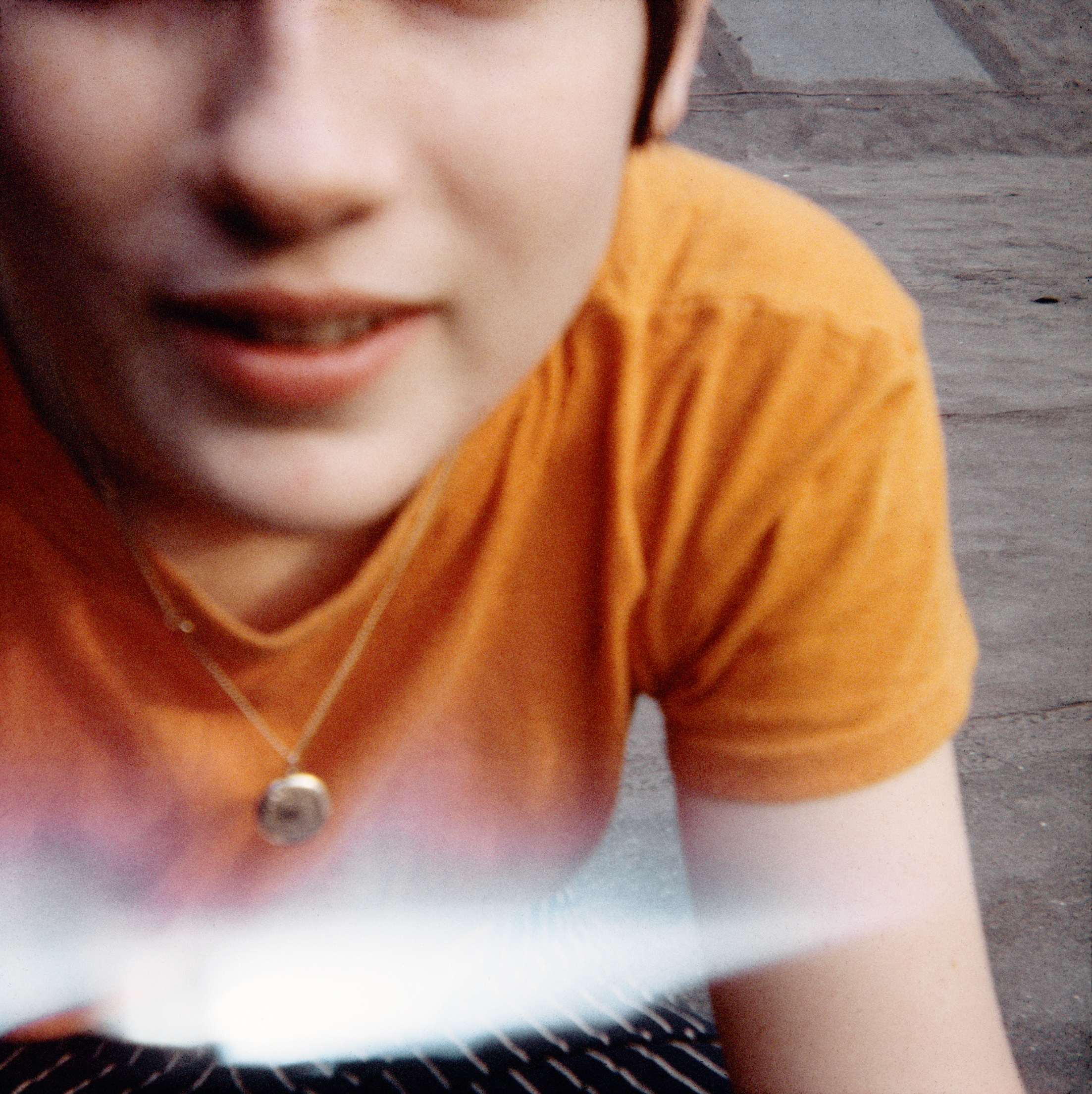
Gottschalk’s use of the camera as a tool for preserving memories shapes a large part of the exhibition. Born in 1949, Gottschalk spent much of her time on the streets of New York. At the age of 17, she picked up a camera, which soon became her way of seeing the world. She habitually documented the people around her and dedicated much of her time to capturing the lives of queer communities in 1970s New York. At a time when homophobia was rife, Gottschalk’s apartment on 9th Street turned into a haven for those needing a place to stay, including teenage runaways and queer youth ostracised by their families.
Fittingly, one small segment of the exhibition, titled Baby Dykes, is dedicated to this era of her life. In it, we see a 20-year-old Gottschalk gazing earnestly into the camera next to her friends Chris, Oak, and Binky. They are gathered on a rooftop with cigarettes in hand and embody the self-proclaimed label of “baby dykes” with a kind of youthful pride. The black-and-white photograph captures the sentiment expressed in the wall text: “They tell lies to their families and create spaces where they can be free. Friendship is one of those spaces.”
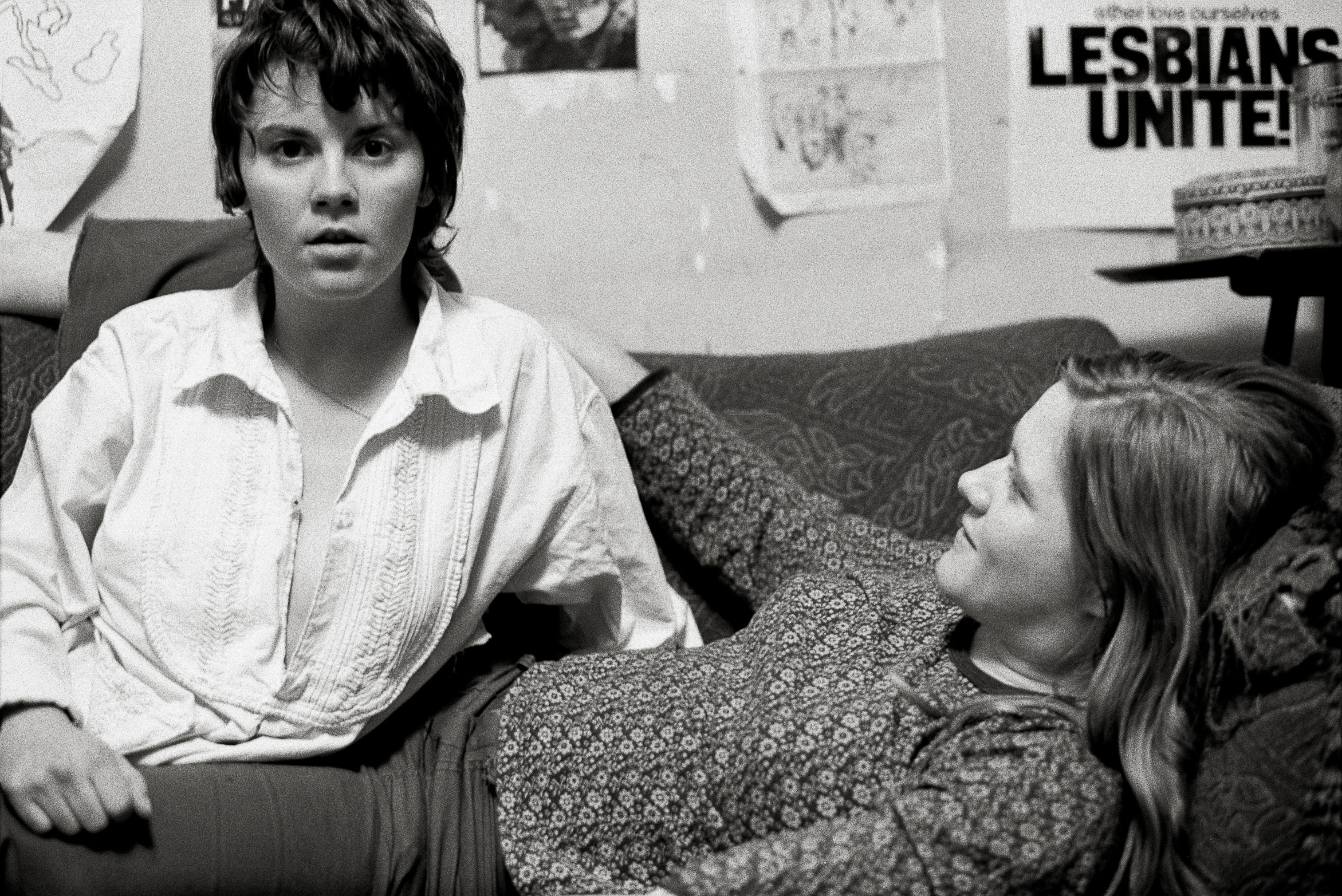
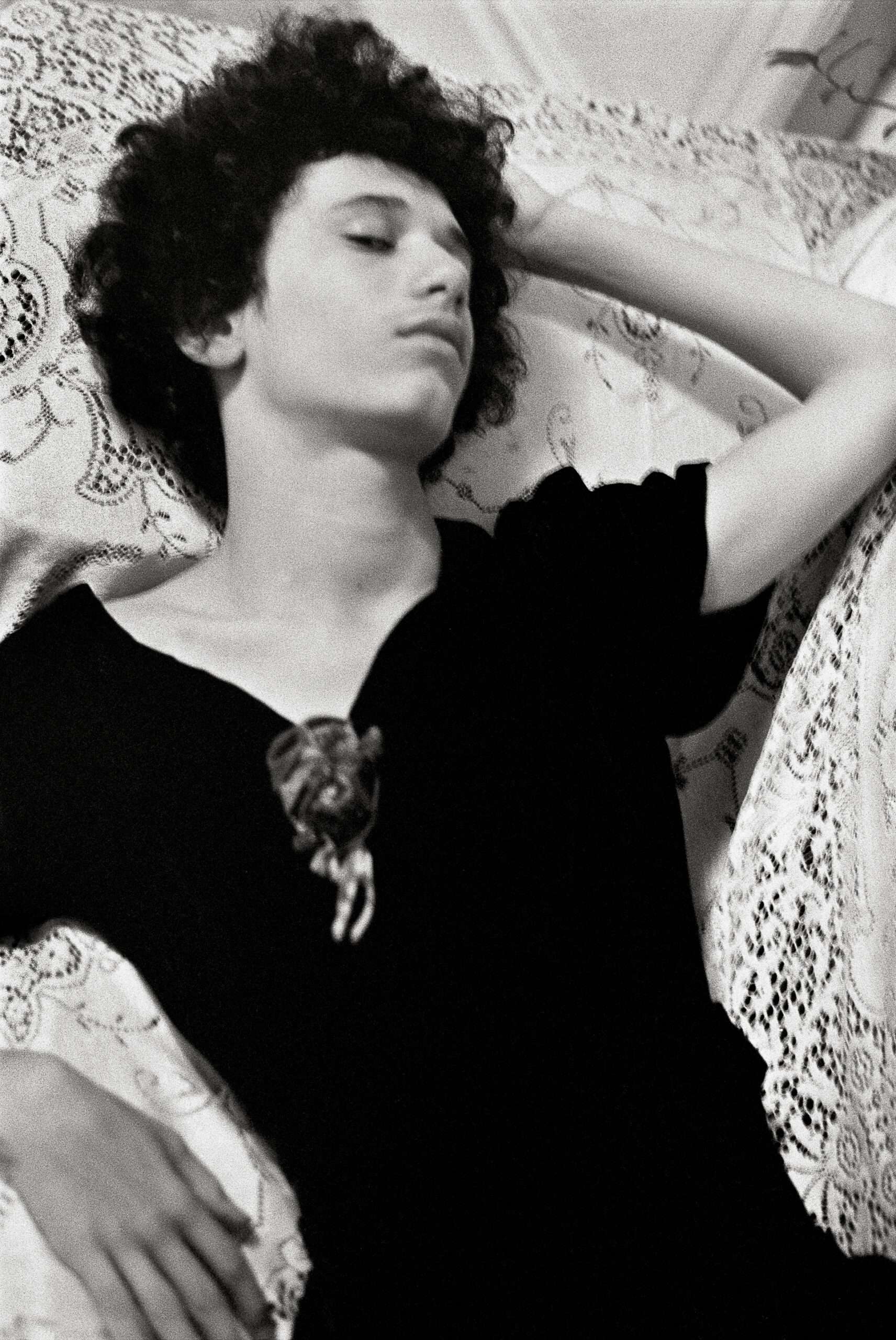
This sentiment of close friendship serves as the foundation for the story of Marlene, a girlfriend of Gottschalk’s and, as she describes, “the most beautiful butch of all time.” Photographs of Marlene appear frequently throughout the exhibition. The accompanying text reveals that Marlene had hitchhiked all the way from San Diego to New York City to escape the terror she’d endured at the hands of her father. Gottschalk and Marlene quickly forged a bond grounded in mutual understanding. In a black-and-white photograph titled Marlene, she is resting her head in her hand as she reclines on a mattress. She is facing the camera directly. Her expression feels both contemplative and vulnerable, and I cannot help but wonder how much of her story has been lost to time.
A sense of absence is a recurring theme in the photographs. While Gottschalk’s lens captures Marlene’s presence with such warmth, there is a silence surrounding the specifics of her life after these photographs were taken. We’re told that Marlene likely passed away from cancer. In every sense, Marlene’s story is emblematic of a common dilemma in queer female history, especially for those who are young and displaced; their stories are preserved only in fragments and, on rare occasions, follow a linear trajectory.
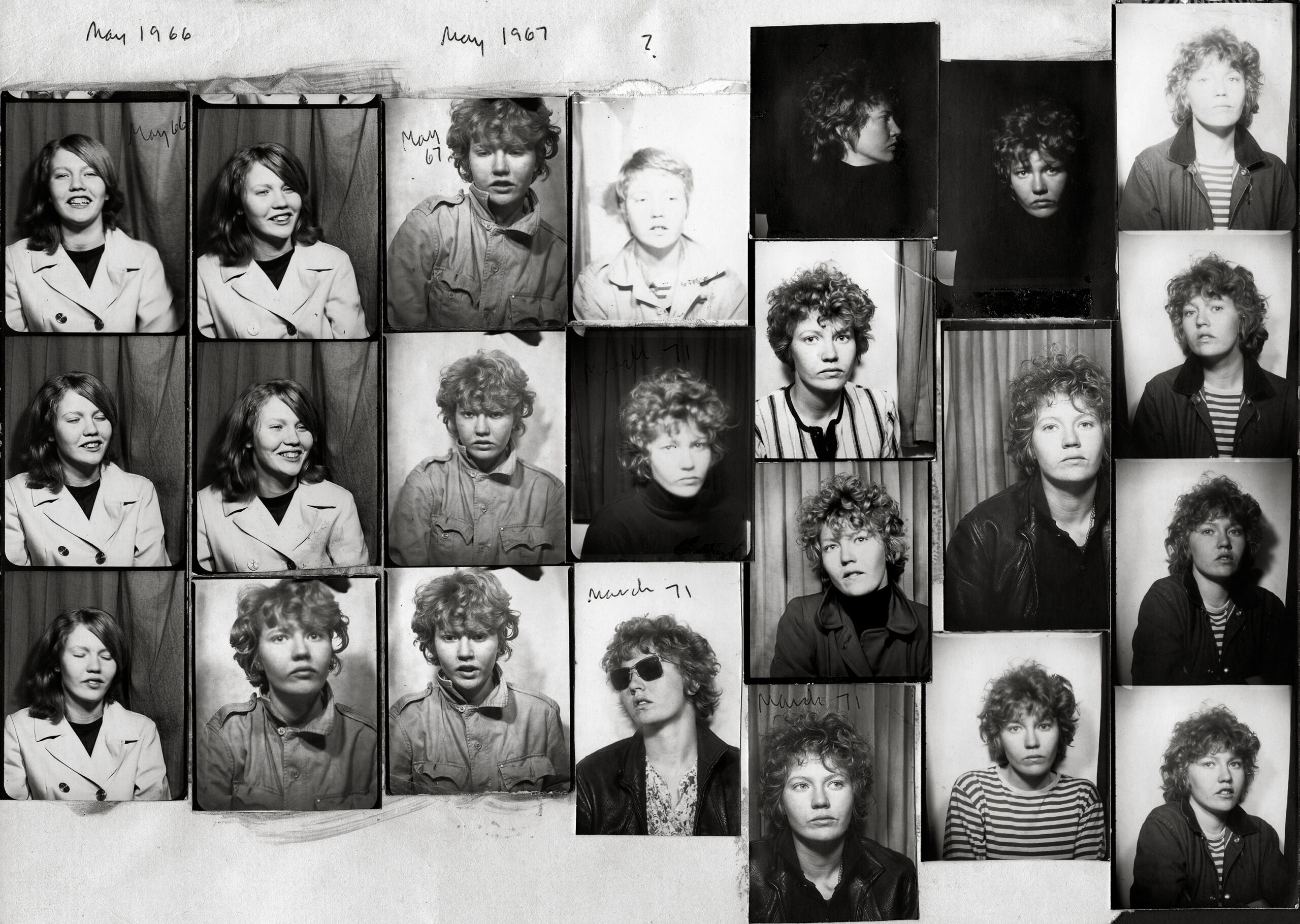
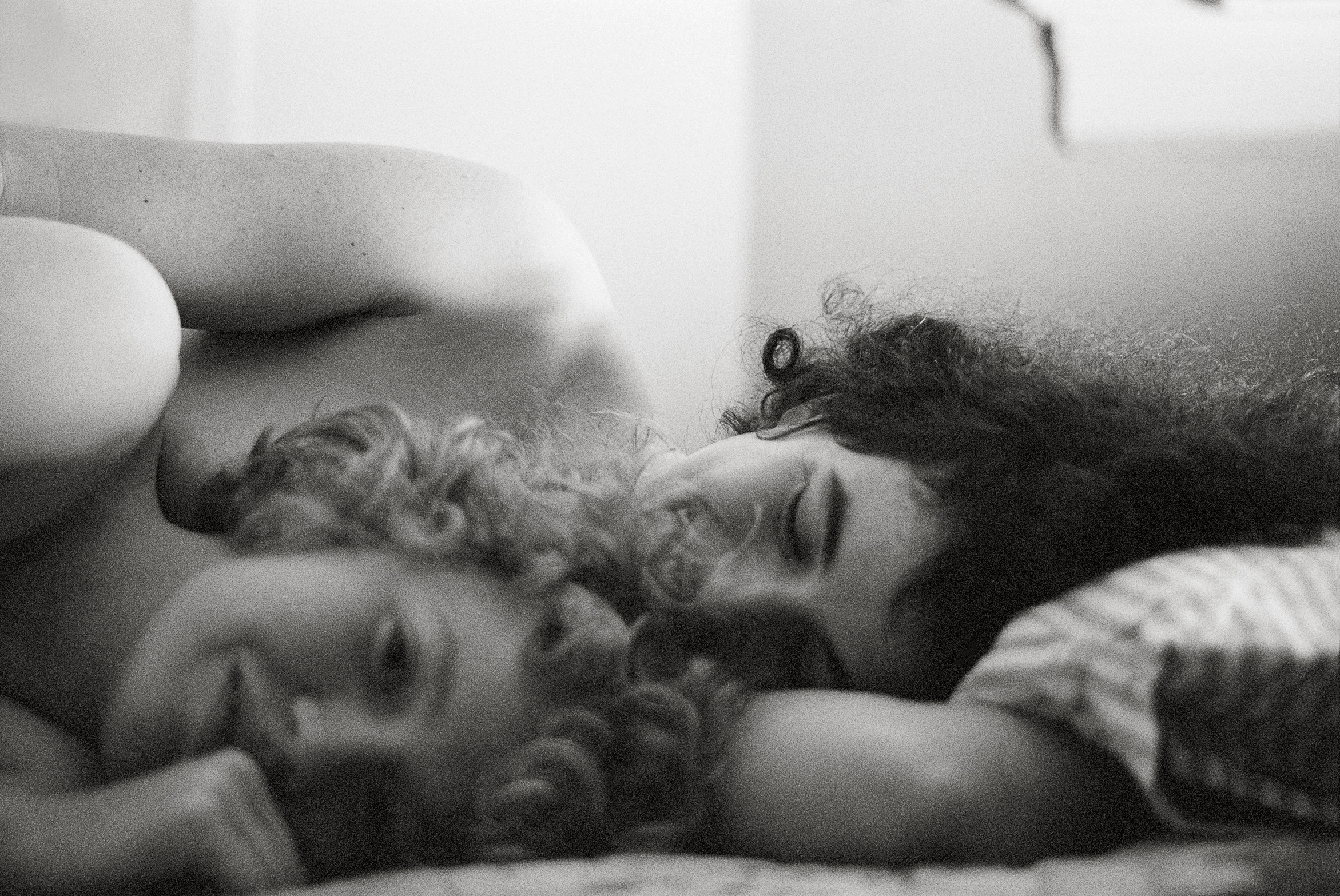
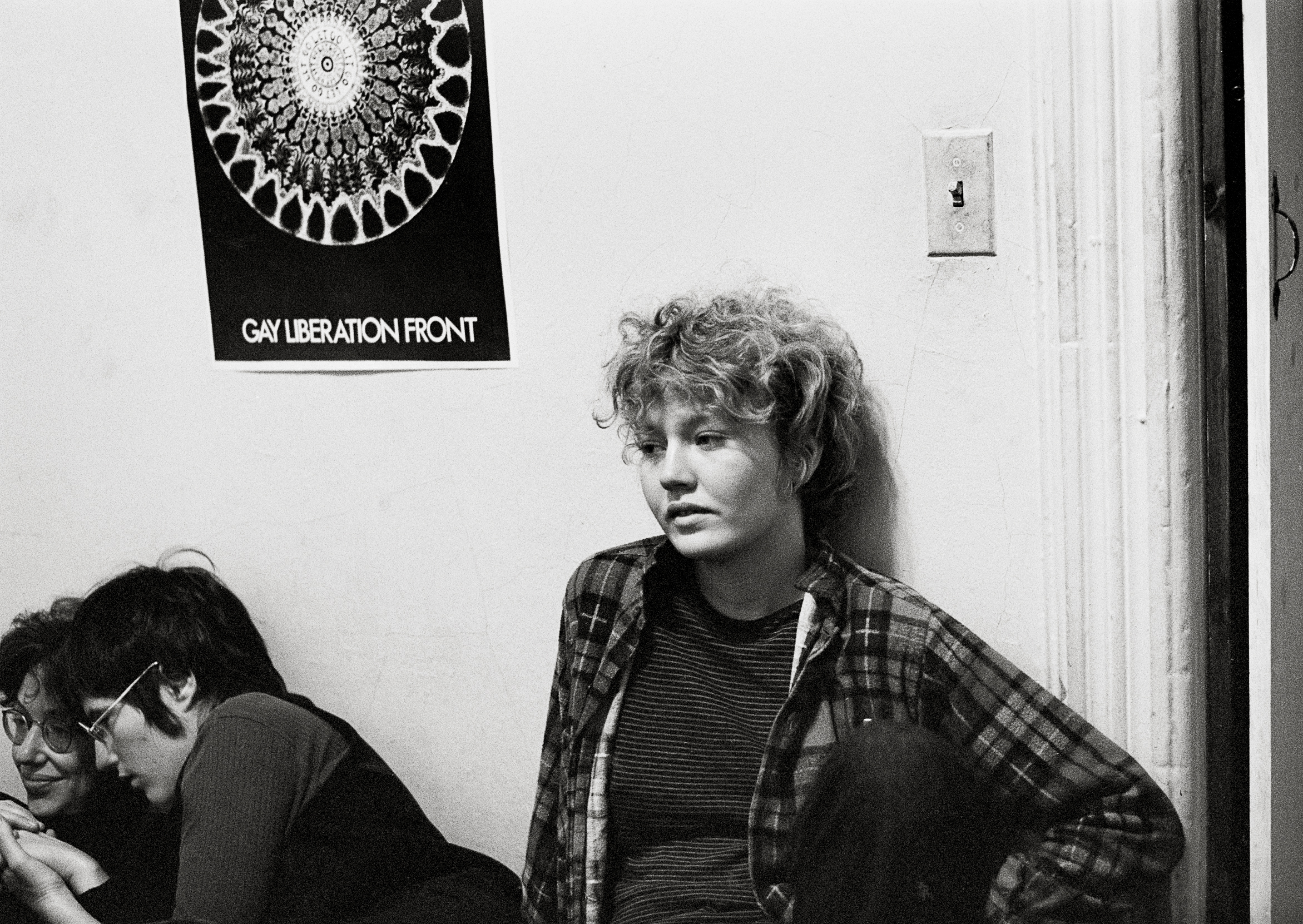
The tenderness with which Gottschalk photographs the people around her reflects the familiarity that often comes from shared social experiences. The title of the exhibition, We Others, can be viewed as a fitting allegory for a collective identity created by Gottschalk and her peers. The art world was not Gottschalk’s milieu; she was, above all, a working-class woman, always working multiple jobs alongside her artistic practice. She was also an activist who dedicated most of her time to the Gay Liberation Front. The exhibition also includes a selection of photographs she took during GLF meetings. Here, too, the photographs convey raw moments: we see a young Gottschalk leaning casually against a wall or two women lying tenderly in bed.
Gottschalk’s ability to capture tenderness even in moments of political organising attests to her artistic brilliance and highlights the important role her camera played in making sense of the world. At a time when human rights are increasingly under threat, Gottschalk’s work serves as a powerful testament to the importance of visibility and care. The title We Others then becomes an act of reclamation, a celebration of lives fully lived.

FRAMES is a unique international photography community that combines the best of all worlds, bringing you print and digital publications, a global membership platform, access to live events, and a dedicated mobile application.
EXPAND YOUR PHOTOGRAPHIC VISION
JOIN FRAMES TODAY