
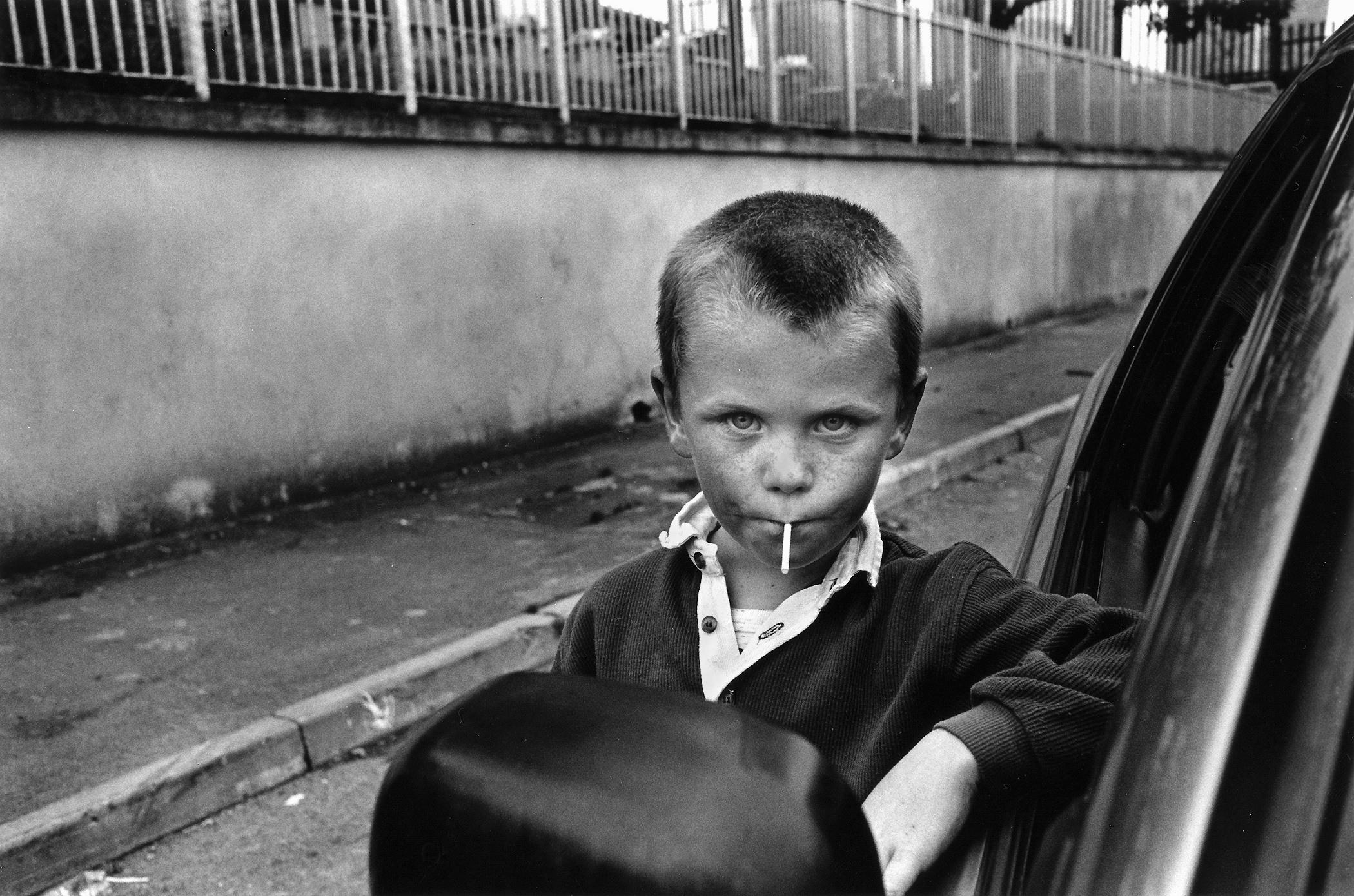
One of the interesting things about photography is its ability to be timeless.
Yes, photography has tremendous importance for current affairs. Journalism, documentary work, and a whole host of other genres achieve a great deal of their power through their relevance to the current moment.
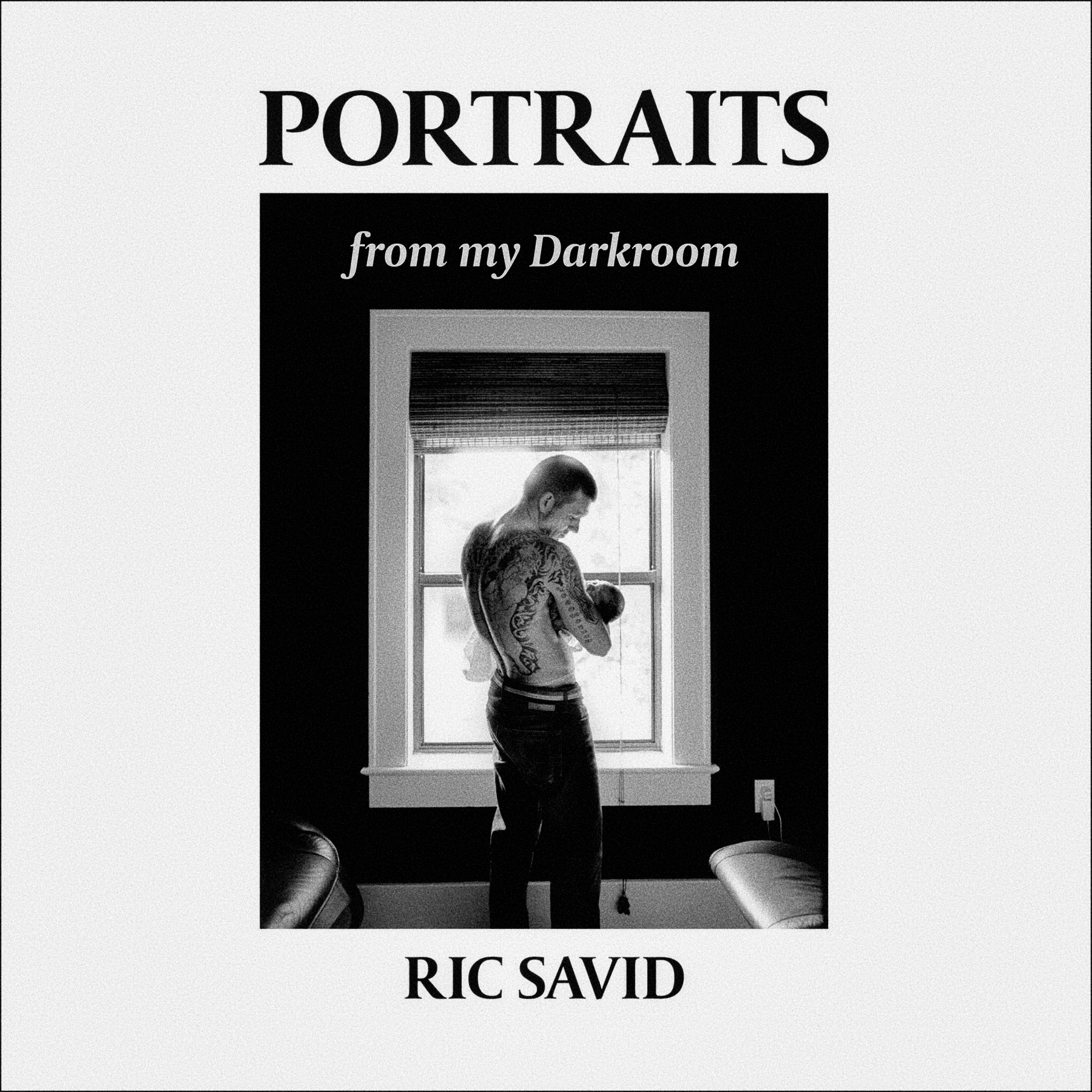
Ric Savid – “Portraits from my Darkroom”
Self-published, 2023
Review by W. Scott Olsen
But their relevance really does not fade. Images of the D Day invasion, images of cousin Sally’s fifth birthday, images of any event in the past, preserve not only what happened, but the what-happened-ness of what happened. Through the ability to capture nuanced minutiae of expression and detail, we can revisit those images as artifacts and gateways to understanding, not only to the past, but to ourselves in the current moment.
This is especially true with portraiture.
Portraiture, of course, began with a stain on cave walls, moved into painting, and then into photography. And the idea has always been to capture not only the likeness of another person, but the what-they-are-like-ness of another person. Something about the heart and mind and soul. Something about ambition and intent and desire. Something about the ongoing battle between milieu and hope.
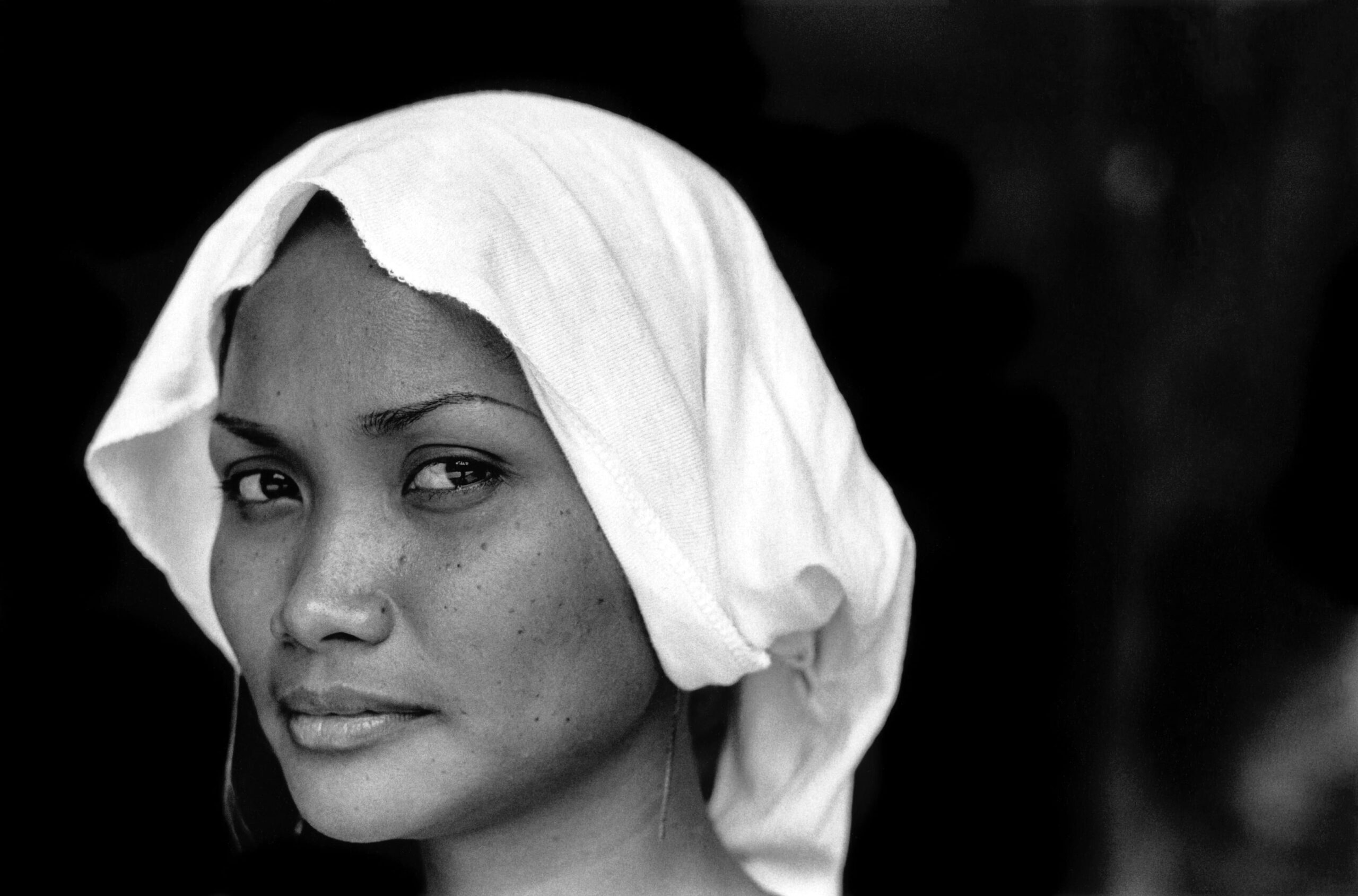
The portrait is an incredibly complex genre of photography. The in-studio portrait, with one or 1000 lights, backdrops and special positive or negative reflectors, is a construct, an image with an intended meaning, oftentimes derived well in advance of the session. The environmental portrait, the street portrait, are no less intentional, although they deal with the added challenges of available light and weather, details in the background competing for attention, a host of out-of-frame distractions.
Simply as a matter of taste, I find the environmental portrait compelling. The person in the image, more often than not, knows very well they have been stopped for a picture. The photographer knows very well the available light, the weather, the quality that humidity induces upon a person’s skin, but the environmental portrait (which is often the same thing as the street portrait, although sometimes there are differences), because it is usually less pre-produced, oftentimes has the ability to hit a little deeper, a little bit more true, a little bit harder.
I’m thinking about all this because I have a book on my desk today that I seem to have come too late. Portraits from my Darkroom, by Ric Savid, has a copyright date of 2023. But the fact that the book is two years old now is, frankly, irrelevant. This collection of portraits is as present today as it will be 20 years from now, and as present as if it were published yesterday afternoon. It is an impressive collection.
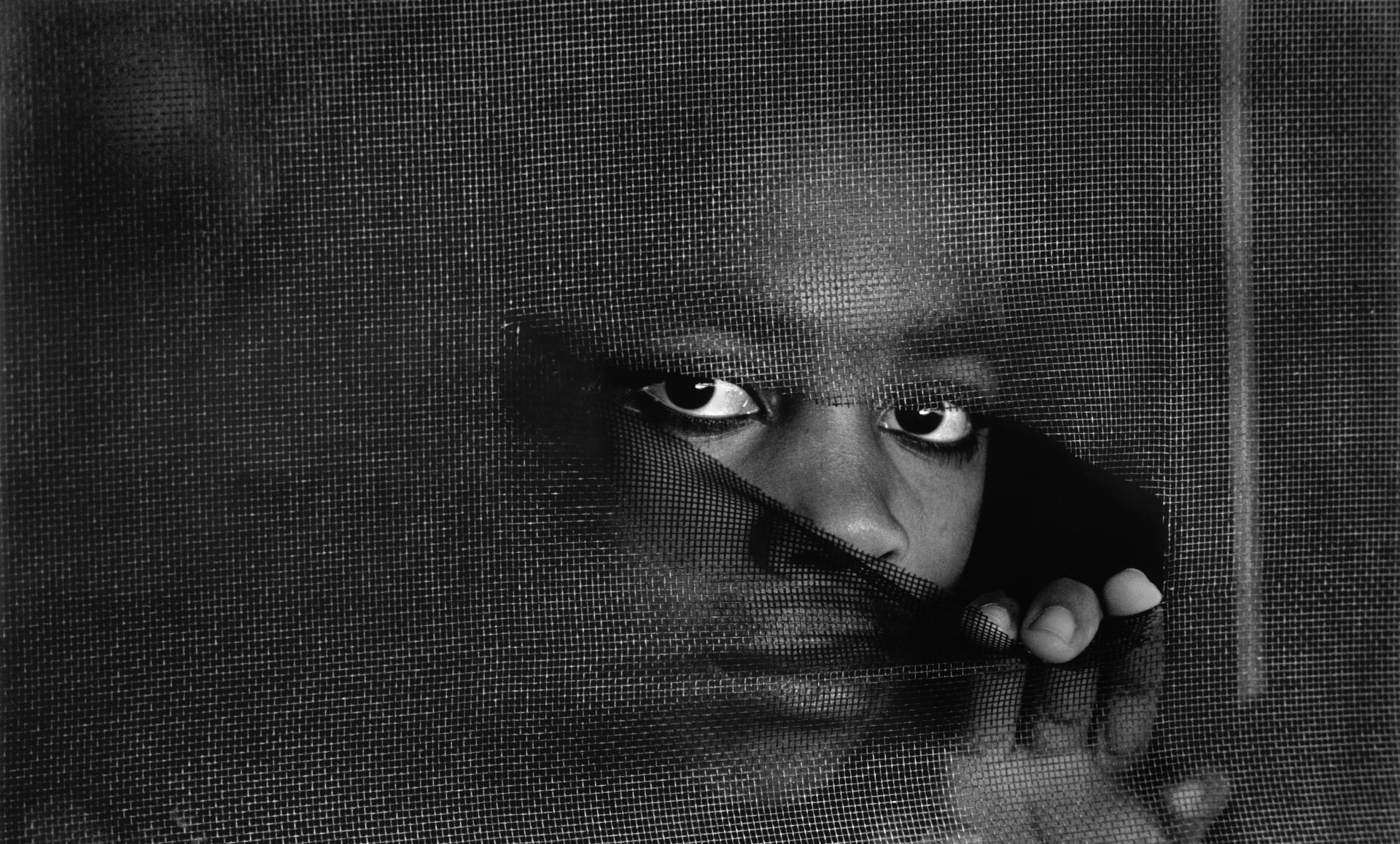
Portraits from my Darkroom is a collection of black and white street portraits. At roughly 190 pages, the book is sizable, while also being sparingly and very well designed. The book does not have the kind of geographic focus that would illuminate a limited region, neighborhood, or community. Instead, the book ranges all over the world, from the Philippines to Ireland, the Dominican Republic, the USA, Italy, Mexico, Spain, and elsewhere. And the occasion of each image is not explained (although locations are given in the back). They simply are what they are. Each image is in relation to the others by virtue of being portraits in black and white, master classes in tonality and exposure, but otherwise, any relation between them is imagined by the viewer.
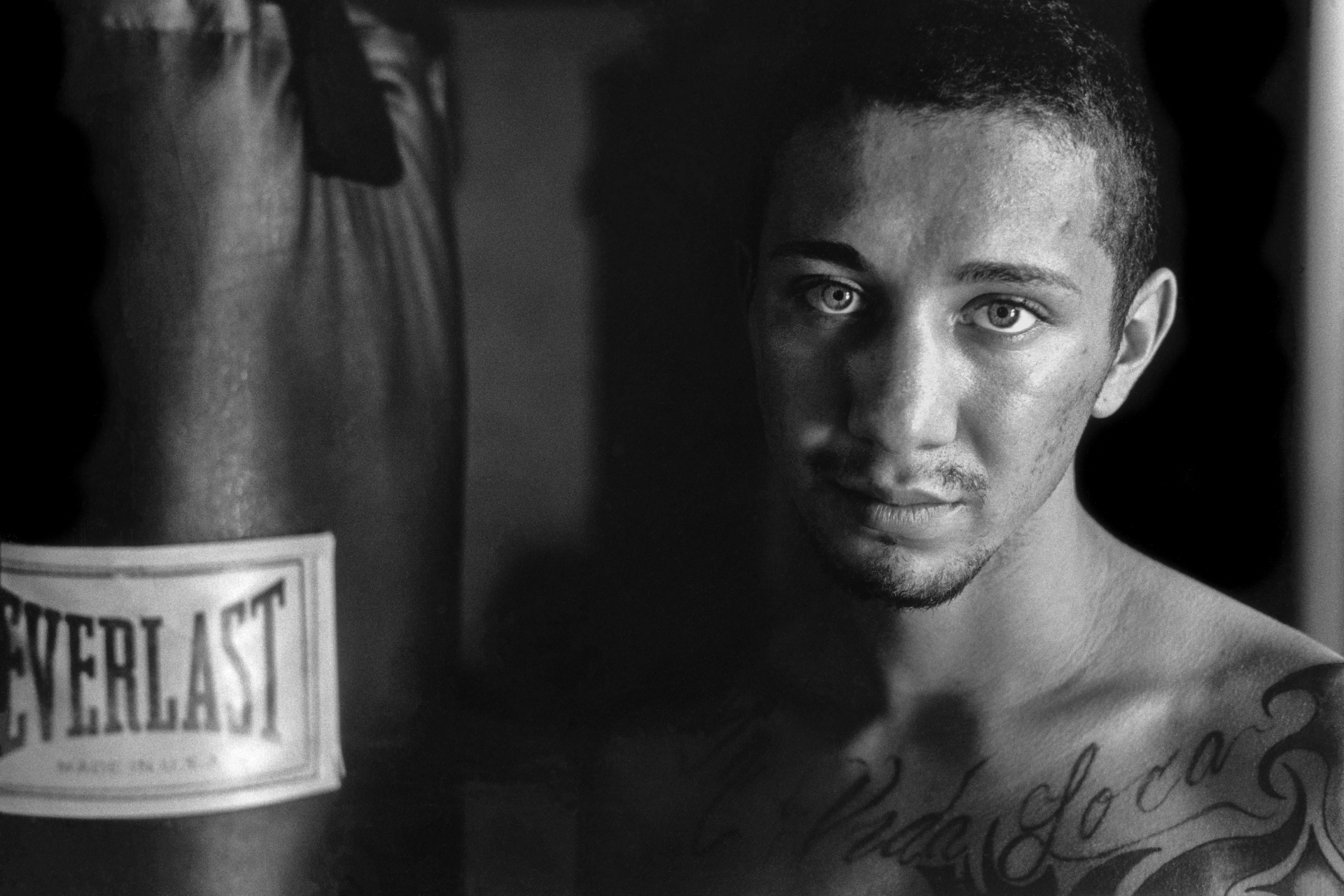
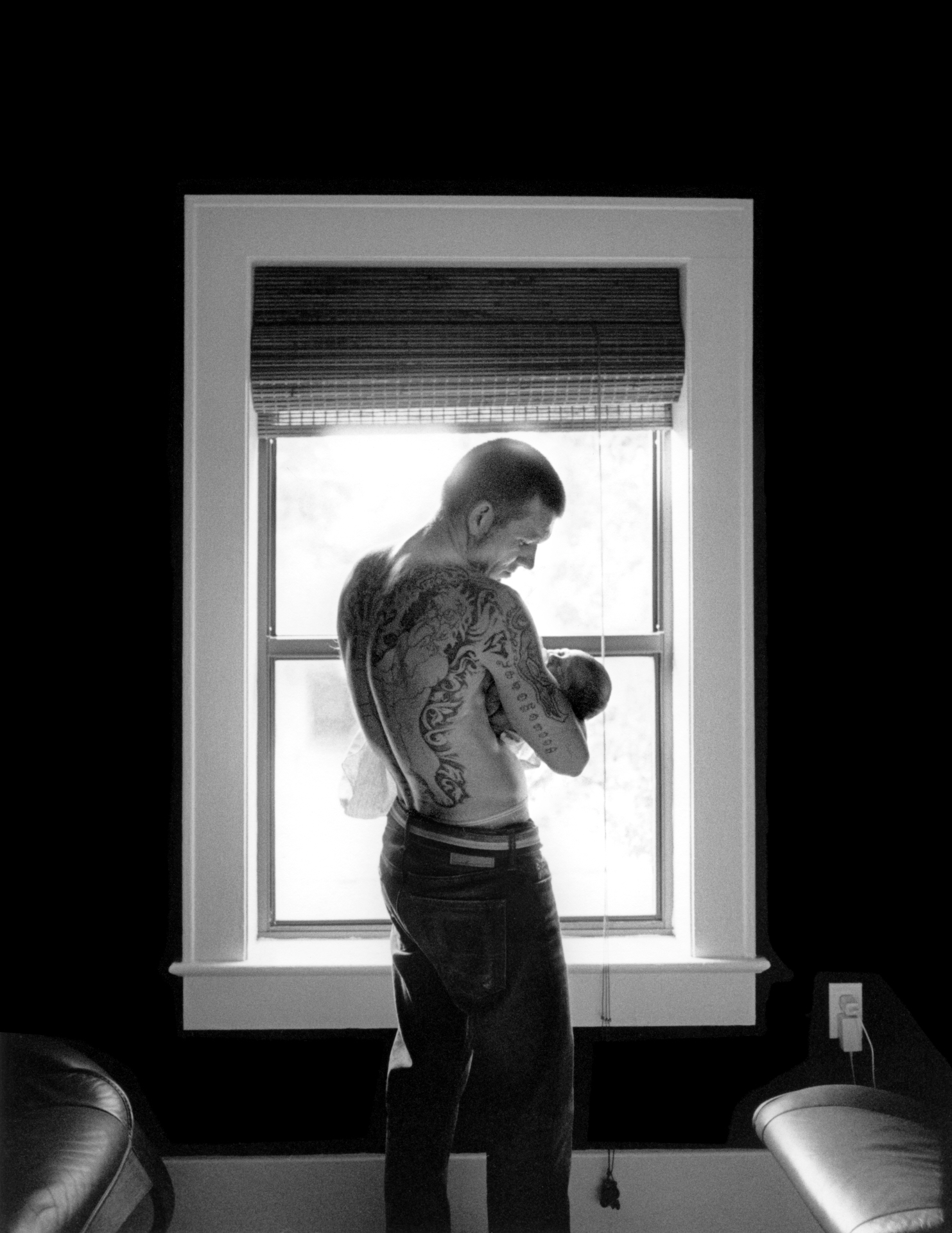
Each image is on the right-hand page. And, occasionally, there is text on the left-hand page, quotes from famous people, ideas to hang in the air.
For example, Proverbs 17:22, appears: A merry heart doeth good like a medicine…
James Baldwin gets a page: The most dangerous creation of any society is the man who has nothing to lose.
Martin Luther King Jr. reminds us: We must remember that intelligence is not enough. Intelligence plus character – that is the goal of true education.
In the midst of the portraits, these quotes act like cornerstones to a social foundation.
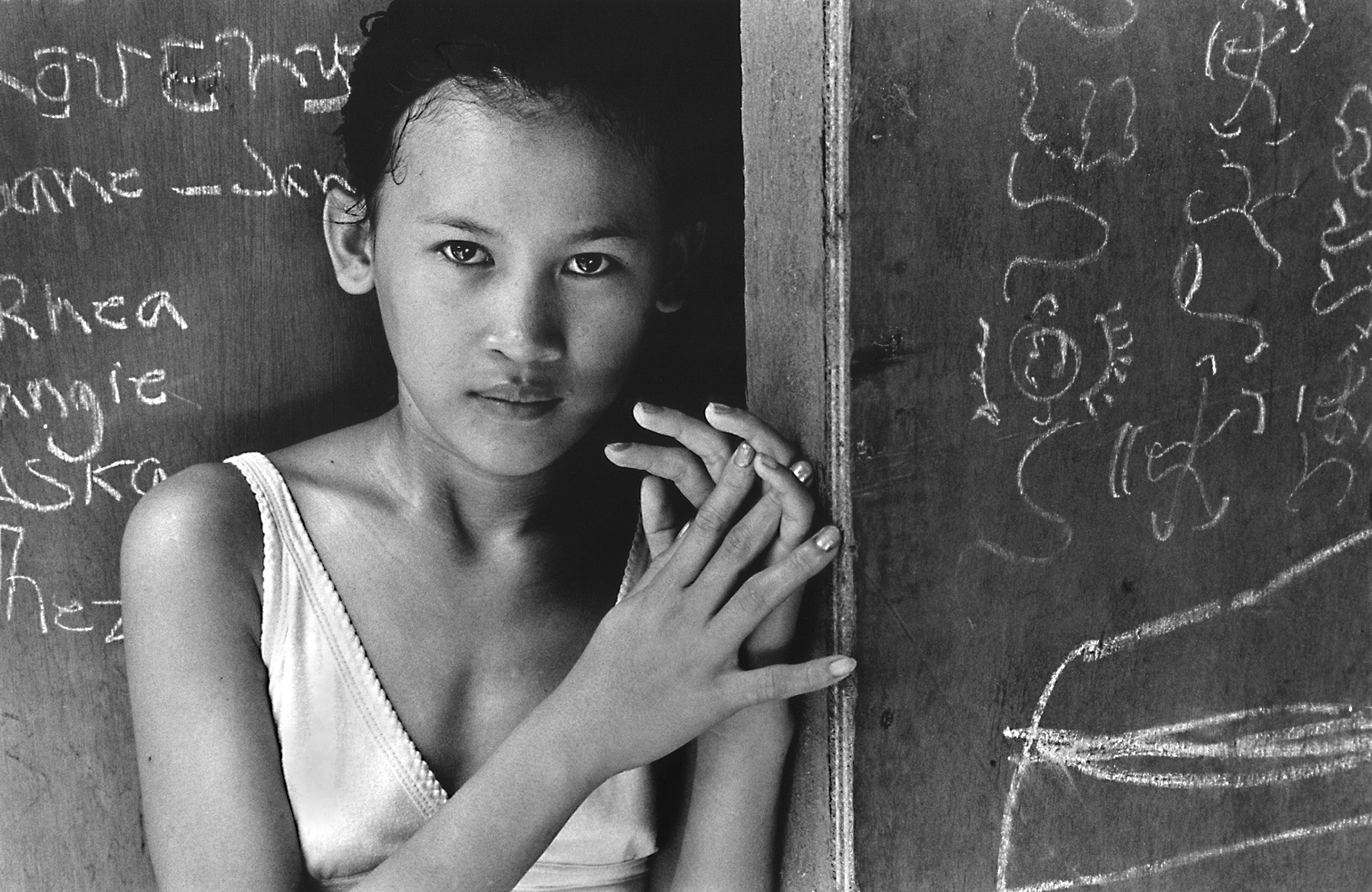
Although I have no way of knowing for sure, I am convinced nearly every person in this book knows their picture is being taken. They do not so much pose as pause. Yes, Mr. Savid, you may take my picture. The looks they offer are mesmerizing.
It could be a child huddled up against the side of a sibling. It could be a woman whose hands are on the back of a chair. It could be a romantic couple, the woman sitting on the man’s lap, or a boxer in a fighting pose, or a child with a violin. Perhaps because so many of the images are of children, the work strikes me as being not so much lonely as hopeful for more contact. The people in these images are not putting on a defensive pose as much as offering an invitation. This is who I am. Let’s chat.
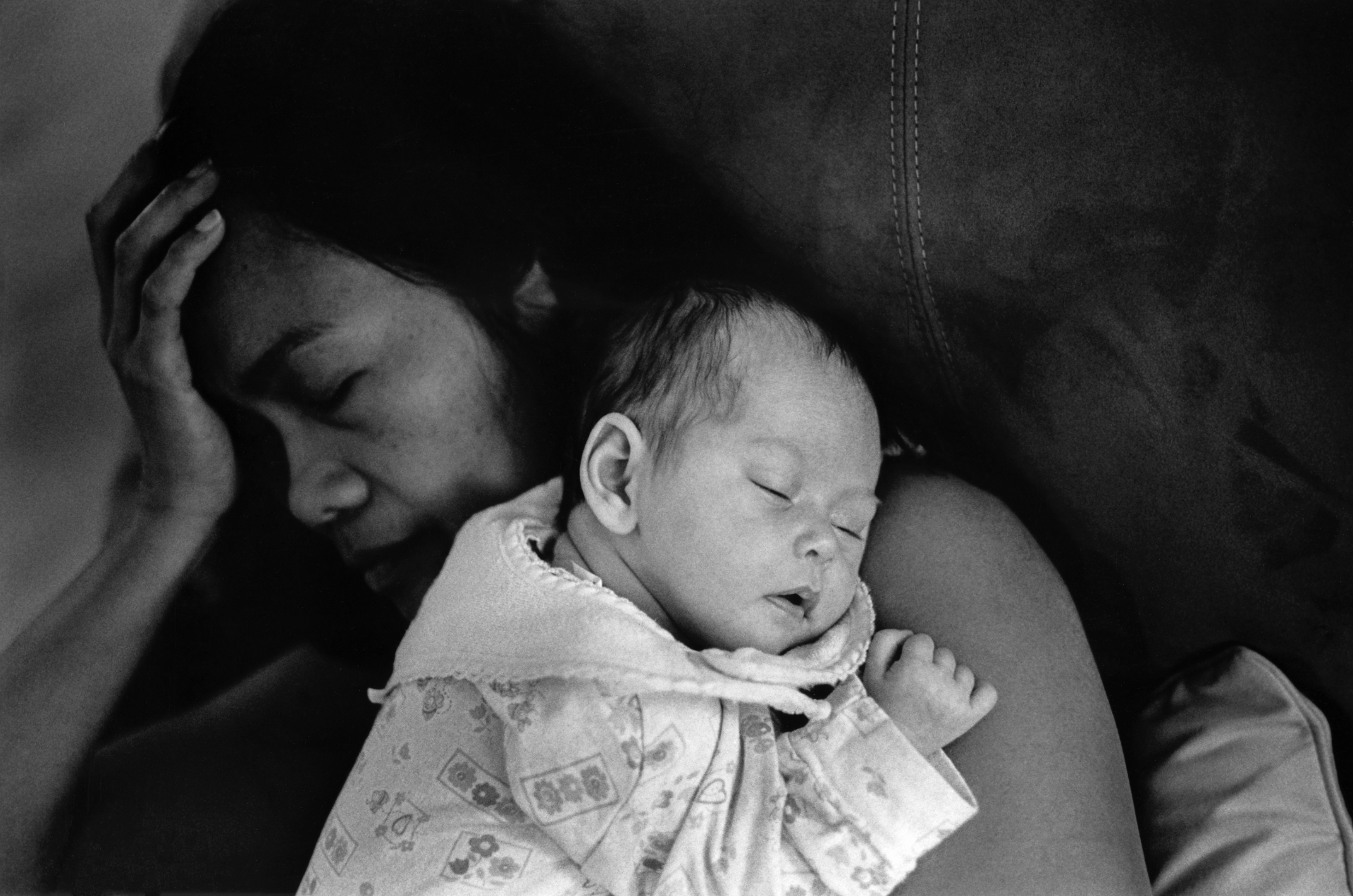
At the end of the book, in a short Photographer’s Statement, Savid writes—
I work intuitively. Most of my photographs are of strangers. The images are the product of my personality. When I talk with a person, I want to know what is going on inside them. When people reveal their deeper thoughts, I see we are similar. I feel less alone…
I shoot close to people. When they allow me into their space, they are being vulnerable and trusting. The portrait becomes a collaboration. They take up enough space in the viewfinder that I can grasp a sentiment of their being. I become intensely attuned to the non-verbal. I sense what they are feeling inside. My emotions find a voice in the facial expressions, gestures and movements of others. Intuition presses the shutter.
This gut-level method of working has resulted in a revelation of my own character. The work, in the end, is self-portraiture.
Perhaps that’s the real genius here, accepting the idea that every image is a form of autobiography. Something in these people connects with Savid, something in their heart and soul and character and mind is reaching out to his. The photograph is a way to articulate that, to give it a voice.
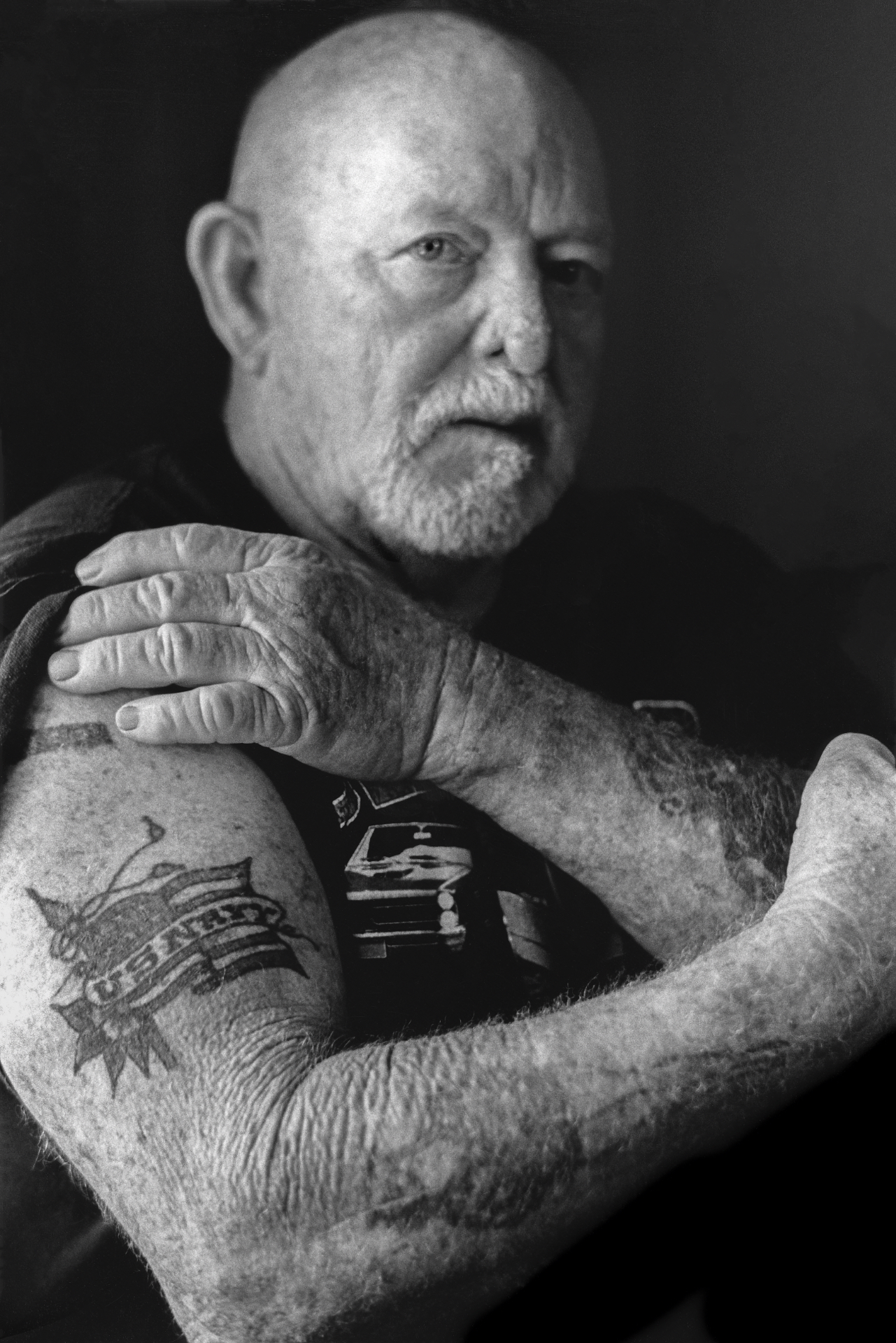
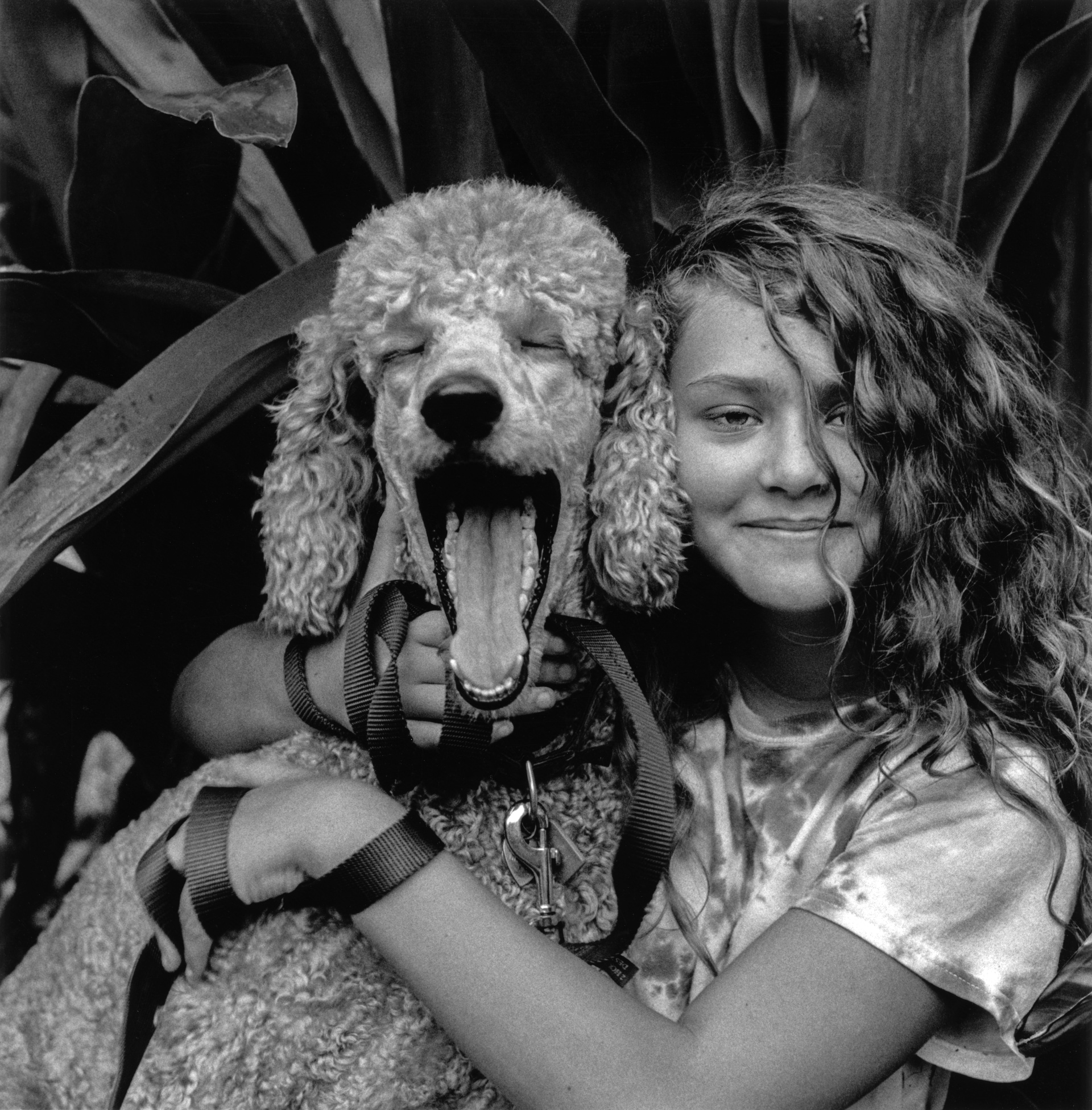
Portraits from my Darkroom, is the kind of book you put on a coffee table, open at random times to random pages, and you don’t so much look at a picture and wonder who was that and what was going on, as much as you look at a picture and you think, what part of myself am I looking at here in others? If we are all finally connected, there is something in everybody that speaks to our own soul.
Portraits from my Darkroom is a collection of images shot on film, developed in a dark room, receiving the kind of tactile care a print demands. The book is a masterclass on environmental portraiture and black and white photography. More importantly, it is another example of the wonderful and rewarding way the portrait of an individual can speak to us all.
A note from FRAMES: Please let us know if you have an upcoming or recently published photography book.

FRAMES is a unique international photography community that combines the best of all worlds, bringing you print and digital publications, a global membership platform, access to live events, and a dedicated mobile application.
EXPAND YOUR PHOTOGRAPHIC VISION
JOIN FRAMES TODAY
Ric
January 18, 2026 at 18:33
Thanks for reviewing my work.