
Recently, FRAMES joined photographer, photography analyst, and YouTube creator Tatiana Hopper for a small collaborative project. We invited photographers from Tatiana’s community to submit a body of work or a short series of images for us to look through together. From the more than 300 submissions we received, Tatiana and I selected four photographers whose work, for different reasons, stayed with us most strongly.
What I particularly enjoyed about the process was the variety. These four bodies of work have very little in common stylistically: documentary photography sits beside carefully constructed imagery, conceptual observation, and instinctive street photography. And perhaps that is exactly the point. There is no single formula for photographs that deserve our attention.
Here are the four photographers we selected.
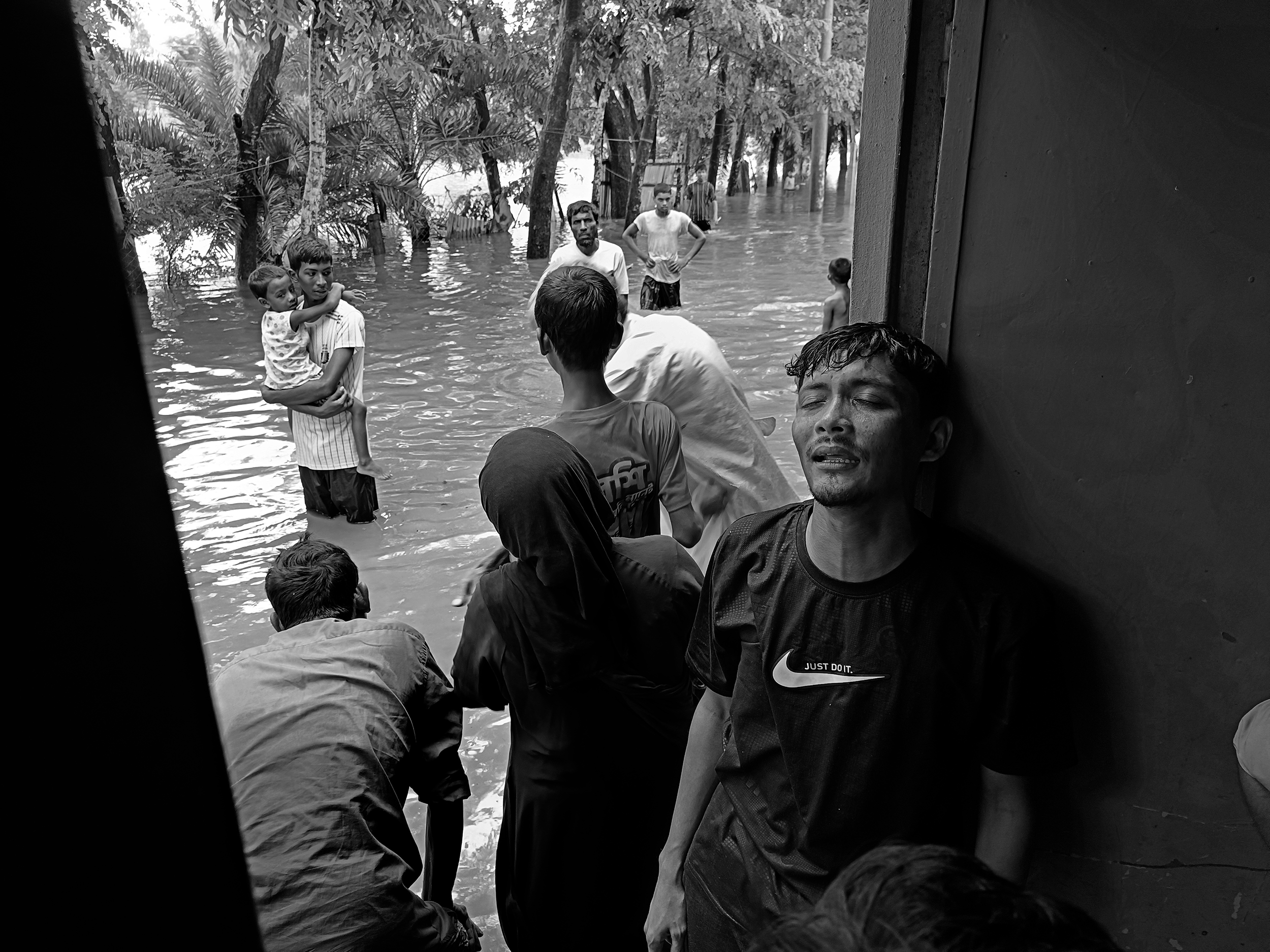
Tanzir Ahmed — The Cost of the Flood
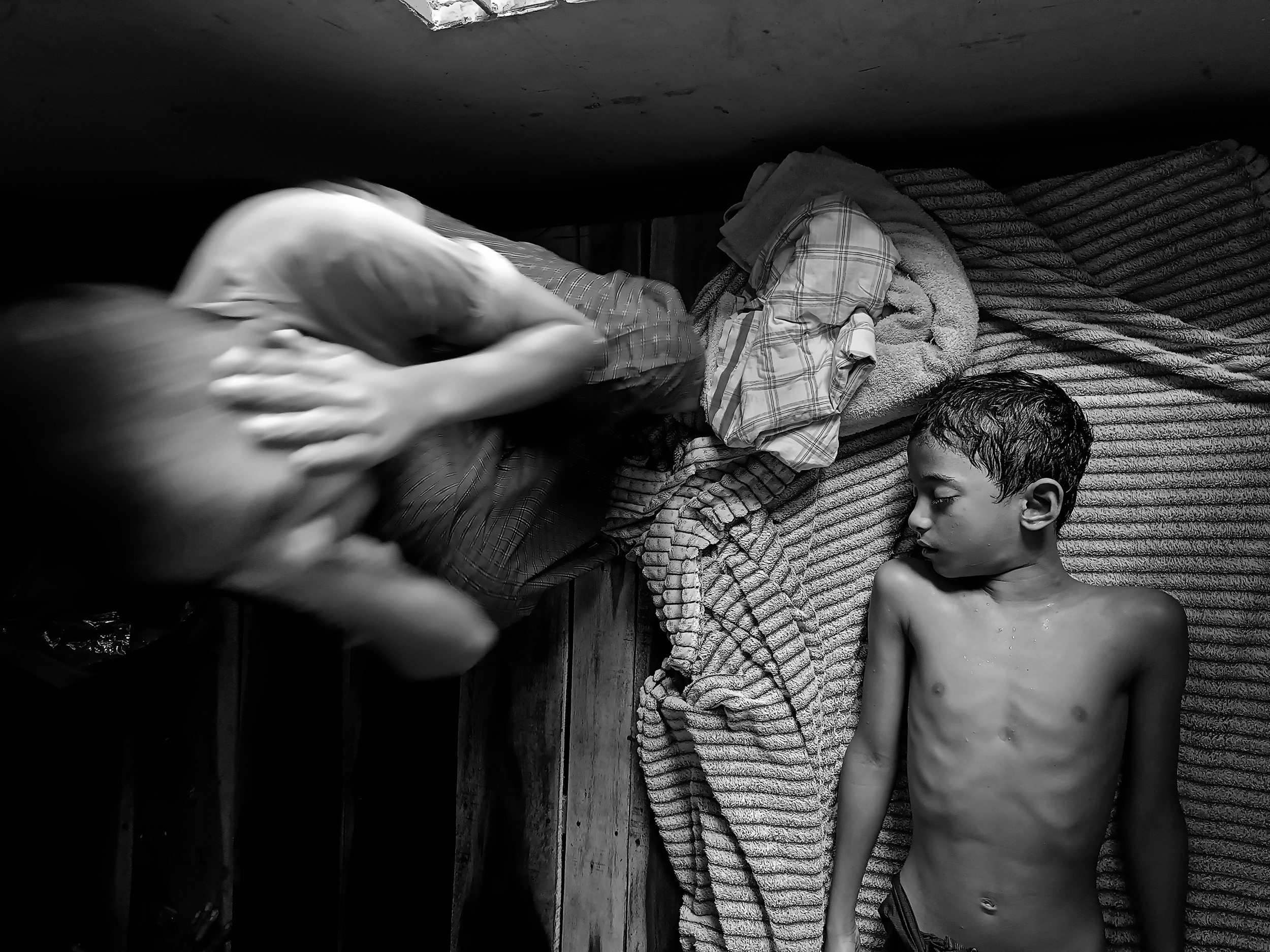
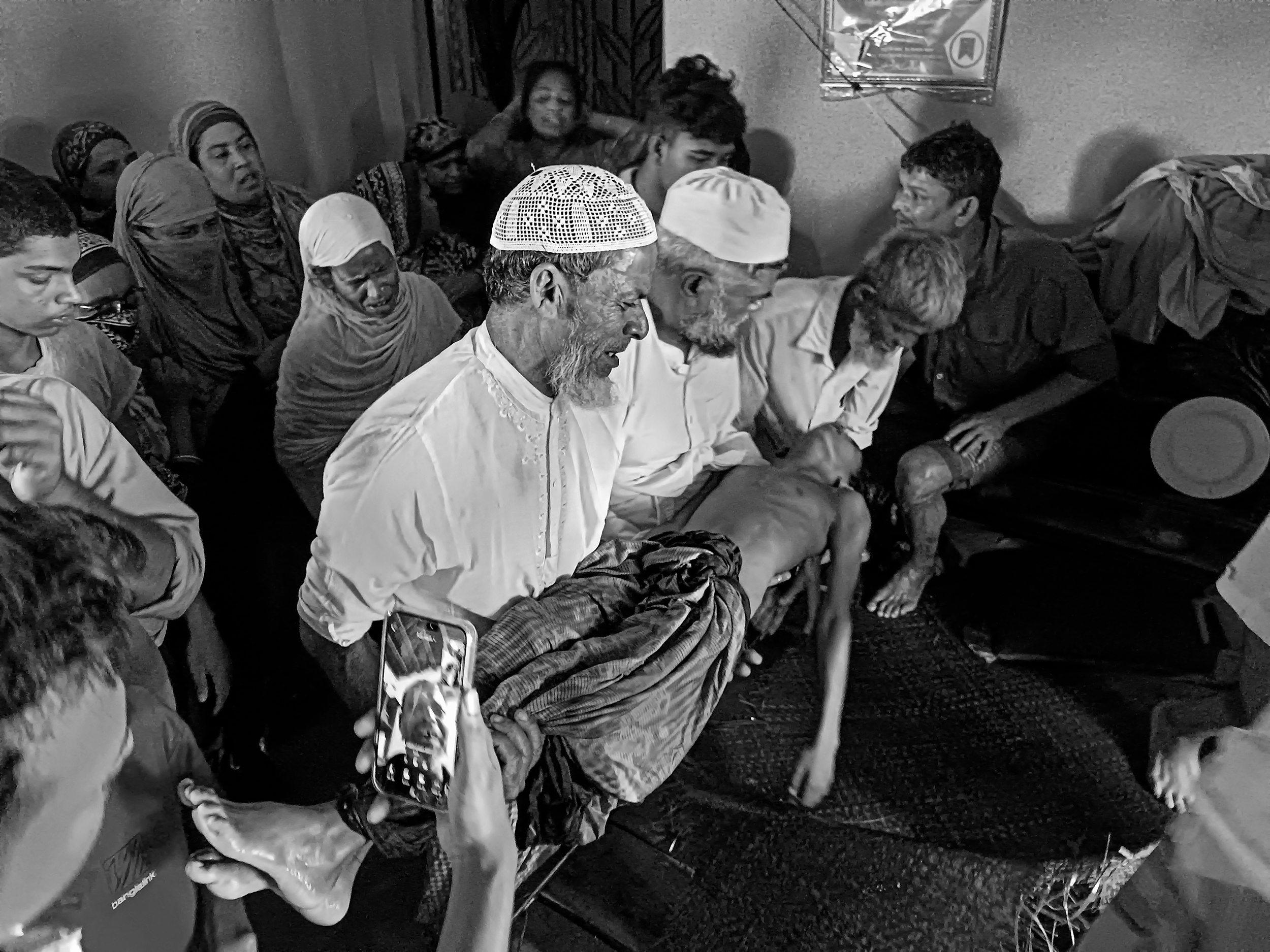
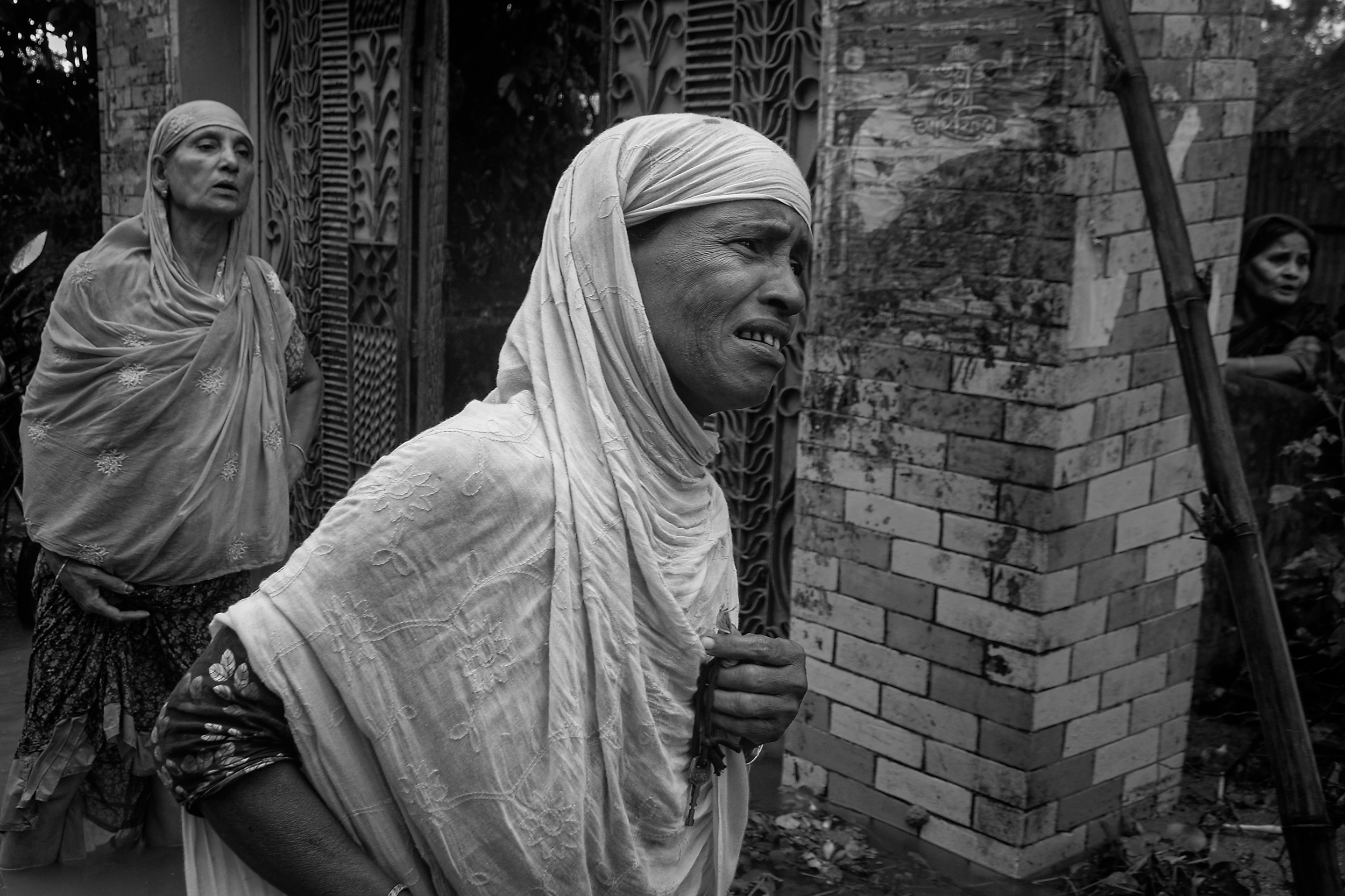
There is an extraordinary physical closeness in Tanzir Ahmed’s photographs. We are not looking at the flood from a safe distance; we seem to be inside the rooms, among the people, surrounded by movement, grief, and confusion. His use of black and white and, in several photographs, motion blur gives the work an almost visceral quality. The pictures do not feel overly controlled. Instead, they carry the instability of the situation itself. Faces, bodies, gestures and water become the language through which the event is understood.
What makes the work particularly strong for me is that the larger disaster gradually becomes something painfully individual. Ahmed’s project centers in part on 10-year-old Ashpak, who drowned after floodwater reached his home, and on a family that had already experienced the loss of another son to drowning. That knowledge changes how we read the photographs. The flood stops being an abstract statistic and becomes the experience of particular human beings. This ability to move between the scale of an event and the intimacy of its consequences is something I would very much encourage Tanzir to continue exploring.
Elroy Salam — Poetry of Ataya
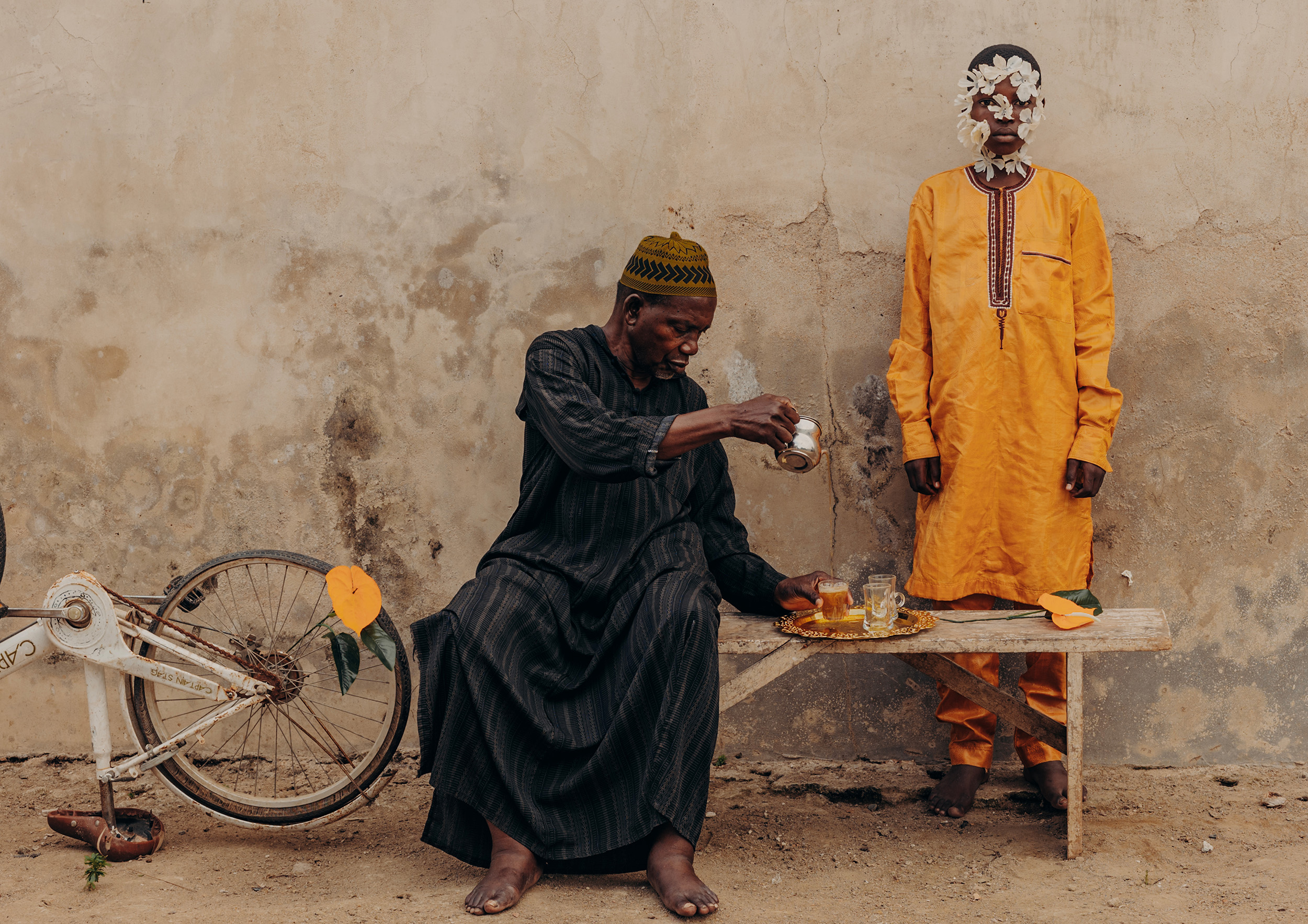
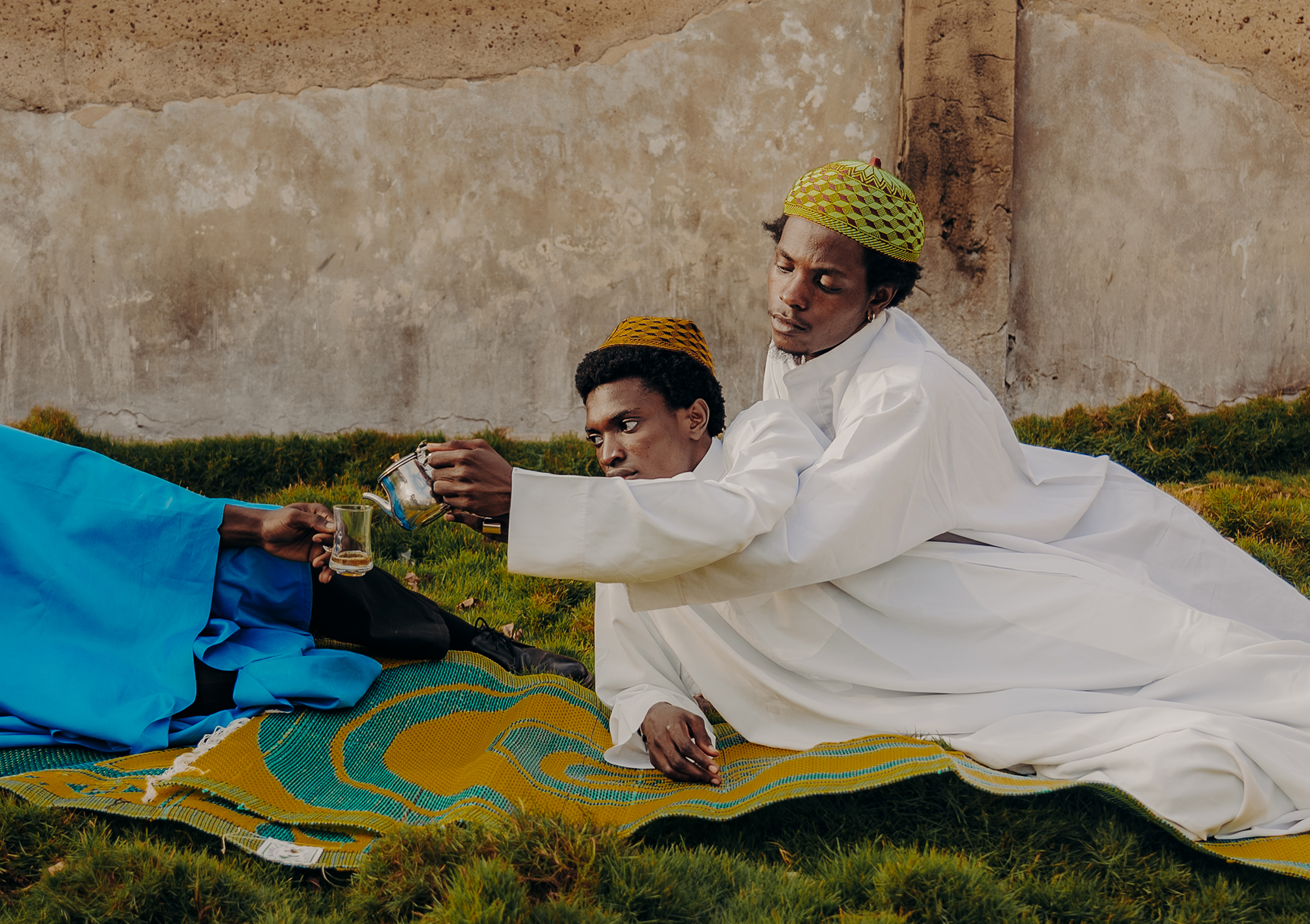
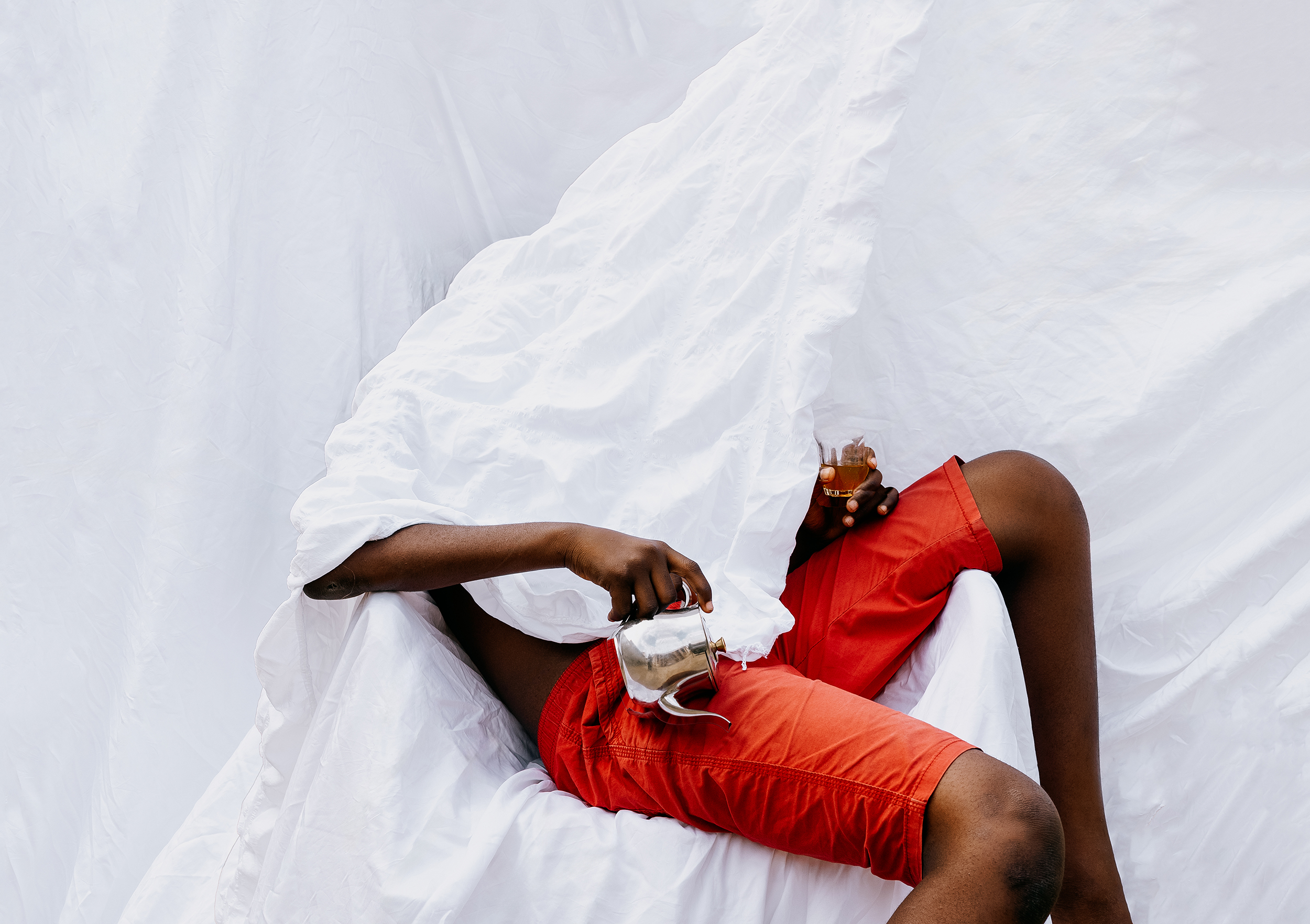
Elroy Salam’s Poetry of Ataya immediately establishes its own visual world. There is a wonderful confidence in the way he uses color, clothing, gesture, objects and the positioning of his subjects. Some of the photographs feel almost ceremonial; others are quieter and more intimate. Tea repeatedly becomes both an everyday object and a visual thread connecting the pictures. The work is carefully constructed, yet it never feels cold. There is warmth, playfulness, and a sense that the photographer genuinely enjoys the world he is building.
What interests me most is his ability to sit somewhere between observation and invention. These are not simply records of a cultural ritual, nor are they conventional staged portraits. Reality seems to become a starting point from which he creates something more poetic and symbolic. The strong blues, whites, yellows and reds, the recurring vessels, fabrics and gestures all give the series a distinctive identity. There is already a recognizable visual vocabulary here, and I would be very interested to see how far Salam can develop it while preserving the humanity that makes these photographs so appealing.
Peter M. Cook — Crow Study
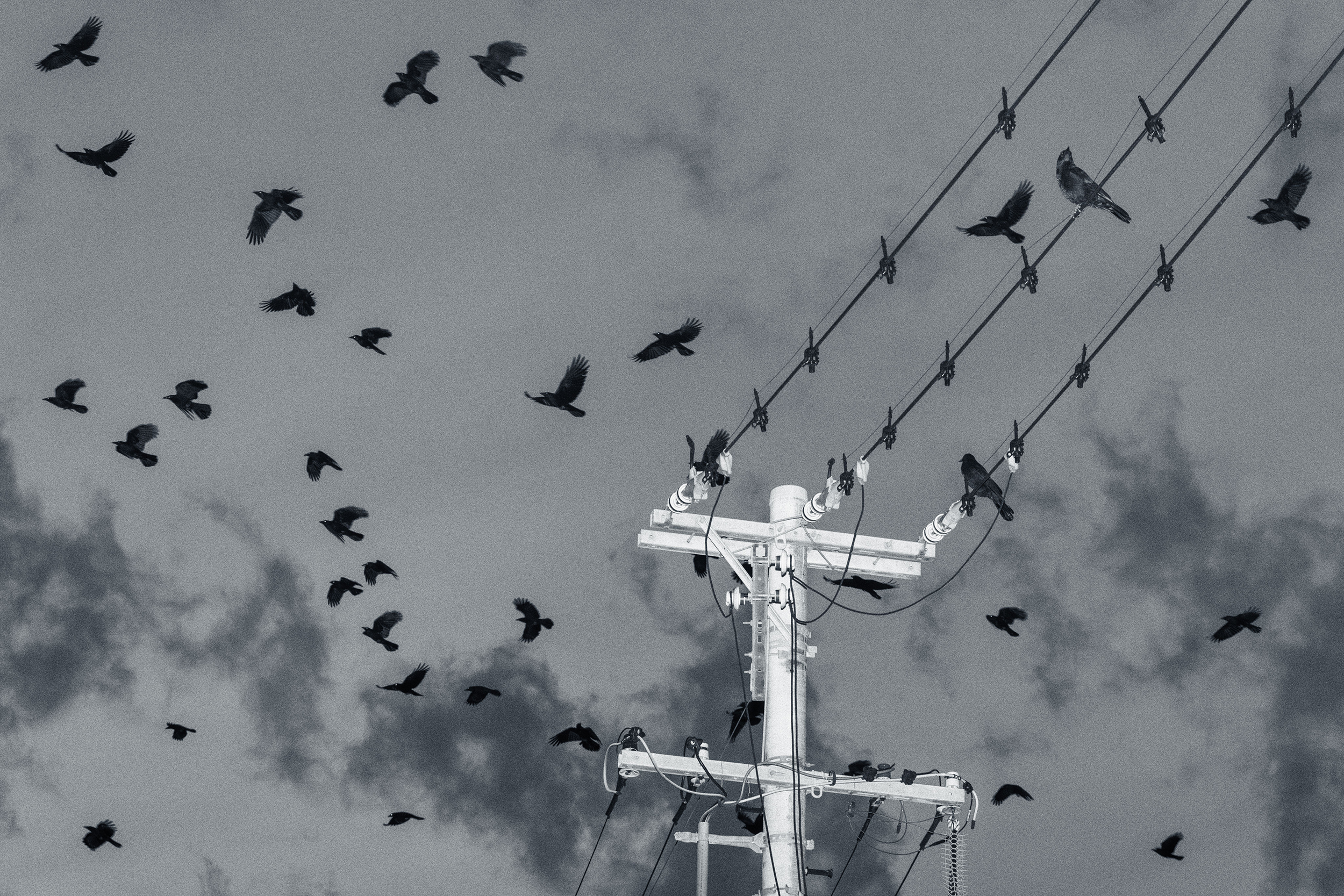
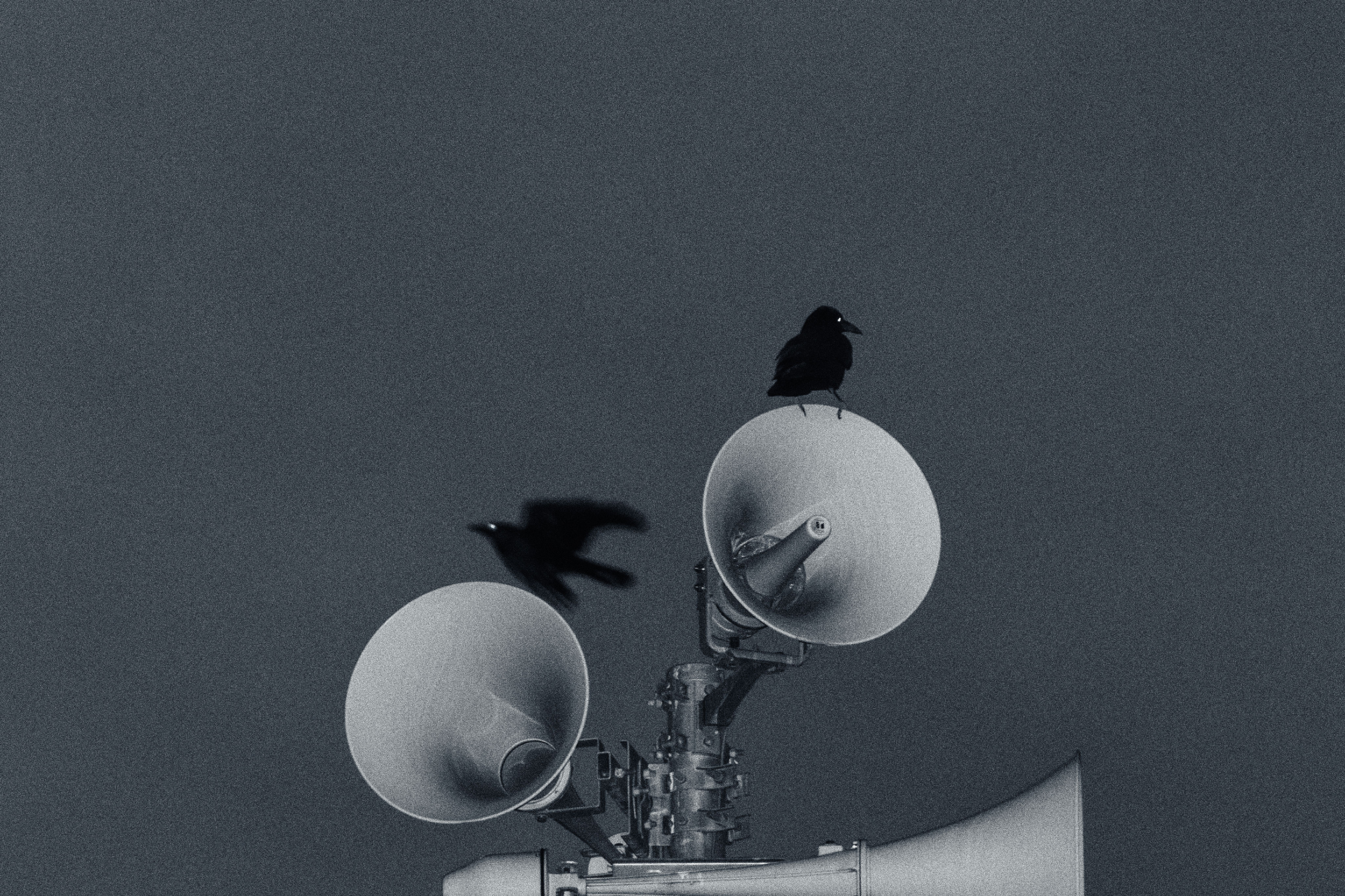
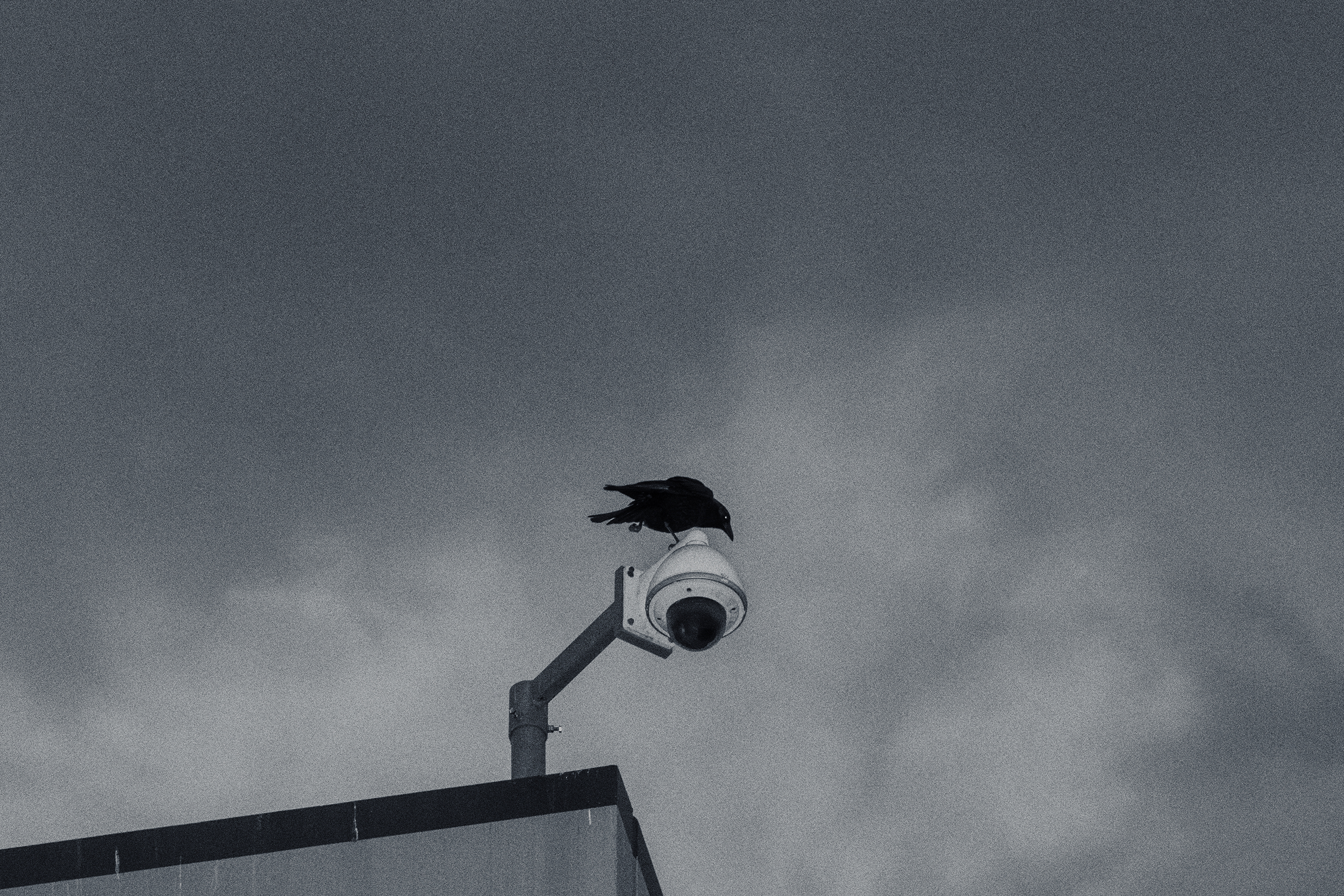
At first, Peter M. Cook’s subject seems wonderfully simple: crows occupying the structures of the human environment. But repetition quickly turns that observation into something more interesting. The birds perch on electrical infrastructure, surveillance cameras, loudspeakers and traffic lights. Objects designed to transmit electricity, observe us, communicate with us or regulate our movements suddenly become platforms for another species entirely. There is a subtle humor in this, but also something slightly mysterious and unsettling.
The photographic language is equally important. The monochrome treatment, pronounced grain, generous areas of sky, and strong geometry of wires and machinery give the series remarkable cohesion. Cook is not really showing us birds in the traditional sense of wildlife photography. He is looking at relationships: organic forms against mechanical ones, movement against structure, nature occupying systems built by humans. It is a modest idea pursued with consistency, and that consistency is exactly what gives the work its strength. I would be curious to see the study expanded and to discover how many variations this apparently simple relationship can sustain.
Oliver Bekaert — Things Seen
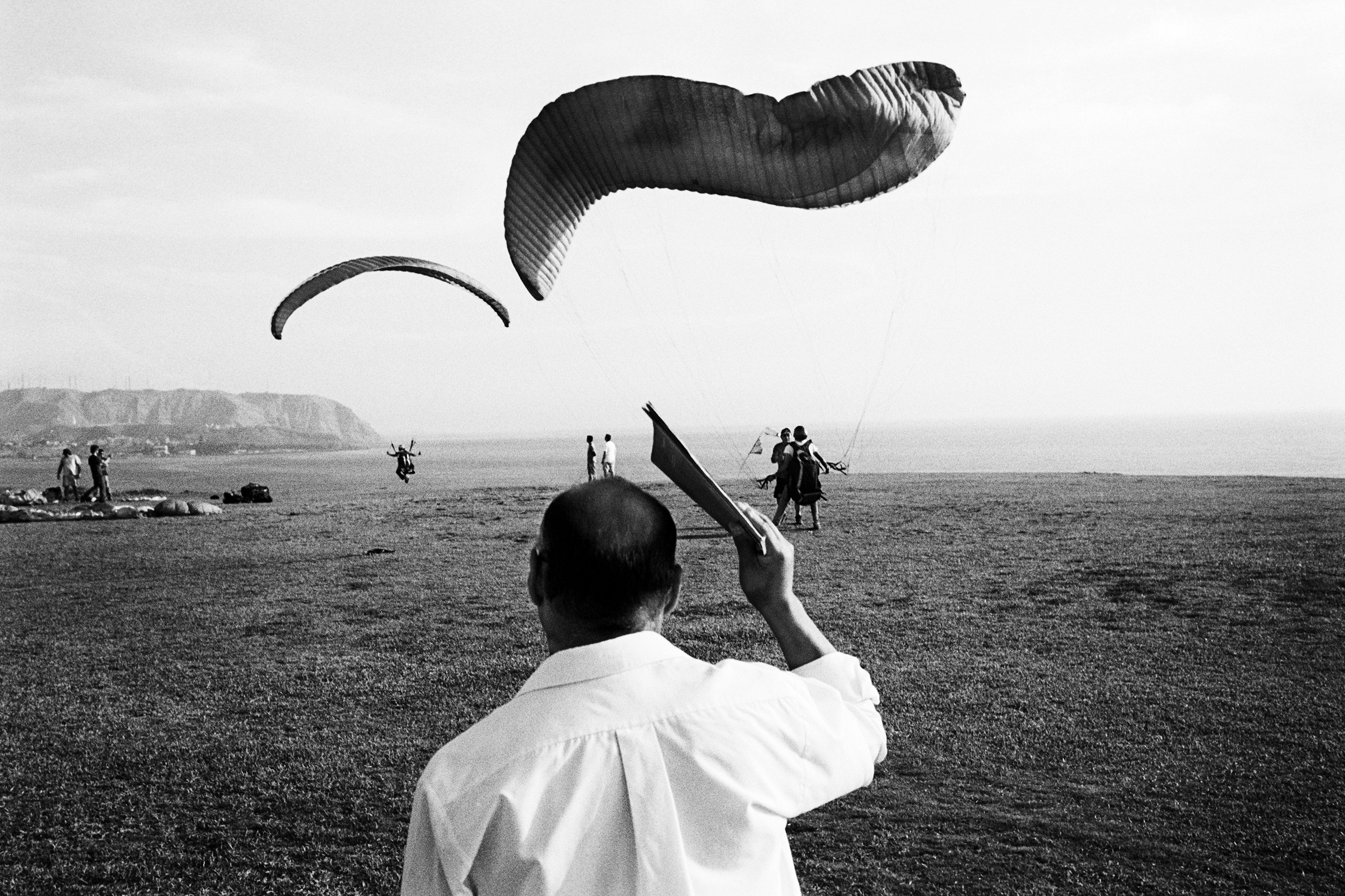
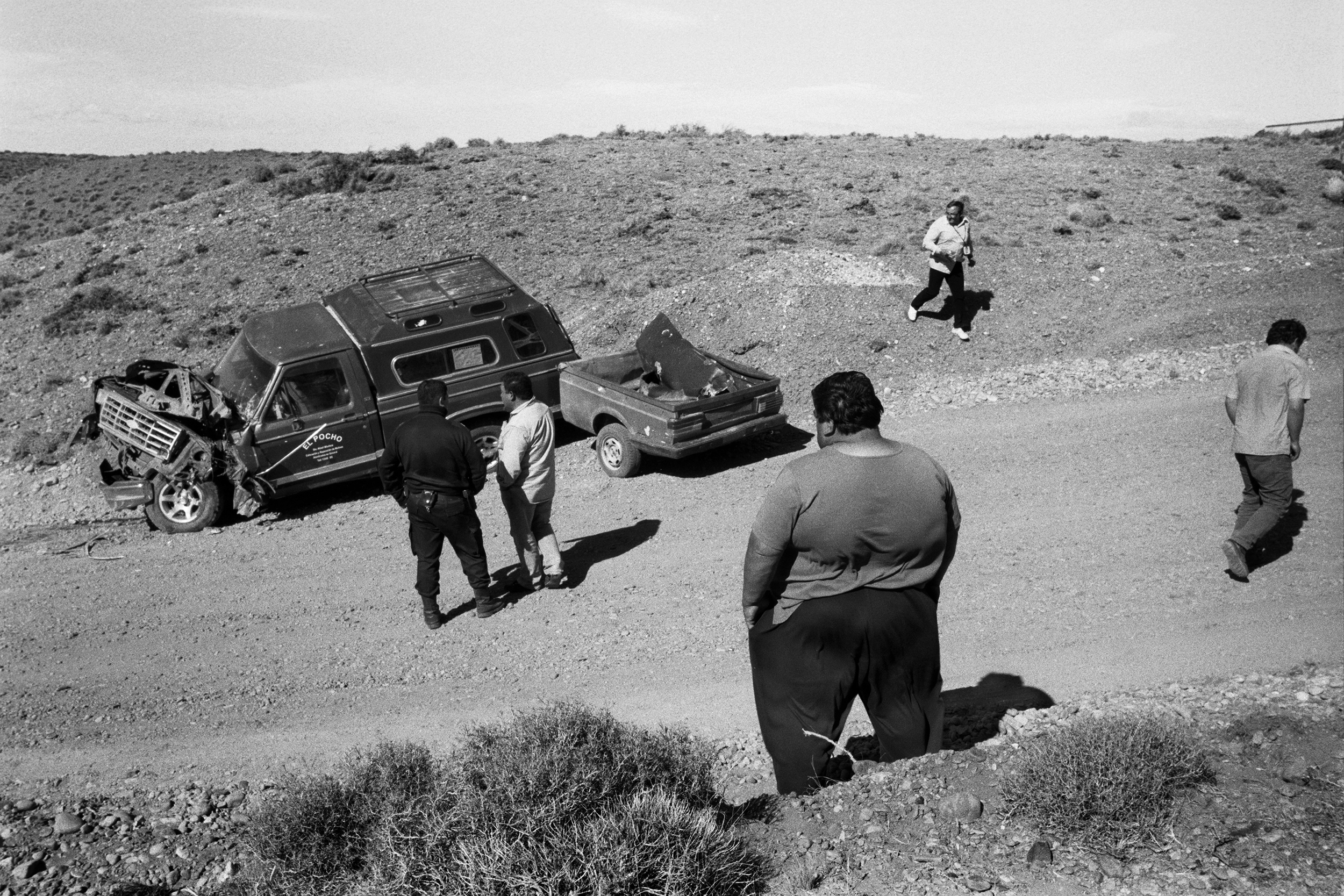
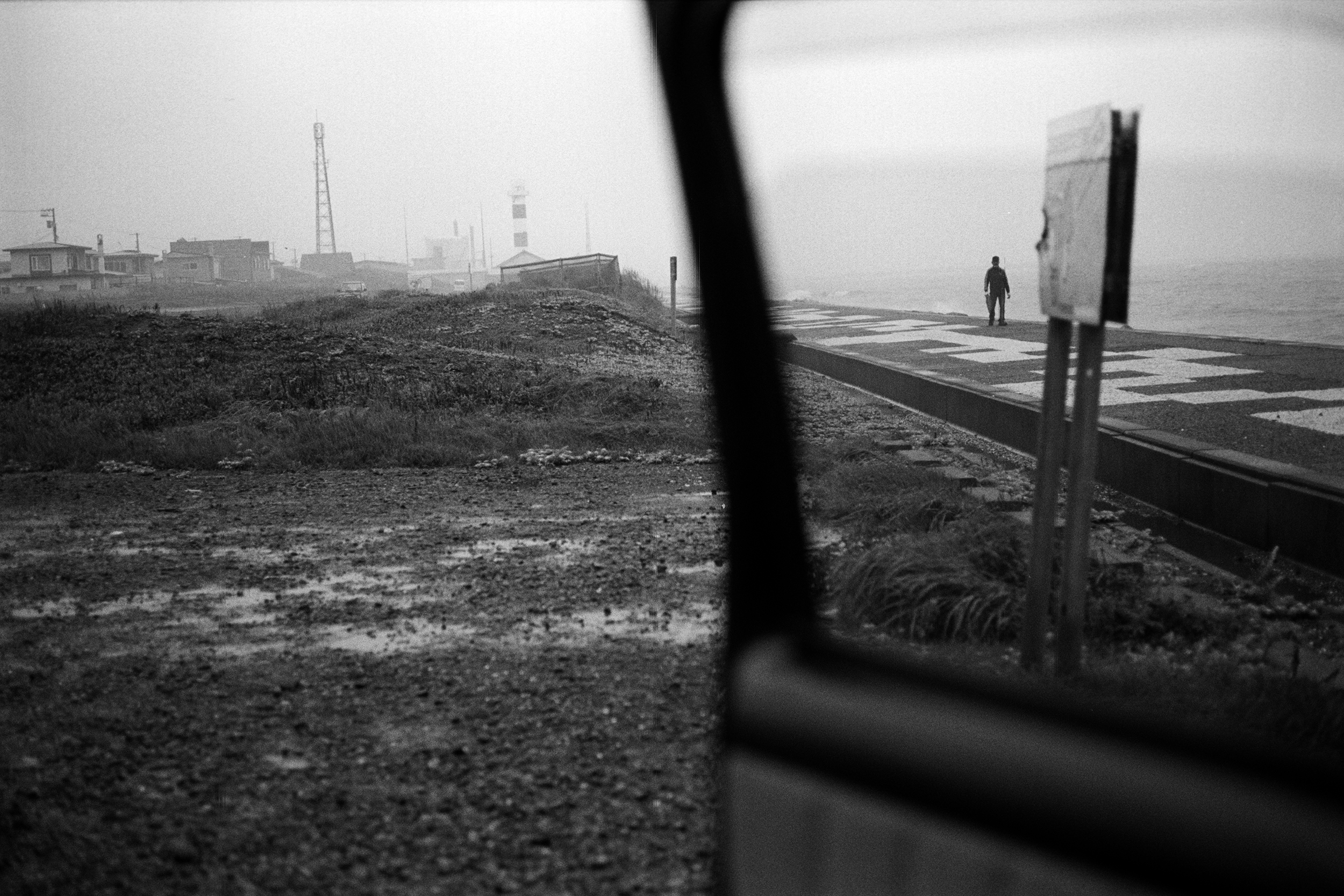
Oliver Bekaert’s photographs have the quality I often respond to most strongly in observational photography: they make ordinary situations feel unexpectedly strange. A paraglider suspended above a man’s head, people dispersed around a damaged vehicle, a solitary person seen through a window beside the sea—none of these moments need a dramatic explanation. Their strength comes from how Bekaert notices and frames them.
There is also an openness to these pictures that I like. They do not insist on telling us precisely what they mean. Instead, relationships appear inside the frame for a fraction of a second: shapes echo one another, people become separated by space, foreground objects divide our view, and everyday life briefly arranges itself into something that feels almost fictional. Things Seen is an appropriate title because the work ultimately seems to be about attention itself. Bekaert shows that a photographer does not necessarily need an extraordinary subject; sometimes the more interesting ability is simply to recognize when the ordinary world has, for a moment, become extraordinary.
What I enjoyed most about this collaboration with Tatiana was the opportunity to look at photography without trying to force it into a single definition of what strong work should be. These four photographers approach image-making in very different ways, yet each of them demonstrates intention, curiosity, and a distinct visual sensibility.
I hope this small project encourages more photographers to keep developing their work as a body rather than only as individual images, and I am very grateful to Tatiana and her community for inviting FRAMES into the conversation.
Tatiana herself discusses our selections in her latest video (it is about the work of Elliott Erwitt, and you will find the segment on our selected photographers towards the end).
Make sure to visit and follow Tatiana Hopper’s excellent YouTube channel – one of the most valuable online photography resources.

FRAMES is a unique international photography community that combines the best of all worlds, bringing you print and digital publications, a global membership platform, access to live events, and a dedicated mobile application.
EXPAND YOUR PHOTOGRAPHIC VISION
JOIN FRAMES TODAY
Nazmul Bashar
September 4, 2026 at 22:12
Beautiful photography and it is true that ‘it is not the camera’….more than that!