
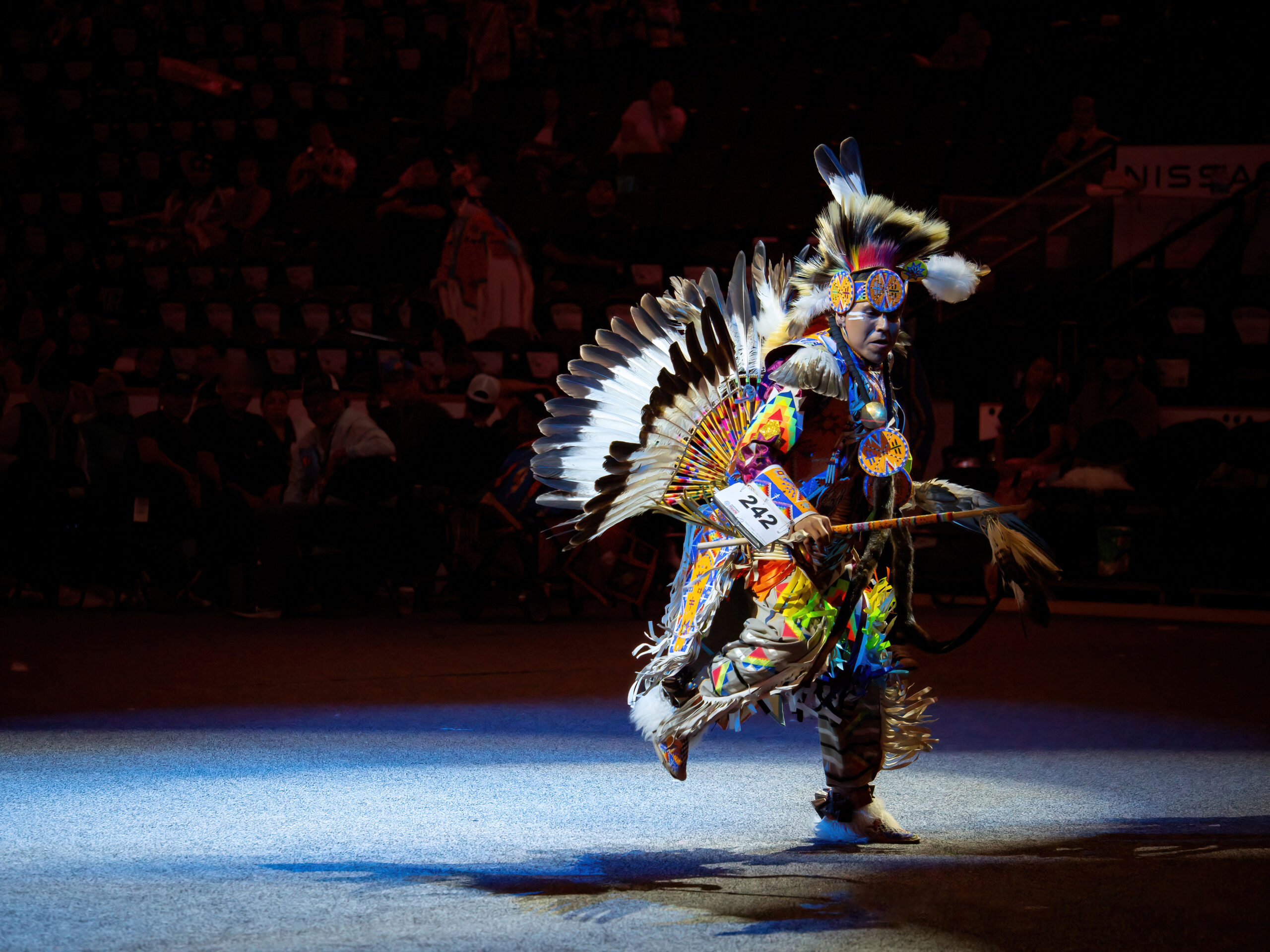
In today’s episode, W. Scott Olsen speaks with Ruth Bergen Braun, a Canadian photographer based in Calgary, Alberta, whose work focuses on expressive portraits and the vibrant traditions of Indigenous powwows, capturing people with warmth, curiosity, and a deep respect for their stories.
You can listen to this interview using our podcast player below, but we strongly encourage you to subscribe to the podcast in your podcast app so you don’t miss future episodes.
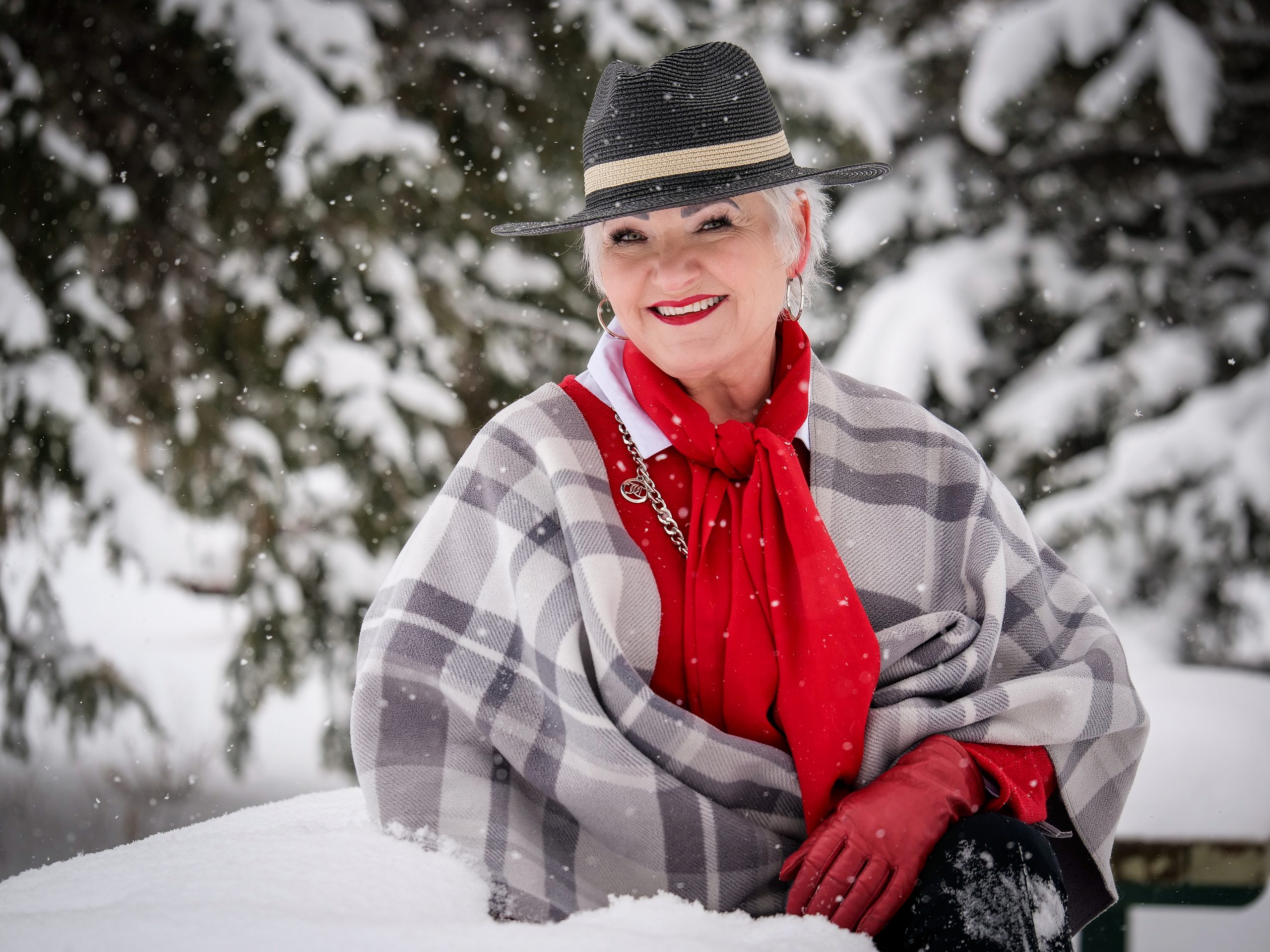
Ruth Bergen Braun is a Canadian photographer based in Calgary, Alberta, whose love of photography began as a teenager, when she first discovered the magic of making black-and-white prints in a darkroom. After studying photojournalism in the 1970s, she continued developing her photographic eye, eventually finding her greatest inspiration in people, their faces, their stories, and the connections that make each individual unique.
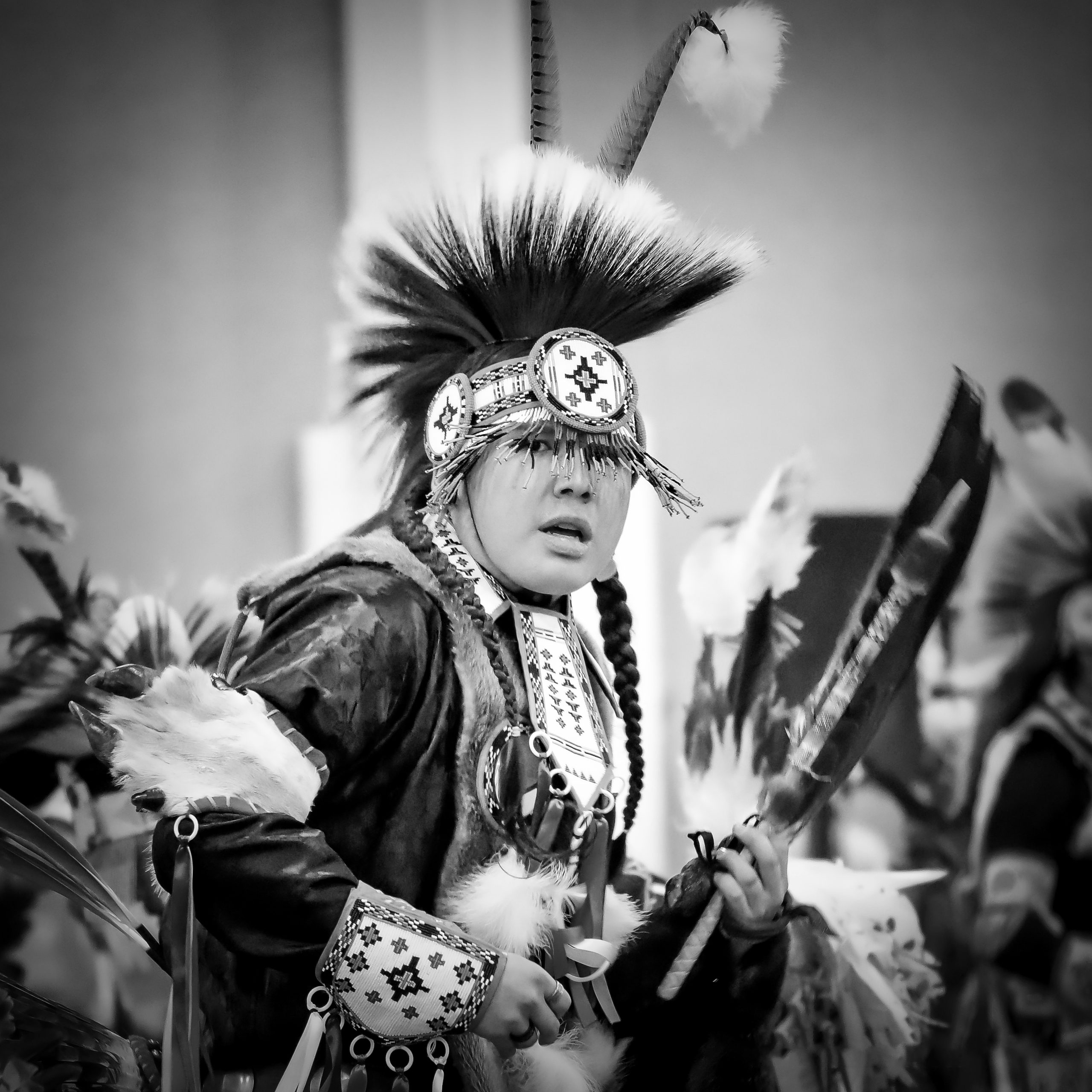
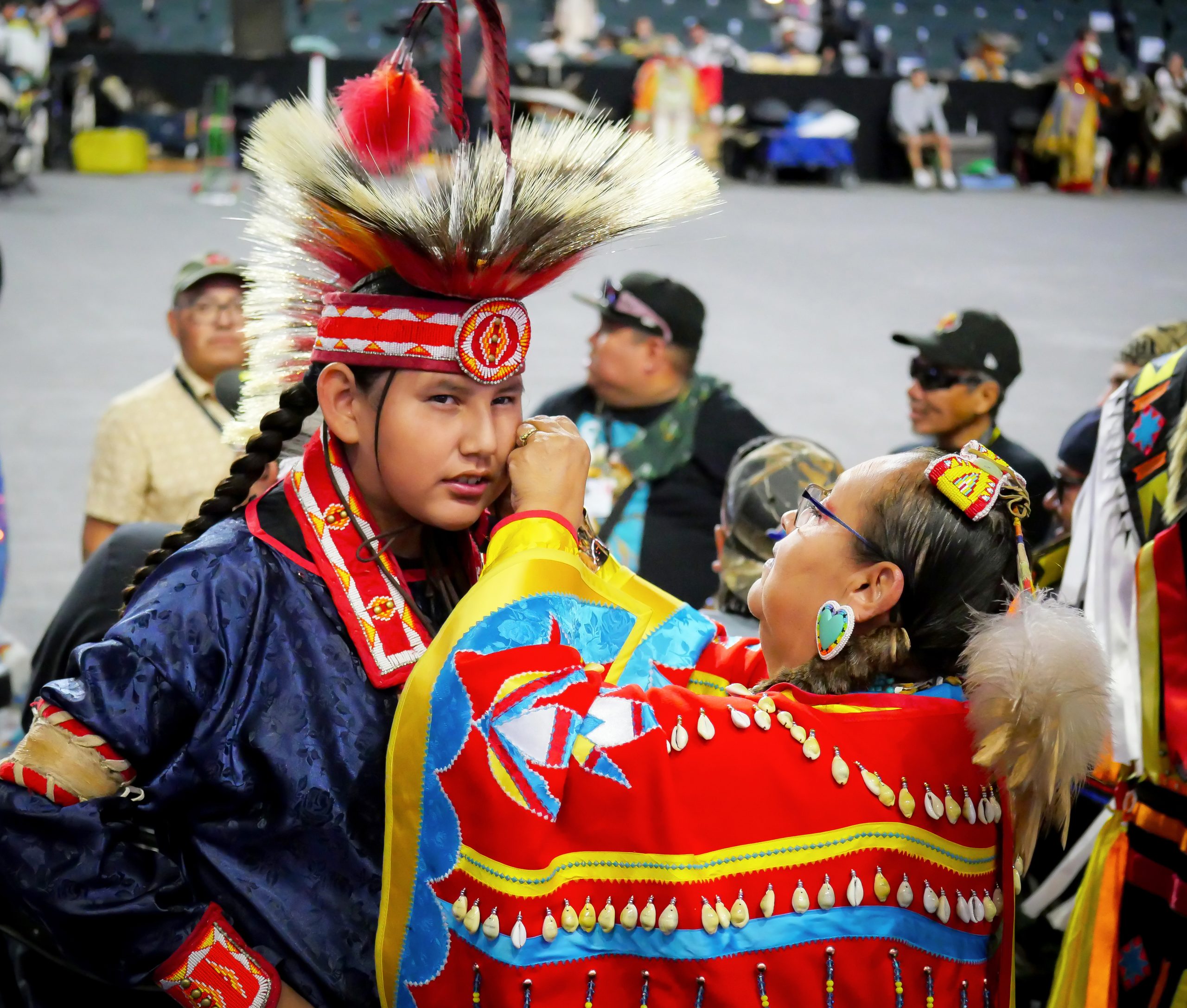
Her work is particularly known for its sensitive portraits and vibrant photographs of Indigenous powwows. What began with an invitation from a neighbor, a champion jingle dress dancer, developed into a lasting connection with the powwow community. Through her photographs, she celebrates the beauty, dignity, strength, and cultural pride of the dancers, creating images that go beyond the colorful spectacle to reveal the individuals behind the traditions.
Before retiring, Ruth also worked as a counselor, an experience that continues to influence her approach to portrait photography. She believes that a meaningful photograph begins with trust, conversation, and genuine interest in the person standing in front of the camera. Whether photographing a dancer, a family member, or a complete stranger, her goal remains the same: to create an honest image that allows something of that person’s character to shine through.
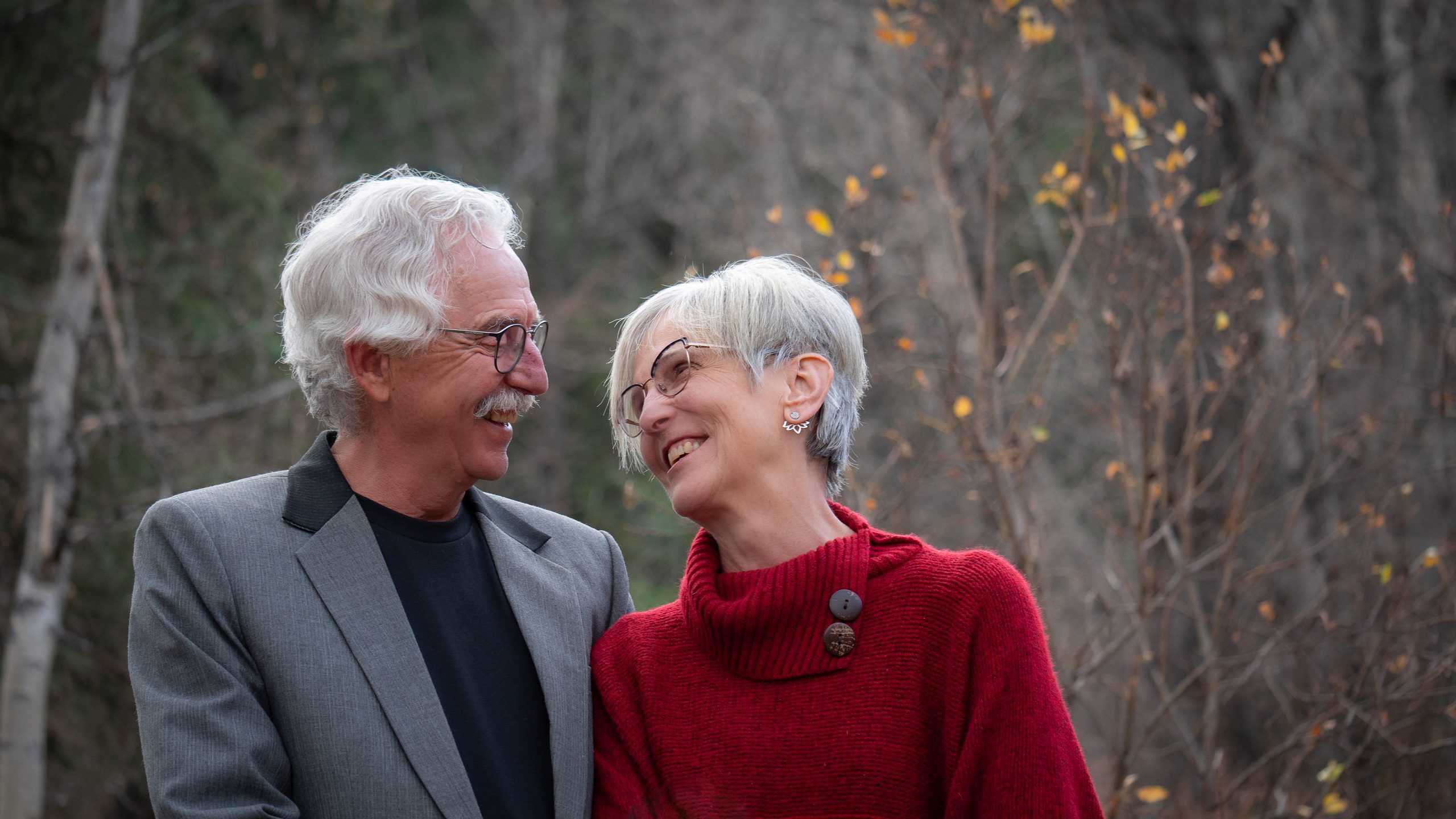
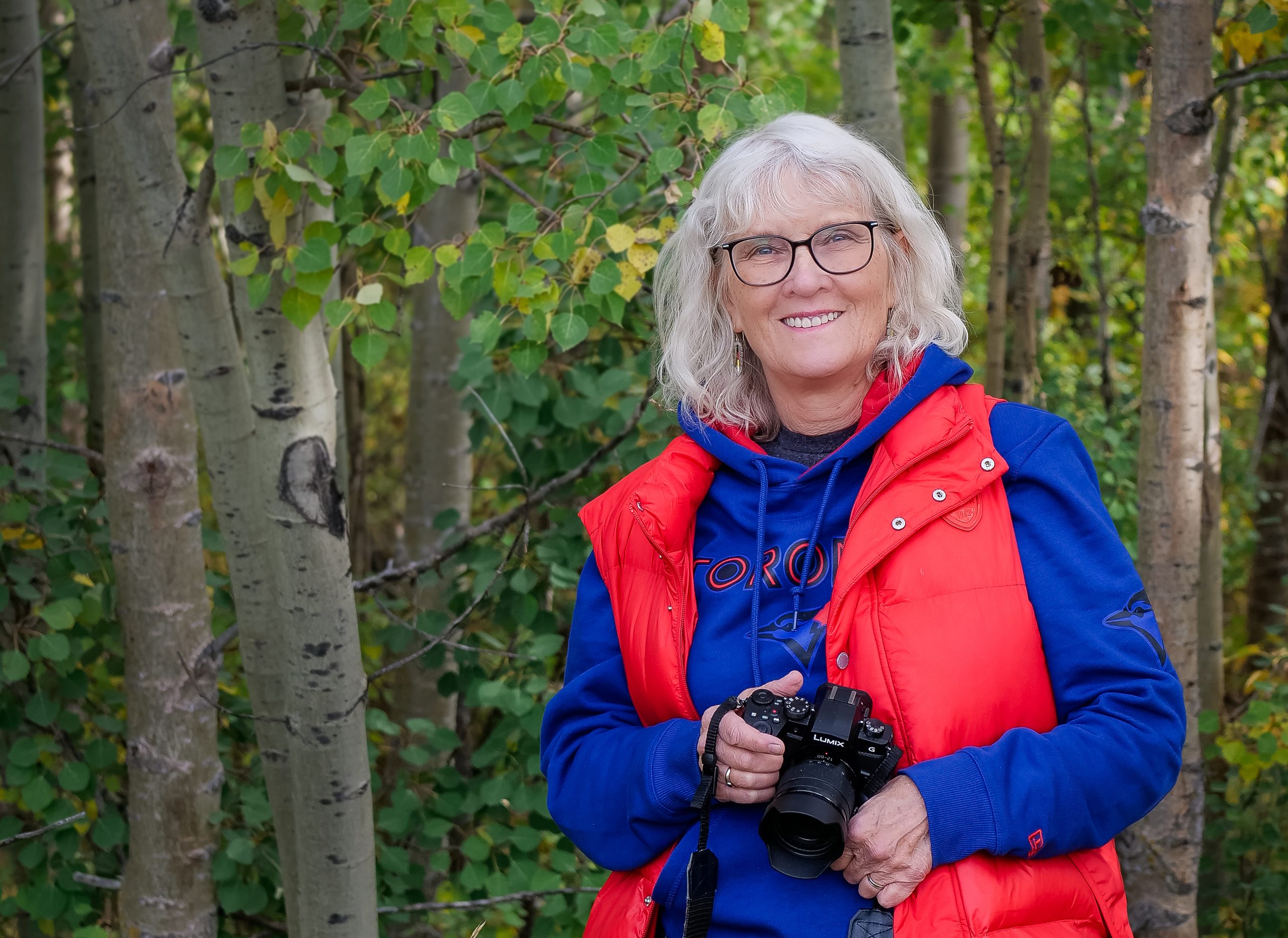
RUTH BERGEN BRAUN
Subscribe to FRAMES Photography Podcast.

FRAMES is a unique international photography community that combines the best of all worlds, bringing you print and digital publications, a global membership platform, access to live events, and a dedicated mobile application.
EXPAND YOUR PHOTOGRAPHIC VISION
JOIN FRAMES TODAY

Christopher Baker
November 4, 2026 at 16:14
Her portfolio is full of snap shots, taken like a tourist spectator at an amusement park Tomasz. She doesn’t comprehend the point of what they are doing, her photos clearly illustrate that. They are devoid of emotion and weight, like a sales catalogue. She doesn’t have a single photograph of an outdoor pow wow, only the large scale theatrical stadium events- very telling and lazy. I know because I have lived and worked with the people, been to potlatch, powwow, and funerals, sat vigil for days at the fire. I am a photographer and have created photographs that tell the stories. The reason I write this to you is to remind you about authenticity, the real driving force behind all art. Do with this as you will, but remember your choices regarding what you present as meaningful work leave a wake.
Tomasz
November 5, 2026 at 14:31
Christopher, thank you for sharing your thoughts. I appreciate your perspective and personal experience.
May I ask if you listened to the actual conversation between Ruth and Scott?
What struck me during the interview was that Ruth doesn’t seem particularly interested in making grand artistic statements. Her photography appears to be much more about human connections, the relationships she has built over the years, and giving something back to the community that has welcomed her. She speaks openly about how much she continues to learn, and how many of her photographs are made primarily for the dancers and their families.
Of course, this doesn’t place her work beyond artistic criticism. But I believe authenticity can take different forms. Sometimes it’s found in the photographs themselves, and sometimes in the sincerity of the relationships behind them.
I think there’s room in photography for both, and that’s one reason we felt her story was worth sharing.
Sharon
November 15, 2026 at 18:43
yes I would love to see your portfolio as I love powwow photography and was not able to find yours searching your name/photography. looking forward to your photography.
Christopher Baker
November 17, 2026 at 22:01
Hi Sharon, sorry for the late response. I follow the Concordia University Indigenous image guidelines, so none are available for entertainment consumption online. Regalia are considered to be living documents. I have only printed a selection of them for first nations people, my cousins mostly but also 2 Chiefs and band councils. They appreciate my ethics and reward me with the loan of artifacts from time to time which I also photograph – in context. They have also awarded me contracts to create the display cabinets that house their band artifacts- like ancient baskets. I’m not much for social media in general and no longer have accounts. My portfolio exists in series as thematic premium magazine format only and I exhibit a couple times a year. In the future, if I feel have enough appropriate coverage, I may make an entire book of first nations photographs. I will say this, you won’t see grandstands and astro-turf in my photographs of regalia and dancers. It’s difficult to avoid the inclusion of spectators but I have developed techniques to make their appearance work.
Terry Cioni
November 18, 2026 at 01:31
Christopher Baker,
Interesting, I read those guidelines and there wasn’t a single “guideline” I could find that precluded showing your images. So please let us know what of those guidelines you are referring to. It would have been surprising if indeed there were some guideline restrictions.
Christopher Baker
November 18, 2026 at 14:09
Hmmm, you appear to want an argument. Perhaps the terms misappropriation, intentionality, respect, and confirmed permission are foreign to you, each is prevalent in the Concordia document you claimed to have read. Your disrespect comes as no surprise and your comment will be stored for potential use in the afore mentioned book. I am discussing it’s publication with the chief of the band I have in mind, this takes time- something foreign to you no doubt. Your comment might work for providing context for a Turtle Rattle photograph. I don’t require your validation, nor do first nations. They are well acquainted with people like yo, as am I.
Terry Cioni
November 18, 2026 at 22:04
I am sorry Christopher for making you angry at me – that was not my intention – I just want to see your work being a visual learner and observer. As I said I am surprised you can not show this work. Native dance is always beautiful and spiritual at the same time and something every Canadian could benefit from. I am sure you agree. I want to add I live in a very proud Province in Canada that has signed and embraced DRIPA which I support and agree with. When you finally publish your work I would love to be able to buy a copy of your book. PS I am not and would never pick a fight.
Terry Cioni
November 6, 2026 at 02:18
Christopher can you please point me to your work, as you described it with words. A link to your portfolio would be useful in that I can put your words to your pictures. As a subscriber to a ‘luminous object need not shine light up itself’ I found your “I am a photographer and have created photographs that tell the stories, interesting.
Susan
November 10, 2026 at 02:59
I absolutely loved this interview with Ruth Bergren Braun. It provided extraordinary insight into a photographer whose work I have followed on Instagram and admired for a long time.
She is a brilliant photographer with an extraordinary ability to capture not only the beauty, movement, and emotion of a moment, but also the stories and relationships beyond the frame. Her powwow photography is particularly captivating, from the light filtering through feathers and the artistry of a dancer’s regalia to the presence of the drum group and the simple yet profound image of two people holding hands across generations.
For me, what made this interview so special was hearing the depth of Ruth’s commitment to the people she photographs. Her journey has been built on trust, friendship, respect, humility, and a genuine willingness to learn. When she said, “What I know I have been taught. I was taught this by my friends,” her gratitude for being welcomed and her respect for the people she photographs shone through. So, too, did her desire to share her photographs so dancers and their families can see just how beautiful they are.
Ruth’s warmth, passion, authenticity, and commitment to social justice and the dignity of all people make this interview truly memorable.
What a gift Ruth’s photography is to the world. Thank you, FRAMES and Scott, for sharing this inspiring conversation!