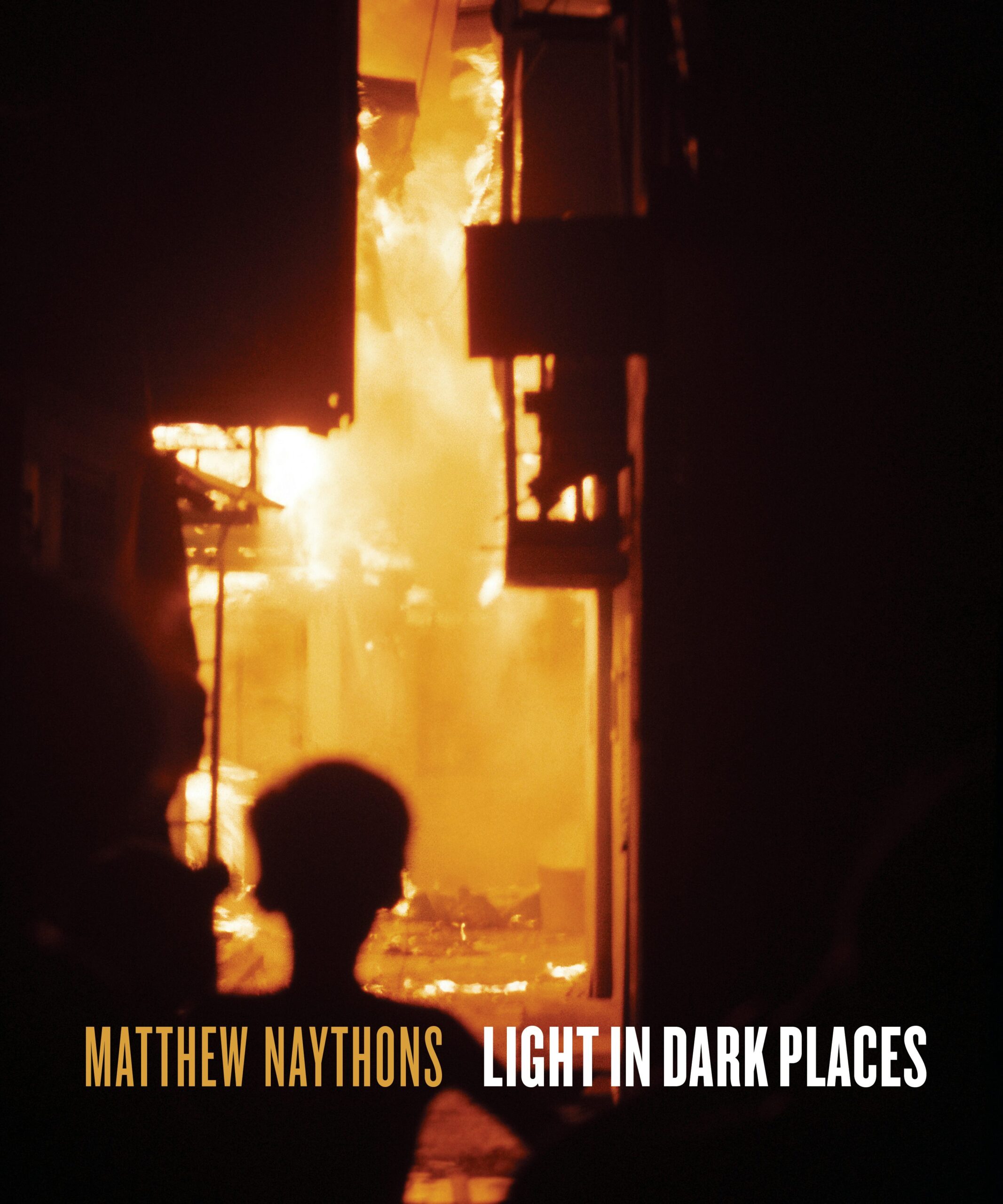
Let me say, here at the beginning, that Matthew Naythons’ book, Light in Dark Places, is a necessary book. It is profound, provoking, and a touchstone to history that all of us need.
I could argue that every photographer, certainly every photojournalist, should have a copy of this on their desk. But, frankly, its relevance and importance go well beyond photojournalism, well beyond what we would now call conflict photography.
“Light in Dark Places” by Matthew Naythons
Published by The Briscoe Center for American History at the University of Texas at Austin, 2025
Review by W. Scott Olsen
This book is a documentation. And, because the last image in here was taken in 1988, the book is also now a part of history. But, to be more exact, it is also a memoir, both of Naythons and of ourselves. This book is evidence of where we have been, evidence of what people born in the last four decades have no memory of, and yet need to know.
The photographs in Light in Dark Places range from 1963 to 1988, and while looking at the book, I wondered about both the past and the future. Because I am old enough to remember these years, the images have a special personal relevance. I remember the news of Jonestown. I remember the news of the Sandinistas. The photographs were direct heart-gut lines. But what about the people who came after 1988? Would this book speak to them?
The answer, I believe, is an unequivocal yes.
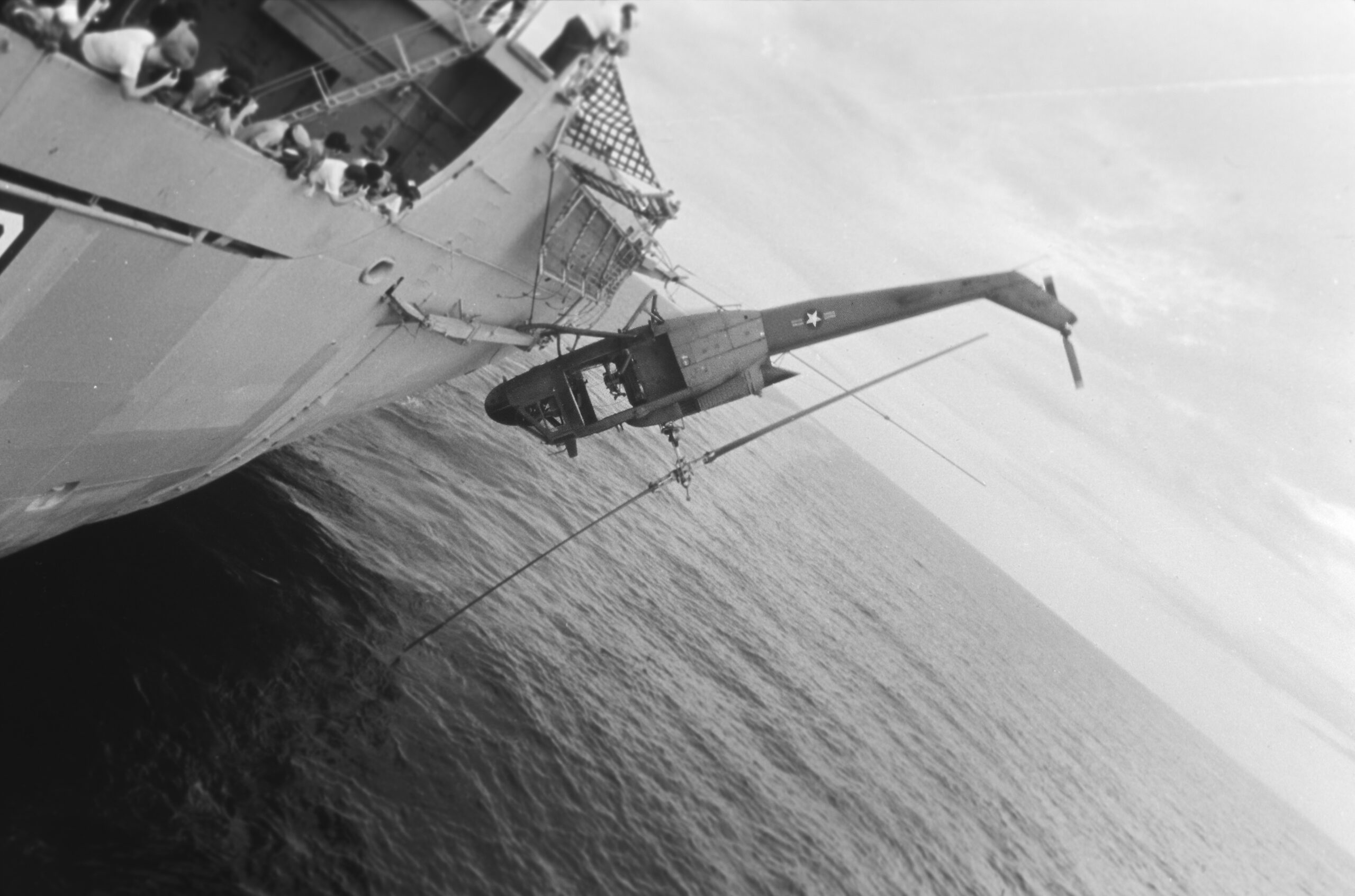
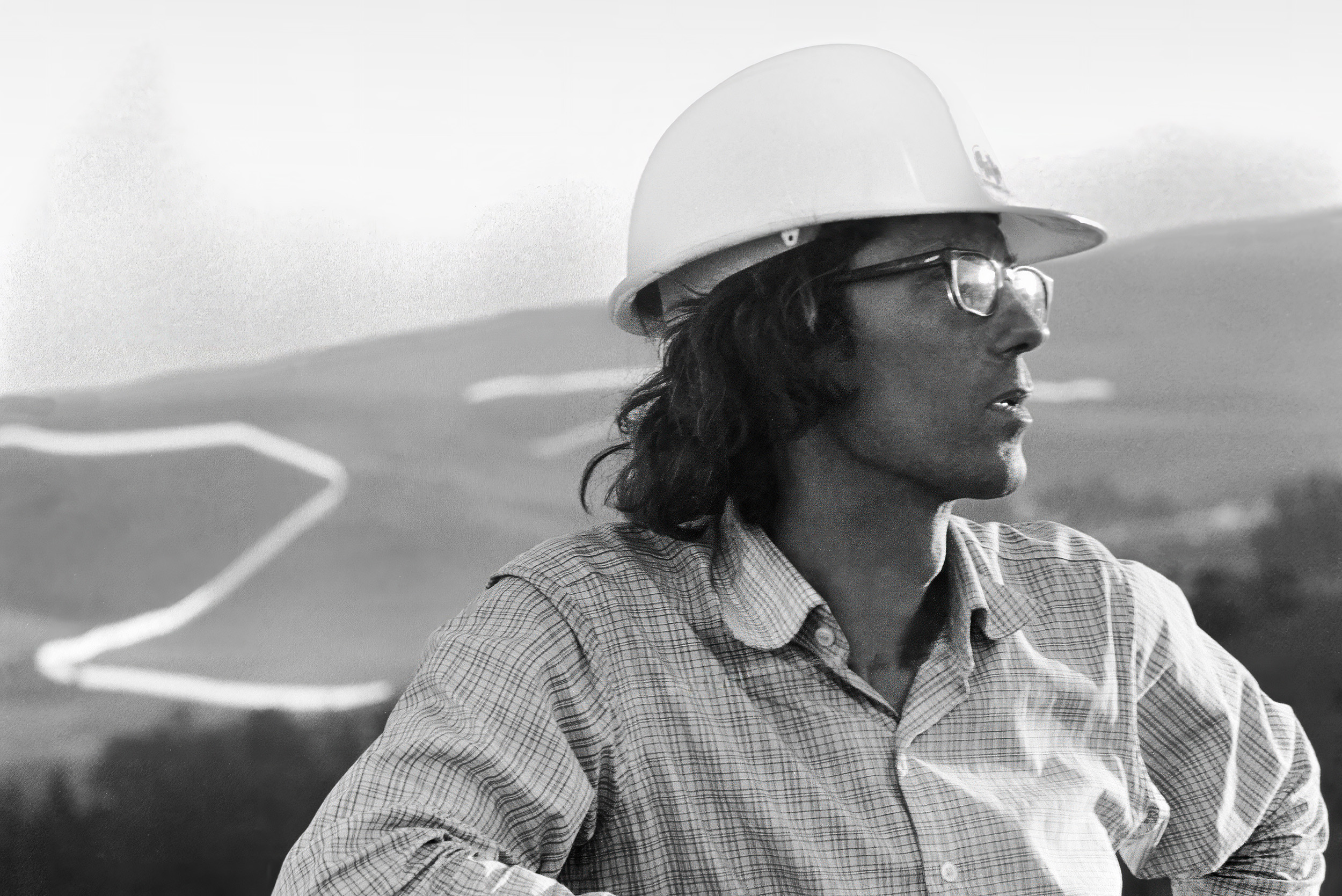
In a foreword, National Book Award winner Judith Thurman makes an interesting point—
Few of us were strictly impartial witnesses to the conflict we were reporting, but here it strikes me that one of the qualities that makes Matthew’s images significant historically and artistically is their emotional justice. They don’t represent good guys and bad guys even handedly, but their ultimate achievement is to capture the stressed human life on a bell curve, with anguish at one extreme and joy at the other. A war photograph that outlives its dateline transcends the bias of its creator and beholder, and even the entitlement of its subject to our sympathy; it’s a moment of truth about mortality.
Yes, absolutely. A moment of truth about mortality is what makes every page in this book exquisite.
The book begins with a picture of John F. Kennedy in 1963. A senior in High School, Naythons had found a way to sneak onto the tarmac to gather this picture, and from there the book is arranged chronologically through the Soviet invasion of Czechoslovakia in 1968, Tokyo student Protests in 1969, Fort Dix in 1969, the Yom Kippur War in 1973, and so on. And the book is not all war pictures. There are images from the presidential campaigns of 1976, Gerald Ford versus Jimmy Carter, as well as images from prisons, coal mines, and visits by the Pope.
Naythons was the first photographer on site at the mass suicide in Jonestown, and documented the Sandinistas in 1978.
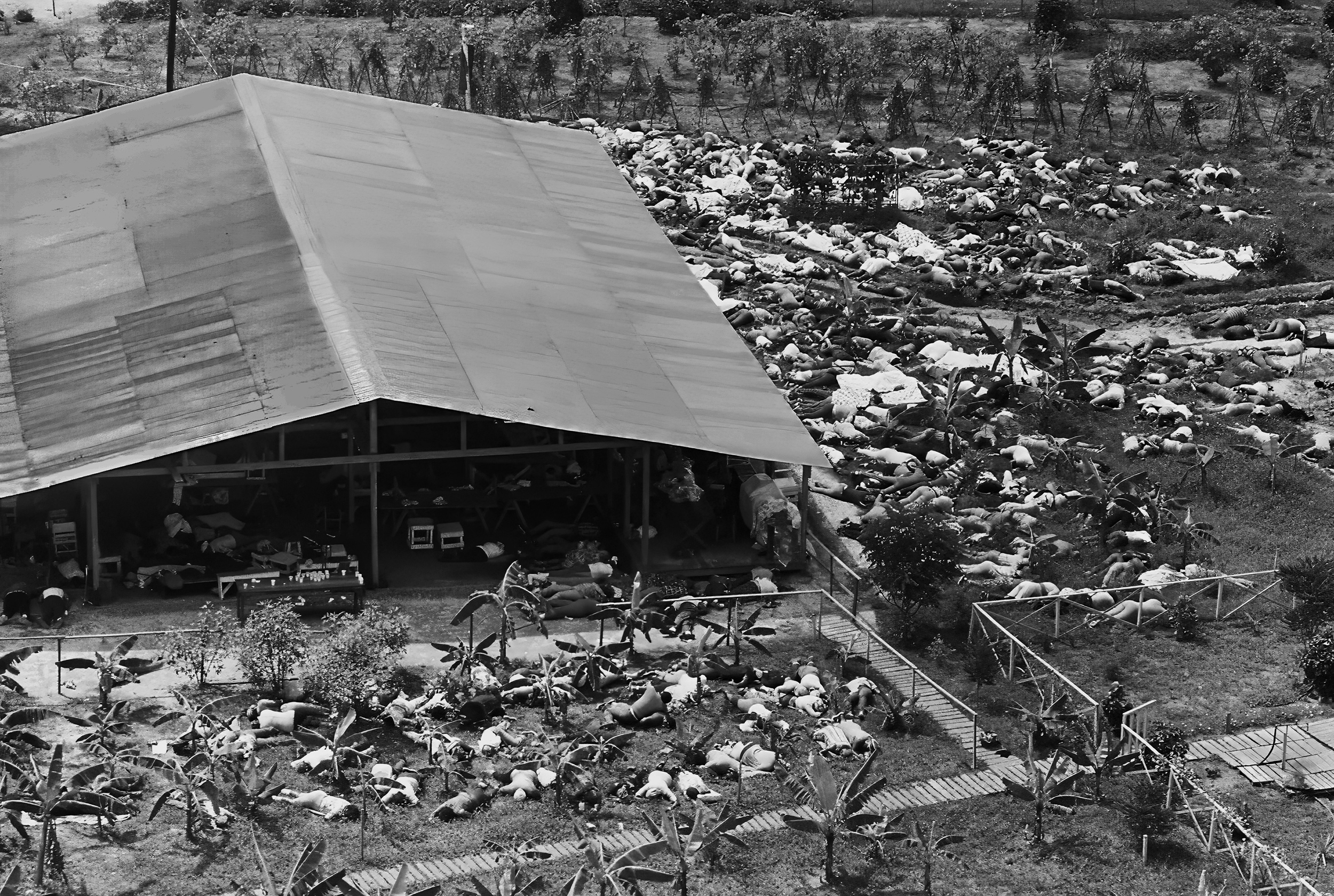
When the book changes locations, there is often a paragraph of contextual information so a viewer will know where the images are from and what situation they represent. The individual images after that all have brief explanatory captions, too.
Going through this book, I find myself amazed at the courage of the photographer, and more intimately amazed at the memories, the poignancies of those moments. And, frankly, our inability to learn very much from our own history. History is instructive this way. Visual history is especially sharp.
There is a deep humanity in every picture. This is a quality I believe Naythons carries in his heart. Naythons is an Emergency Room physician and a self-taught photojournalist heading out to conflict zones.
Again, as Thurman writes in her forward—
I have tried to suggest where the guts in these pictures come from, but what about the art? Emergency medicine is, in essence, doctoring under fire; after midnight in a big city ER, it is often the business of treating trauma wounds. A picture can’t be said to heal a wound, yet a great picture attends to one. It does so as a combat medic does, with steely nerves, a keen eye, deft hands, split second timing, and a difficult balance to negotiate between compassion and detachment. Matthew’s finest images attend to the wounds inflicted by violence, and not only by the obvious carnage of war or the devastation of earthquakes and hurricanes, but by racism, addiction, despotism, famine, poverty and fanaticism…
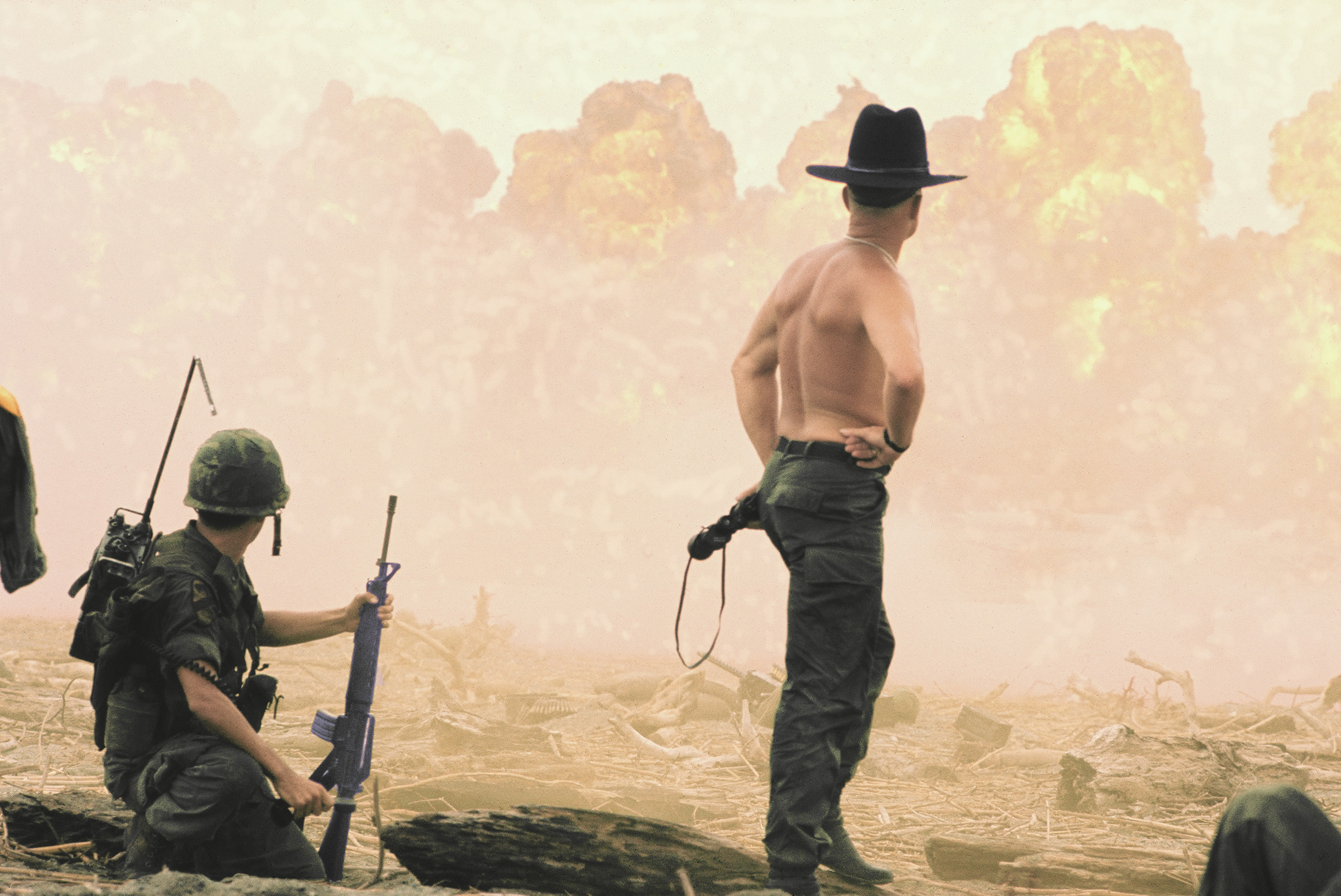
The images in Light in Dark Places both shout and whisper at tremendous volume. Don Carleton, founding executive director of the Dolph Briscoe Center for American History, which houses the Naythons archive, writes a fine afterward that explains Naythons’ work as source material for research. And at the very end of the book, Naythons writes a memoir in text, starting with Kennedy, moving through his forging of documents, agency work, how he wound up in Saigon during the evacuation, and more. While the images are intimate in the way they portray the anguish of those on the far end of the lens, this memoir, at the end, is both personal and revealing about the heart of the physician/photographer—
Throughout my career, I’ve been asked some version of the same question: Are you a physician or a photographer? My answer has always been the same: I am first and foremost a physician. I’ve never taken, nor would I take, a photograph if I could step in and help save a life. But over the years, through my own images and the work of others, I’ve also come to understand how photographs can reveal suffering that would otherwise remain unseen. And when that kind of awareness reaches far enough, it can save lives too…It has been a life shaped by contradictions: a doctor who became a photojournalist, a storyteller who set down his camera to save lives.
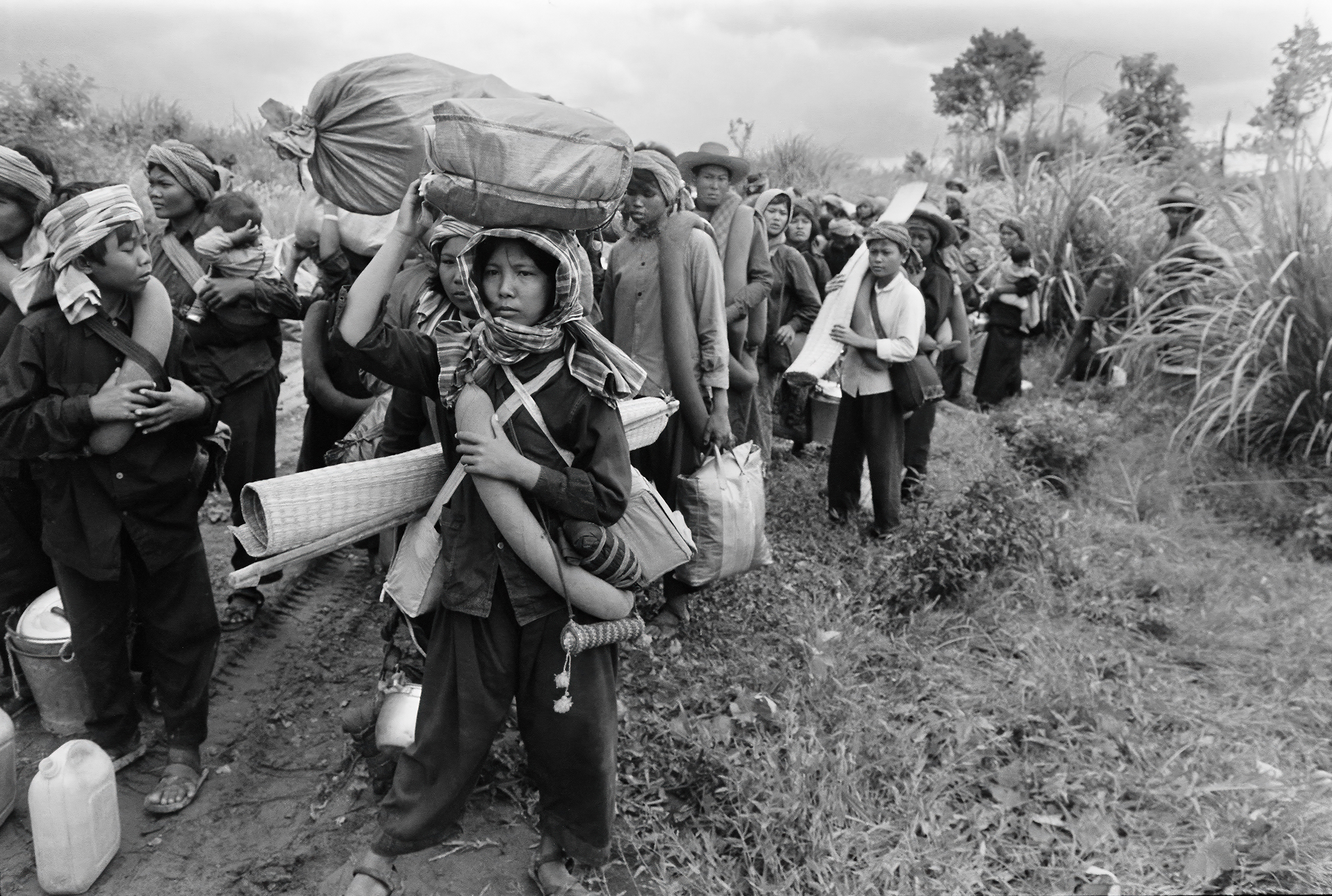
Naythons stopped conflict photography when he became a parent in 1988. He’d seen too many of his colleagues leave children behind. But the documents he’s left are extraordinary, both individually and more so gathered into this book.
This book is photojournalism at its best. To have it all gathered in one binding is an extraordinary gift for us all.
A note from FRAMES: Please let us know if you have an upcoming or recently published photography book.

FRAMES is a unique international photography community that combines the best of all worlds, bringing you print and digital publications, a global membership platform, access to live events, and a dedicated mobile application.
EXPAND YOUR PHOTOGRAPHIC VISION
JOIN FRAMES TODAY