
I shouldn’t be surprised anymore.
I’ve seen enough still life photography to know that perhaps the quietest of the photographic forms has an immense power to grab the heart and soul, to be profound, to open something in our imagination which seems at the same moment completely familiar and completely fresh.
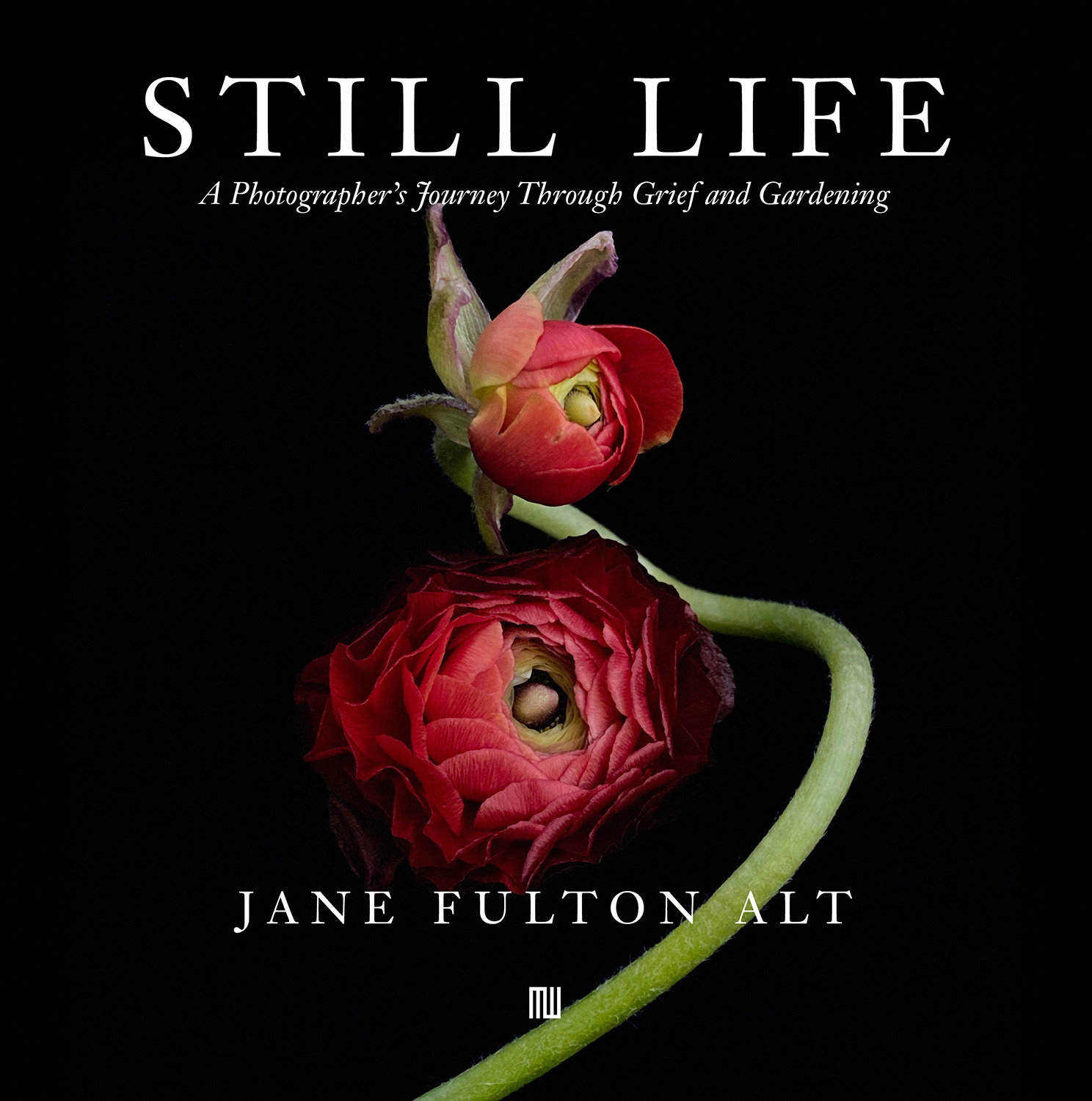
Jane Fulton Alt – “Still Life: A Photographer’s Journey Through Grief and Gardening”
Published by MW Editions in 2026
Review by W. Scott Olsen
There is such care given to the successful still life image, so much intentionality at every level, that every element becomes a mark of talent and insight. The still life assumes we will study not only the elements within a composition, but the elements within the composition of the composition—a bit like studying a landscape painter’s vision of a mountain or valley and then studying the brushstrokes. Yes, we can talk about a street photographer’s understanding of color, a travel photographer’s point of view, a sports photographer’s framing, but the still life remains some degree apart. Still life photography asks for, and rewards, a different speed of consideration. Slowing down, considering more deeply—that’s precisely the point.
So, perhaps I shouldn’t be surprised by the fact that I am still surprised, and grateful, when an extraordinary book of still life images comes along.
Still Life: A Photographer’s Journey Through Grief and Gardening by Jane Fulton Alt is an extraordinary book. It is moving. It is beautiful. It is sad and joyous. And, on every page, it is mindful and contemplative.
In her brief Forward, Alt writes—
I was never a gardener.
Then my husband died, leaving behind an extensive, newly planted native garden. His radical transformation of the green space around our home was stunning. He had worked tirelessly and methodically as he pulled up our lawn and seeded a sanctuary. In the autumn of his life, he had planted a garden for the future.
I asked him one day, “When you are gone, who’s going to take care of this garden?” He just looked at me and smiled.
Little did I know it was to be the greatest gift he could have given to me. The garden and the camera have been my loyal and constant companions, a potent combination in adjusting to this new life.
These photographs and thoughts represent the start of my journey.
Alt became the gardener after her husband Howard’s passing. Already an accomplished and sophisticated photographer, she turned her imagination and lens to the flowers and plants, and now turns around and offers those images to us.
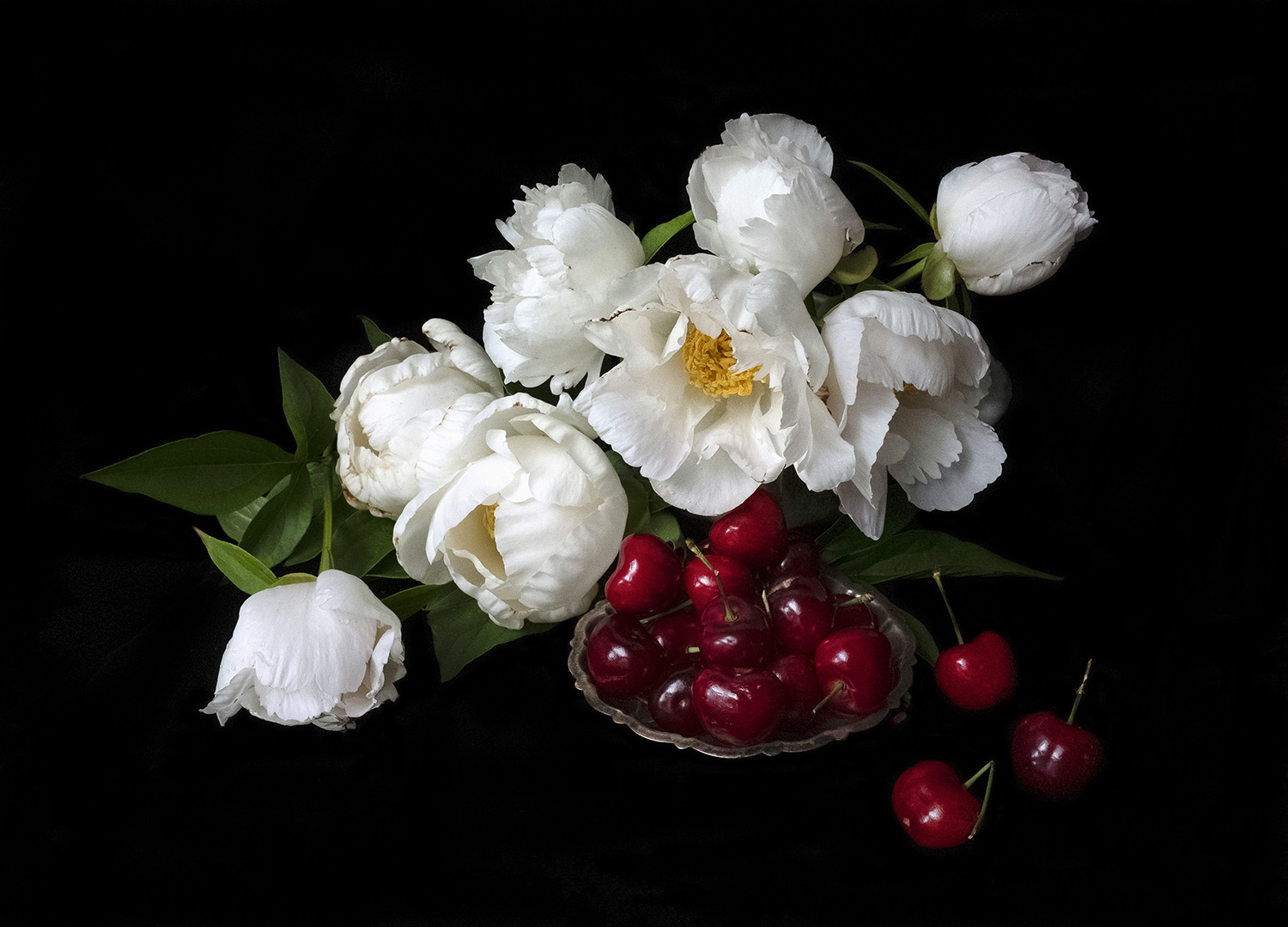
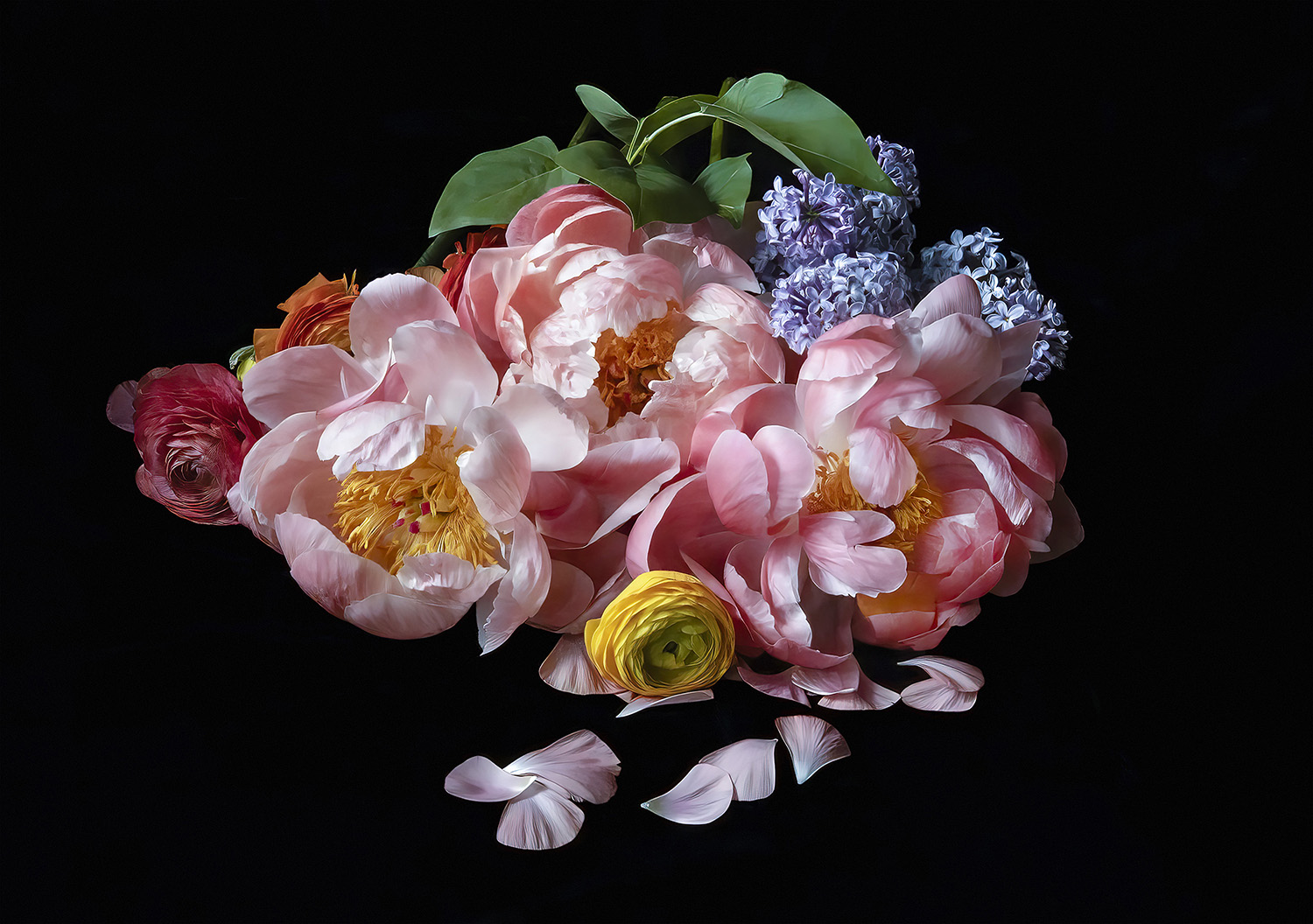
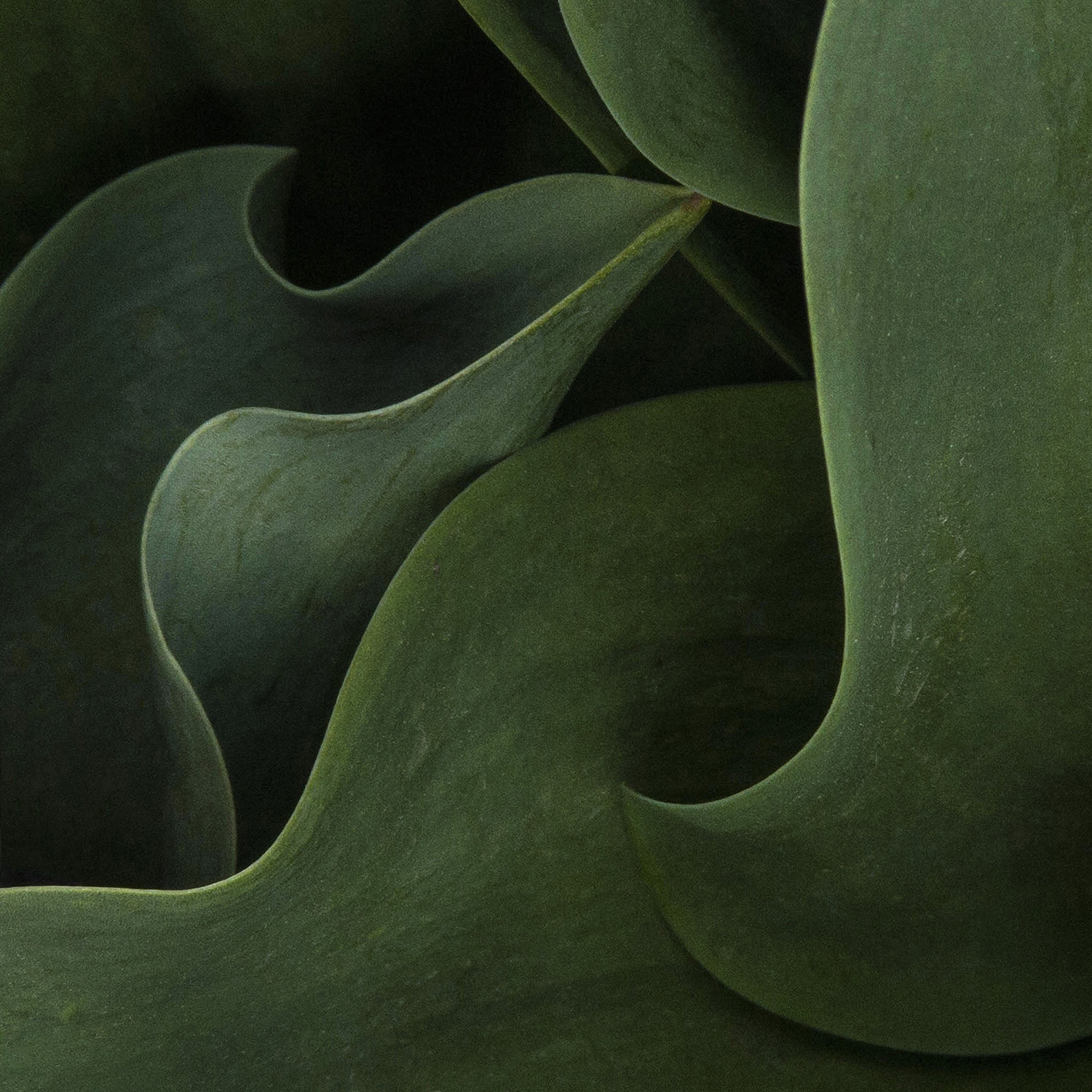
The plants and flowers here, some of them studio shots, some of them taken, it appears, while still in the garden, are masterpieces of light and color, of imagining the photographic frame in all its elements. There are black backgrounds which serve to highlight the greens and reds and yellows and browns of the flowers. The images are mostly very close to their subjects, engaging in the textures of detail. The result, as is often the very reason for a still life approach, is a type of isolation that does not mean loneliness as much as celebration and intimacy.
Throughout the book, there are little bits of meditation and text, each offered on their own page facing the plants. The first one reads: “Flowers offer a pathway for mending a broken heart.” Later, another page says: ”The gardens are a refuge I never anticipated.” Toward the end of the book, we read: “Love is another form of paying attention and exists on many planes and dimensions that we do not fully understand.” The pages with text are another form of slowing down, of focusing our participation here on contemplating an idea to go along with our emotional responses to the photography.
The images are offered without captions, without explanation or detail. While there is an index at the back which tells me, for example, page 29 is a garden tulip, tulipa gesneriana, , and the image was taken on April 24, 2017, the index is not part of the initial reaction. The subject of this book is beauty, our response to beauty, more than botany.
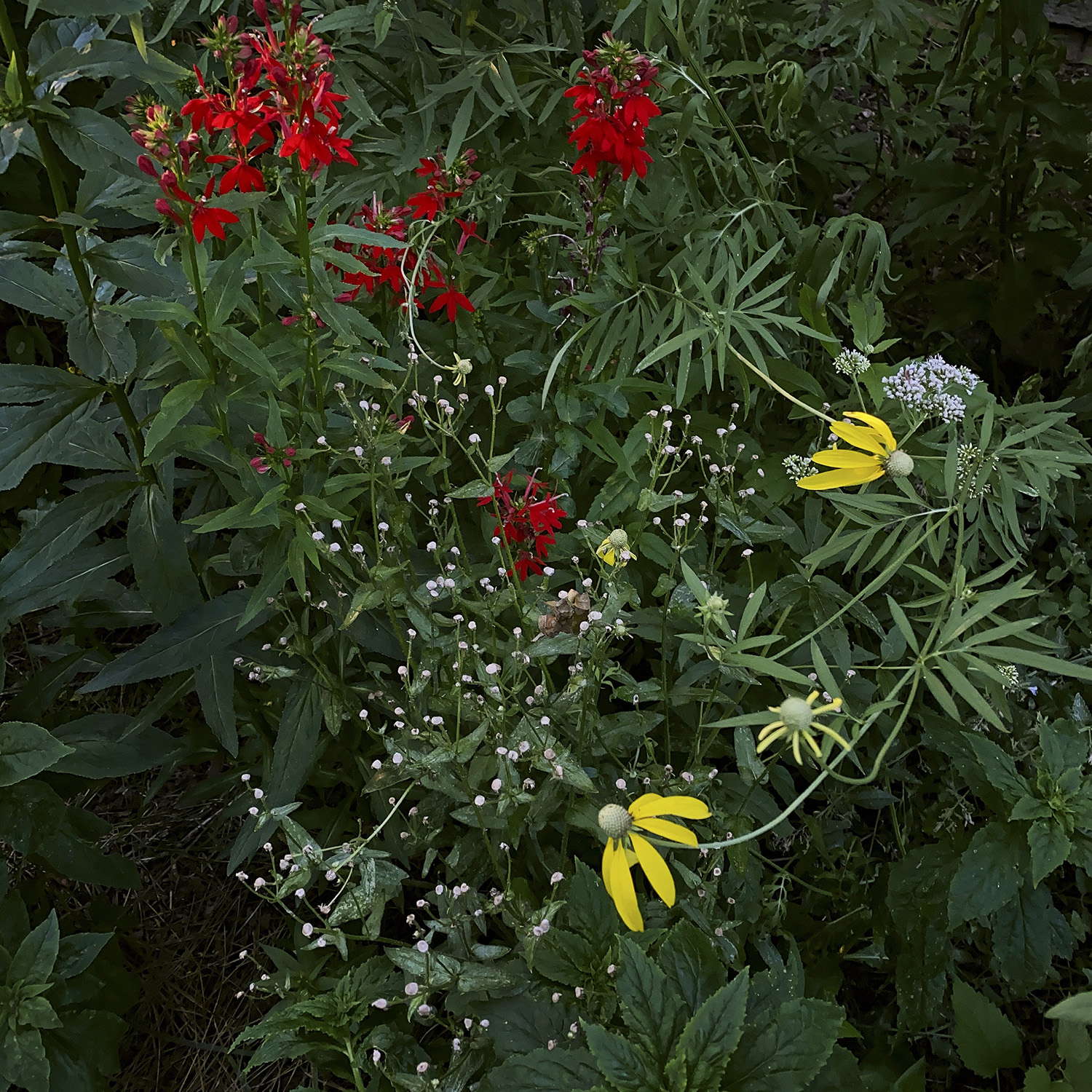
The color reproduction in this book is extraordinary. And I’m especially struck by how there are leading lines everywhere, not only leading lines of color and light and shape, but in some of the images, leading lines of focus or depth of field. On even what appears to be the simplest pages, the longer I look, the more complicated the composition and the emotion becomes.
At the end of the book, there are three essays that take on the ideas of mortality, gardening, and love. For example, in a work by James Baraz called “The Great Transformation,” we read—
There is suffering in life. This is the First Noble Truth of the Buddha’s teaching. How we manage the inevitability of sorrow determines whether we see life as something to accept resignedly or as an invitation to deeply awaken to the truth of the nature of being. In opening ourselves to the pain of our loss and finding constructive ways to express all that we feel, we transform our suffering into compassion and ultimately into a more enduring kind of love. In Still Life, Jane Fulton Alt shows in a profound way how that transformation can be a sacred cultivation of beauty and a celebration of life.
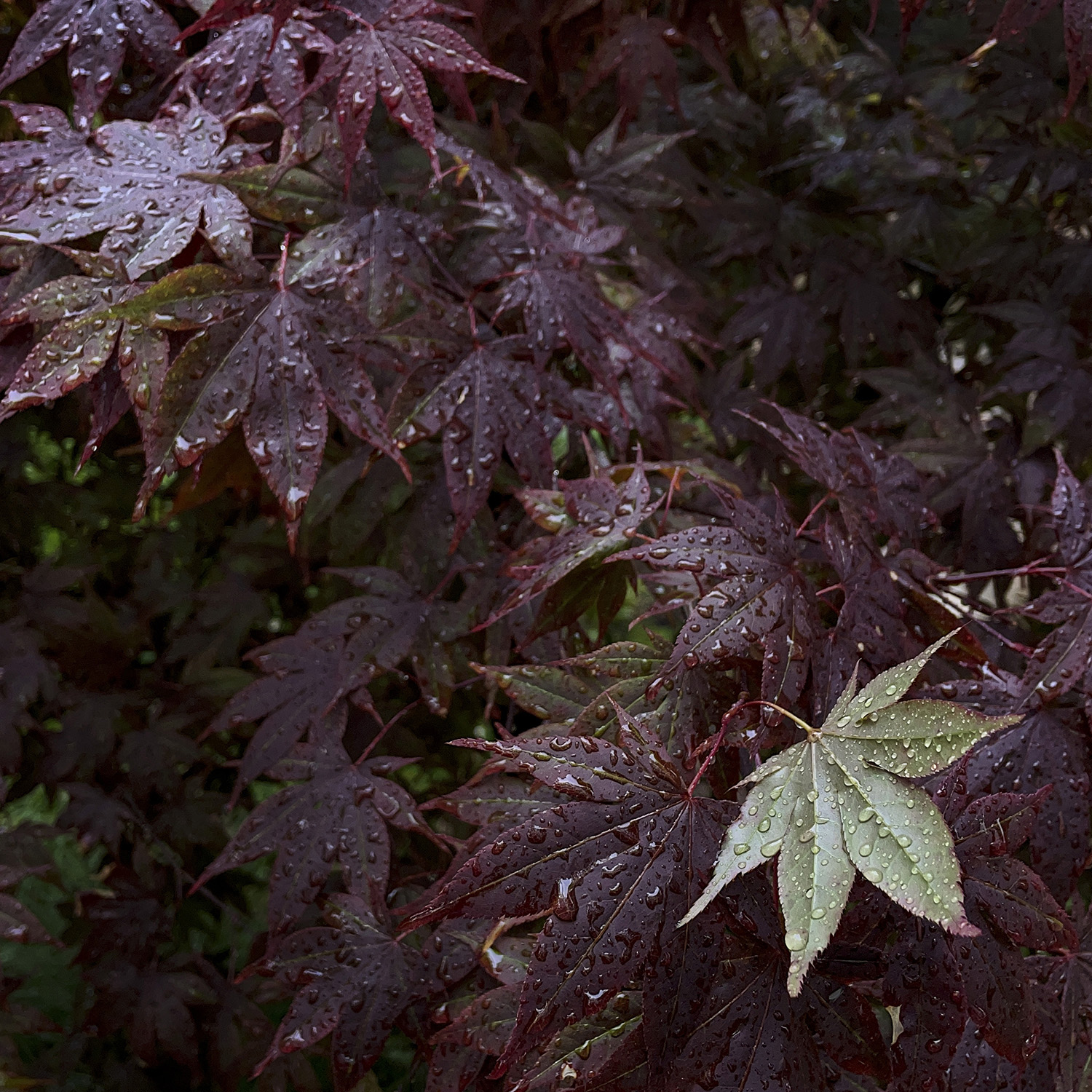
One of the lovely things about this book is how the title can be read in two ways. Still life is a genre of photography, but, as this is a book about loss and grief, the title could mean even when confronted with death, there is still life.
The book is beautiful, no matter how you want to define that word and idea. The book is both sad and peaceful, and it invites considerable lingering on every page. Not only lingering because of the quality of the photographs, but also because of the evident depth of emotion in the way every plant and every flower is celebrated and offered on the page.
A note from FRAMES: Please let us know if you have an upcoming or recently published photography book.

FRAMES is a unique international photography community that combines the best of all worlds, bringing you print and digital publications, a global membership platform, access to live events, and a dedicated mobile application.
EXPAND YOUR PHOTOGRAPHIC VISION
JOIN FRAMES TODAY
Yetty Meltzer
May 23, 2026 at 21:01
Beautiful book and a beautifully descriptive review
Lori
May 31, 2026 at 00:03
This is beautiful in all ways. I am sorry for you loss but we are blessed by your art…so lovely