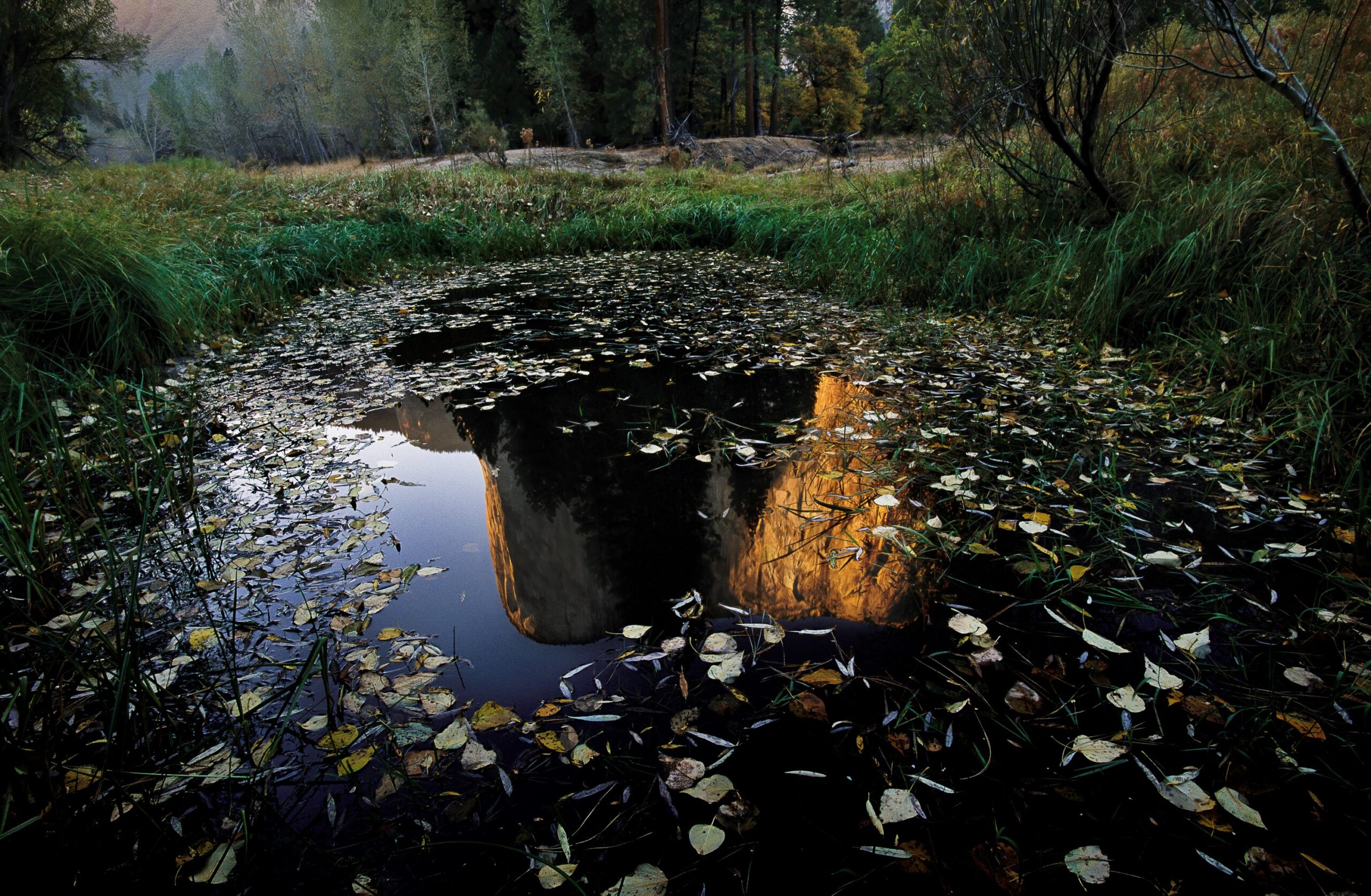
Reflections of El Capitan in Yosemite National Park was part of a National Geographic story on Frederick Law Olmsted. America’s first landscape designer worked there and was inspired by nature to create Central Park. His early journals note ferns and leaves reflected in small pools of water below the dynamic rock formations on the valley floor.
In today’s episode, W. Scott Olsen speaks with Melissa Farlow, a Pulitzer Prize-winning documentary photographer whose deeply human storytelling for National Geographic has explored the landscapes, cultures, and environmental challenges of the American West and beyond.
You can listen to this interview using our podcast player below, but we strongly encourage you to subscribe to the podcast in your podcast app so that you don’t miss any future show episodes.
Melissa Farlow is an award-winning documentary photographer whose career has been defined by a deep commitment to visual storytelling about people, landscapes, and the relationship between the two. A longtime contributor to National Geographic, she has produced more than twenty major projects documenting subjects ranging from the American West and its wild horses to the Alps, Alaska, South America, and communities across the United States. Her photographs are distinguished by their empathy, quiet observation, and strong sense of place.
Before becoming a freelance photographer, Farlow worked as a staff photographer for the Courier-Journal, The Louisville Times, and The Pittsburgh Press. She shared a Pulitzer Prize for the Courier-Journal‘s coverage of school desegregation in Louisville and has received numerous honors throughout her career, including a National Headliner Award, Pictures of the Year recognition, and induction into the Indiana Journalism Hall of Fame.
Beyond her editorial work, Farlow is the author and contributor to numerous books, including Wild Lands of the West and Long Road South, with her images appearing in more than seventy publications. She has also photographed assignments for organizations such as the Ford Foundation and Habitat for Humanity, while teaching workshops and mentoring photographers through institutions including the Missouri Photo Workshop and The Photo Society.
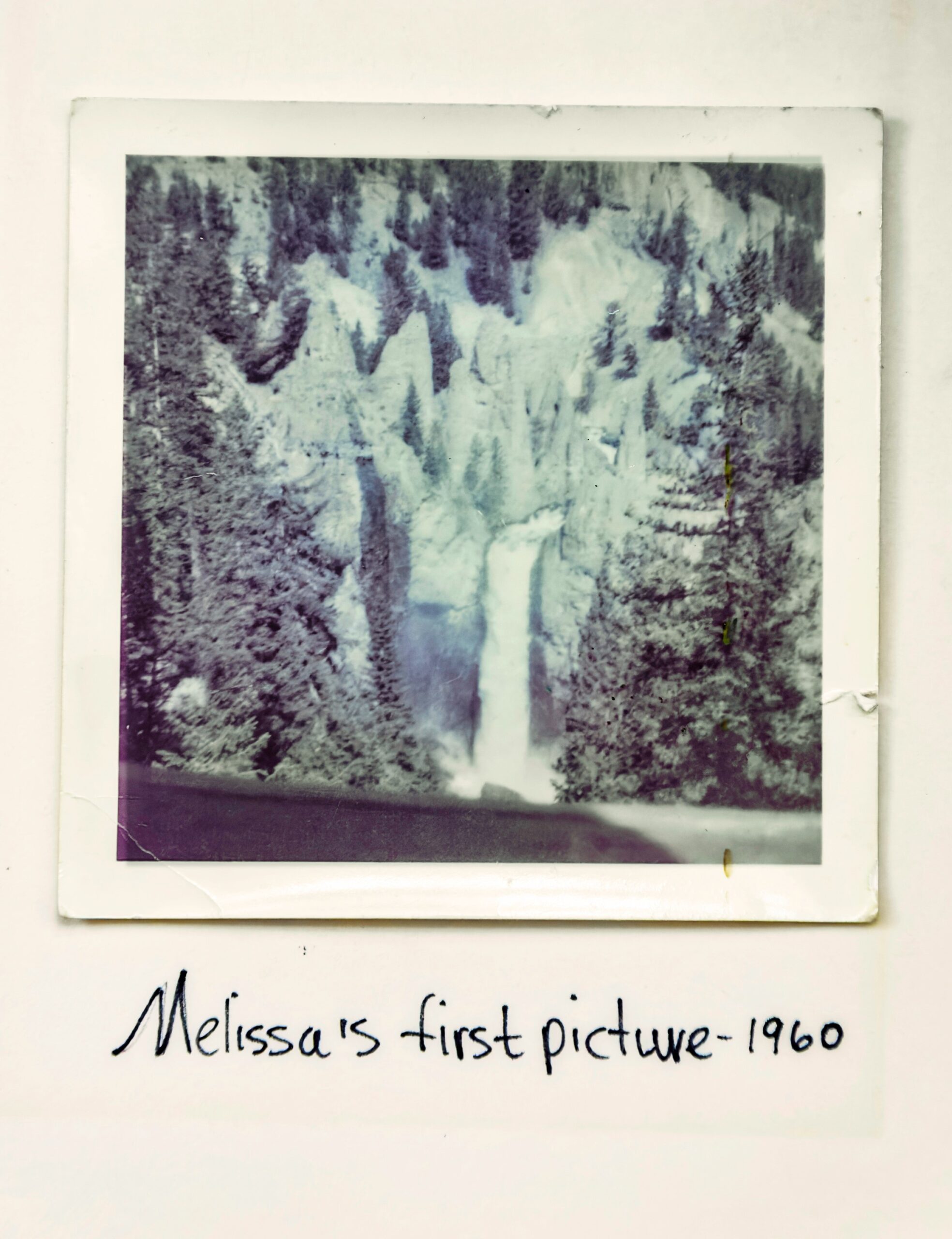
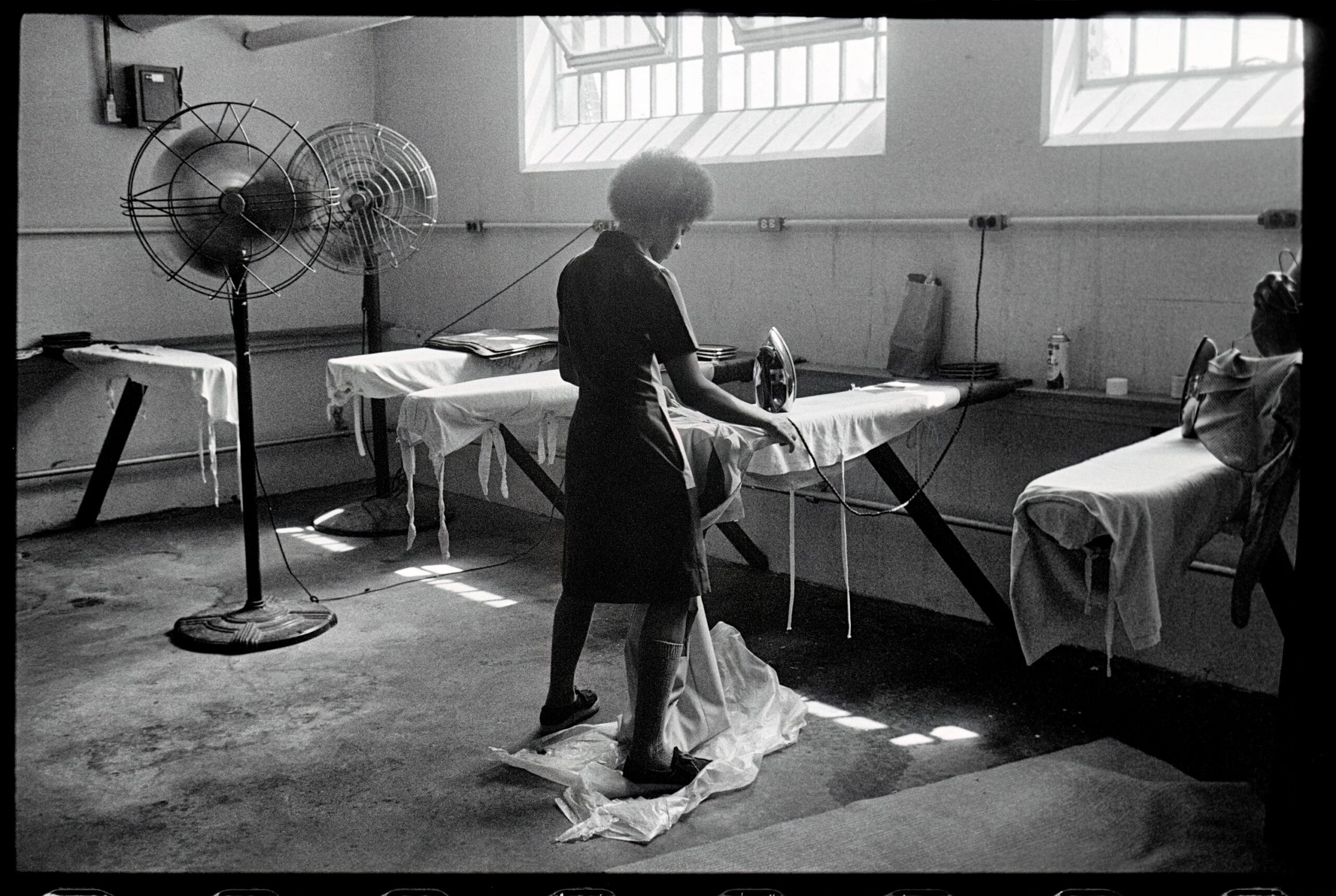
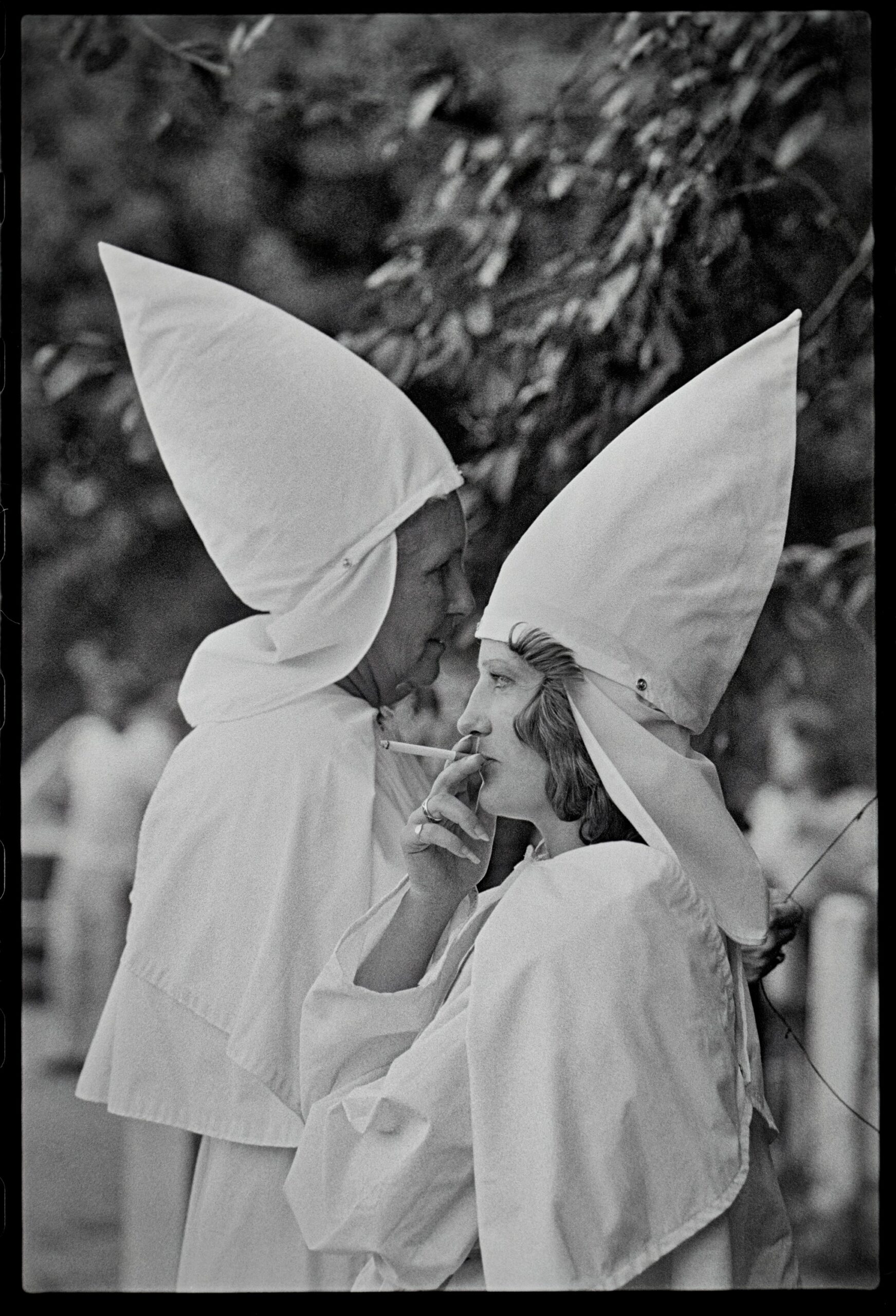
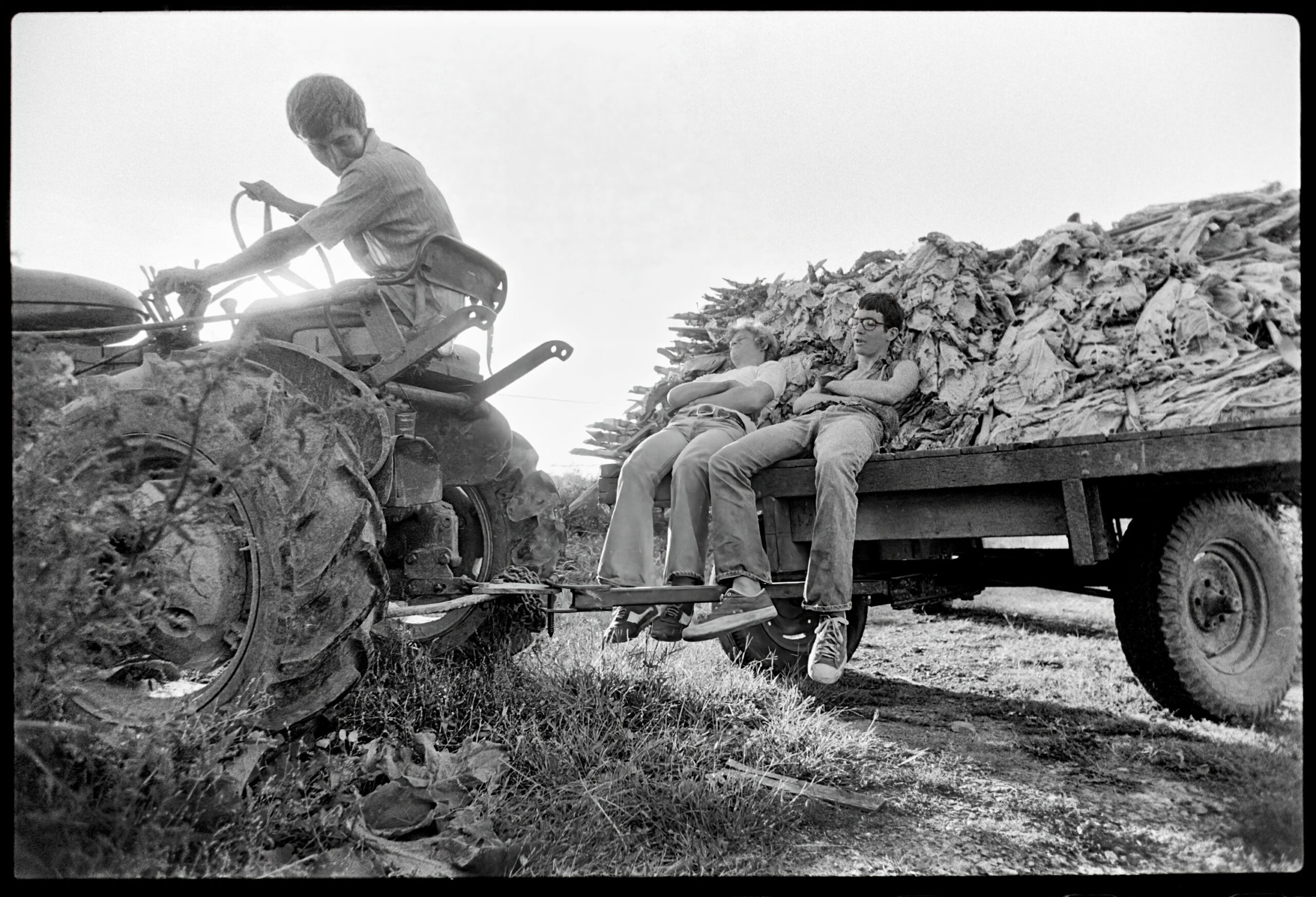
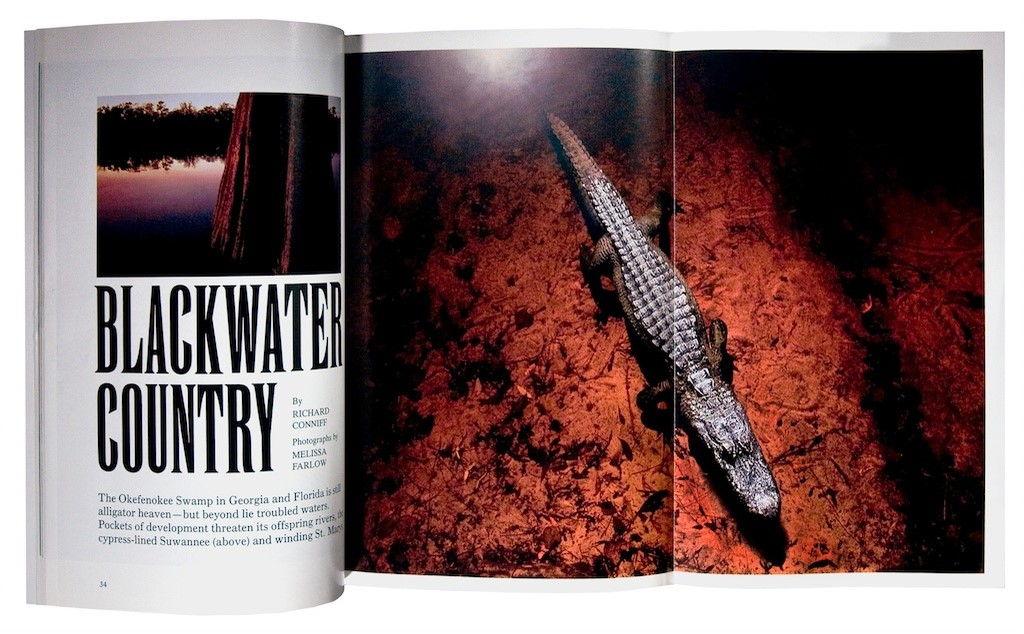
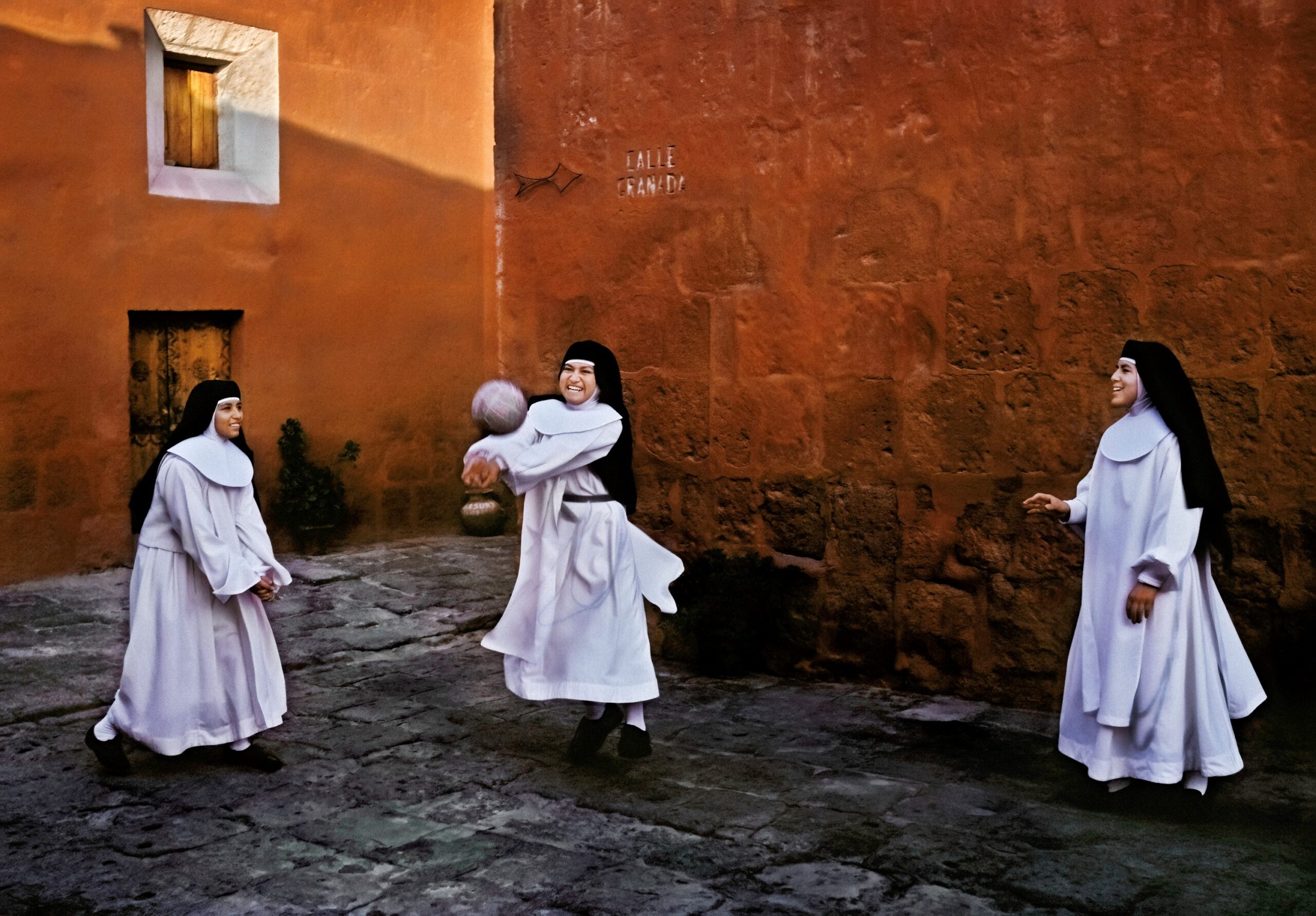
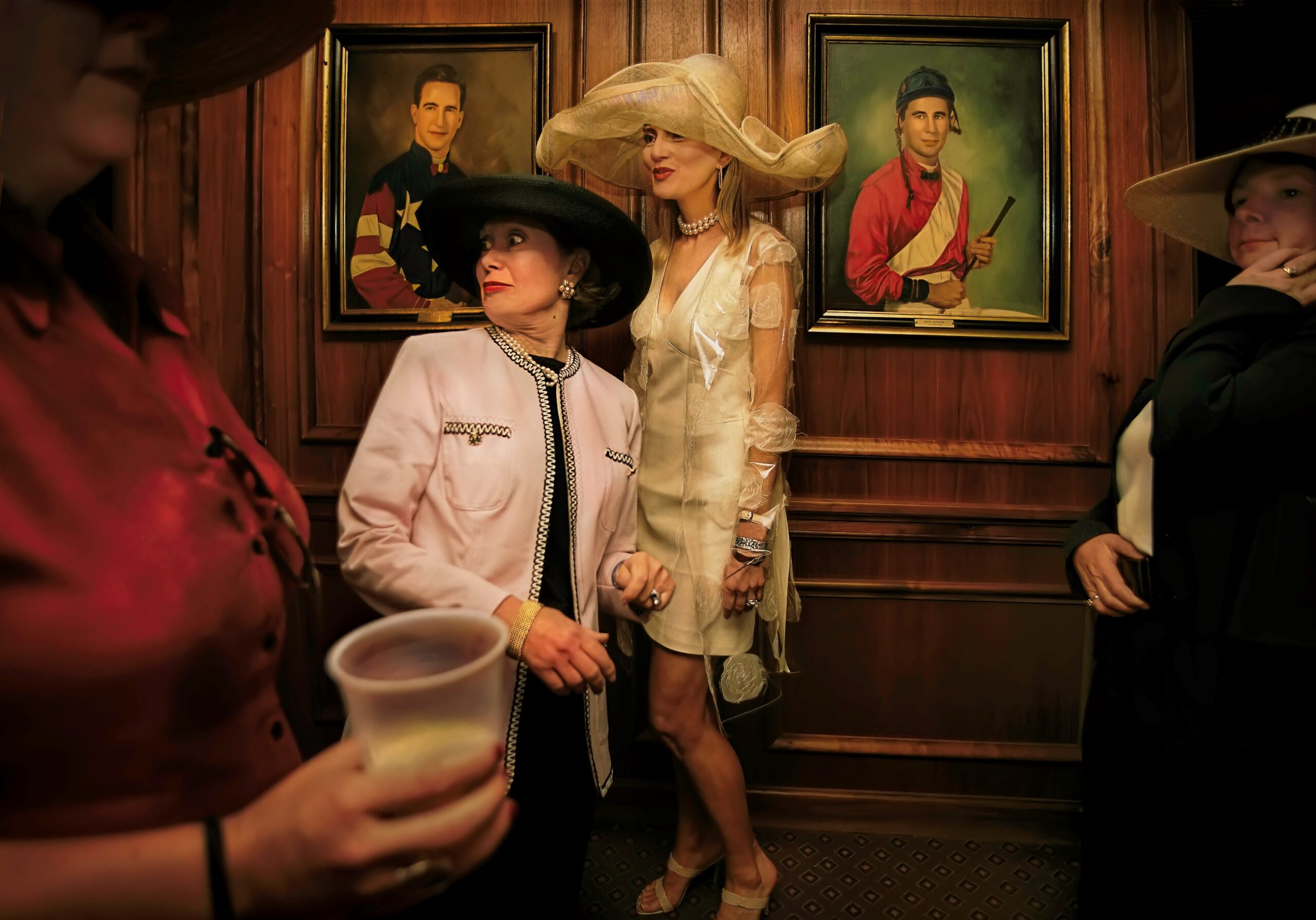
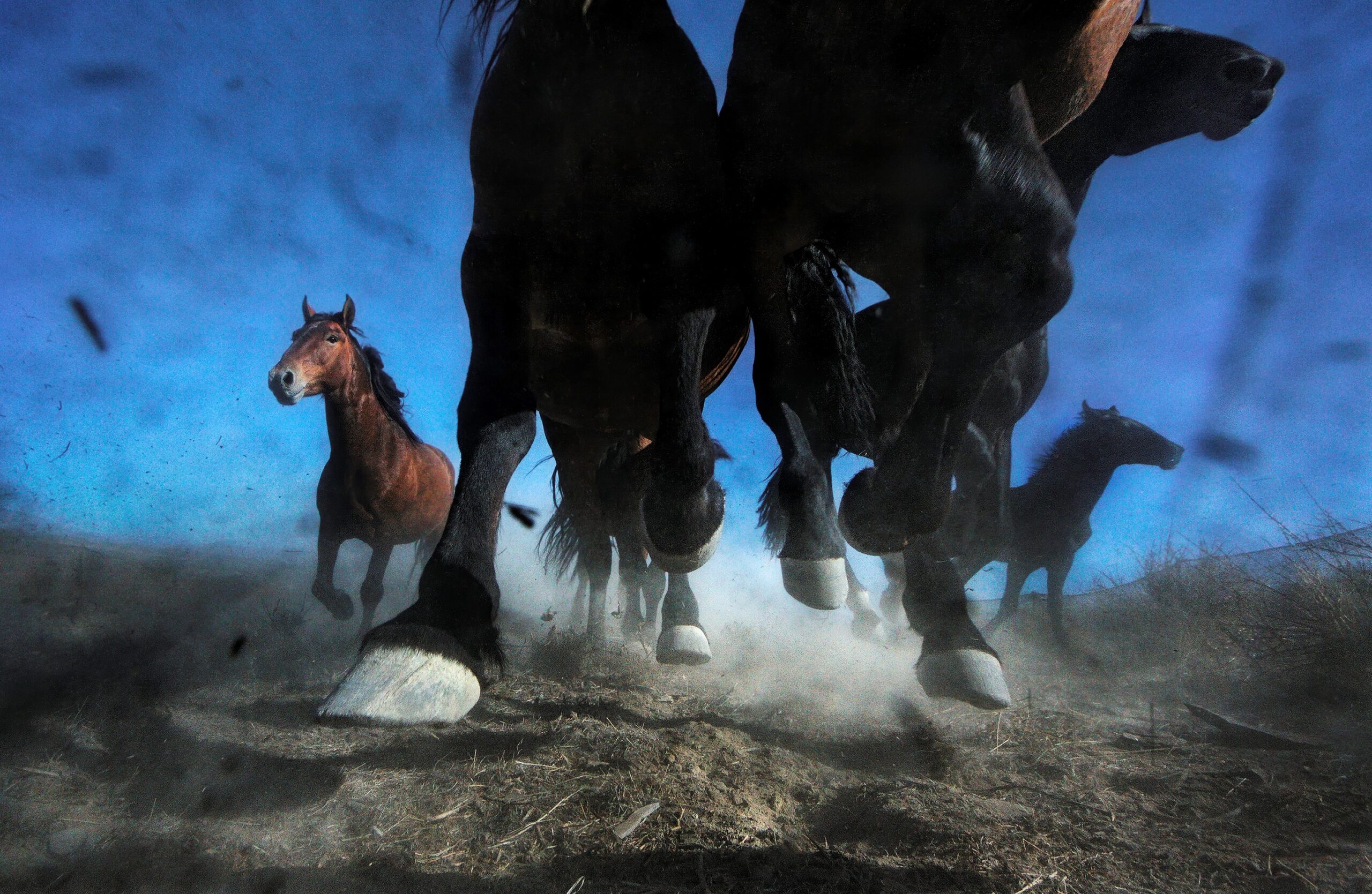
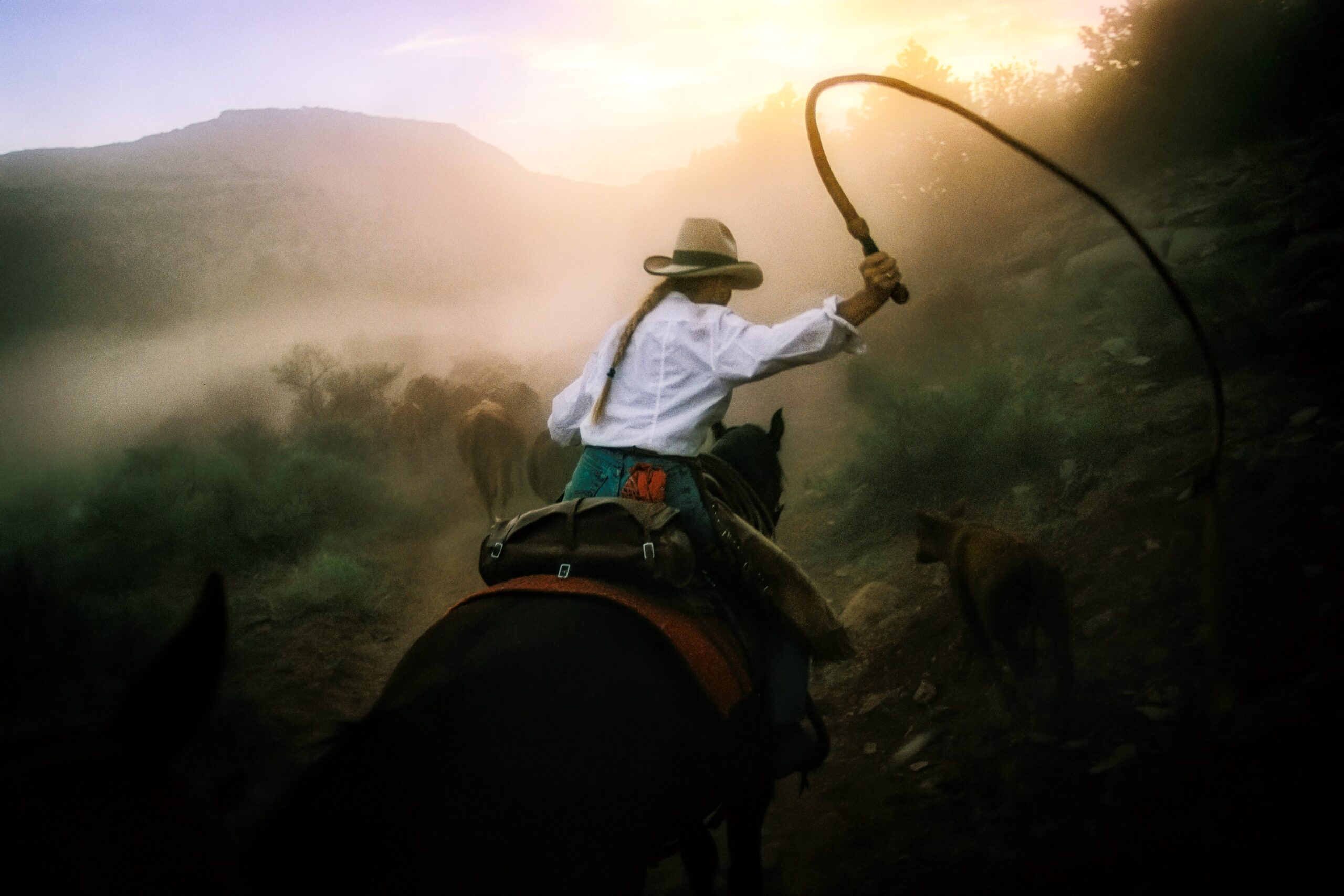
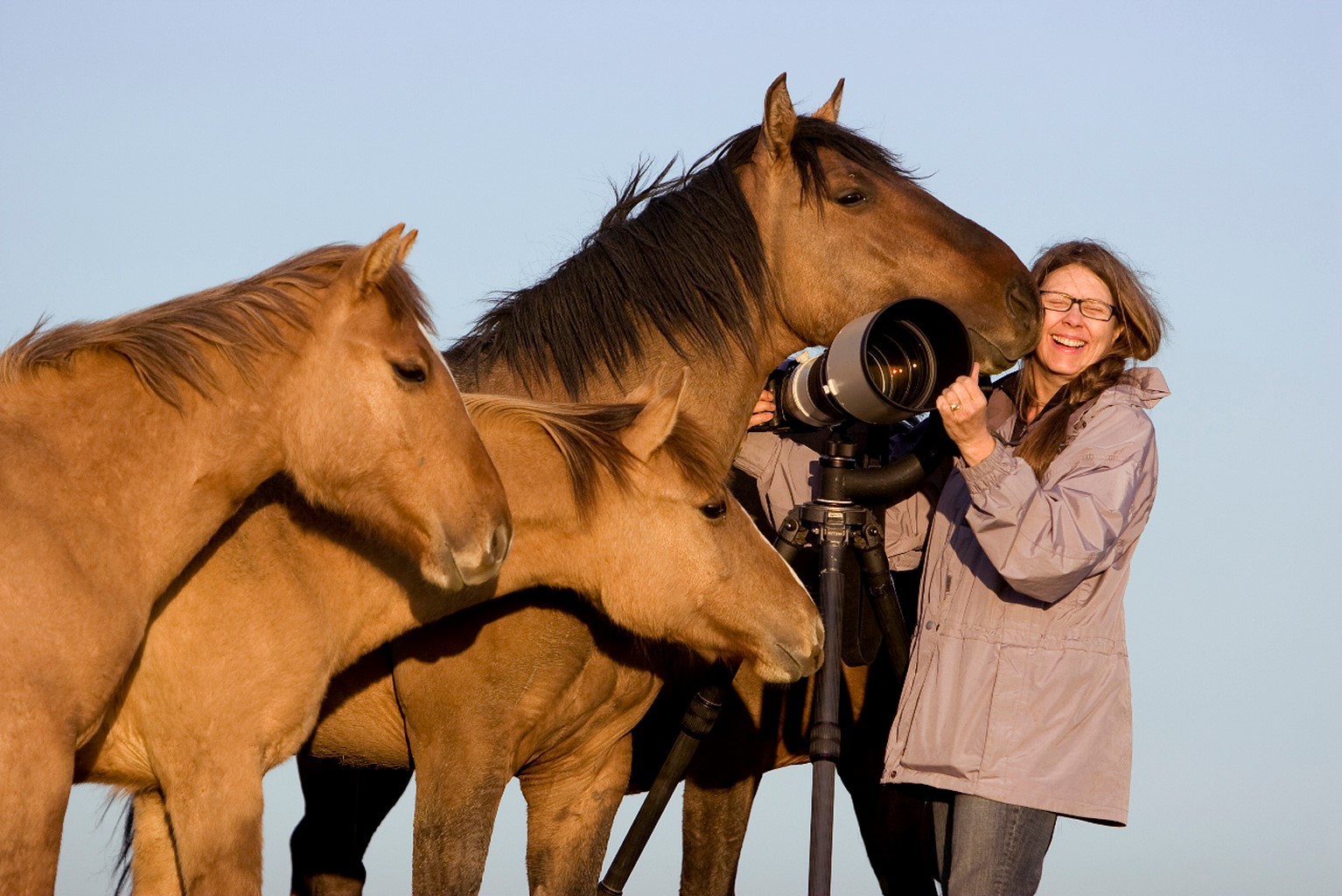
The first photograph Farlow made was in 1960 while on a family vacation in the American West. Her father handed her a Brownie camera when they stopped at Yellowstone Falls. Her love of nature was sparked in the 1970s during the first Earth Day celebration. The importance of landscape photographs was cemented when she began working for National Geographic magazine.Cooled by two fans in a hot basement laundry, this inmate stood on concrete floors ironing state dresses for 50 cents a day. Although a victim of domestic violence, Phyllis served time for reckless homicide after shooting her boyfriend. Farlow met Phyllis in a program for mothers in prison, photographing her for two years inside the penitentiary and two years after her release when she attempted to start a new life. Farlow says that during this project she learned much about developing empathy and building trust with people she photographed. Women gathered for a Ku Klux Klan rally that was held in a high school gymnasium during a period of violence in Louisville, Kentucky, following a court order to desegregate the public schools. Farlow was haunted by racism she saw, and she was chased by a mob while covering a street protest that turned into a riot. She was part of the photographic staff of the Courier Journal and Louisville Times, which was awarded a Pulitzer Prize in 1976 for its coverage of a tumultuous year.The first long project Farlow worked on was following a family for one year when they grew tobacco. A quiet story, this photo was a breakthrough in making images that captured the spirit of a storytelling moment. At the end of the day, the brothers lay back on tobacco leaves, exhausted by the summer heat. This narrative opened the door for her first opportunity to shoot an assignment for National Geographic as it involved people and their relationship to the land.An alligator basking in tannin-stained waters was the opening spread on Farlow’s first National Geographic story focusing on the Okefenokee Swamp in southern Georgia. The water’s mahogany-red hue resembles black coffee when reflective and is due to acids released from decaying vegetation. Farlow jokes she is not a wildlife photographer and is only successful making photographs of an animal if it is big, slow, and stands still in front of her for a long time. In the serene courtyard of a cloistered convent in Arequipa, Peru, young novices take a brief respite from their structured daily routine to play ball. Scheduled free time was permitted by the older nuns to help the young women adjust to the convent’s strict lifestyle. Within these walls, silence is observed, prayers are recited seven times a day, and the residents never venture beyond the convent walls. Farlow was working on a Geographic book about the Pan American highway and read about the convent in a guide book. She drove the length of Mexico, Peru and Chile planning stops along the way but the best images made from spontaneity.Stylish and extravagant hats are a cherished tradition at the Kentucky Derby. Competition for the best dressed is nearly as fierce as the thoroughbred horse race itself. Women parade in costumed finery in the hallway of the Turf Club adorned with portraits of jockeys at Churchill Downs. Although her first job for a newspaper was in Kentucky, Farlow returned there for a National Geographic story on the thoroughbred racing industry.Wild horses thunder across parched desert wilderness of Nevada’s public lands, their hooves kicking up clouds of dust as they pound the scorched, barren rangelands. Mustangs embody the mystic symbol of freedom, courage, and the rugged, untamed spirit of the American West. Though they are called feral, their presence in this harsh landscape is a testament to their resilience and enduring legacy of wild horses in the United States. For three days, Farlow set up three cameras with remote triggers in the path of a BLM roundup, and horses ran over her equipment, cracking a lens. Her love of horses stems back to her childhood when she wrote Roy Rogers a letter and asked him to send her Trigger.Shrouded in dust in the last kick of light, cowgirl Heidi Redd drives cattle toward the mountains to reach water on public lands. Surrounded by desolate beauty, Redd is determined, authentic, and full of grit while working on her Nature Conservancy Dugout Ranch in Utah. Farlow romanticized Redd as living her childhood dream. After riding with her for three days on a cattle drive, however, she realized that it was a tough life and she left with great respect. The photos were made for a National Geographic story and then also published in a book about the Bureau of Land Management and people’s relationships to the land.Melissa Farlow was surprised by friendly mares she attracted while photographing a herd of horses. She often returned to water holes to learn how to approach wild horses without spooking them.
FRAMES is a unique international photography community that combines the best of all worlds, bringing you print and digital publications, a global membership platform, access to live events, and a dedicated mobile application.