Collections of landscape photography can take on a number of forms. They can be documentary reportage. They can be laments for a past world or an indictment of the current one. They can be evocations of beauty in either geometry or natural forms. They can be anthropology, geology, a thousand other -ologies as well. They can be technical tour de forces of light and shadow. The range of responses to the natural world is both immense and personal. But the very best of them, frankly, are simple. They are love stories.
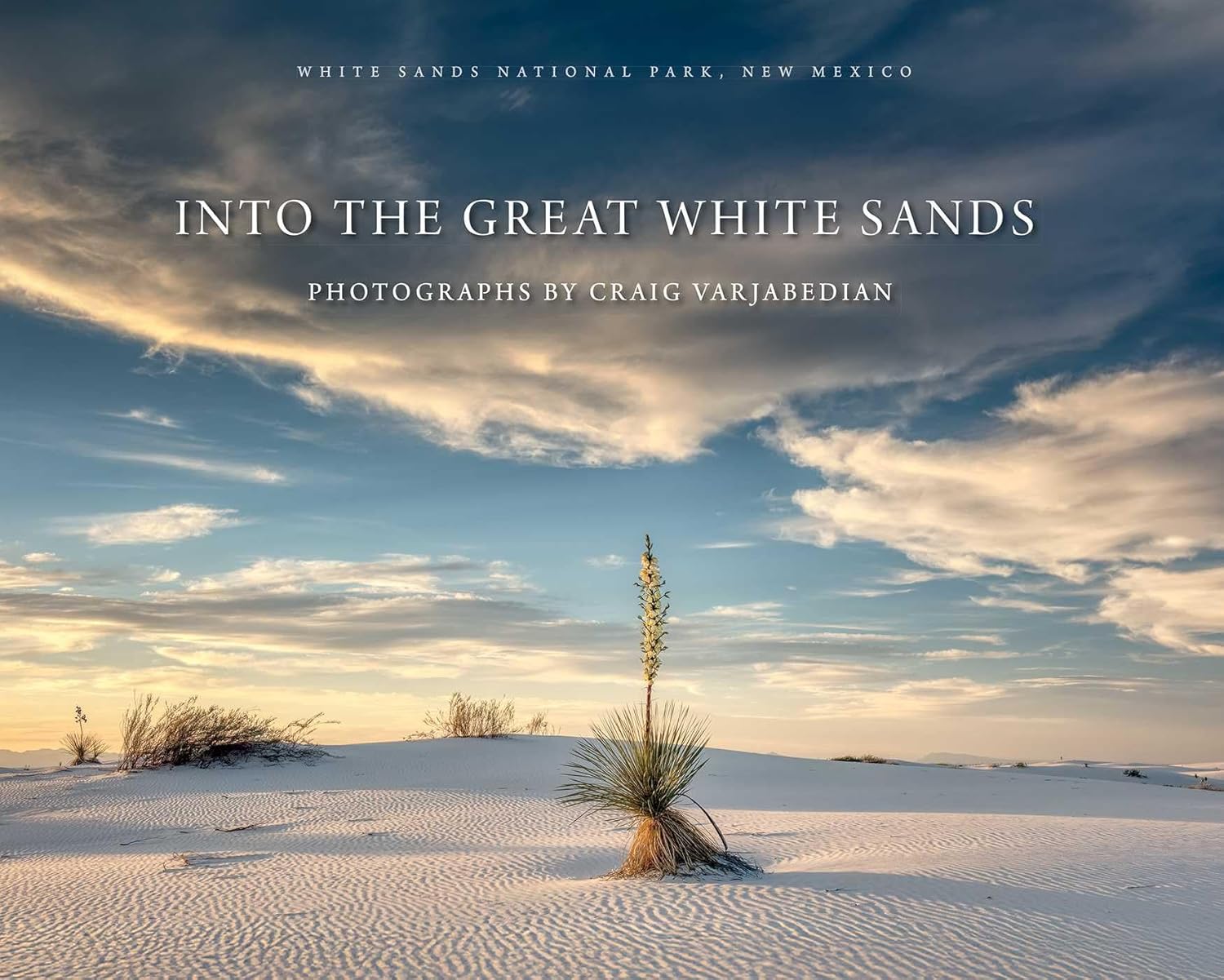
“Into the Great White Sands” by Craig Varjabedian
Published by University of New Mexico Press, 2026
Review by W. Scott Olsen
Every now and then (and thankfully, more often than not), a photographer can fall in love, not only with the landscape, as in planet-wide variations of rock and water, but something more specific, something more defined. Someplace which, while it may not be the photographer’s actual home ground, acts as a kind of touchstone, a philosophic, moral, and emotional center for them. When this happens, when the photographer loves the landscape and seeks not so much to advertise or promote that love as to articulate in an image what he or she feels in the heart—these books are special. There’s something about them, when you turn the pages, that seems a bit more present, if not a bit more intimate.
Craig Varjabedian’s book, Into the Great White Sands, is, at every level, a love story.
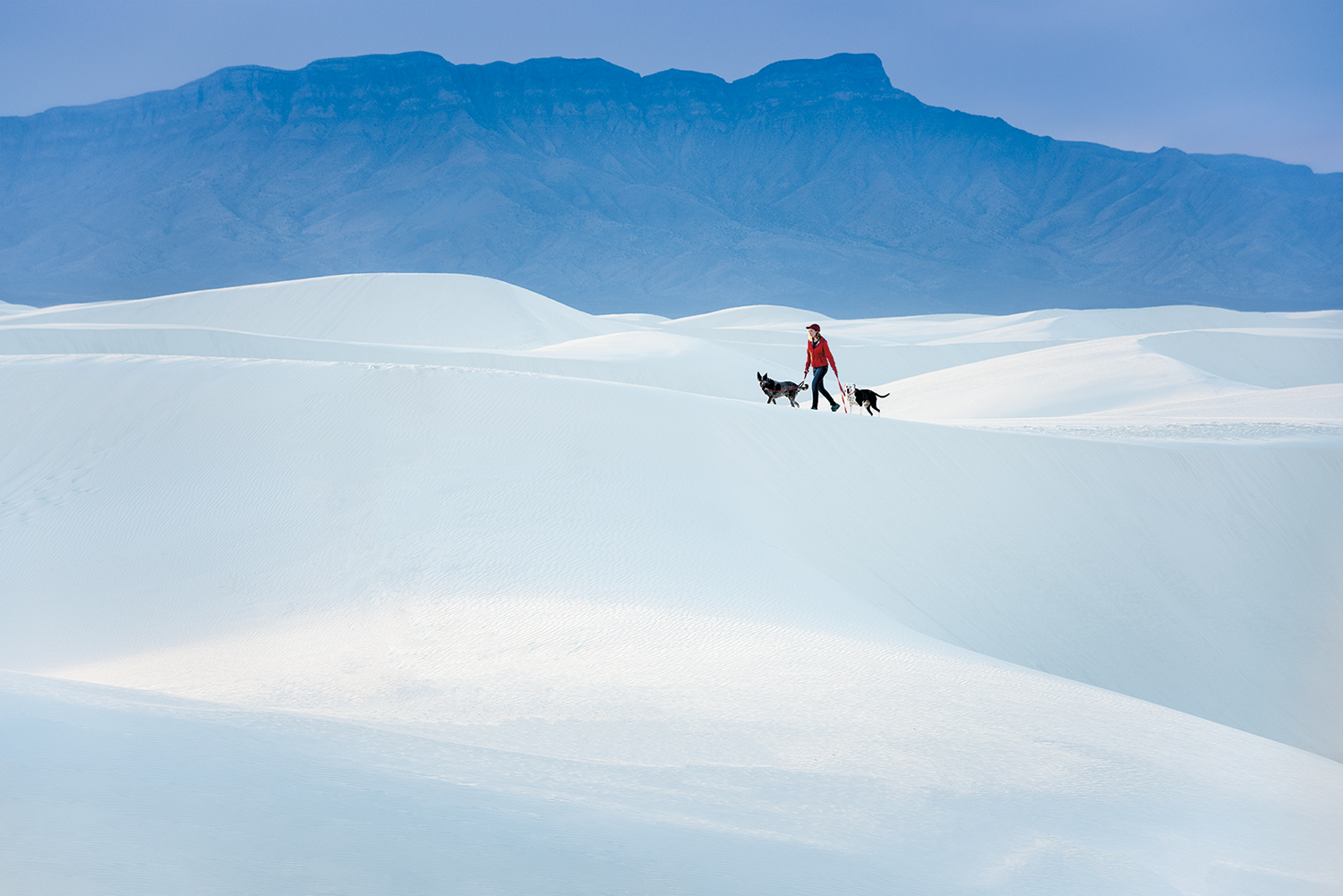
Varjabedian writes, in an essay at the end of the book titled “Into the Great Light”—
Back about thirty years ago, I came to this place for the first time in search of beautiful moments–confluences of light, shadow, atmosphere, and feeling that I might capture with my camera. What I discovered was something miraculous. Over the years, between other photo projects, I would make my way back to White Sands so I could walk among the gleaming dunes and reset myself—to visually and emotionally prepare for the next body of work I would make. My friends say that I kept returning to White Sands to find my smile. I think they’re right…
… When I worked for a photographer Paul Caponigro years ago, he would talk about working to attain “a state of heart,” a gentle space offering inspirational substance that could purify one’s vision. Paul would often speak about a spirit he called “otherness” that a photograph must have in order to fully engage the viewer. For me, a good photograph must be an open-ended conversation; it must contain an invitation to the viewer to wander and to linger and to stay a while. If it’s merely a record of having been somewhere, no matter how well composed or beautiful the image, I am left empty. A good photographer must follow the trail of their feelings to their source, but not necessarily reveal them entirely.
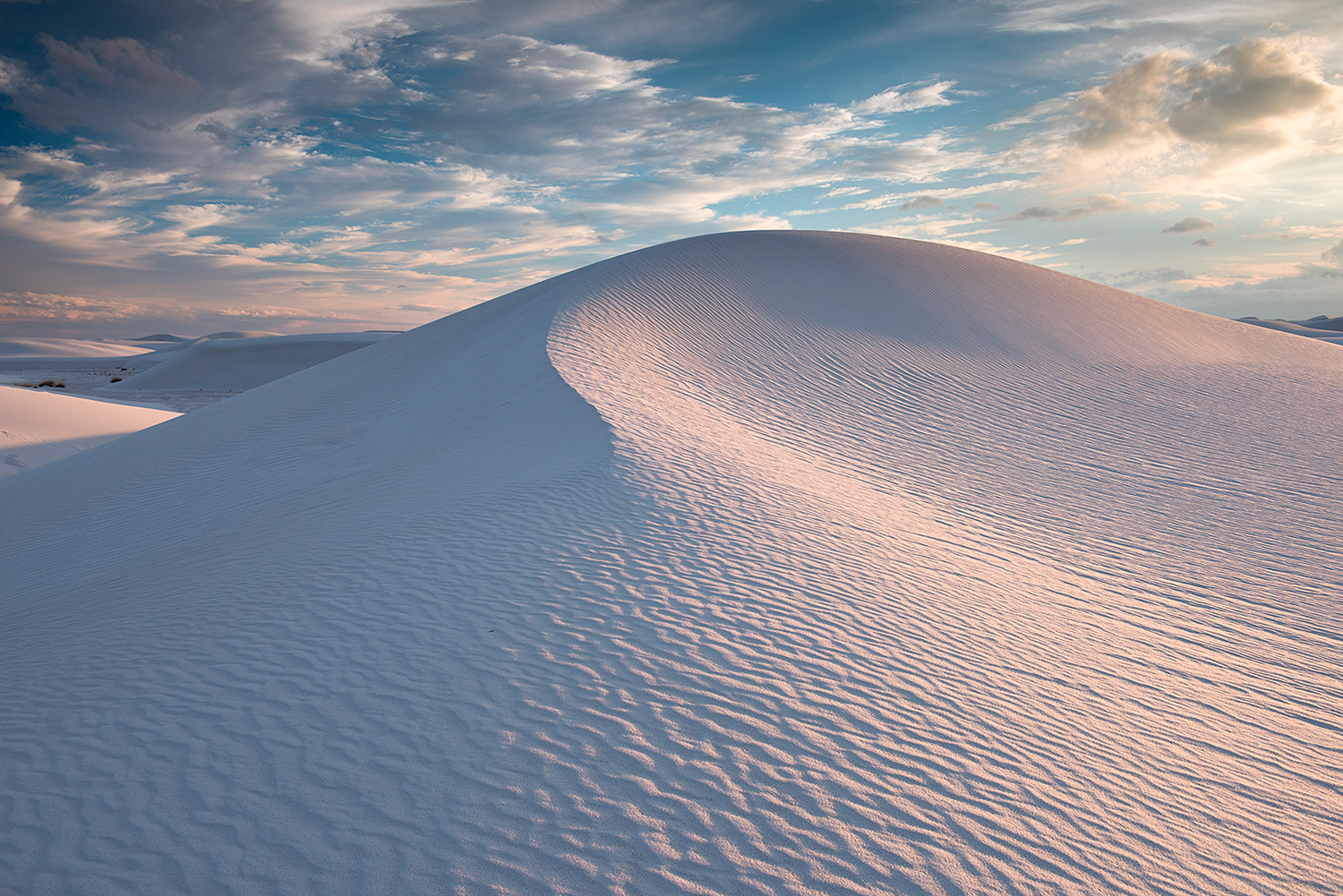
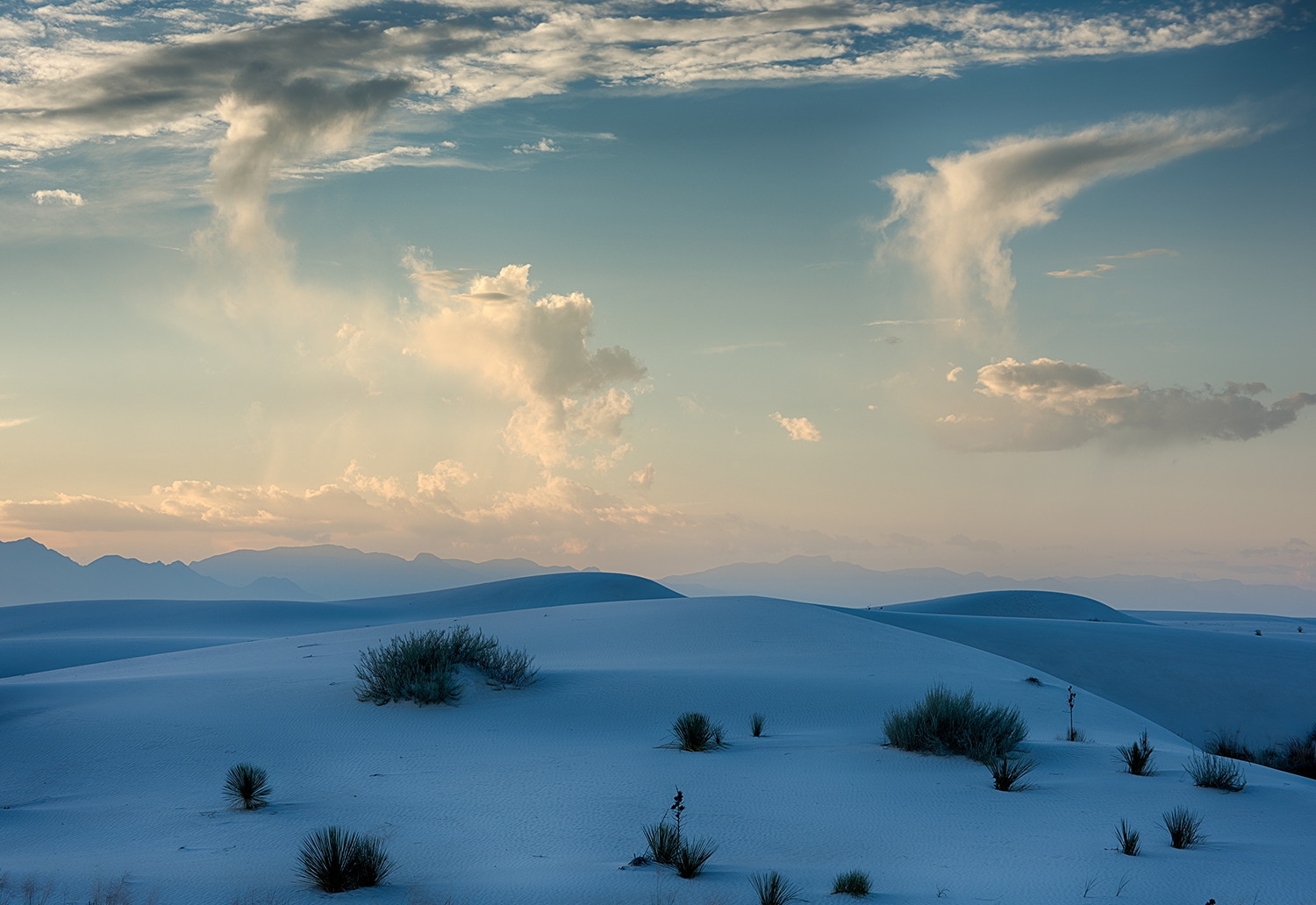
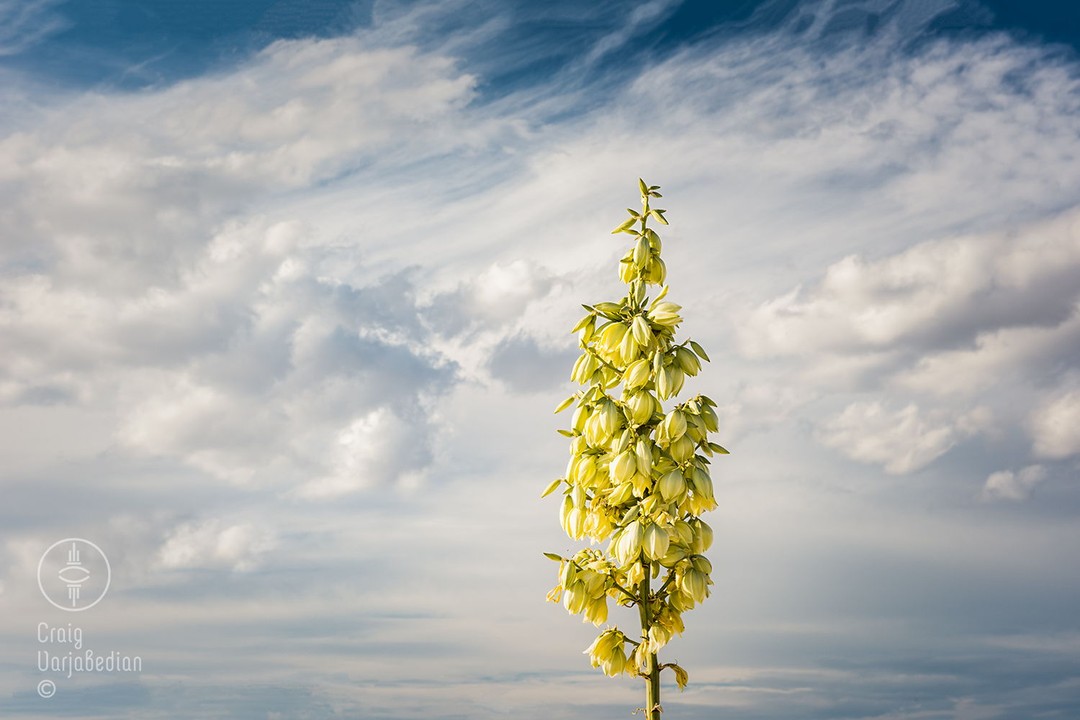
Into the Great White Sands is a beautiful book. Many of the images are more akin to portraiture than the typical wide vista of landscape work. The attention to light and detail is substantial. While there are a handful of people, adults and children, portrayed in the images, the majority are of individual plants taken near ground level, in front of a huge sky. The images are close—close to the subject and close to the heart.
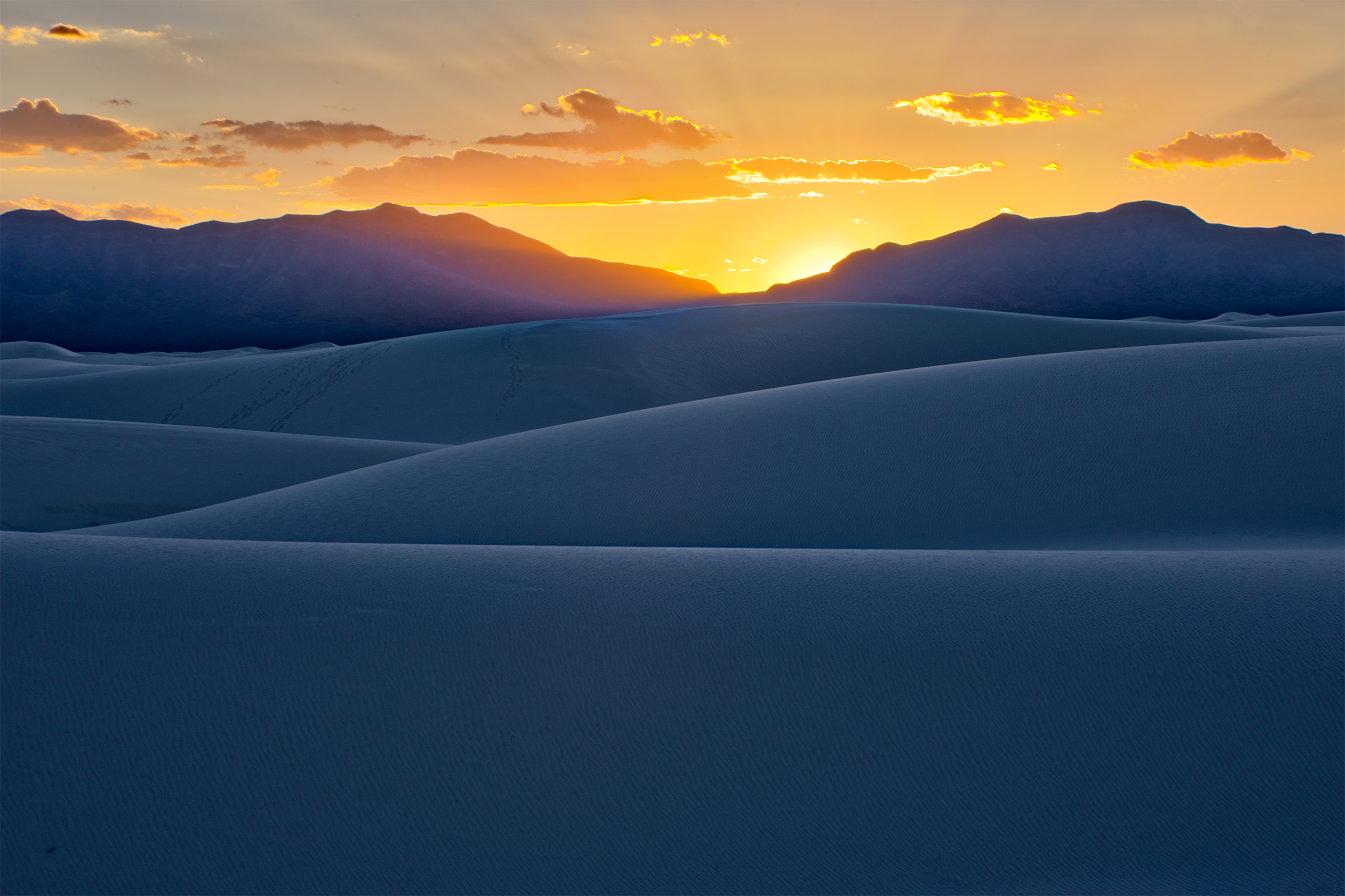
Varjabedian explains that his images are often the result of using an HDR approach. He writes—
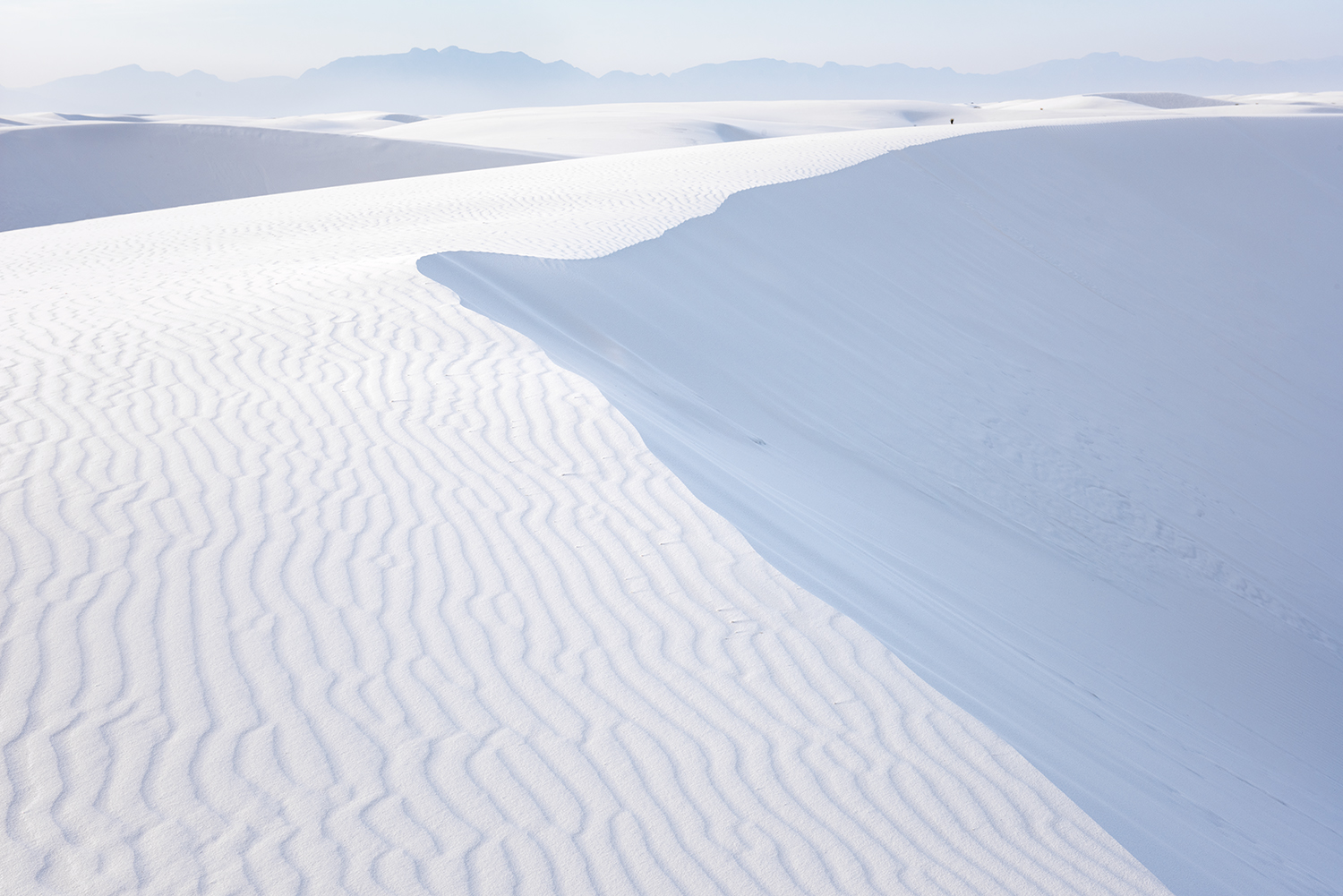
Because I am looking to make photographs and eventually finished prints that are rich, smooth, and brilliant and that have depth and substance, I need my image file to contain information in all areas of the scene. In my resulting photographs I want to feel the heat of the sun and the texture of the sand and, as much as possible, the quality of the light that I see as I look through the camera. Yet I am not trying for a literal transcription of the scene. Rather, I want to share through my photograph a particular moment when light, shadow, atmosphere and feeling came together and called me to a specific place to make a photograph.
The result is tremendous, rich, and captivating detail.
Into the Great White Sands benefits from a number of essays. Dennis Ditmanson opens with memories as a former superintendent at White Sands National Park. Jeanetta Calhoun Mish writes about geologic and cultural history. Jim Eckles writes about the White Sands Missile Range. Each of the essays is eloquent and insightful.
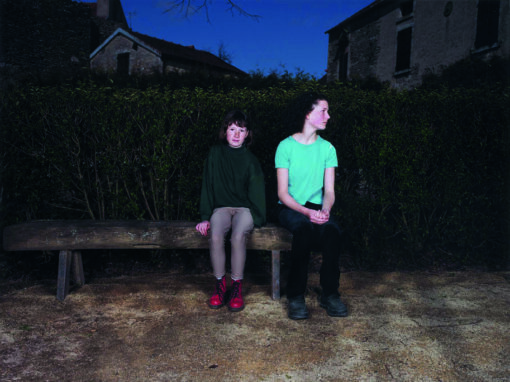
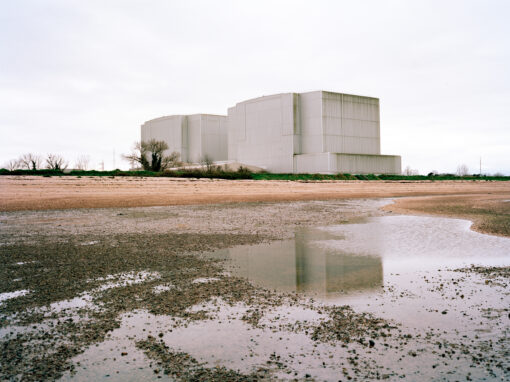
Into the Great White Sands does not ignore the fact that White Sands is surrounded by military bases, including the famous missile range and atomic testing ground. An entire section, much smaller and separate from images from the park, includes images from the range. But the book is not political. Instead, the images serve as an appreciation of what remains still present.
It is easy to lapse into the commonplace or the cliché with landscape photography; it is difficult to find the photographic expression Varjabedian is after. And he succeeds. This is not so much a book of look at what’s out there as much as look at what I feel when I’m looking at what’s out there.
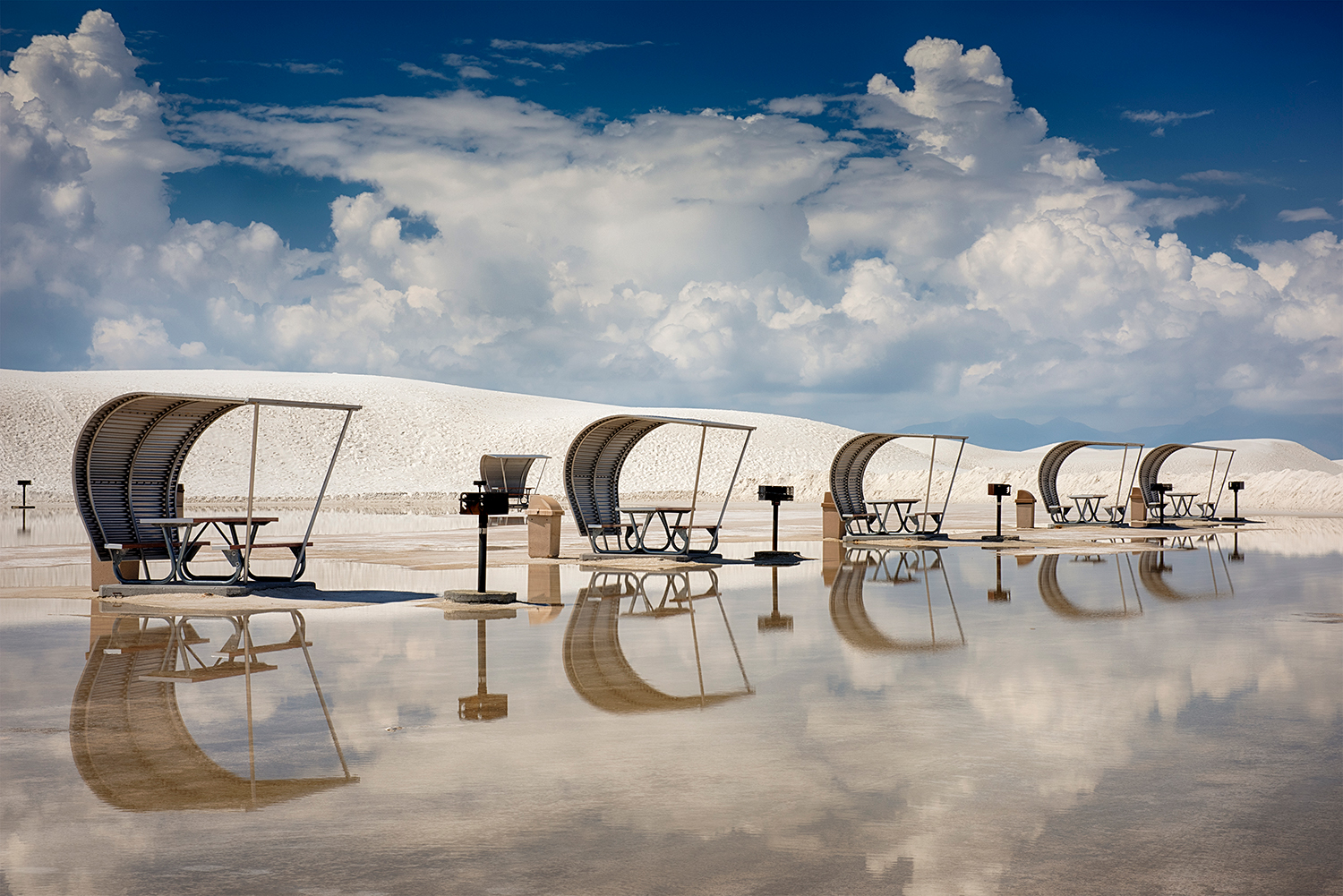
There is clarity. There is drama. There is joy. There is a celebration of light. There are plants and clouds, impressive sunsets, beetle tracks, and, above all else, a love of place. This is the type of photobook where every image produces a sense of longing to be there, spiritually as well as geographically, and a sense of calm or healing from that emotion.
Note: While Into the Great White Sands was originally published in 2018, a first paperback edition has just appeared in 2026.
A note from FRAMES: Please let us know if you have an upcoming or recently published photography book.

FRAMES is a unique international photography community that combines the best of all worlds, bringing you print and digital publications, a global membership platform, access to live events, and a dedicated mobile application.
EXPAND YOUR PHOTOGRAPHIC VISION
JOIN FRAMES TODAY