One of the most powerful aspects of photography is its ability to provoke contemplation. There is an engagement between the image and the viewer which, when the image is successful, opens ideas and emotions which may not necessarily be new to the viewer, but more nuanced more complicated, deeper and in general more impactful.
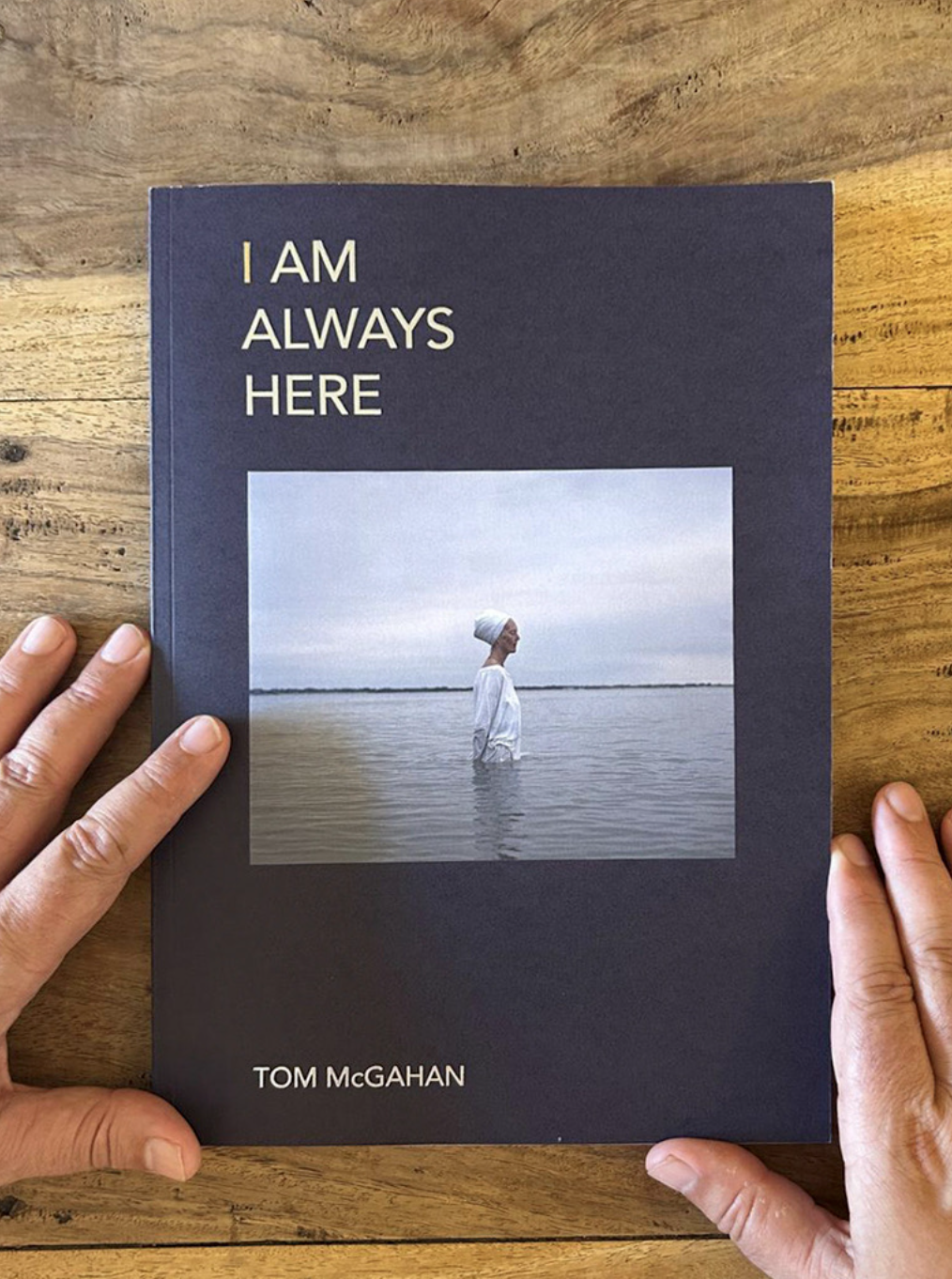
Tom McGahan – “I Am Always Here”
Published in 2026
Review by W. Scott Olsen
This can happen with any form of photography. But landscape photography, beyond its documentary power, is all about provoking nuance. The subtleties of light and shadow, the tonal characteristics of whatever day the image may have been made, combine to propose a feeling to the viewer.
Let me rephrase that. The light and tones do not propose a feeling. They simply propose feeling. Here is the world, the image says. What is your response?
It really doesn’t matter whether the viewer has seen a particular landscape an image brings to life before. Familiar or foreign, landscape work asks the viewer to look at the physical world through the idiosyncratic style of a particular artist’s lens and be open to new articulations of wonder.
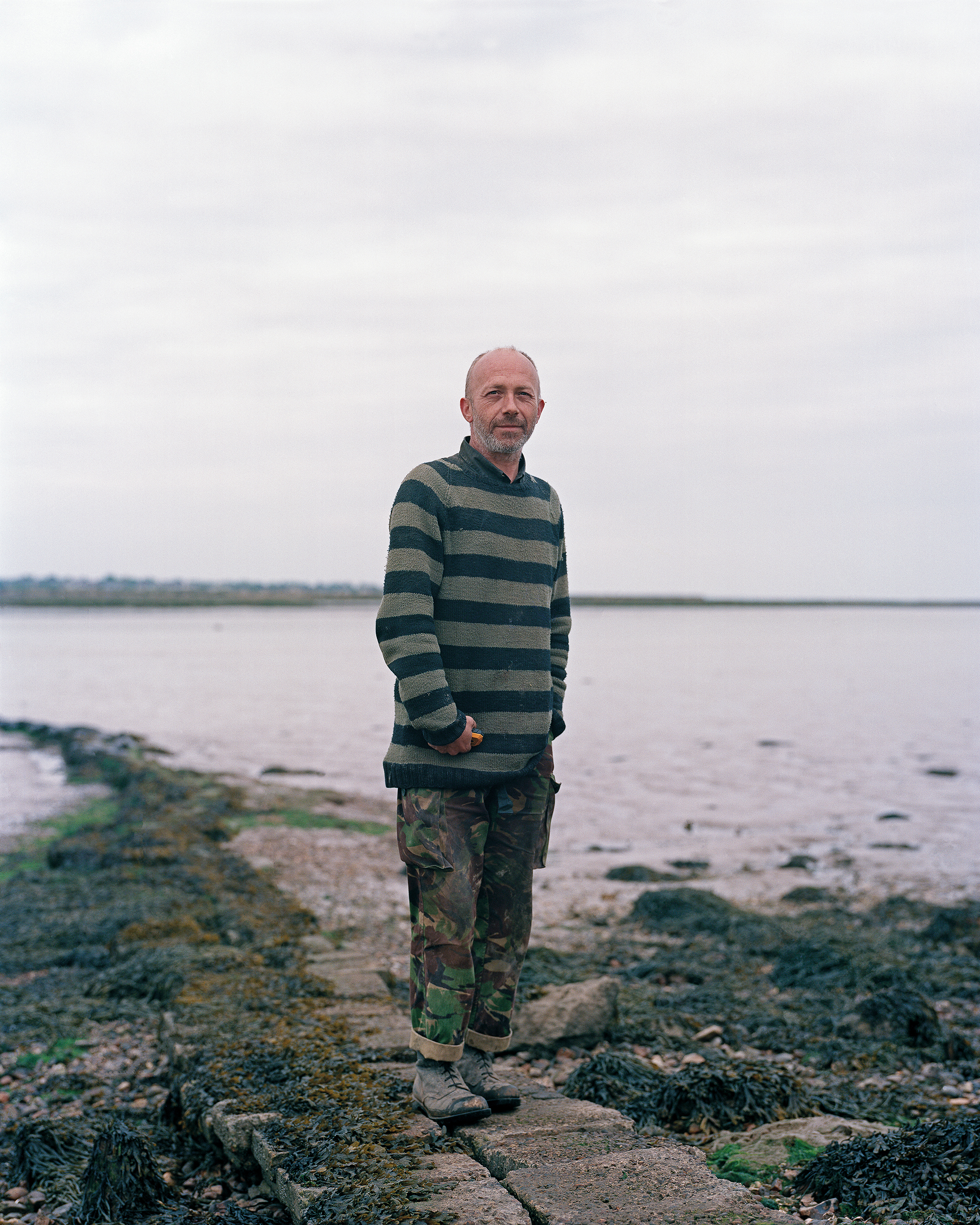
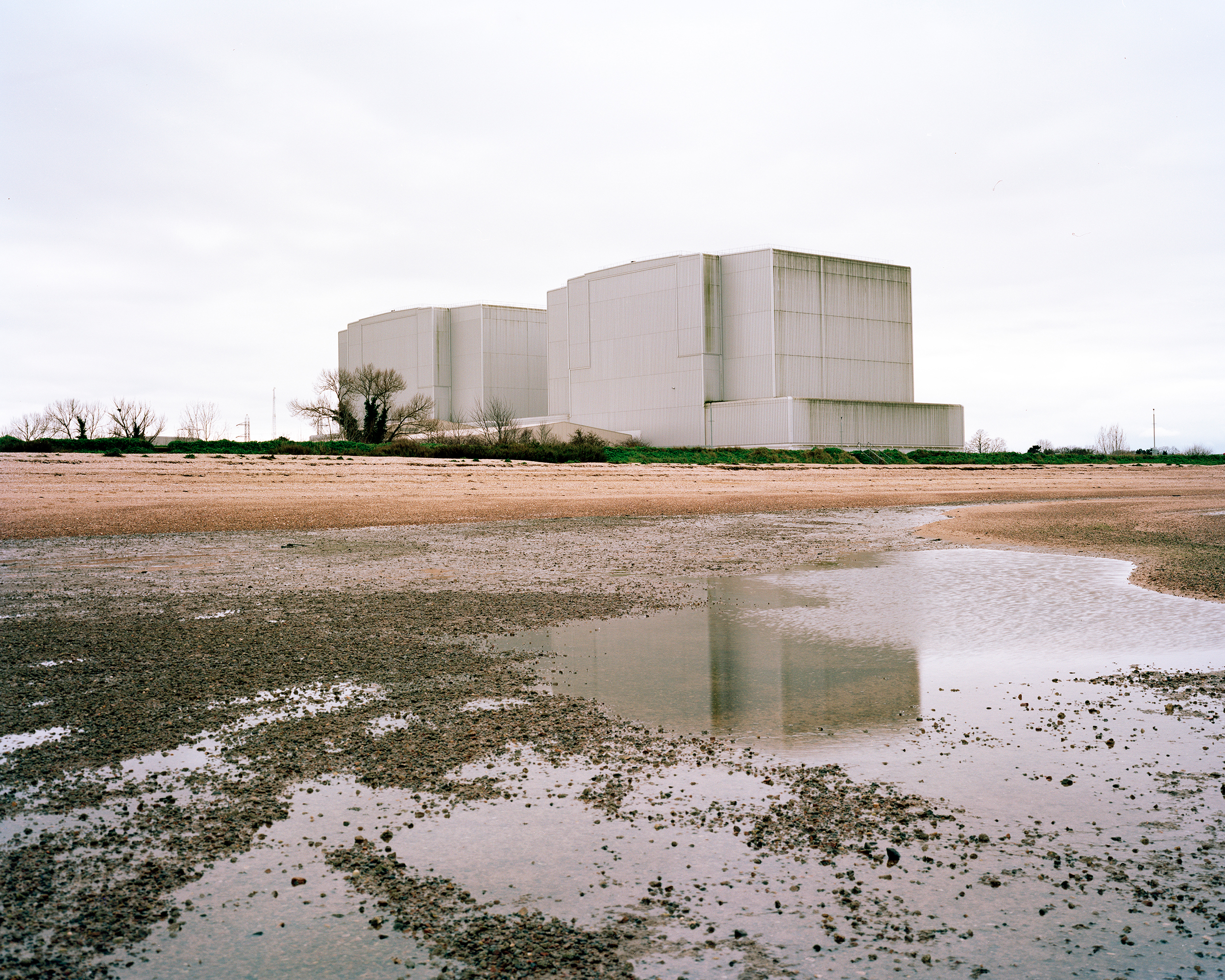
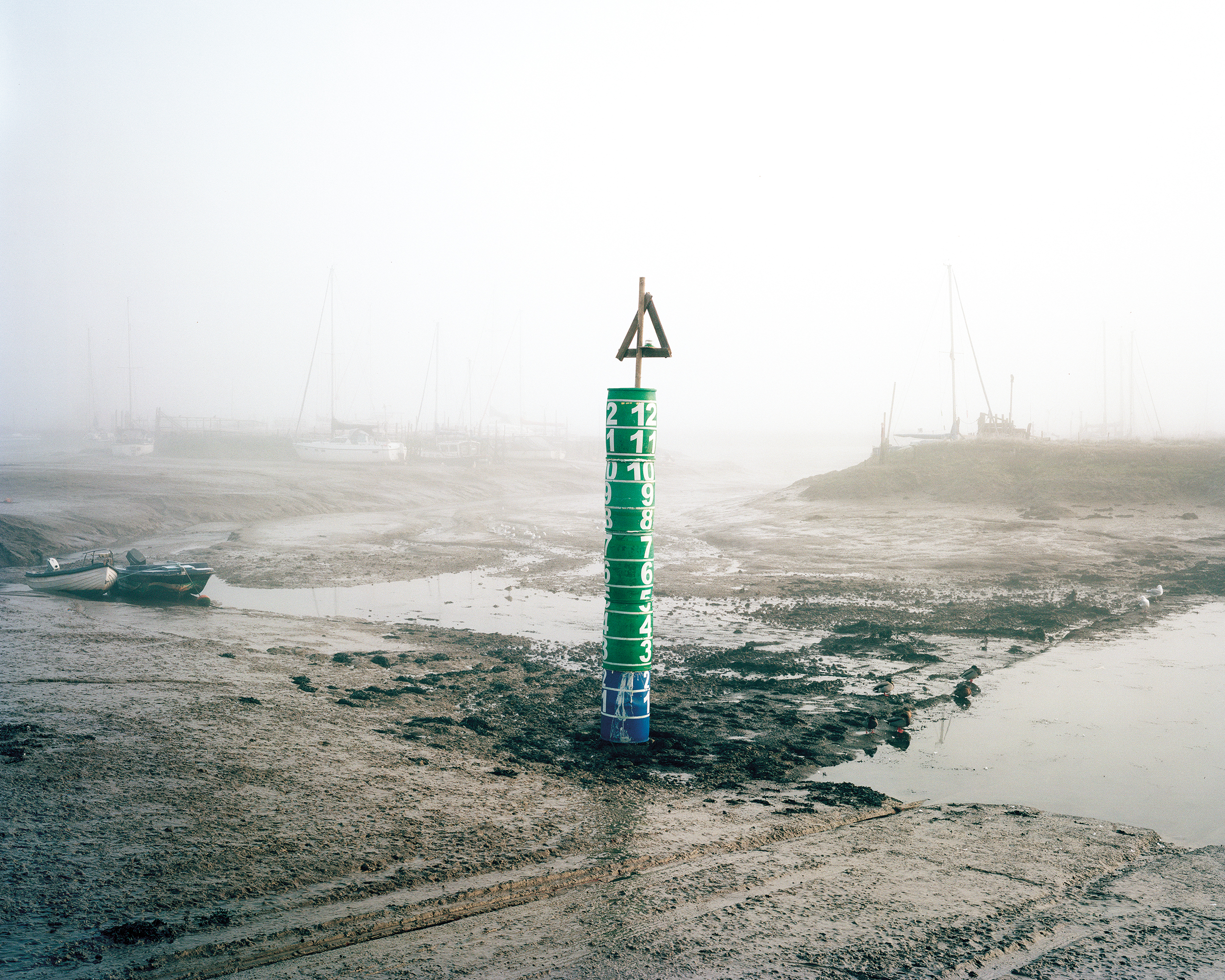
I Am Always Here, a new book by Tom McGahan, is an extraordinary photographic contemplation of the Blackwater Estuary in Essex, where he lives. The color images are quiet, intimate, sometimes a bit lonely, always beautiful. For me, they are evidence of the kind of love that comes from long companionship beyond initial infatuation. These are not splashy, high dynamic range, calendar shots. These are sometimes foggy, gray sky, flat light images, melancholy and familiar. There is a vastness to them that feels like an invitation.
In a forward, Gemma Padley writes—
What is it about bodies of water that moves us so? We are land roving creatures and yet, most of us will have experienced a moment of quiet contemplation upon gazing out to sea or across a river on a beautiful summer’s day. As we look, it is as though time has stood still. The water, gently flowing back and forth, holds our attention, and we are free to be alone with our thoughts, to be ourselves.
A couple paragraphs later, she writes—
If we can get lost in the land, we might also lose ourselves in a photograph of a landscape, and McGahan invites us to do just that here: this is a collection of images to disappear into, to be whisked away by.
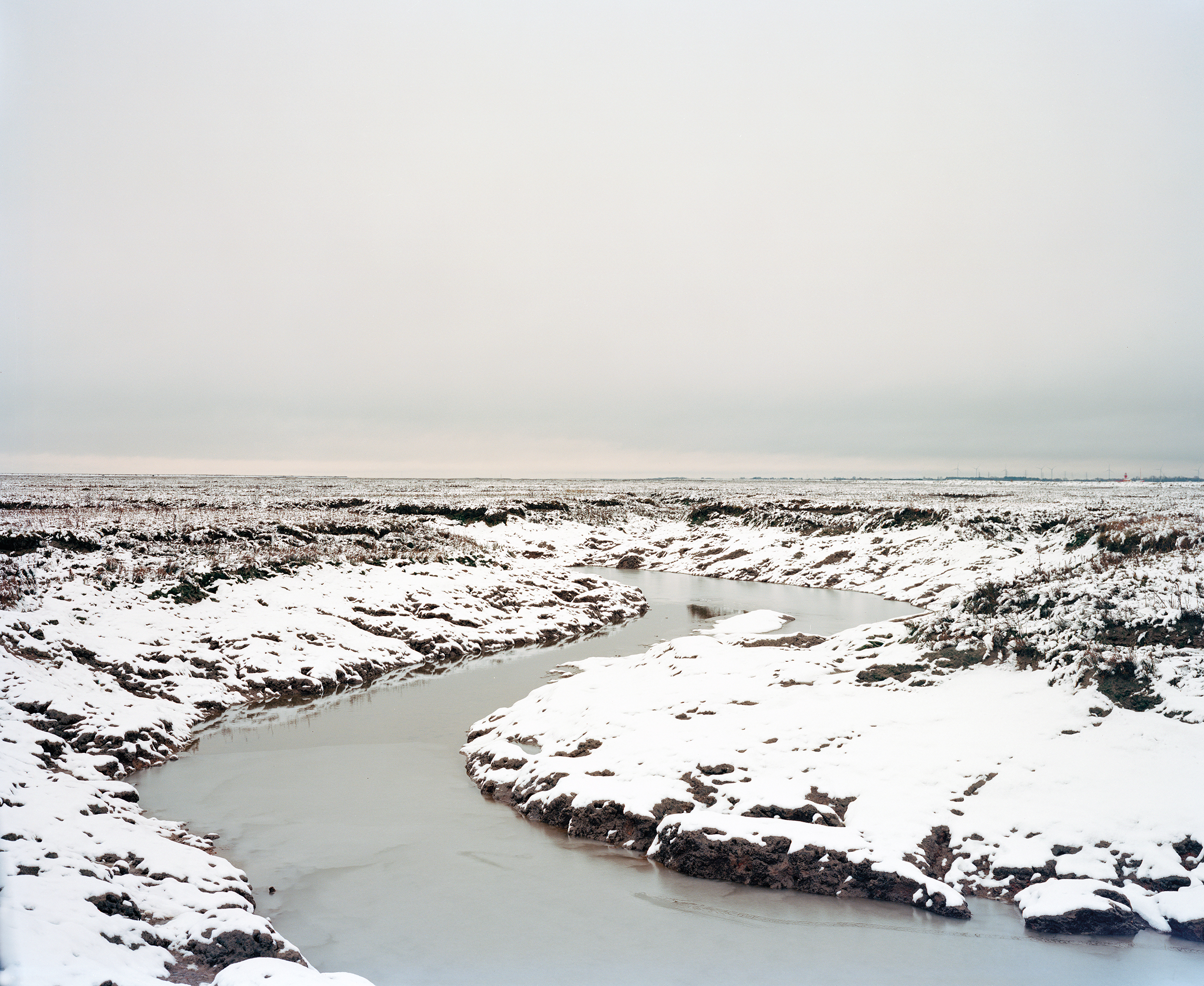
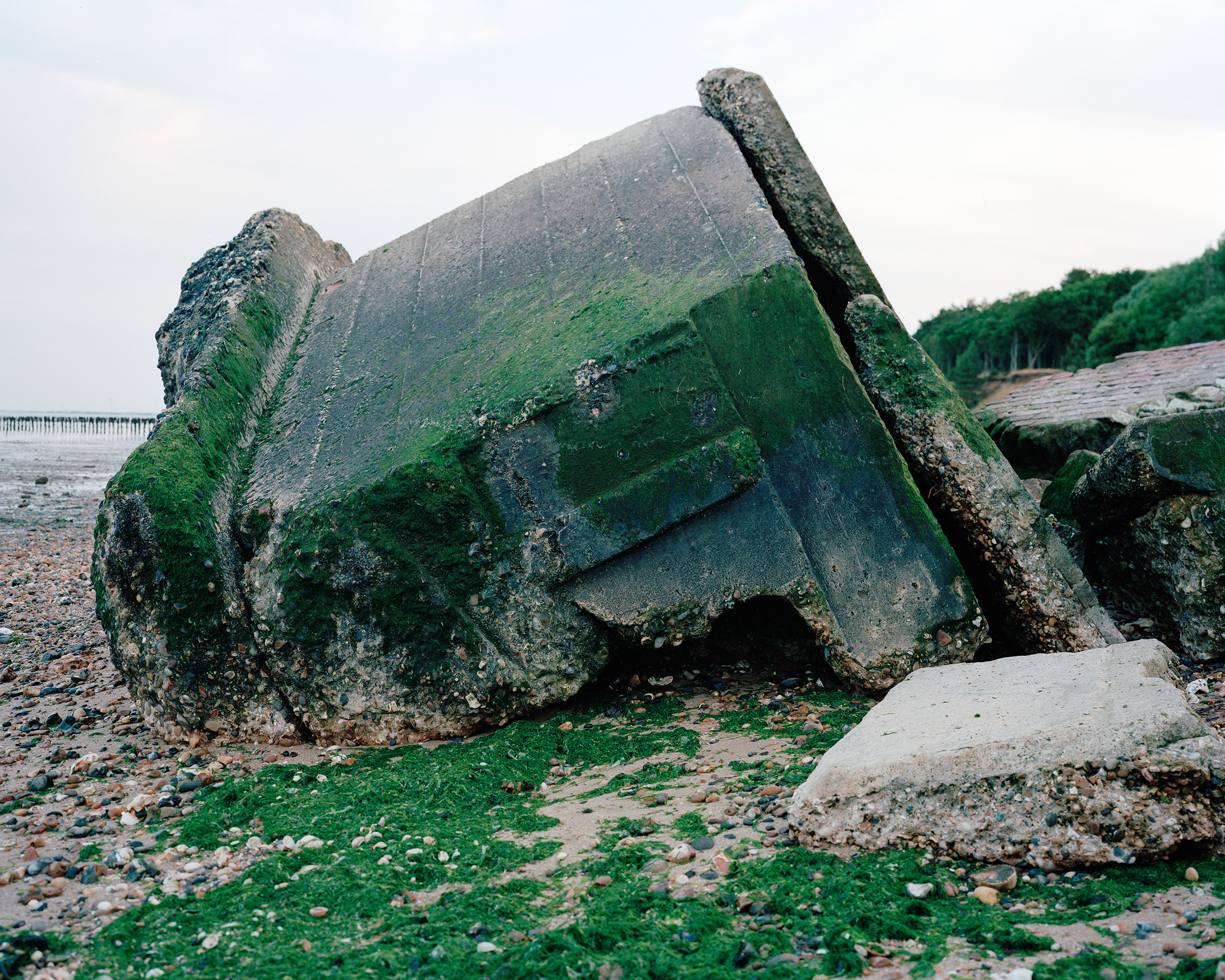
The Blackwater Estuary is not dramatic. But it is huge in presence. In an introduction, McGahan explains a bit of the location’s history, starting with the Romans, then Saint Cedd, the Vikings and Saxons, finally his own parents coming over from Ireland and the birth of his sister and himself.
It would be enough for McGahan to say this is simply his landscape and his artistic interpretation of place. But, in fact, the book is a good bit more poignant. In 2001, he explains, his mother was diagnosed with cancer, and then passed away after more than two years of treatment. He writes—
I’ve walked the banks of this river for as long as I can remember, looking for something, looking for nothing, looking for her. The landscape forever changing with every tide, never knowing what it may bring, muddy salt paths never really going anywhere, no destination, no arriving, walk some and maybe more turn back toward home, refreshed, windswept, sun kissed, sore feet, dry mouth, made an image or two, sometimes none….
On my walks along the banks of the Blackwater Estuary I would often meet other solitary walkers, this landscape with its big Essex sky has a deep meditative quality, almost featureless it encourages you to look within, I’m sure like me much soul searching has been done while trudging along the seawall….
I found something here something that I had never really lost, a deep connection to everything, my consciousness spilling out from all my senses touching everything it pervades. It came from nowhere, I wasn’t looking or searching for answers, I was just walking and looking, nothing special, no sitting for hours in the lotus position no navel gazing, Christians call it seeing God in everything, Buddhists call it realising your true nature, I personally don’t think you can put a label on it, it just is.
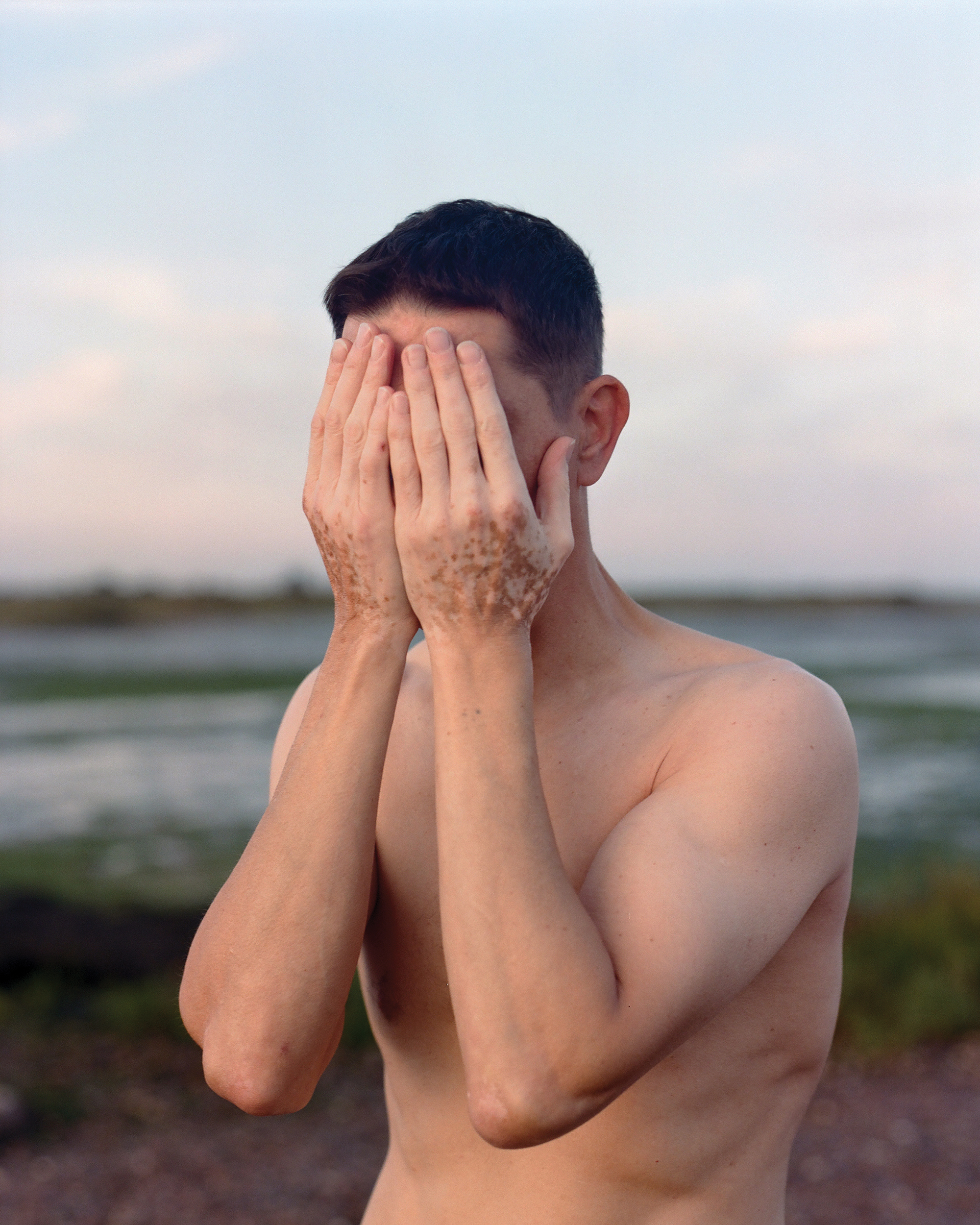
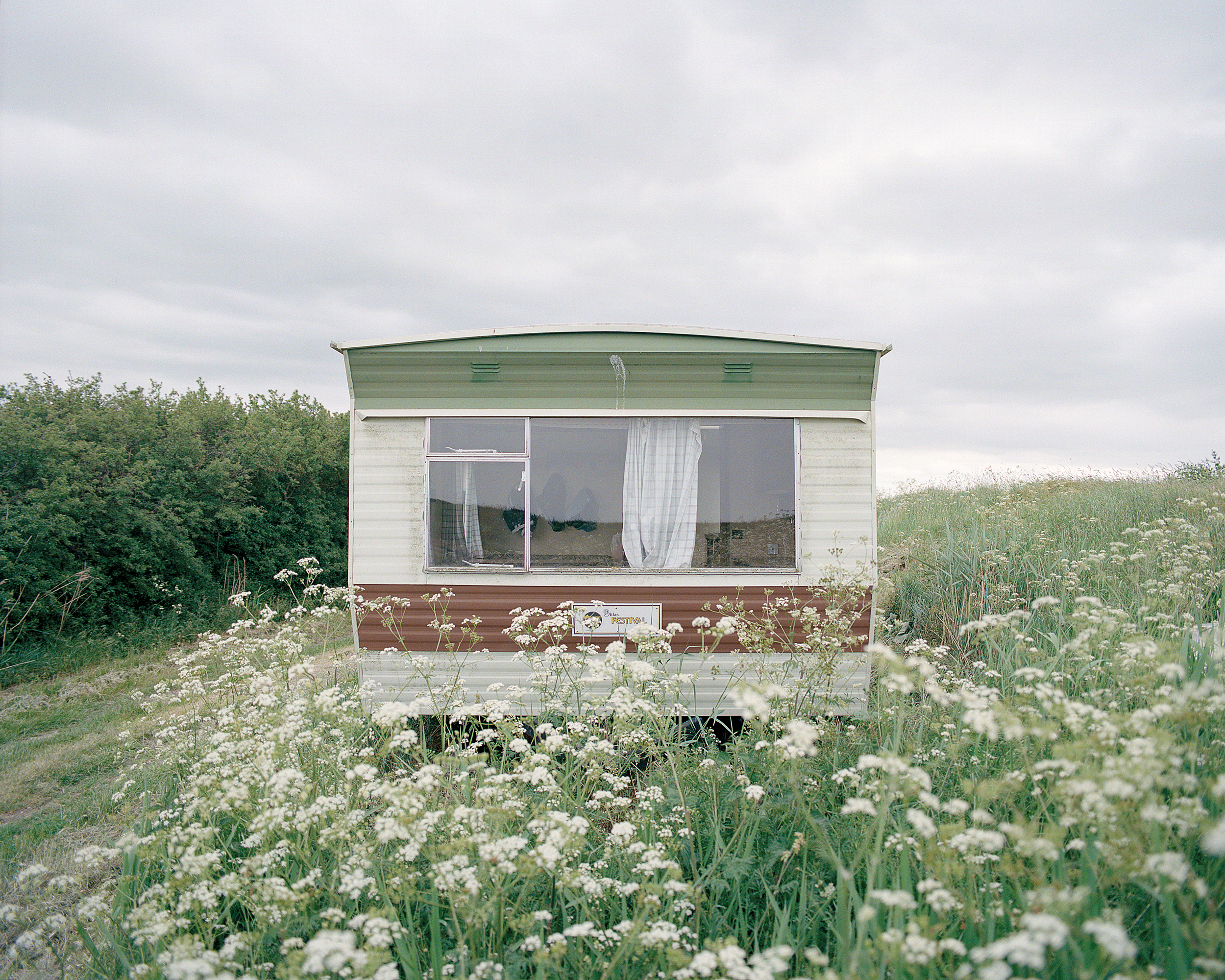
So the book is a meditation. Not precisely a remembering, and not only about loss. This is a book about how spirit can infuse a place, and how we learn a place has a perceivable spirit. Most of the images in the book are of the estuary itself, some of those at low tide, exposing sand and space. But the book also contains fence lines and buildings, the area around the banks of the estuary, and there are a handful of portraits. Some look almost candid or unplanned, but some are clearly art pieces, such as the cover image of a woman in white robes with a white headpiece, standing waist deep in calm water. All the portraits, like the landscapes, ask to be read metaphorically.
The images in I Am Always Here have that quiet openness and power to them which is an invitation to look closely, to follow the lines of the water or the lines of your own imagination, and linger.
At the end of the book, McGahan dedicates the work to the memory of his mother, Louisa McGahan, 1943 – 2003. The book is not a celebration of her life with images from childhood and onward. Instead, it is a visual articulation of the kind of emptiness that is simultaneously vast and comforting, which only a landscape can provide. This is a book about how spirit can be omnipresent in a landscape for him, and then giving that to us has an offering.
I Am Always Here is a deep act of love.
A note from FRAMES: Please let us know if you have an upcoming or recently published photography book.

FRAMES is a unique international photography community that combines the best of all worlds, bringing you print and digital publications, a global membership platform, access to live events, and a dedicated mobile application.
EXPAND YOUR PHOTOGRAPHIC VISION
JOIN FRAMES TODAY