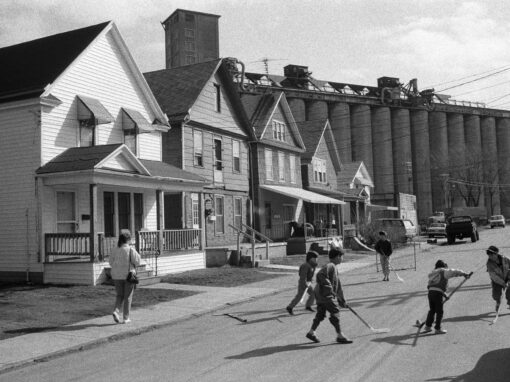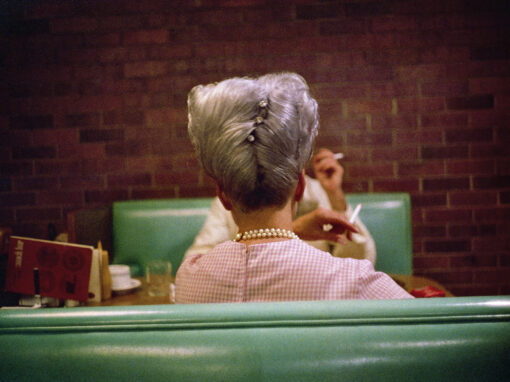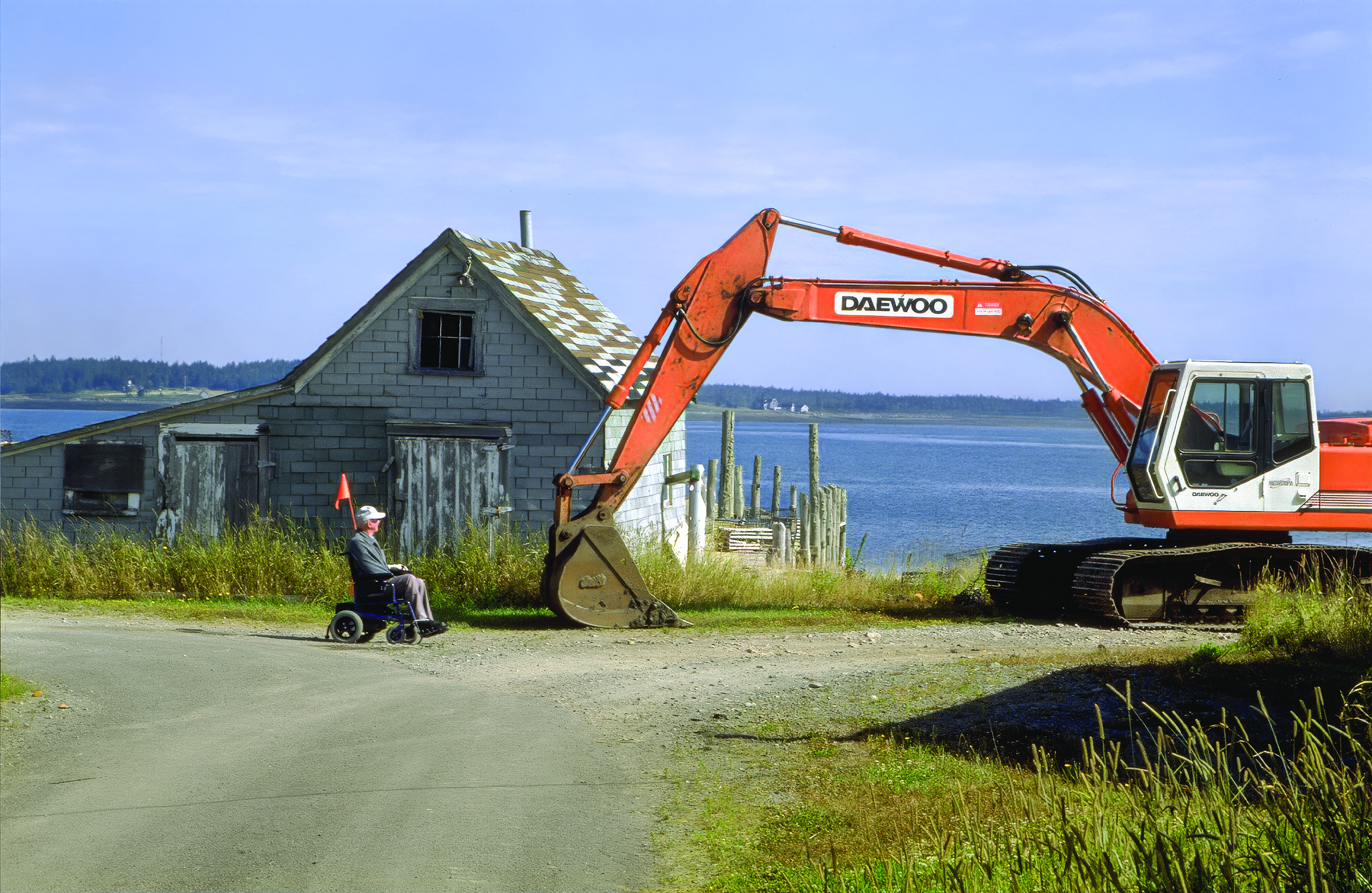
There are several truths that become immediately apparent upon opening Disappearing Before Our Eyes, the new book by Peter Cunningham. The first truth is that every photographer should own this book. The second truth is that every person who is not a photographer, but is old enough to feel a twinge of nostalgia for a way of life that seems to be disappearing with increasing speed, in some kind of twisted ratio to their own aging, should own this book. It really is that good.
Peter Cunningham – “Disappearing Before Our Eyes”
Published by Goose Lane in 2026
Review by W. Scott Olsen
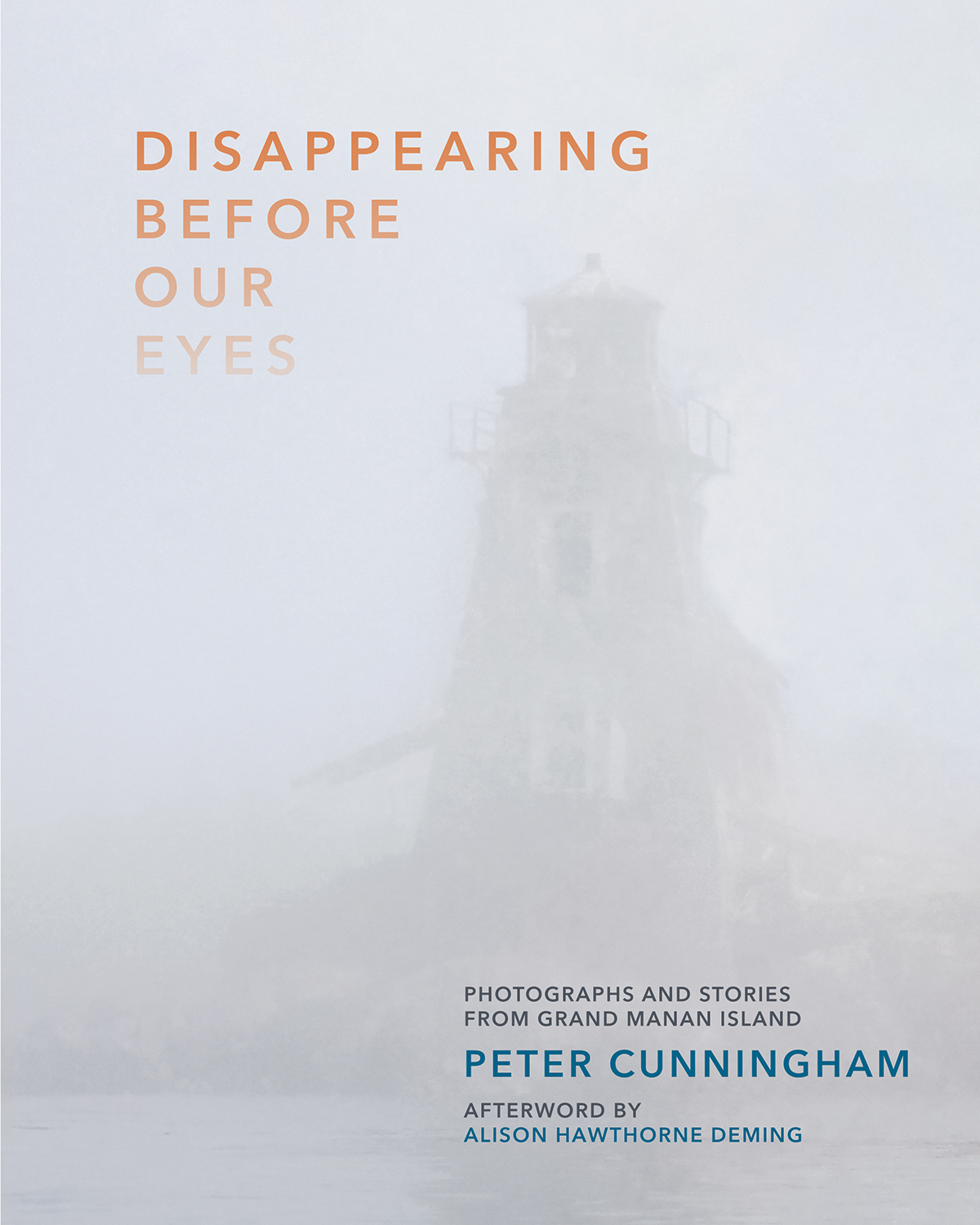
Disappearing Before Our Eyes is, at its most basic level, a lament for a way of life that is disappearing on Grand Manan Island up in the Bay of Fundy, New Brunswick, Canada. But it is also a great deal more than documentary work of old buildings and ghost signs. Every generation has felt the way of life that existed in their youth is disappearing as they age, and a new way of life that always seems lesser comes about to replace it. This transformation is commonplace, yet our awareness of it is one of the sources of how we understand the profound sadness of our own mortality. Every now and then, however, this sense of loss becomes poignantly beautiful in the hands of an artist.
Peter Cunningham’s work is well known. He took the first publicity shots of people like Bruce Springsteen and Madonna; his concert and theater performance work helped define the genre, and he was an assistant to Henri Cartier-Bresson when HCB was photographing New Jersey. Perhaps more importantly, Cunningham is a Zen practitioner of the Zen Peacemakers, a group of socially engaged Buddhists. This notion of being socially engaged is also an understanding of where, and why, to point a lens.
In the preface, Cunningham writes—
The year-round population has held steady at about 2,500 for over a century. That’s small enough to know someone in most every family, but it’s large enough to make its working remain a mystery to this lifelong observer. How do these individual puzzle pieces all fit together? What effect does broad economic, political, and technological change have on the experiences of the people who live on this isolated and traditionally independent Island? Facebook doesn’t need the ferry service and, like everywhere, money talks. This book is about that.

Disappearing Before Our Eyes is divided into chapters: Dead Reckoning; The Edge; Raw Material; Transformation; The Light; and more. Each of these chapters is a way of looking at the island, and in every chapter there is text to go along with the images. The text is not captions or explanations as much as a parallel story unfolding. For example, an early bit of text in Chapter One, Dead Reckoning, reads—
With their acute senses and fundamental beliefs, our ancestors knew exactly where they stood. Now with infinite knowledge and endless choices, we feel less certain of where our feet are anchored. It seems everywhere we turn, life as we’ve known it is disappearing before our eyes.
When we feel lost, confused, at sea in the fog of contemporary culture, we should remember our dead reckoning ancestors. Remember how they put trust in their experience and their intelligence and their instinct. Like them, we can slow down, we can stop, look around, and listen to ourselves into the ways of the natural world. It’s the only way we can begin to set course for a destination that feels like home.
This text is set opposite two images of local teens staring into their cell phones.
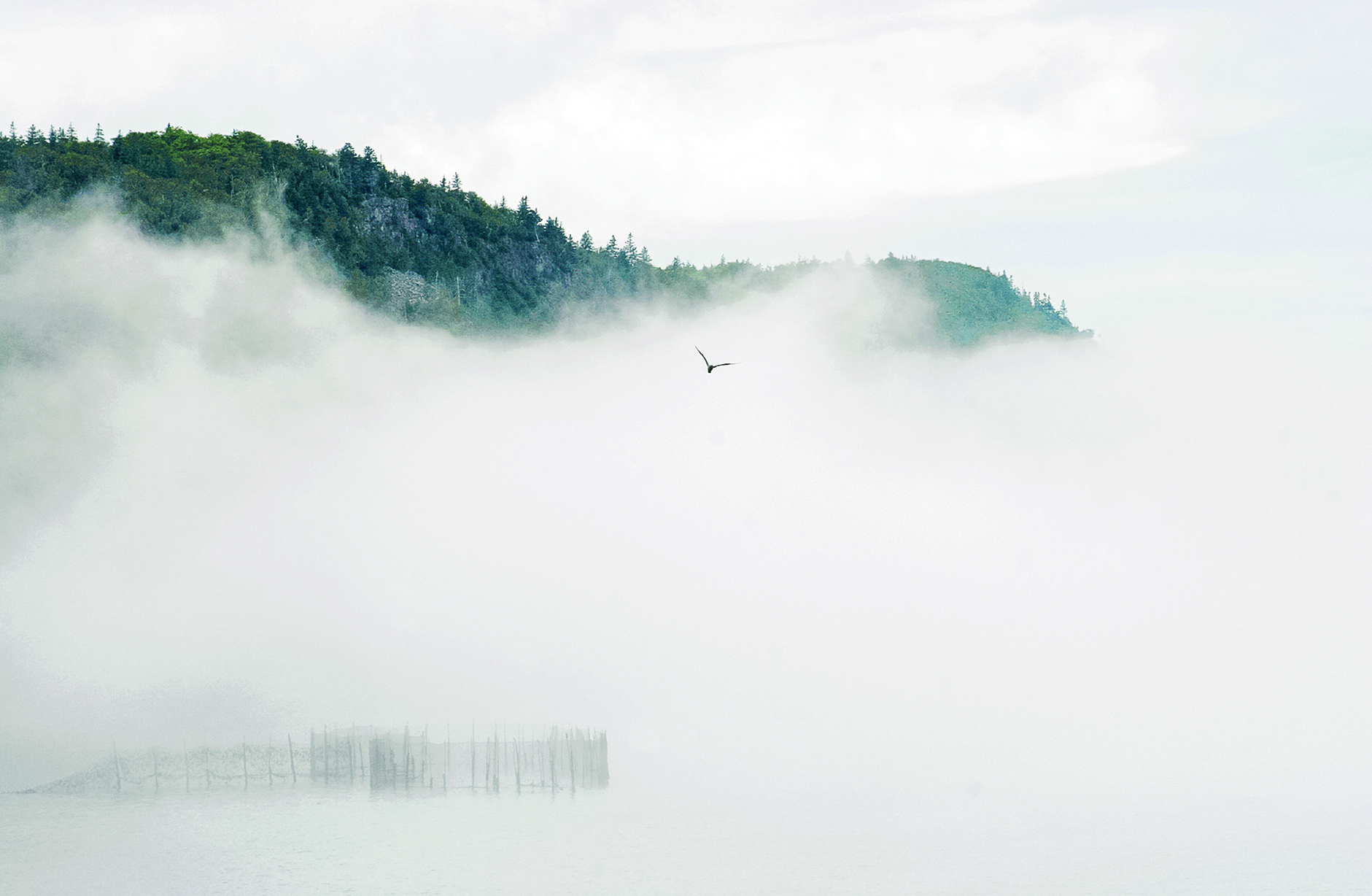
Later, in the chapter called The Light, which is ostensibly about the Ross Island lighthouse, we read—
Nevertheless, Yeats is right. Most of the centres around which we organize our lives will eventually fail to hold. For some here on Grand Manan, that center takes the form of religious faith; for others it might be family, ambition, or perhaps nature, beauty, political action, friendship, or creativity. In their own way, they each bring a sense of meaning to our lives. When any or all of these foundational elements shake and crumble, we face a devastatingly painful personal reckoning. Our lives fall apart and our future becomes a complete unknown; we feel as if suspended in a void, stripped of hope and direction. This happens.
In such cases, we have no choice but to carry on. Just keep moving, one step, then another. Left right, left right. The most important ingredient is blind faith. New possibilities will eventually arise. And faith that our children will in turn find their own ways to carry on.
This is set against an image of the island rising out of sea fog.
One of the dangers of reviewing this book is the temptation to overquote. So much of it is dead-on to the deep kind of nostalgia that is not blindly romanticized but, instead, gives voice to a growing sense of mourning, which I would argue is one of the sources of wisdom.
There is also in this book an insightful and splendidly written afterword by Alison Hawthorne Deming, in which she writes—
So much story can be embedded in a photograph, though the frame only captures a moment and not the passage of time. Peter Cunningham has said that his mentor, Henri Cartier-Bresson, with whom he shared a photographic journey in New Jersey in 1975, told him not to try to capture the action but the moment just before the action starts. That’s where the story lies, in what is about to happen. And Peter’s photographs of Grand Manan tell a wealth of stories in stills.
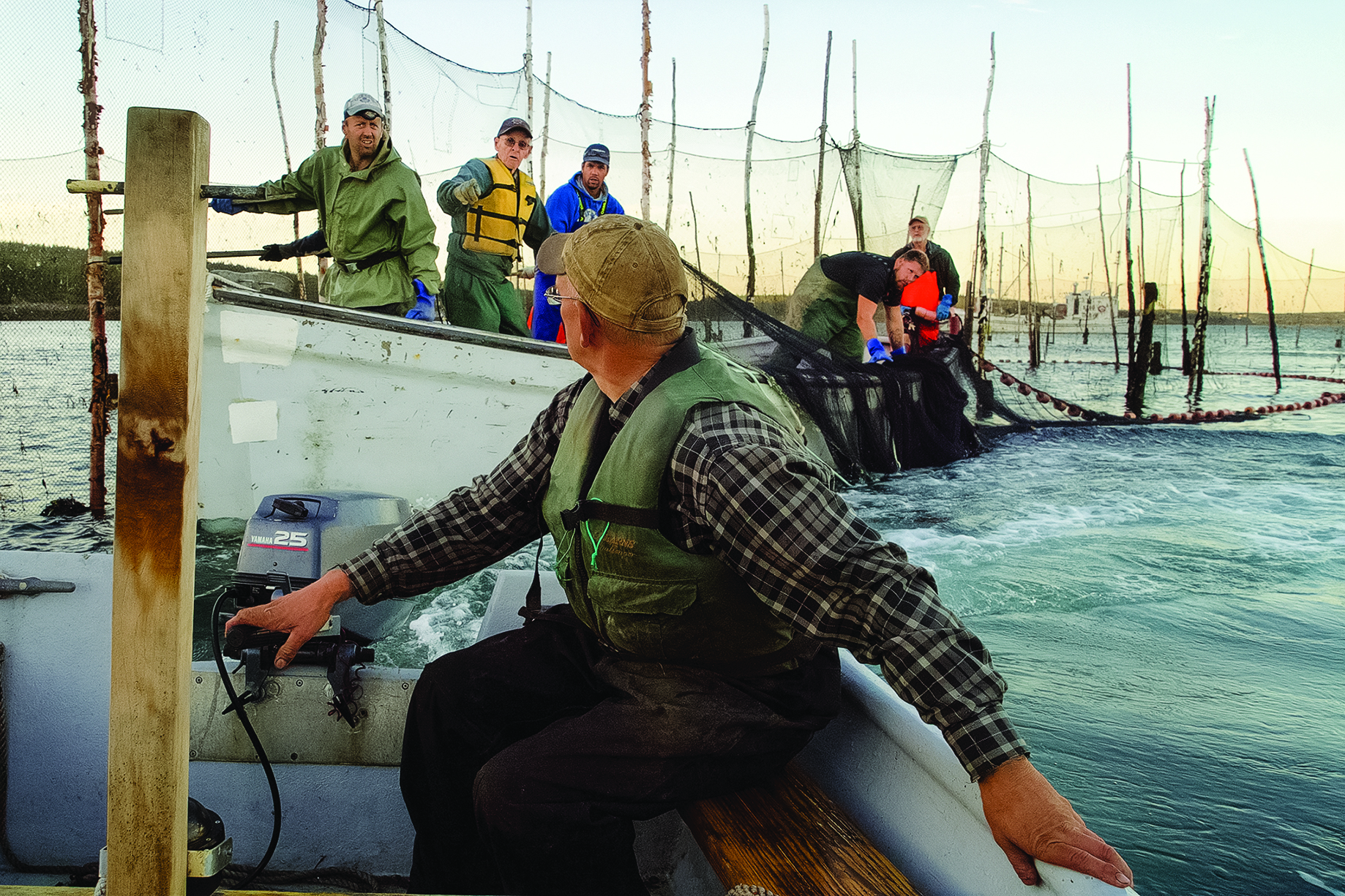
Reading this book, it’s easy to overlook the extraordinary talent of every image. Because all of them are so talented and illuminating, the transition from one masterful image to the next sets a kind of baseline where it seems almost normal. But Peter Cunningham is a photographer before anything else, and this project is not just a documentary project of how life is today. This is a project that tries to document something in the act of disappearing. It’s not filled with rust and patina, although those are certainly there. And it’s not filled with romanticized images of decayed buildings, although those are certainly there, too. The book is filled with images of a present, vibrant life, and the artifacts of a previous life, both carrying on and being replaced by something else.
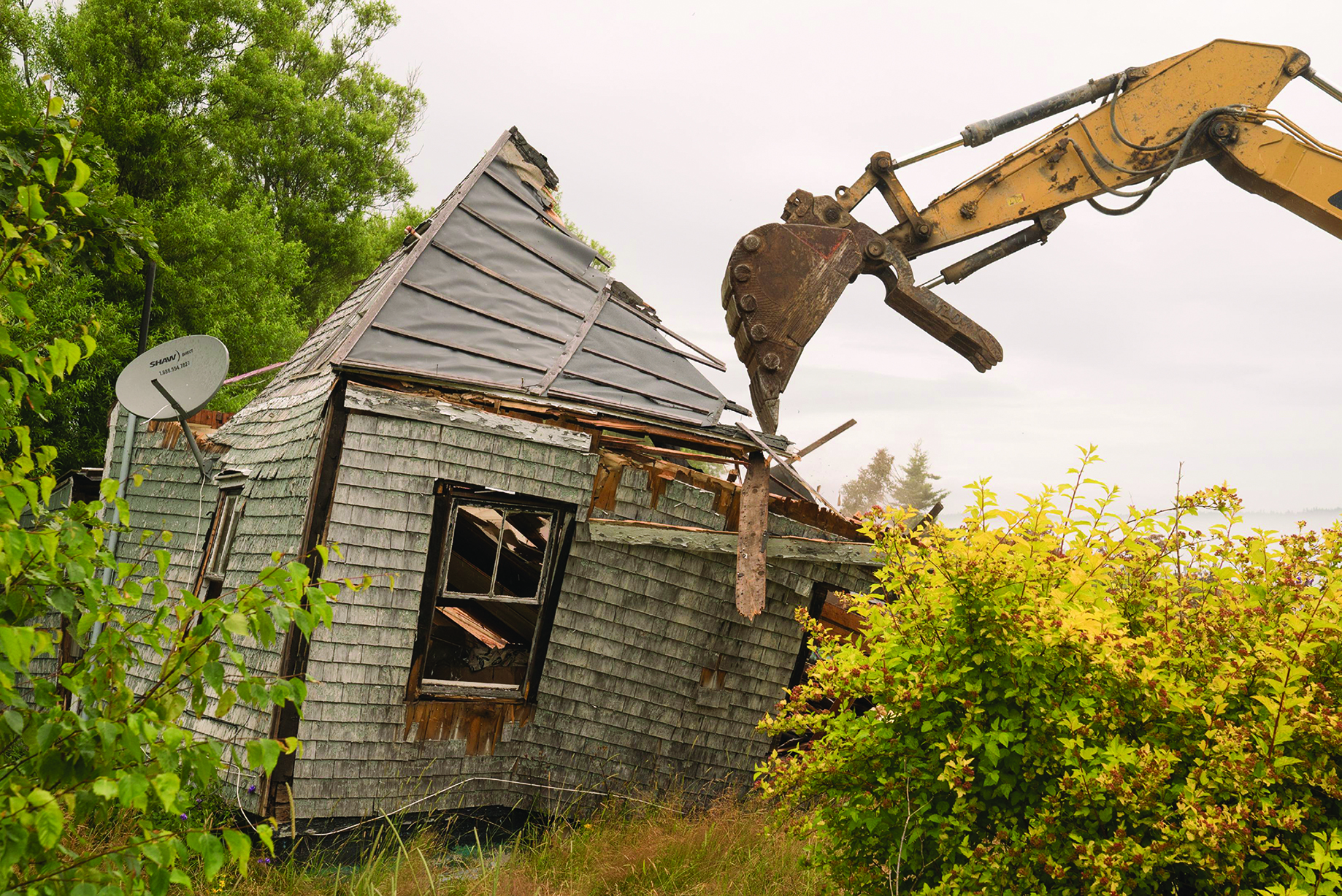
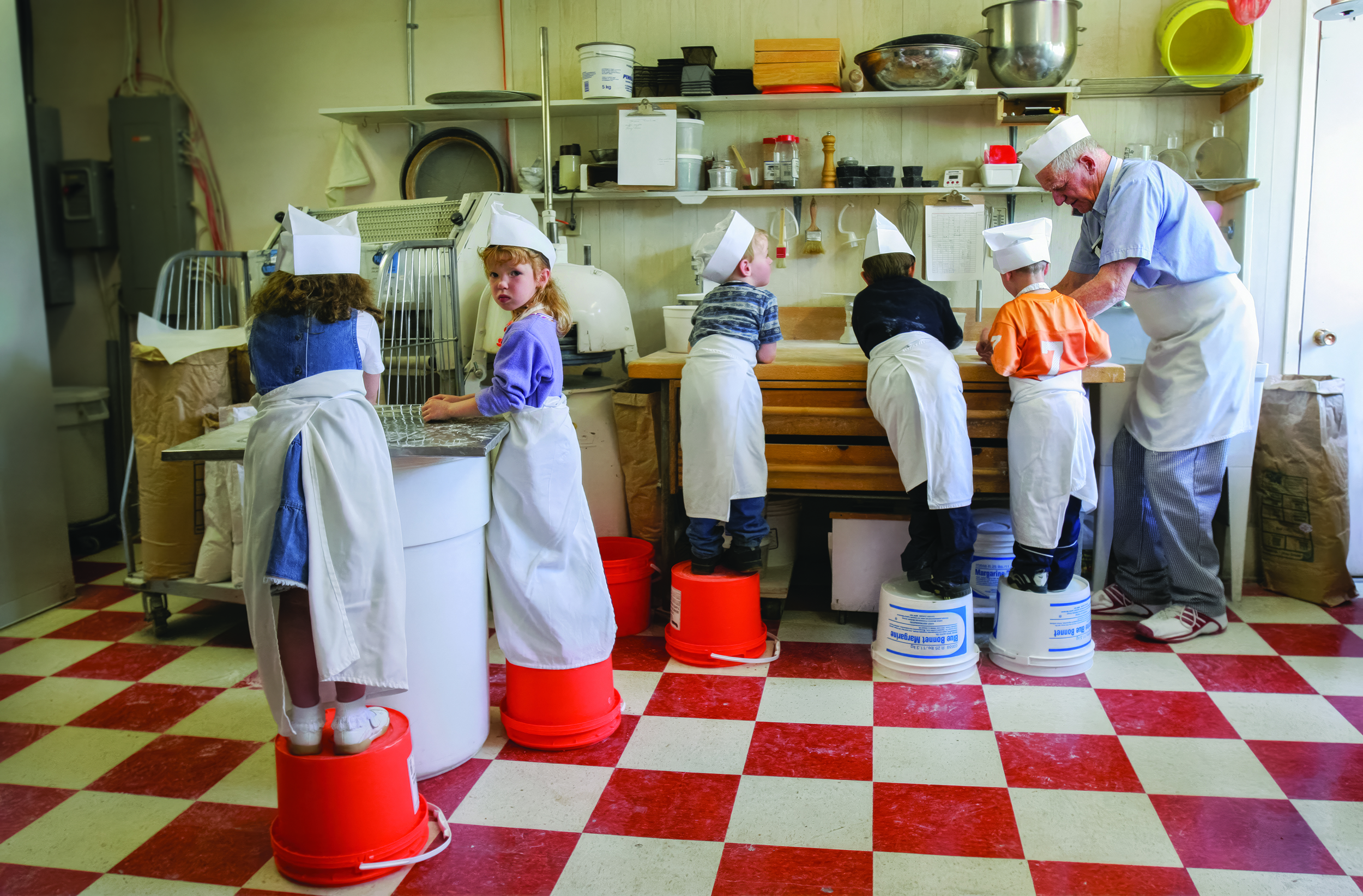
The title of the book Disappearing Before Our Eyes has an active sense to it in that these images, through what only can be described as the magic of accumulation, give a powerful articulation of a spirit. Anyone old enough to remember a past that cannot be recovered will know what I mean.
If you were to divorce the story from the images and look only at the images, this would be a splendid art book. But Cunningham is after something a bit deeper and a bit more urgent. And for that, I am grateful.
A note from FRAMES: Please let us know if you have an upcoming or recently published photography book.

FRAMES is a unique international photography community that combines the best of all worlds, bringing you print and digital publications, a global membership platform, access to live events, and a dedicated mobile application.
EXPAND YOUR PHOTOGRAPHIC VISION
JOIN FRAMES TODAY