There is an interesting distinction to be made within our relationships to politics. Politicians, the men and women themselves, are not only public figures—we make them celebrities. We reveal their histories, question their choices, psychoanalyze their motives. Their scandals as well as their generosities, their every habit, are made public and personal.
But politics, the way we get along with each other writ large, has a more faceless front.
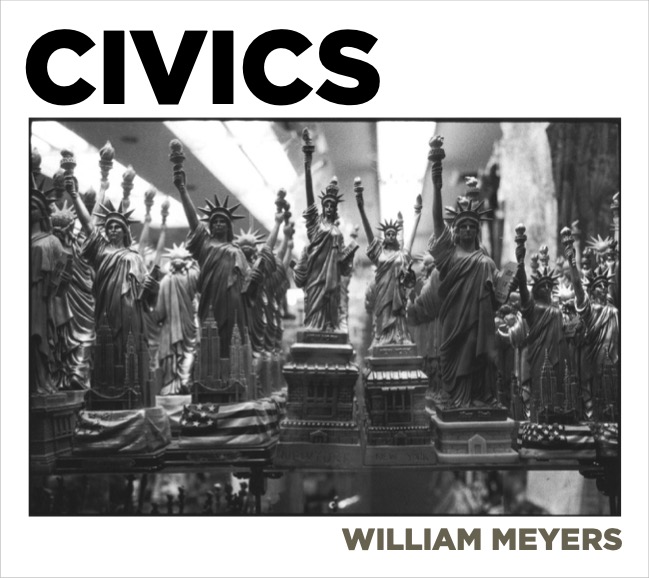
William Meyers – “Civics”
Published by Apollo Publishers in 2026
Review by W. Scott Olsen
While the President, congressperson, governor, or mayor may be known to us as individuals, the school board, the county commission, the liquor board, and the staff of the public works department remain essentially faceless and generalized. Which is to say, most of what makes society work is done without attaching an individual’s heart and soul to the process. Perhaps this is as it should be. The school board lasts a lot longer than any individual member, and in the best case is driven by good intention more than personal ambition. The person putting election leaflets in our doorways, the poll watcher, the staffer at a homeless shelter, are not acting out of personal ambition. They act out of a commitment to make the world a better place.
But the fact that we do not individualize most of the ways we have created pathways to live with each other does not mean the institutions and the actions of what we have called the body politic are without individual heart and soul.
Civics, a wonderful, insightful, and compelling new book by William Myers, is fine evidence of humanity inside civic life. The book is remarkable not only because the photography is brilliant, but because it gives a kind of intimacy to the body politic.
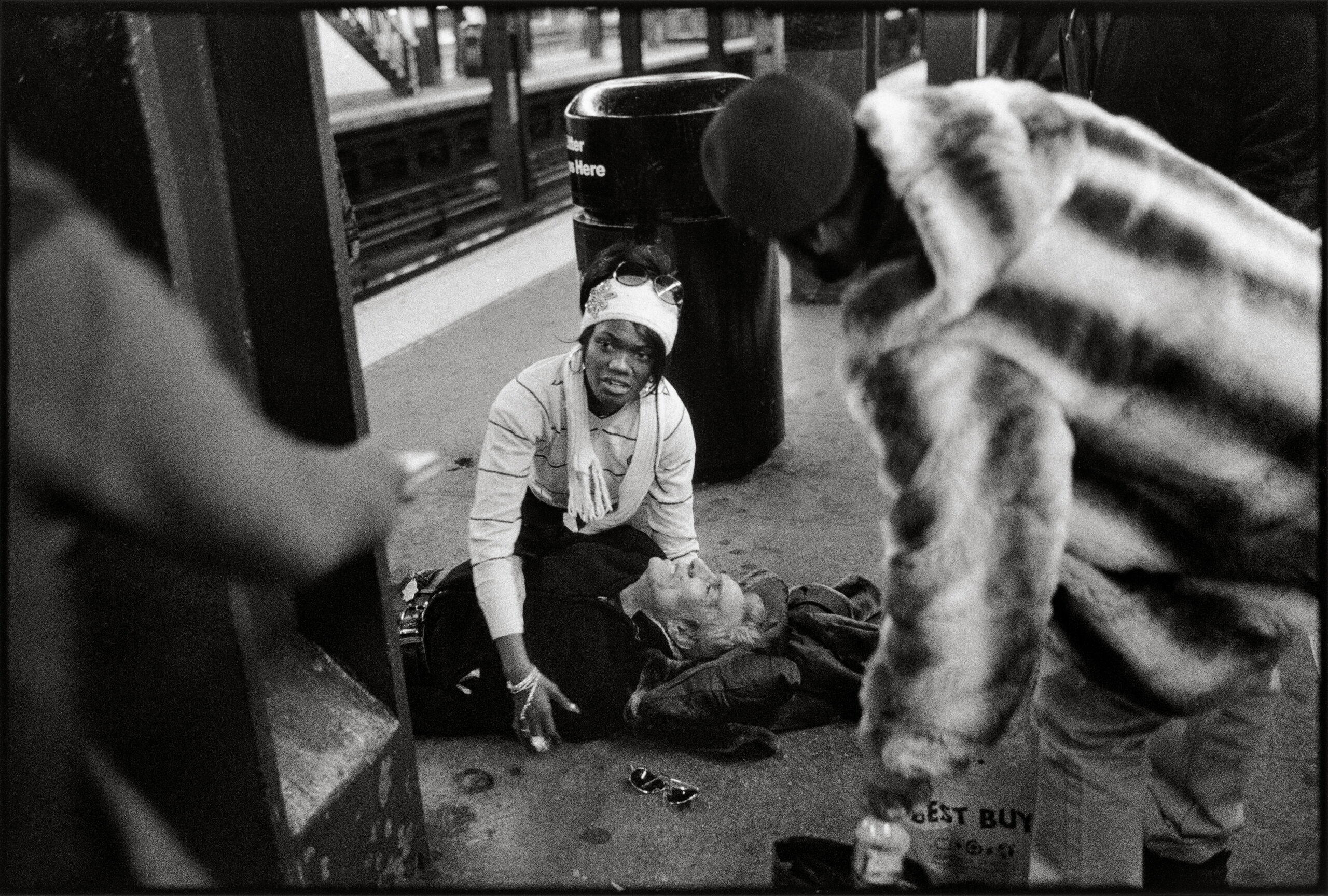
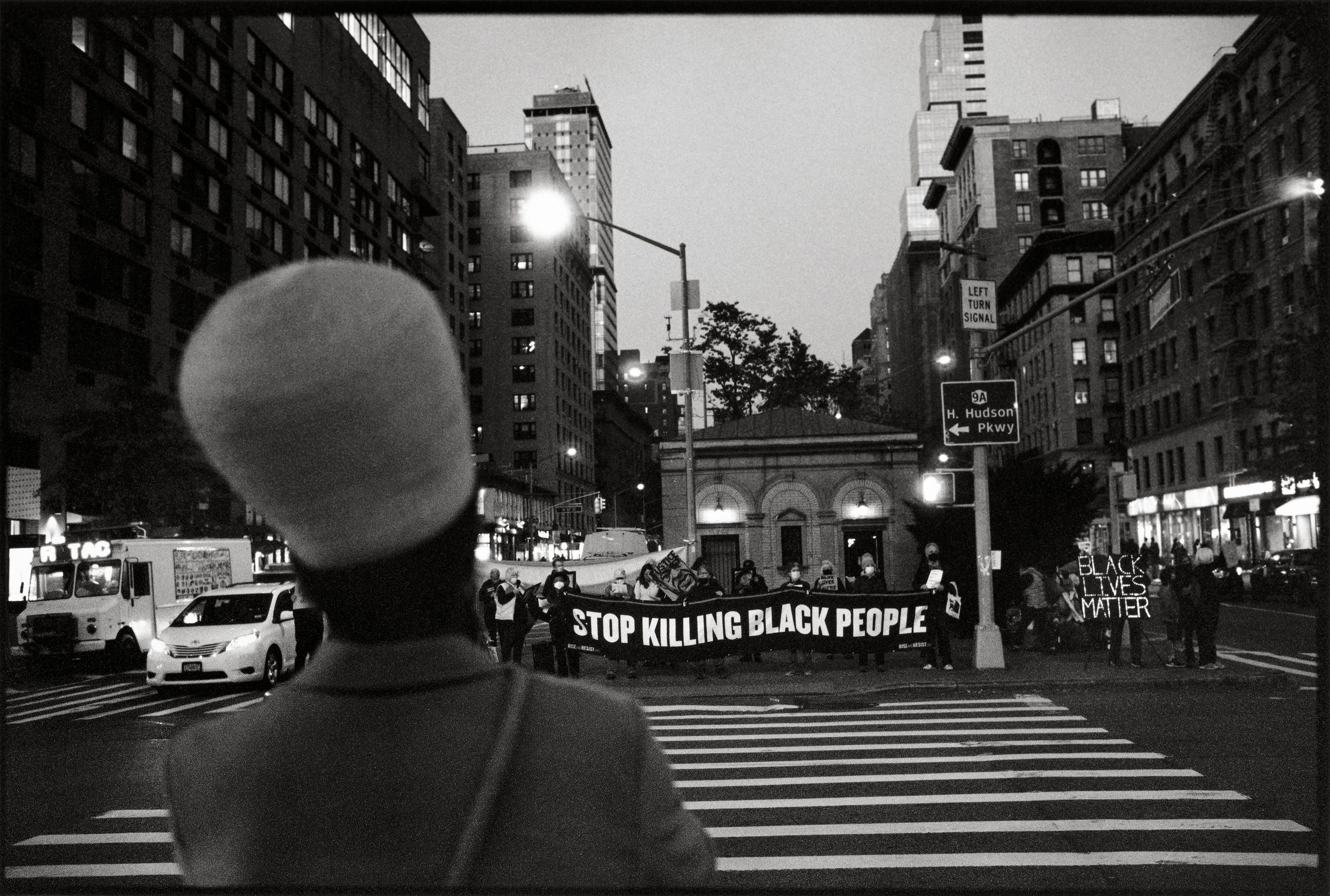
Civics is a collection of 111 black-and-white images taken over thirty-five years, between 1991 and 2026, and divided up into thematic sections: Elections; Governance; Demonstrations; Press; Talk; Social Capital; and Civic Markers. The genius of this organization is that it keeps our attention on the theme, on the idea, instead of any particular event. And, in doing so, the book celebrates not the explosive moments of tragedy or glee as much as the more mundane and yet honest interactions.
Civics begins with an image captioned “Meeting the candidate, Harlem, October 29, 2010.” It’s simply a constituent shaking hands with a candidate. We do not know the candidate’s name and cannot see his face. We do not know his political party or agenda. That’s all beside the point. The meeting, however, is everything. That moment of human connection, that moment of intimacy, carries the gravitas of a whole society. Likewise, an image titled “Leafletting, Upper East Side, October 19, 2010” is just an image of a woman handing out a flyer to somebody emerging from the New York City subway. We do not know what the leaflet supports. It’s the action that matters here.
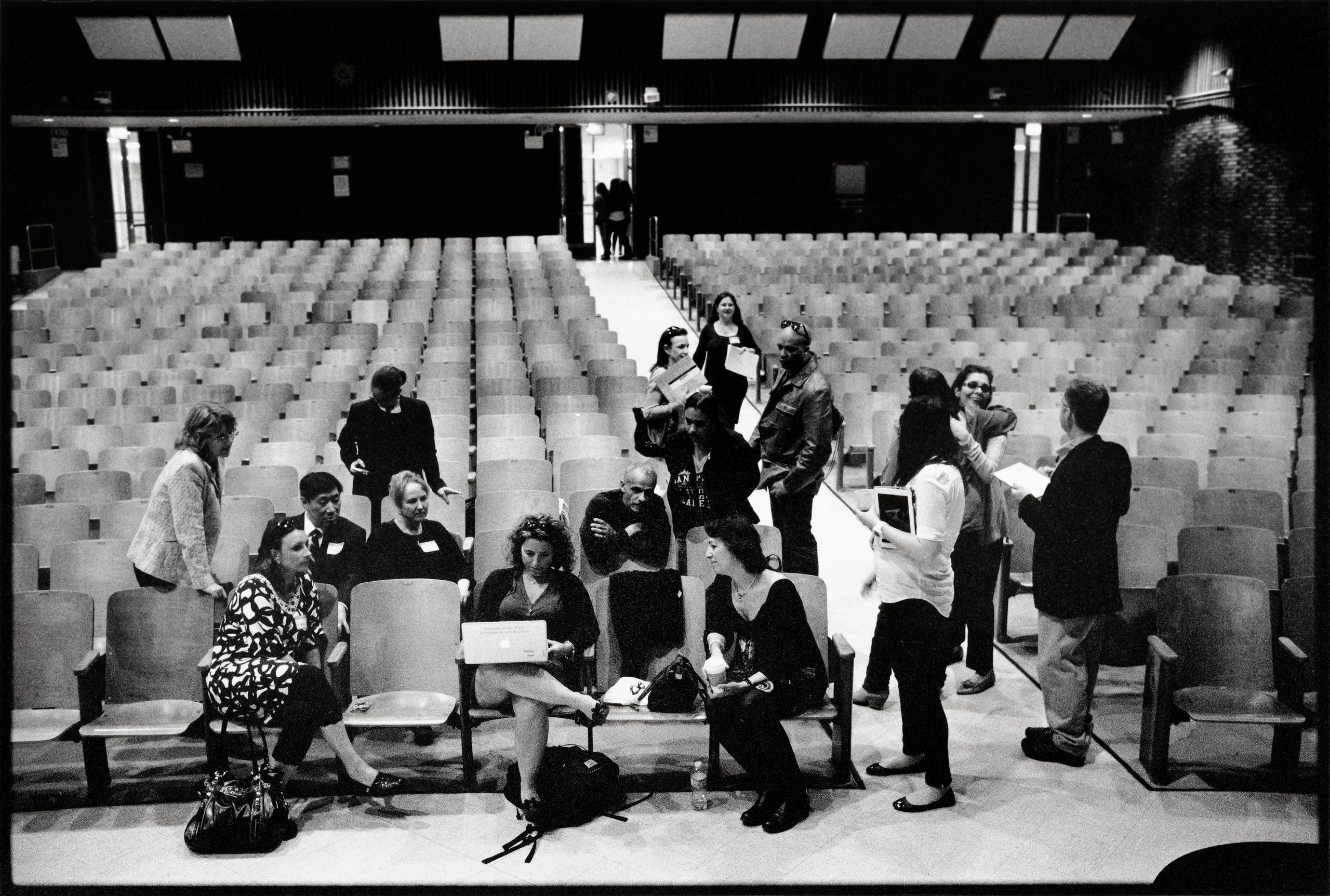
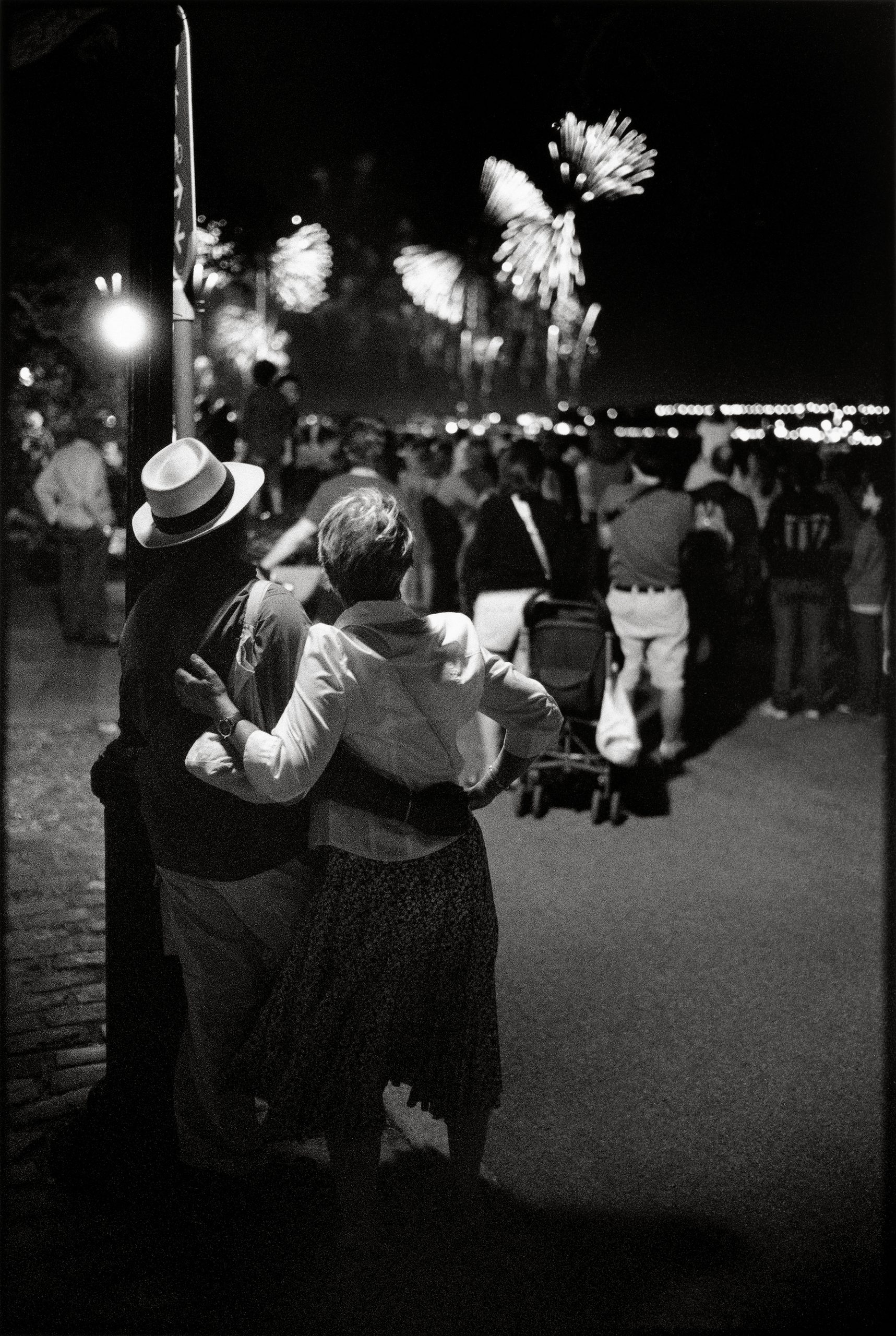
Civics contains images of meetings, reporters, synagogues, people repairing pipes underneath the street, protests, statues, and although a great many of the images are shot from behind their main subject, what this book convinces us is that there are real people out there making the world turn.
In a concluding essay, titled “Everyday Participation, So Modest and So Meaningful,” Nicole Gelinas says—
William Myers’s “Civics” quietly demolishes any notion that the concept of civics belongs to another era. The photos, which were taken in New York City between 1991 and 2026, revealed to us that a functional society depends on people showing up—not just once, but over and over, to figure out, and continue refiguring out, what we think is important, and how we will work together to achieve and maintain a desired result.
A bit later in the same introduction, she writes—
The most indelible images from “Civics” aren’t from protests or rallies, nor of the streets or of statues. Rather, they are photos of rooms full of the back of people’s heads. These are the heads of people sitting, unnoticed, often uncomfortably, while awaiting their turn to speak, whether against a museum building’s expansion or in favor of a political candidate. They sit on flimsy folding chairs in grand buildings. If they are not there to speak, they are there to listen, each thinking privately about their role in the common endeavor.
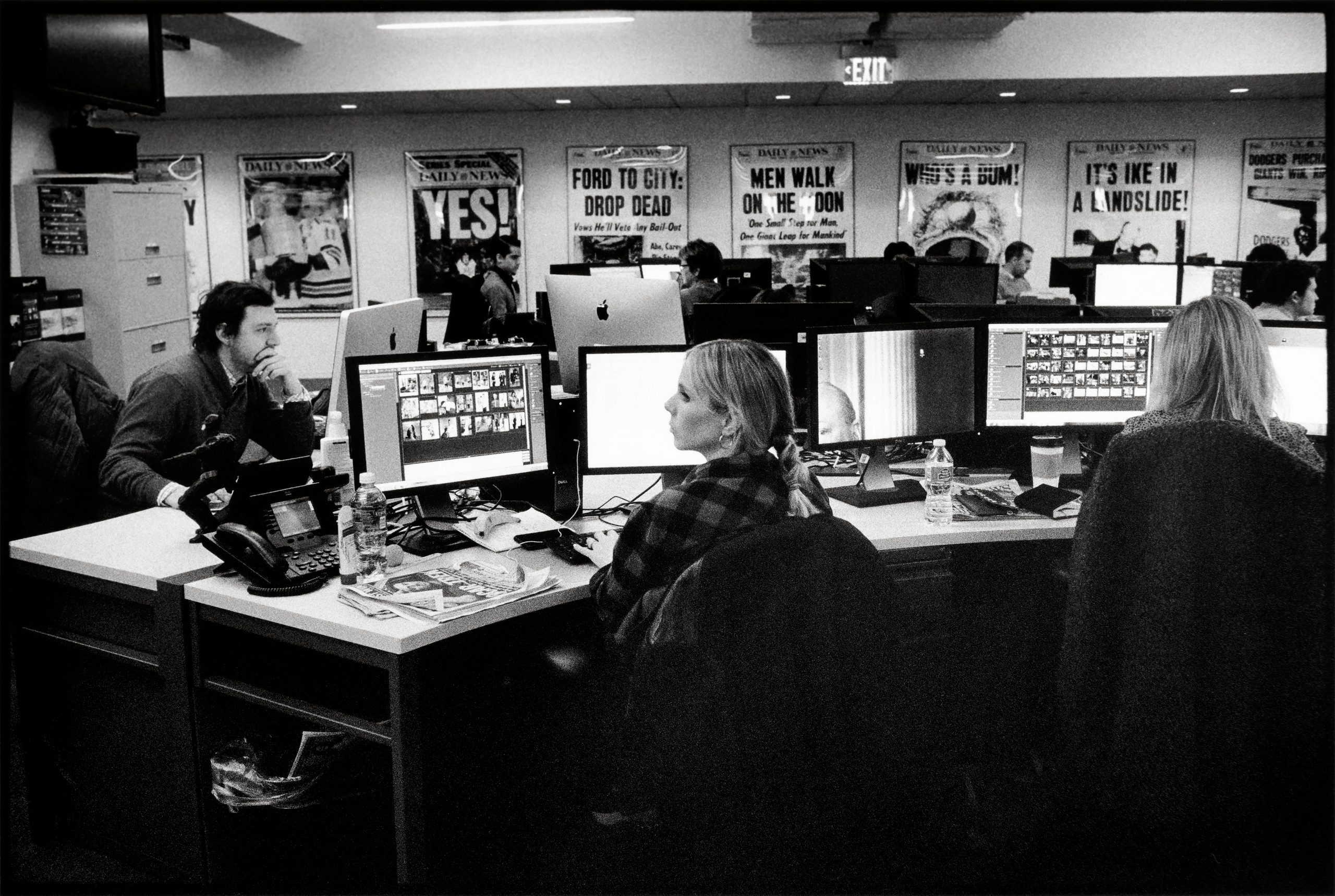
The photographs in Civics are all from New York City, but really it’s a book about everywhere. While the term civics may seem quaint today, a class for middle school in the Midwest somewhere, perhaps the most important benefit of this book is to remind us that civics is very much alive, although we have perhaps been distracted.
Meyers’s photography is brilliant. Every image is poignant. There is a particular tone to the narrative when it’s in black and white, and Meyers knows how to tell a story. His compositions and framings reveal not exactly loneliness but the way humanity can be part of a whole without their presence becoming so large that they become the subject.
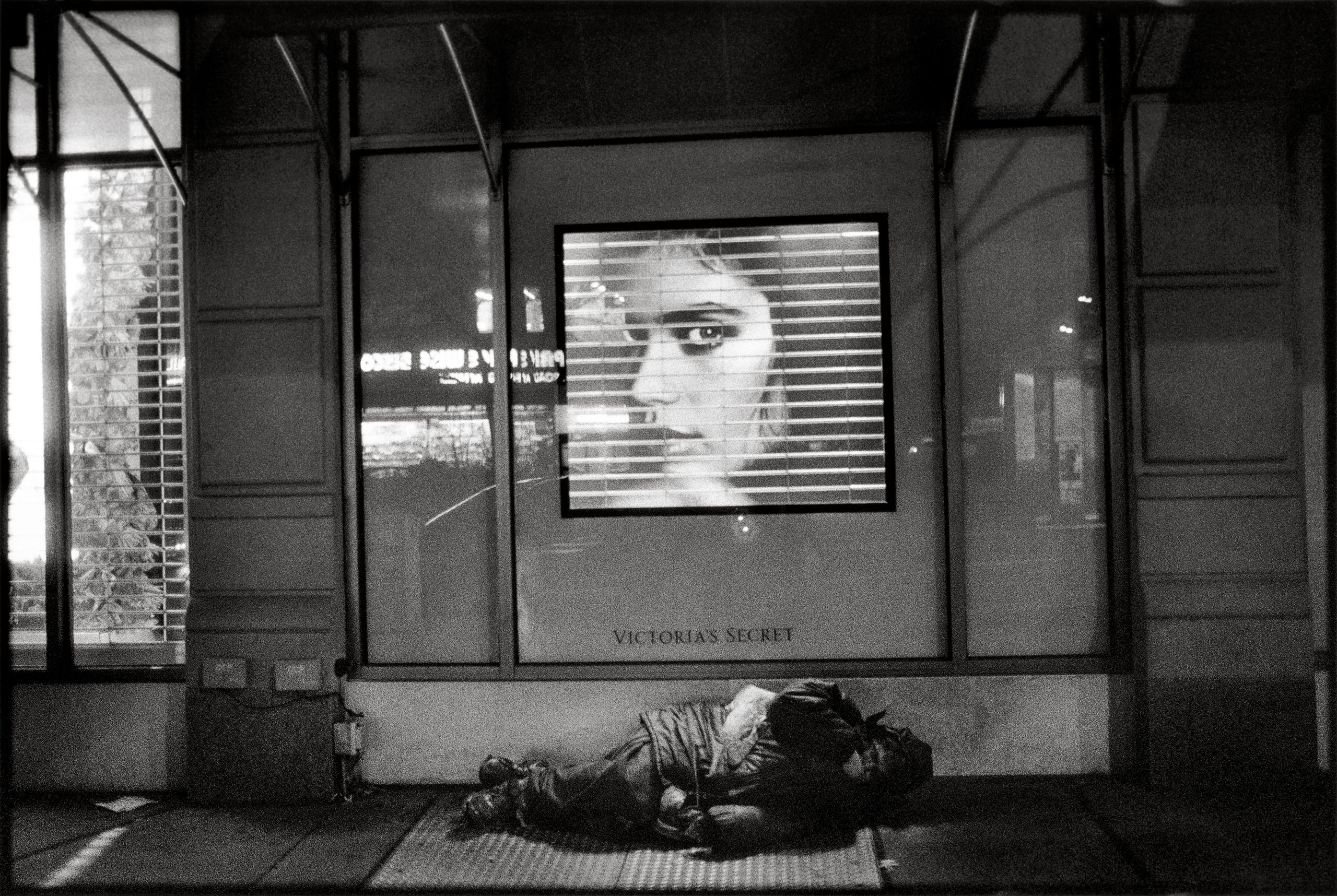
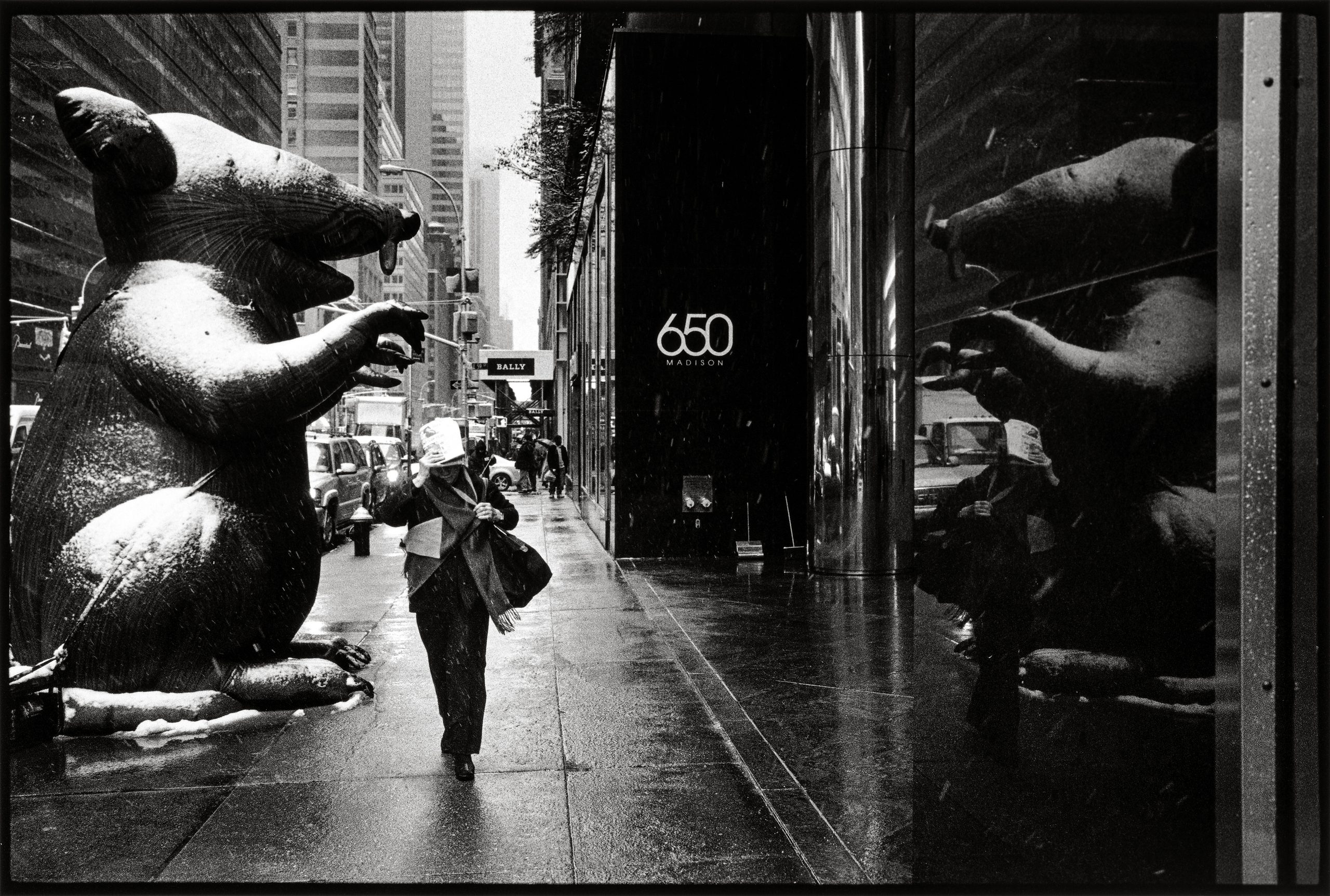
Finally, and unexpectedly for me, Civics is deeply moving. Despite what we see on the Evening News, Civics shows us the world is filled with people, individual people, still working to make our world a better place.
A note from FRAMES: Please let us know if you have an upcoming or recently published photography book.

FRAMES is a unique international photography community that combines the best of all worlds, bringing you print and digital publications, a global membership platform, access to live events, and a dedicated mobile application.
EXPAND YOUR PHOTOGRAPHIC VISION
JOIN FRAMES TODAY