There is something wonderfully promising about a duet.
Two voices, placed next to each other, perhaps in harmony, perhaps both following a melody or theme, perhaps one rambling off into the distance with some other idea; it’s always a type of call and response that creates a conversation. The voices retain their individuality. The voices retain their particular breath, vision, and idea. But the space between them becomes rich with comparison and insight.
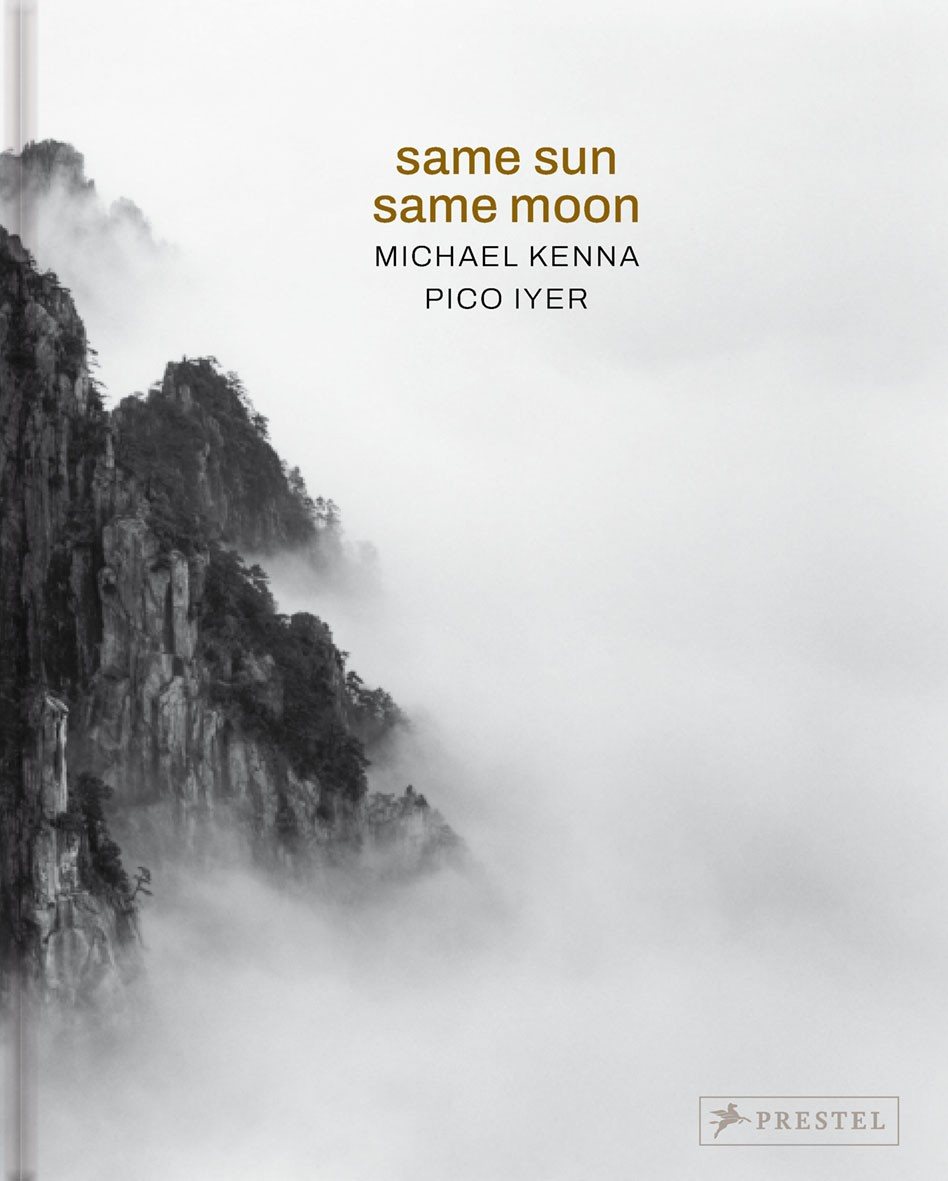
Michael Kenna and Pico Iyer – “Same Sun Same Moon”
Published by Prestel in 2026
Review by W. Scott Olsen
The promise of a duet is especially sweet when the voices are ones we know from different worlds. Two voices we admire, voices we have let into our heart and mind, suddenly together to become something larger. It’s not quite like a chord strummed on a guitar, all of the separate notes blending into one sound. No, the true duet brings every nuance of individuality into the presence of another.
Duets, of course, are not unusual in music or dance. There are a small handful of literary pairings, too. (This is different from co-authoring a single text, however.) And in photography, we are long accustomed to the diptych, where two photographs from a single photographer form a type of duet. But when it comes to pairing text and image, and pairing two artists, the field is not crowded.
Today, however, there is a new offering. The most intriguing duet I’ve had the good fortune to see in a very long time is Same Sun Same Moon by Michael Kenna and Pico Iyer. To say it plainly—this is a profoundly interesting, rewarding, and moving project.
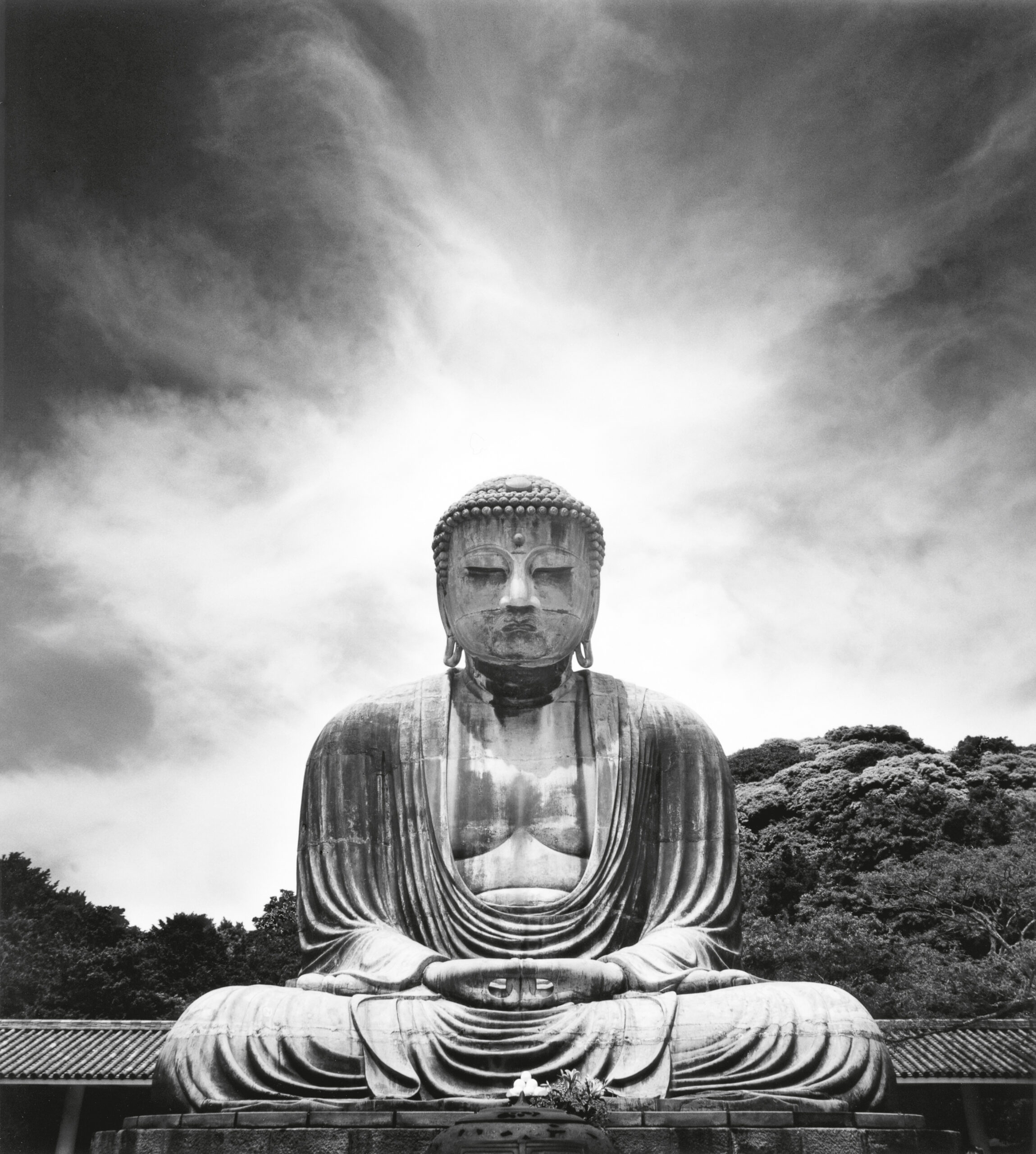
The idea is simple. Kenna would provide a photograph with a bit of reflection. Iyer would then offer his own reflection. Both Kenna and Iyer are renowned for their travels and for the way their images and their words can unpack cultures and sociologies and psychologies and longing and hope and sadness and joy. Roughly the same age, the two men have moved through their histories always, it seems, within a few miles of each other, whether in England or Japan or elsewhere, but not meeting until recently. Their sensibilities are equally in tune with each other’s. A bit like separated twins who meet late in life, the similarities are both striking and deep-rooted.
To be upfront, as a travel writer myself, Iyer has been one of my heroes. I have been reading his work for a very long time. And, as a photographer, and especially a black and white photographer, Kenna has been a hero, too. So, you can imagine my joy when I learned there was going to be a book with the two of them together. When it arrived, I eagerly unpacked it, and I set aside the little bit of marketing material that Prestel provides (as does every publisher), but something on that page also caught my eye. It reads—
Beautifully printed and designed for slow reading and close observation. Same Sun Same Moon is a meditation shaped by light, shadow, and quiet transformation. It is a book for art lovers, writers, and anyone drawn to the subtle interplay of image and word, solitude and connection.
This hits it on the head. “Printed and designed for slow reading and close observation.” I have turned the pages of this book more slowly than any other photo book I have held. I’ve spent more time per page with this photo book than any other book I have held. And that lingering is because of the tranquil and yet honest ideas each page presents. Each page is a meditation and a joy.
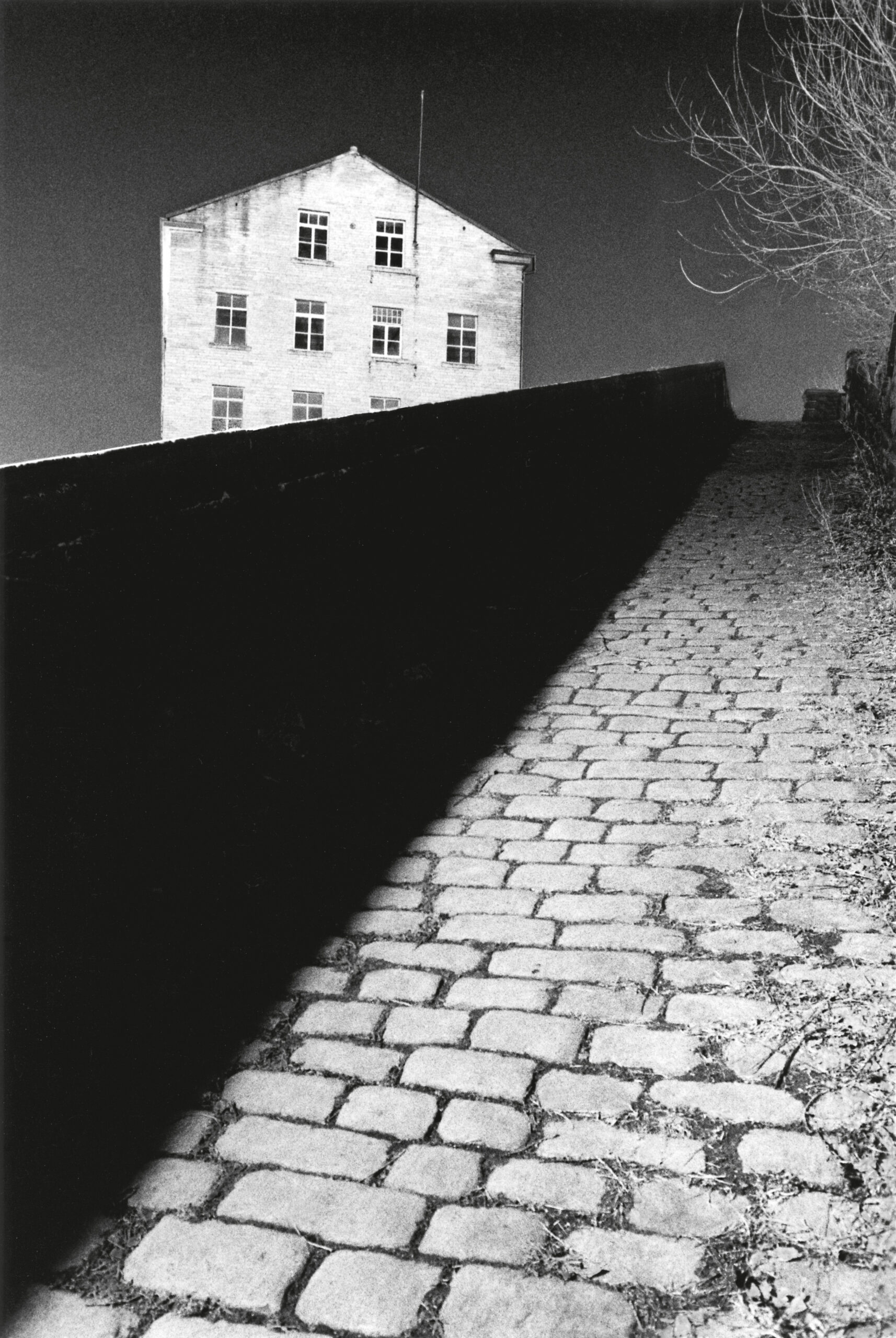
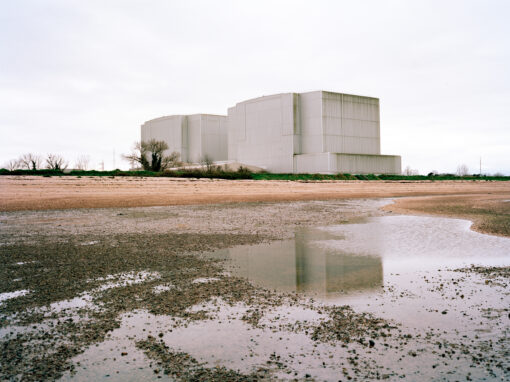
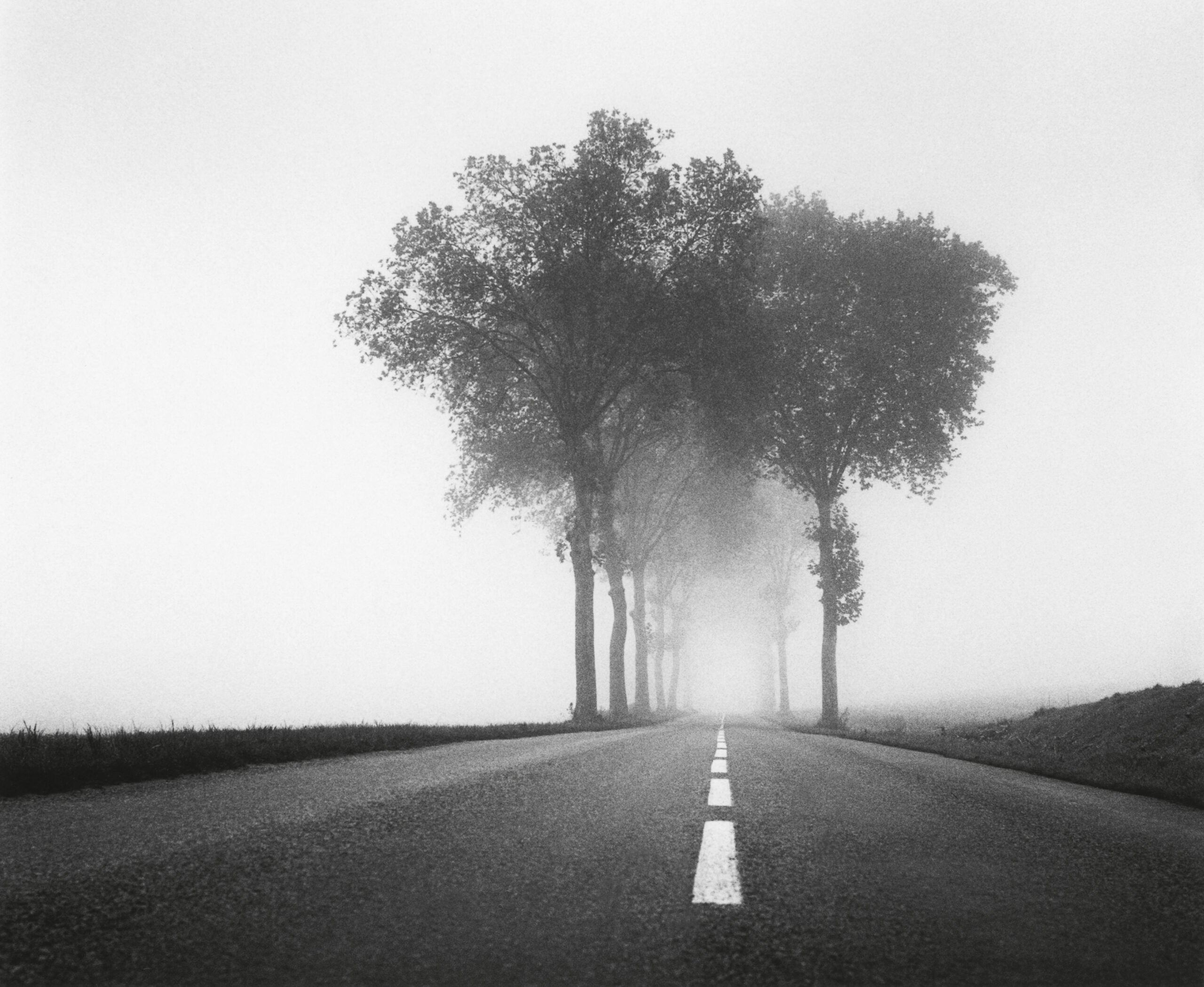
Same Sun Same Moon holds sixty duotone images, selected from throughout Kenna’s career, and every one of them is a masterwork. Kenna’s talent to capture a deep quiet is in full display here. There is something to his work—let’s call it essence or invitation or whatever you want to call that feeling when you’re standing on a ridgetop, and there’s a huge valley opening in front of you—which allows and teaches contemplation and patience.
The images in Same Sun Same Moon, in general, are on the right-hand side, and the text is on the left. This is an intriguing arrangement because, while it’s graphically pleasing, our eye goes to the picture first, then to the text on the left. The result is a viewing that, in an odd way, goes backward. The book design creates a bit of a time-traveling exercise. Instead of reading the text first and then the image as evidence, we are drawn to the image, and then to something graphically before the image, for insight.
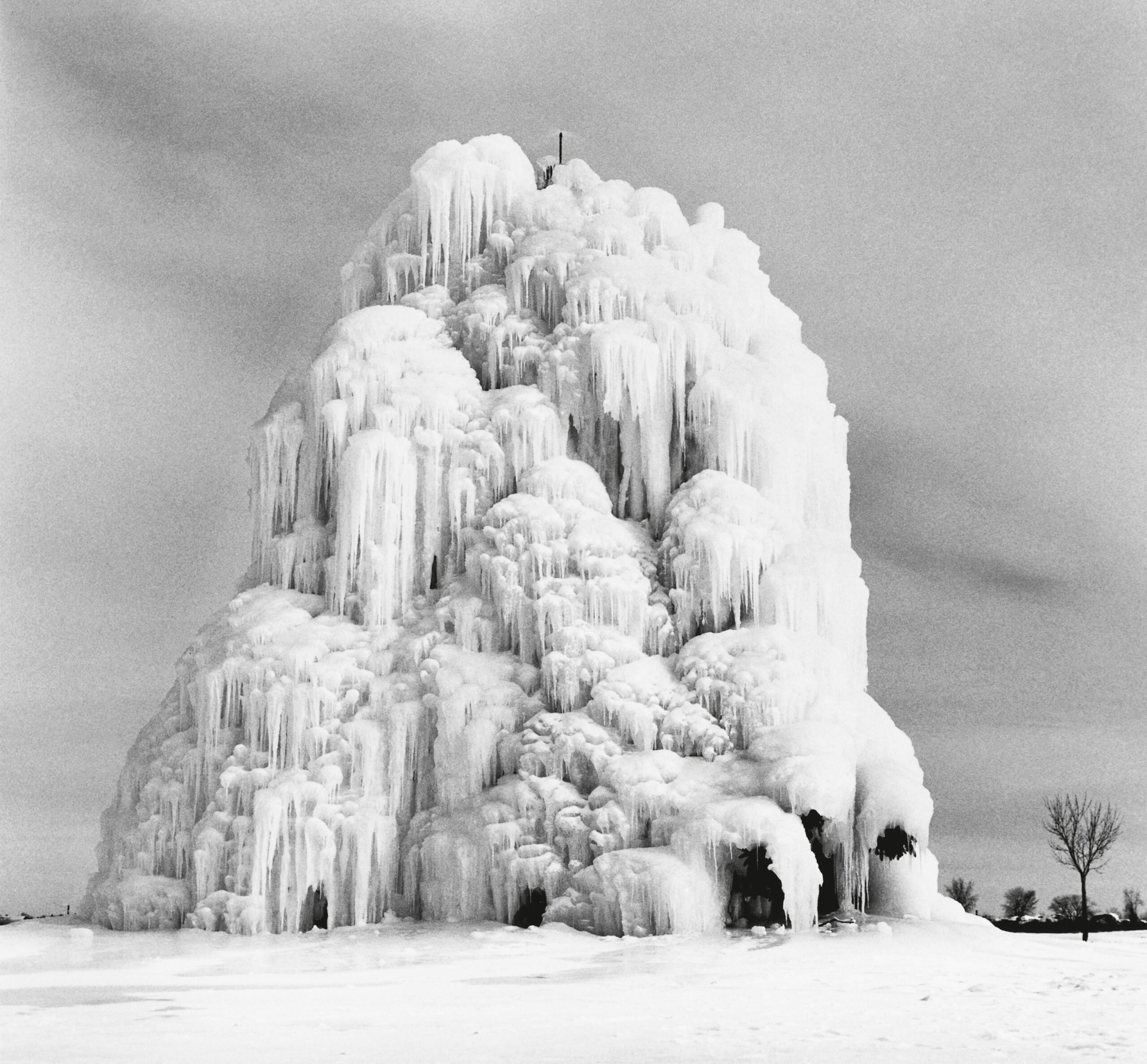
On every left-hand page, there is a brief recollection by Michael Kenna. These are not overly philosophic or aesthetic, nor are they technical explications. While some are more lyrical than others, they are in every instance a recollection of the moment the image was made, or what prompted the image. The text is personal history, more about why the situation revealed beauty and why that beauty created a moment with a camera.
Also on the left-hand page, to the left of Kenn’s text, Pico Iyer has his own reflection on what the image caused him to consider. He was not present when the image was made. I don’t believe he had met Michael Kenna when any of these images were made, yet their histories are so close, both in time and location, that oftentimes Iyer can reflect upon the site and sight independent of the photograph. What he does brilliantly is reflect upon the idea of the photograph and its location. As always, Iyer’s writing is clean and masterful.
Think about it this way: Kenna writes about an image’s personal backstory. Iyer writes about an image’s intimate propositions. Because every spread in this book contains three elements, the image and the two voices, it is easy, and perhaps on purpose, to spend a great deal of time meditating—yes, that’s the right word—meditating upon the stories and ideas. They are responding to each other. This is not an accidental or forced pairing. Both men have reached a respectable age. The voice of both artists is the voice of wisdom.
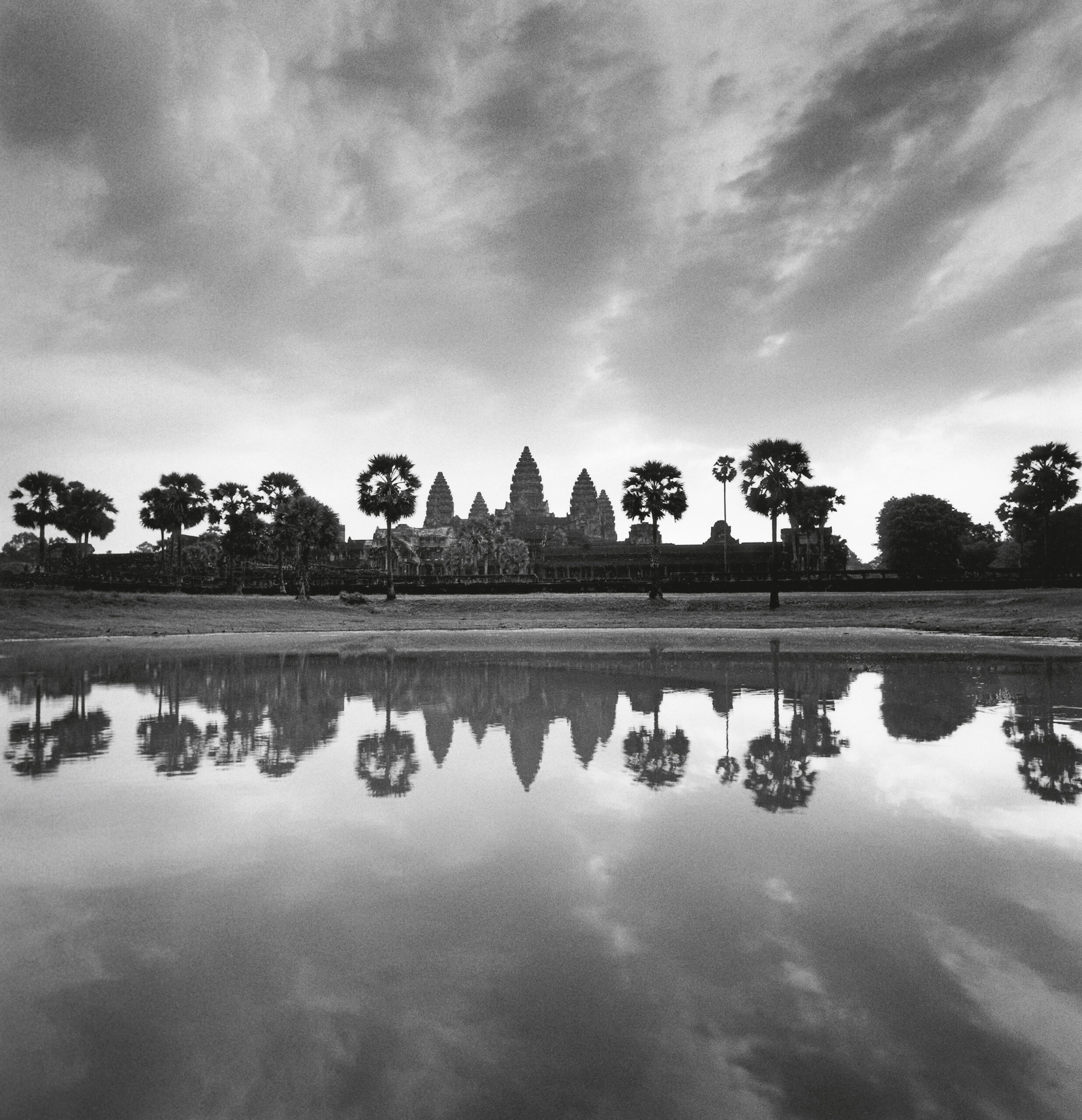
For example, for an image called “Daybreak Reflection, Angkor Wat, Cambodia, 2018,” (see above) Kenna’s writing includes—
Traveling for countless hours from Seattle to Beijing to Siem Reap, and after an almost sleepless night, we rose hours before dawn to take a pre-arranged rickshaw to the temple. Dodging in and out of long caravans of coaches, full of tourists, we edged our way forwards before getting stuck in a traffic jam with bicyclists and pedestrians weaving and squeezing their way through. Opting to walk, we joined in a slowly moving, jostling, ruck of people, many with torches, everybody anxious to enter the temple complex as soon as possible to claim the best vantage points for sunrise photographs. I was one of thousands of tourists.
For that same image, Iyer writes (in part)—
Why do we travel? To be confronted by our planet head-on, in all its stark reality. To be silenced, lifted, upended by the power of what humans have wrought and what Nature is doing and continues to do constantly. To encounter immensities that shake us out of words.
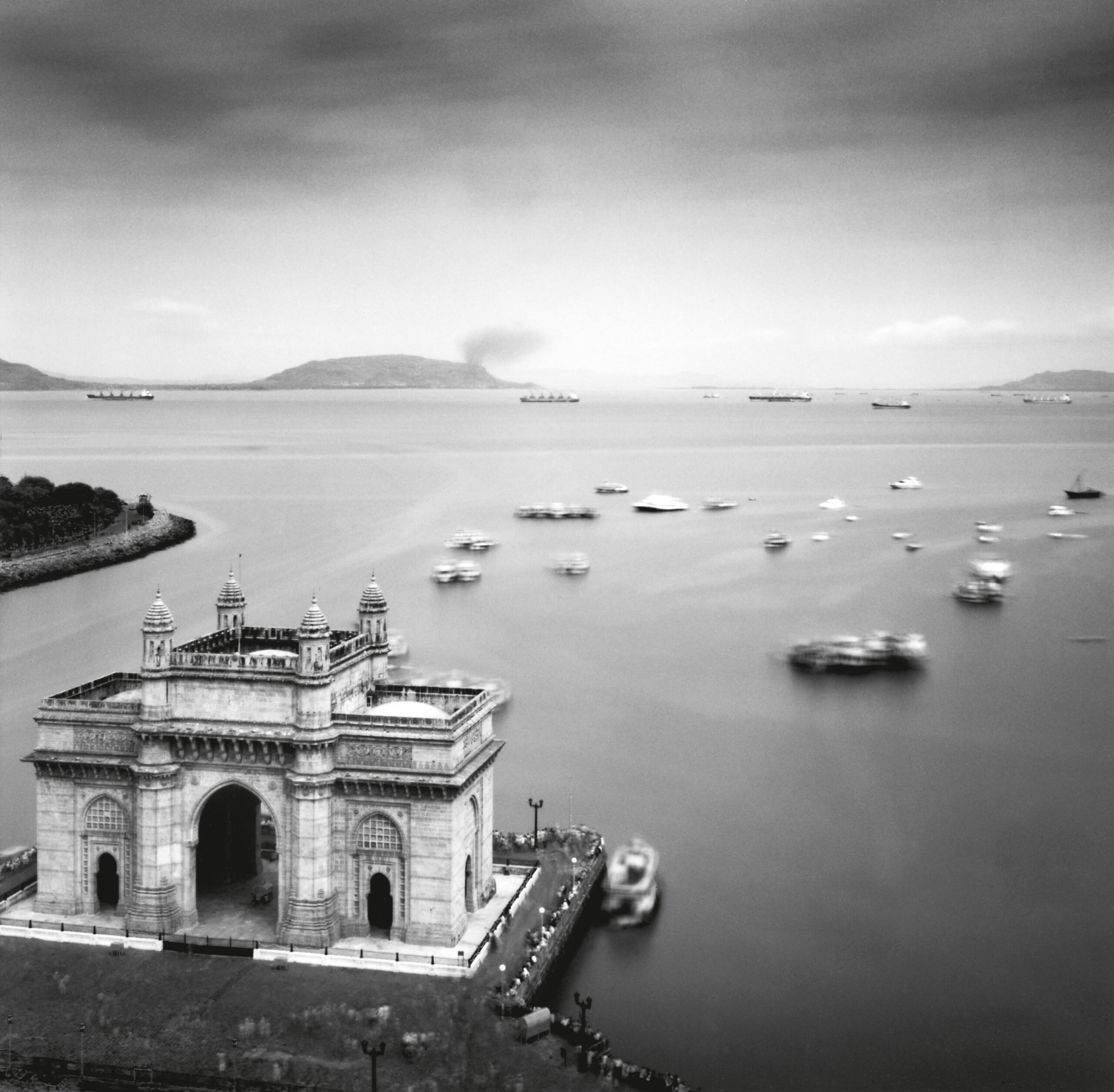
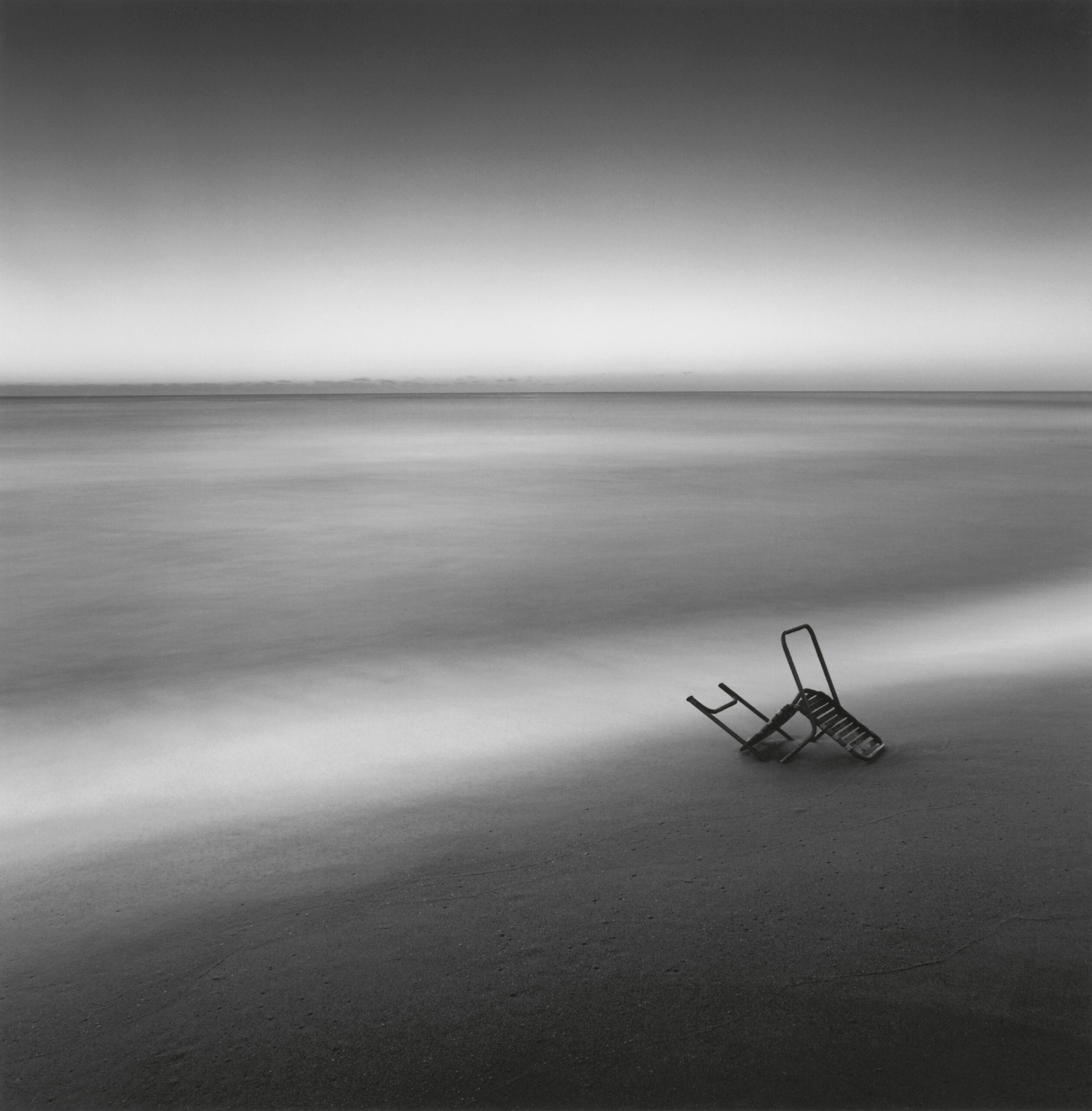
Every image and every word in this book is based on wonder. That is the magic of this book. The moody, long-exposure invitation to remain and think style of Michael Kenna’s photography, paired with the grace and introspection of Pico Iyer’s prose , gives us a duet where both voices are fully present and together open a space for us to not only encounter but welcome immensities.
A note from FRAMES: Please let us know if you have an upcoming or recently published photography book.

FRAMES is a unique international photography community that combines the best of all worlds, bringing you print and digital publications, a global membership platform, access to live events, and a dedicated mobile application.
EXPAND YOUR PHOTOGRAPHIC VISION
JOIN FRAMES TODAY