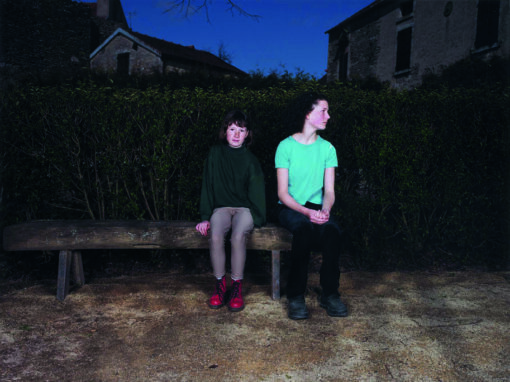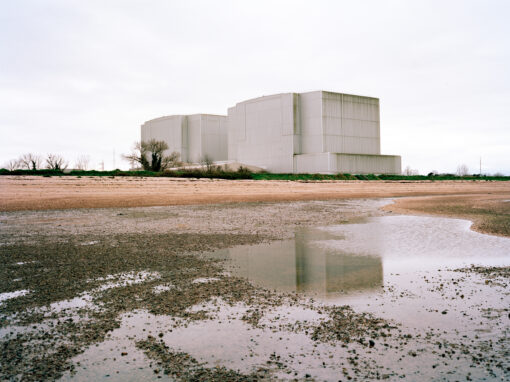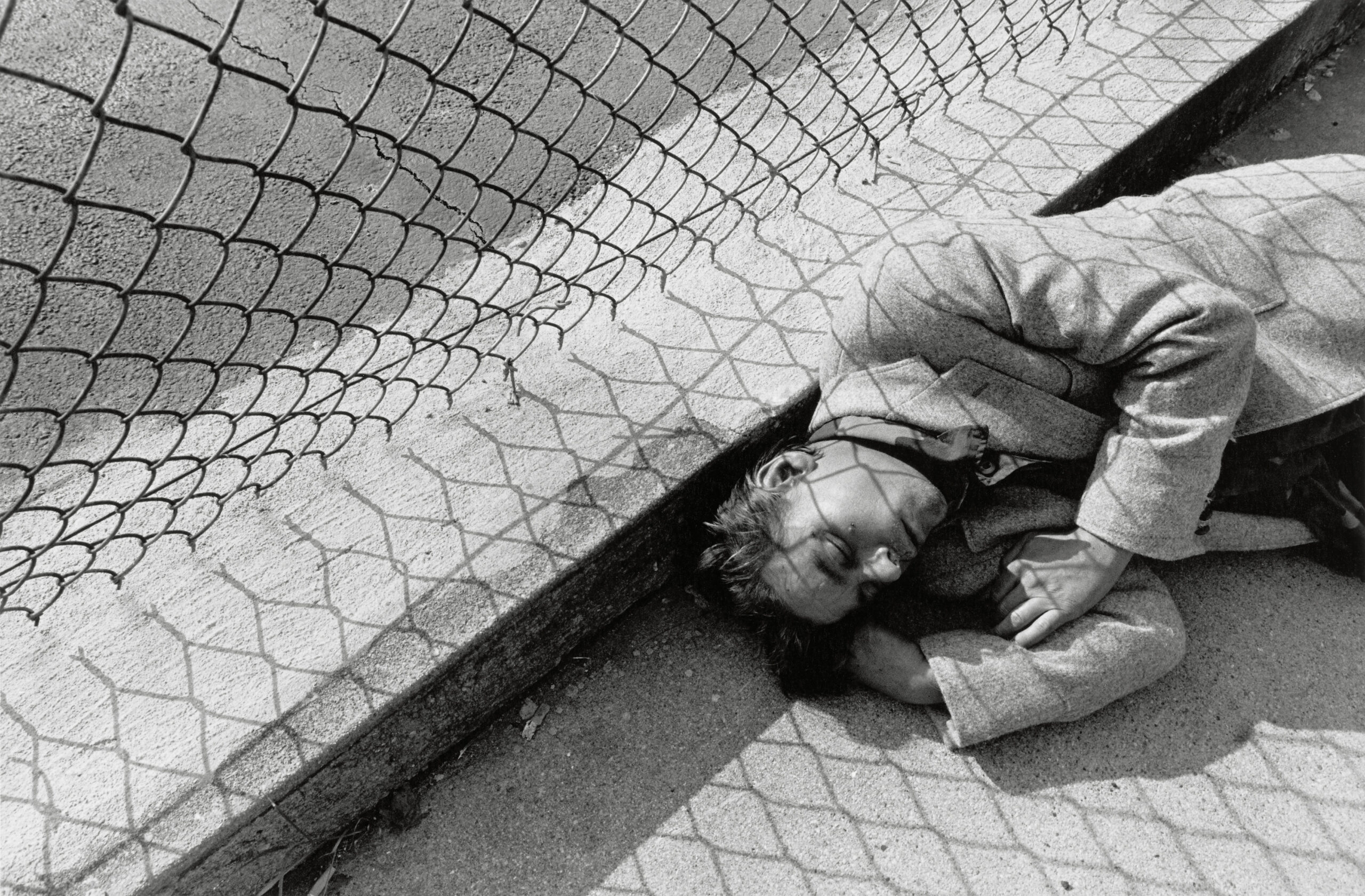
A phrase we all remember from growing up is this: One of these things is not like the other.
Of course, in truth, one of these things is very much like the others, but there are small differences. There are small nuances of content that cause us to isolate one while recognizing the uniformity of the others. And while this little bit of childhood glee, I believe, is meant to develop a sense of detail and a sense of observation, it is also developing an understanding that images can be in conversation with each other.
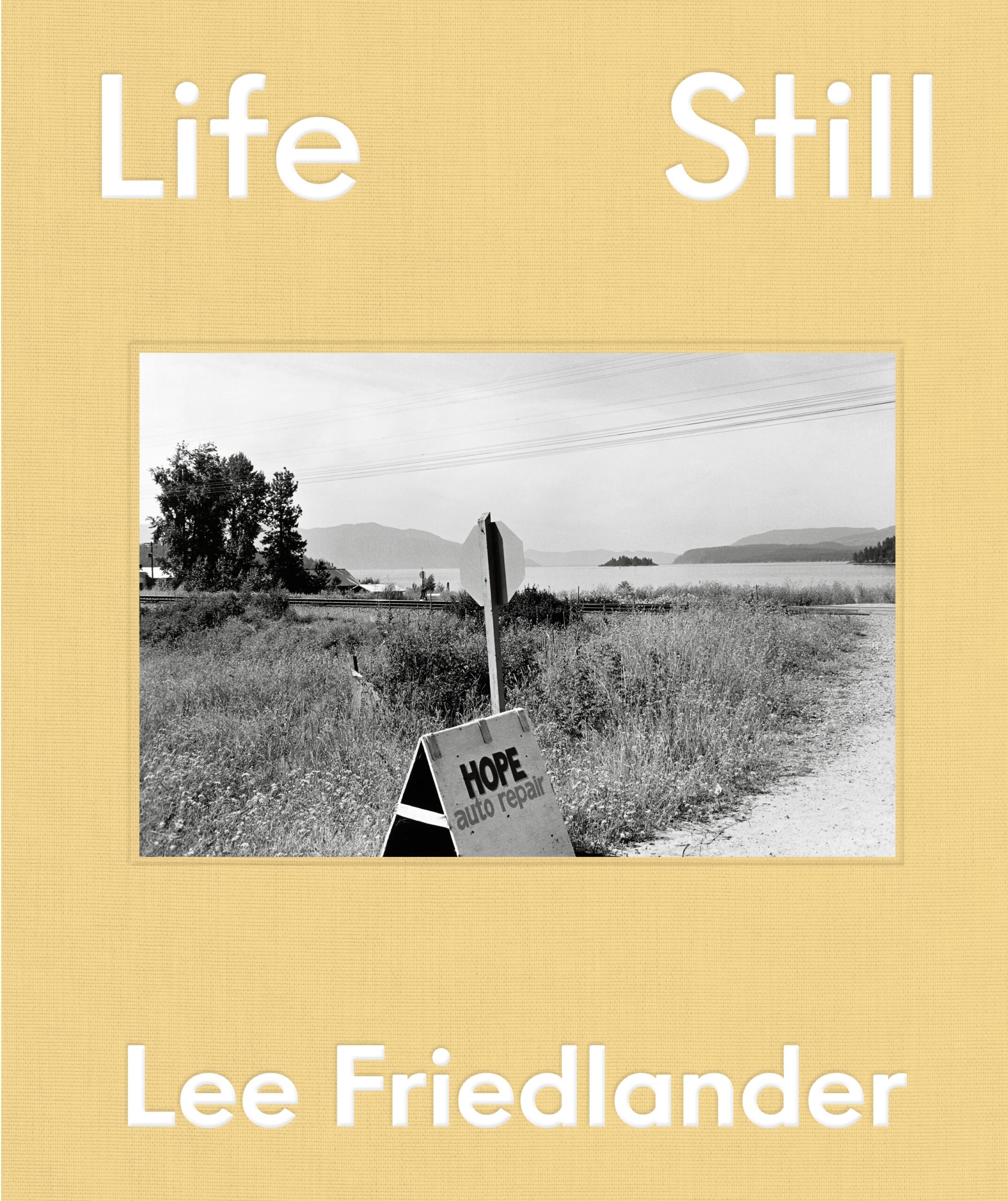
Lee Friedlander – “Life Still”
Published by Aperture in 2026
Review by W. Scott Olsen
This is something I find fascinating. Conversation is give and take. Conversation is proposition and refutation. Conversation is proposition and acceptance. Conversation is sharing. To say an image is in conversation with another image posits a kind of middle ground, a kind of potential space where, like the played strings of a chord, all sorts of things are in the air at the same time.
People who sequence images for an exhibition or show do so quite often to create a type of narrative flow. The images are in conversation with each other, but one after the other. There is a somewhat linear progress from beginning to middle to end. In a photo book that can also happen just as easily. A photo book can be sequenced in such a way that it becomes a photo narrative that has its own strength and power.
But there’s another way to order a photo book, and that is to have the images on the left and the right across the gutter be in conversation with each other as a pair. Not as a diptych, but as a simultaneous presentation of two images that share elements. One of these things is not like the other, and it’s in those differences that we find insight and joy. And, perhaps with a little bit of perspective, wisdom.
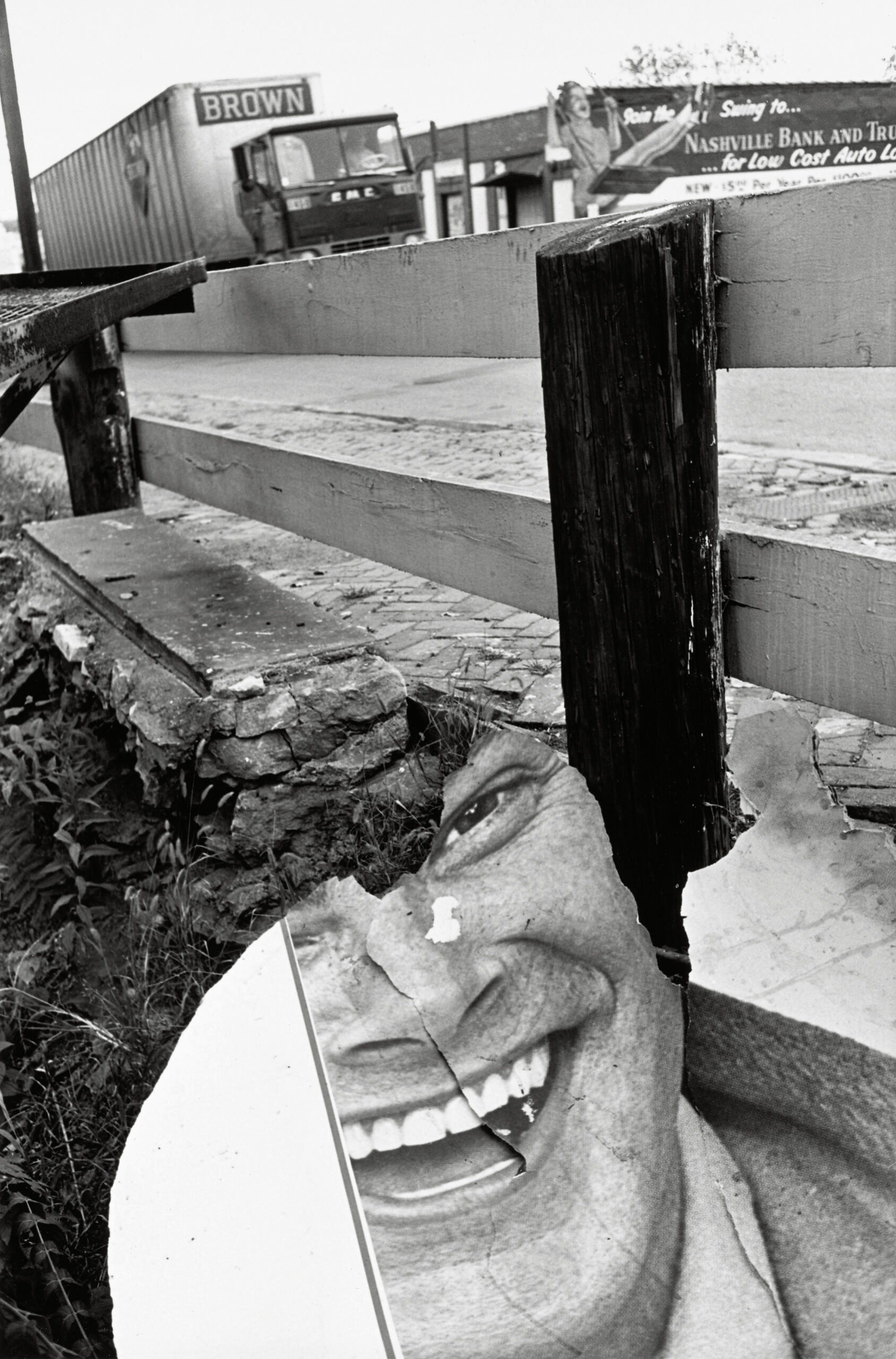
Lee Friedlander has a new book called Life Still. Of course, the title is a play on still life, where things are ordered intentionally to create some kind of emotional or intellectual philosophical resonance. To invert that, to put life first, is to emphasize and celebrate the chaos that is inherent with being alive and noticing the world, captured in a still image. There is also a nod to longevity in this word order. Both ways, the title is fun.

Friedlander, of course, is not a new name. He is one of the masters. He’s been taking images since the 1950s, and his fame and reputation are well earned and well deserved. In an introduction titled “In a Silent Way,” Hua Hsu, winner of the Pulitzer Prize and a staff writer for The New Yorker, writes—
Few people have taught us to see America quite like the photographer Lee Friedlander. He has been making pictures since the 1950s, focusing largely on what critics and historians describe as the urban social landscape, all these little, jigsaw scenes of our built environment. He notices the everyday moments that go unnoticed by most, moments so inconsequential that we probably wouldn’t even bother dismissing them as mundane. Friedlander once distilled his approach to a simple ethos: “I just walk and see something interesting.”
“Life Still” collects old and new work from the 1950s to the present, and it’s in Friedlander’s careful placement of pictures side by side that these puzzle pieces begin to depict a meaningful and at times delightful whole. Looking at them is like noticing a song you listen to catches the beat of a passing car or seeing two strangers walk in symmetry on opposite sides of the street. You study Friedlander’s pairs, noticing the rhymes across time and space.
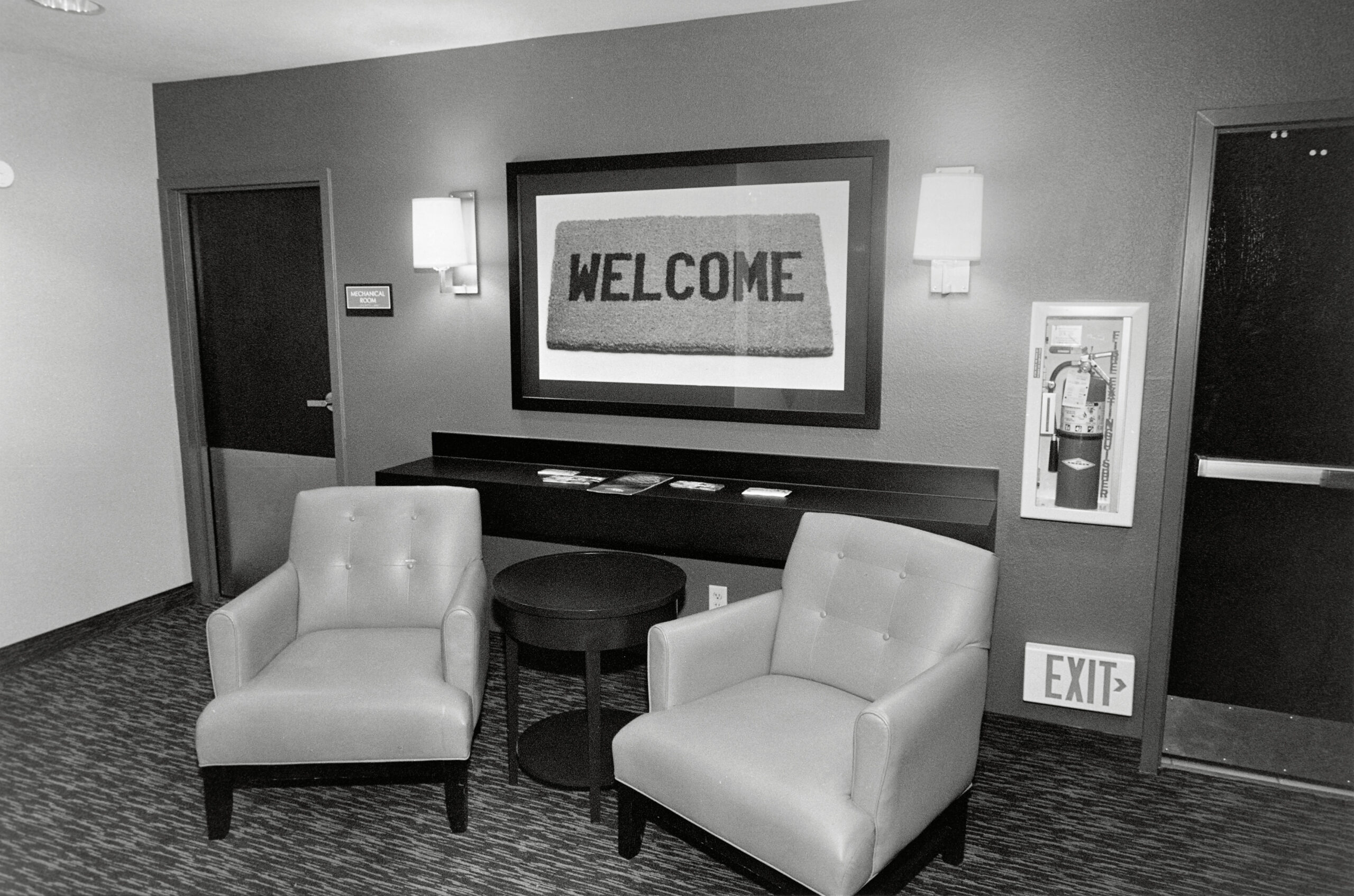
The individual images, of course, are all deeply compelling. Friedlander’s genius for noticing depth in the mundane has been well established and celebrated—MacArthur fellowships, Guggenheim fellowships, NEA fellowships, work at MoMA and 100 other places, his black and whites always seem to carry multiple layers, not only of tonality, but philosophy. His work reaches the level of social tableau and metaphor, and every image here, taken by itself, is worthy of discussion. But there’s something more going on in this collection.
The book begins with what I believe is a welcoming gesture, a martini glass, filled, in front of an open book. The caption reads: Phoenix in 2009. This is one of only two unpaired images in the book, the other being at the end, an image of a sign over a workbench that reads “We Can Fix Anything But a Broken Heart,” complete with American flag and metal heart split in two—a wave farewell, taken in Spring Valley, New York, in 1960.
After the gracious start, every opening of the book leads to two images, an intentional duet. The images do not depend upon each other, but they speak to each other over some time as well as in the present moment.
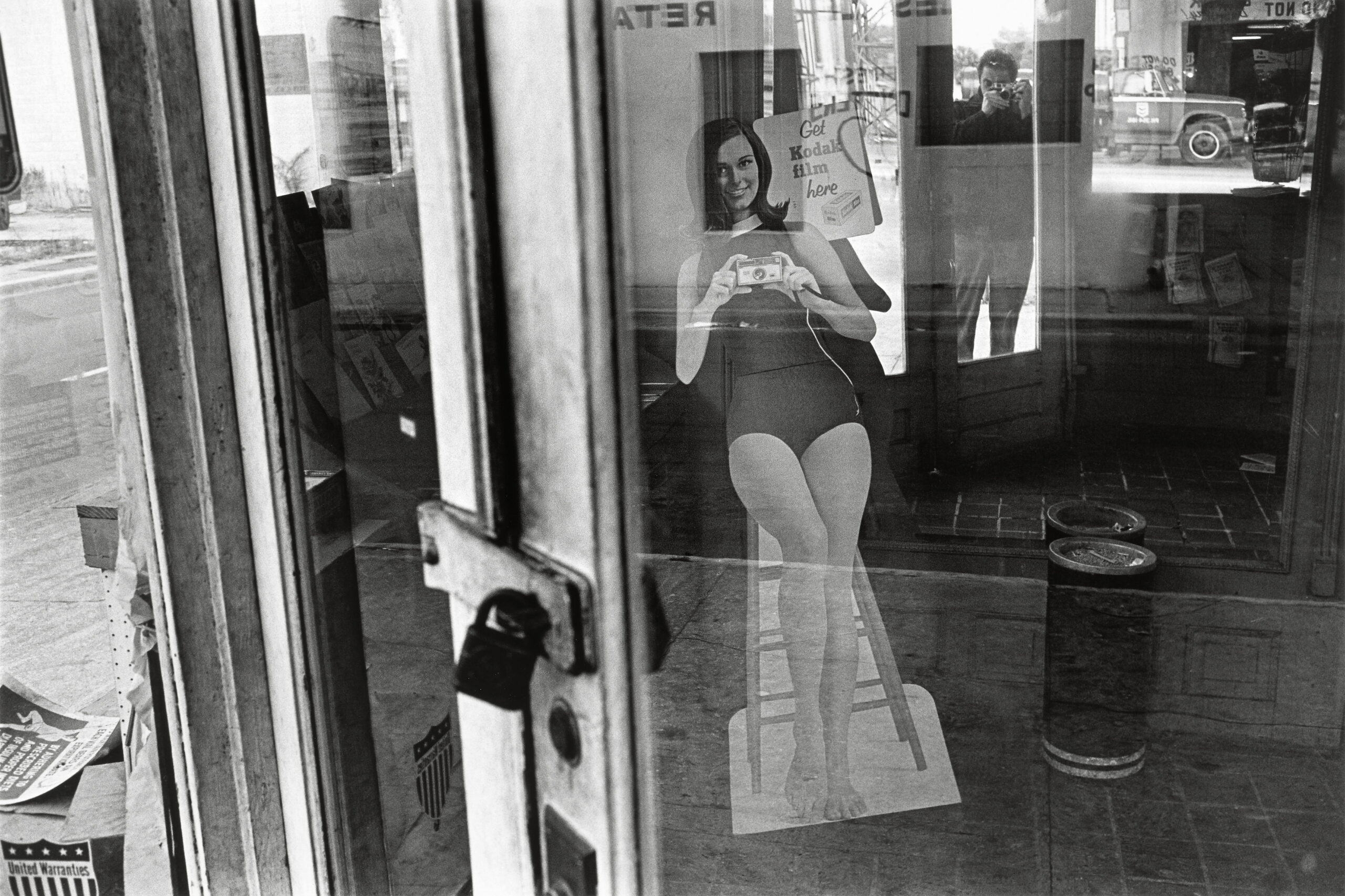
These pairings could be as loud as one spread, where on the left side is a shot from what appears to be an Army football game, West Point, New York, in 1972, a program opened in somebody’s hands, head shots of the cadets as if in a yearbook, while on the right side we have Chicago, 1968, somebody wearing a poster that says, “Fuck the Draft” like a cape. Of course, the troubled Democratic Convention happened in Chicago in 1968. But think about the story Friedlander is telling by showing us the more recent, even though it was 54 years ago, Army game first.
The image pairs, however, are most often quiet and subtle here. From Nyack, New York, in 2007, we’re shown on the left side two roses and vases in what appears to be a display window, the reflected partly cloudy sky from behind them, while on the right side we get New York City, 1963, again roses in a display case, with a sign that says “Comfortably Air Conditioned.” Or we could have a stuffed bear from Kodiak, Alaska, 1988, facing an inflatable rat from New York City, 2010.
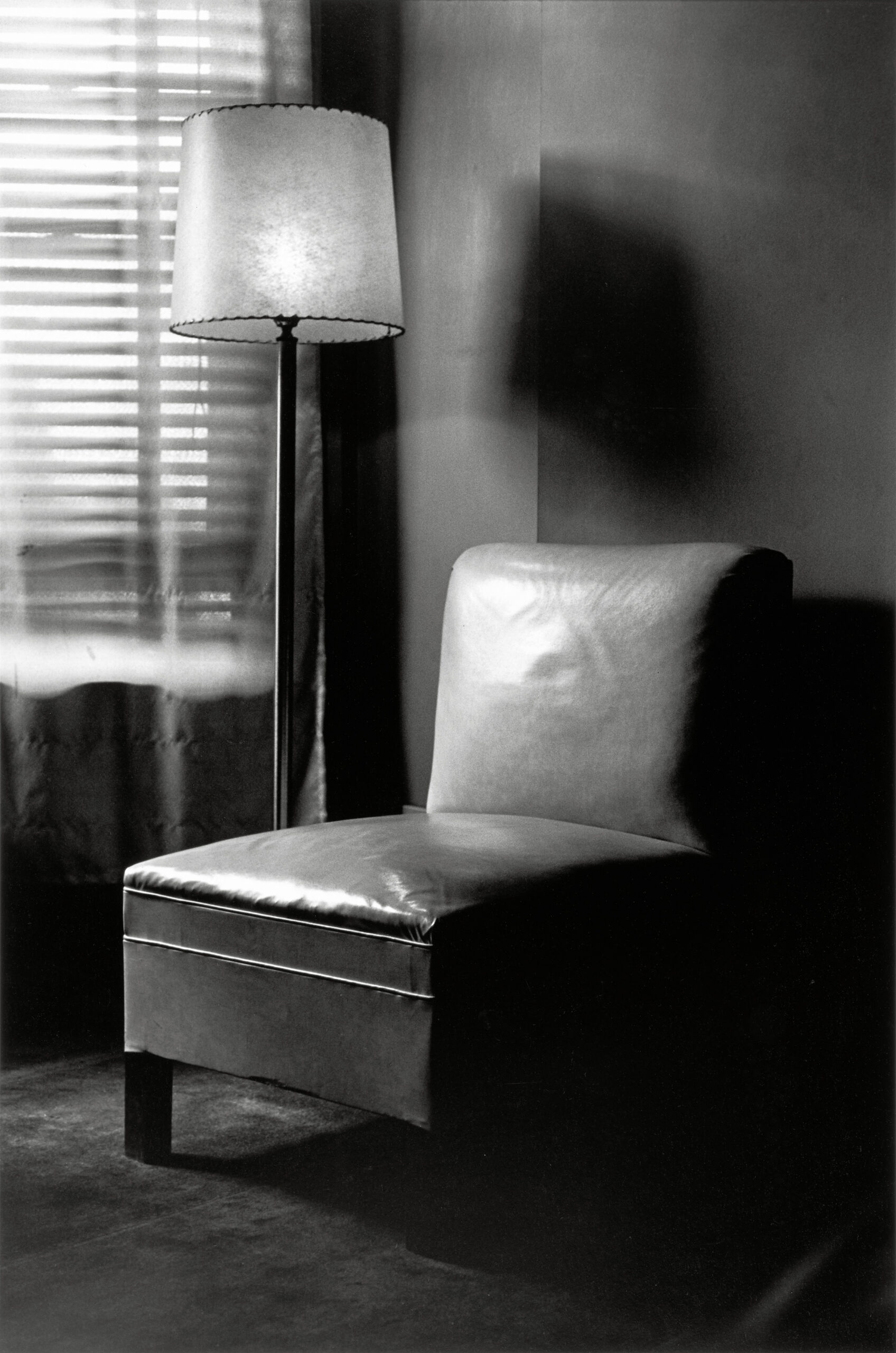
Going through this book, I found myself amazed and impressed. One of these things is not like the other, except it is. The conversation between the two images in every spread really is a duet, a pas de deux. There are many layers within every photograph, many layers of meaning, and this book assumes an intelligent consideration.
These are not images you scan and move on. Instead, you linger, sometimes grin, sometimes wince, always wonder.
Life Still is a book you pick up and soon find yourself thinking not so much about photography as the universe resolving itself into patterns we may or may not intend. Those echoes and patterns speak to some kind of consistency, which speaks to some kind of truth.
A note from FRAMES: Please let us know if you have an upcoming or recently published photography book.

FRAMES is a unique international photography community that combines the best of all worlds, bringing you print and digital publications, a global membership platform, access to live events, and a dedicated mobile application.
EXPAND YOUR PHOTOGRAPHIC VISION
JOIN FRAMES TODAY