Once Upon a Time I saw a video of a female comedian talking about the way men follow instructions.
Step 1: got it.
Step 2: got it.
Step 3: this can’t be right.
Step 4: try to manage the ensuing disaster.
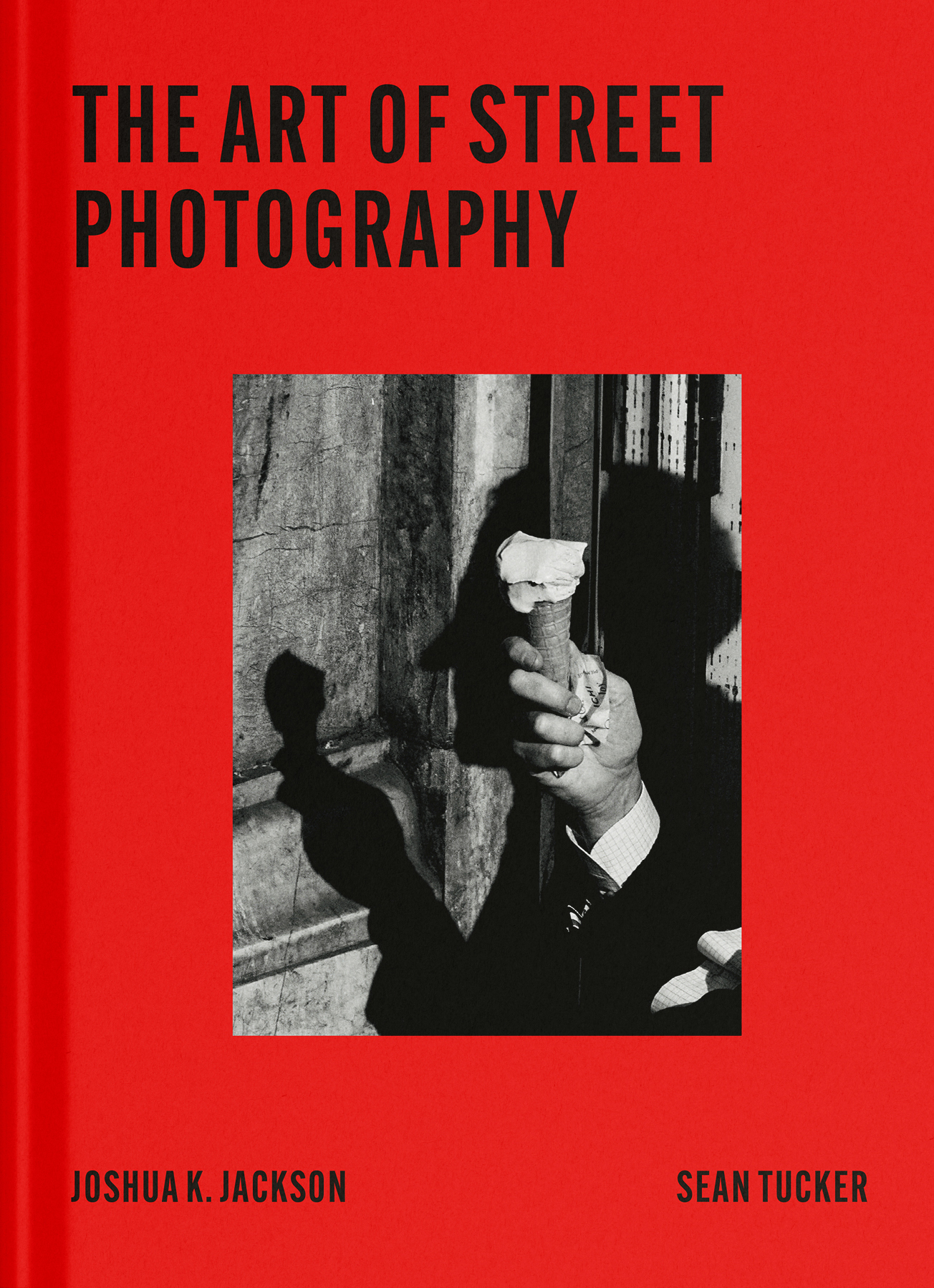
Joshua K. Jackson and Sean Tucker – “The Art of Street Photography”
Published by rockynook in 2026
Review by W. Scott Olsen
I remember laughing out loud because she was, in effect, talking about me, my questioning relationship with instructions and, at the time, the IKEA corporation. Insert tab A into slot A might be correct, but alone it fails the tests of context and purpose. It fails to get at why. Even if I know I’m trying to assemble a chair, I need the spirit along with the assembly.
I bring this up because I have on my desk today one of the most extraordinary and successful how-to books I’ve held in a long time. Instructions? Yes. And a great deal more.
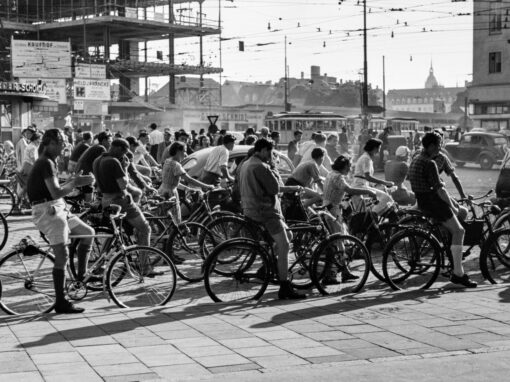
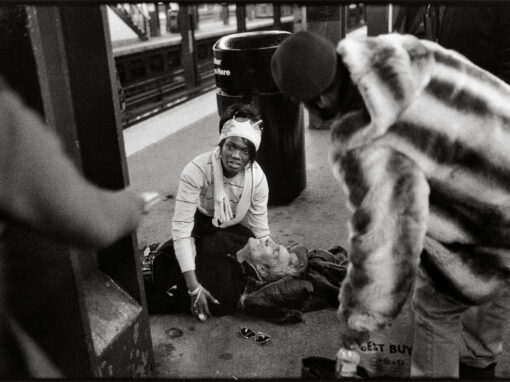
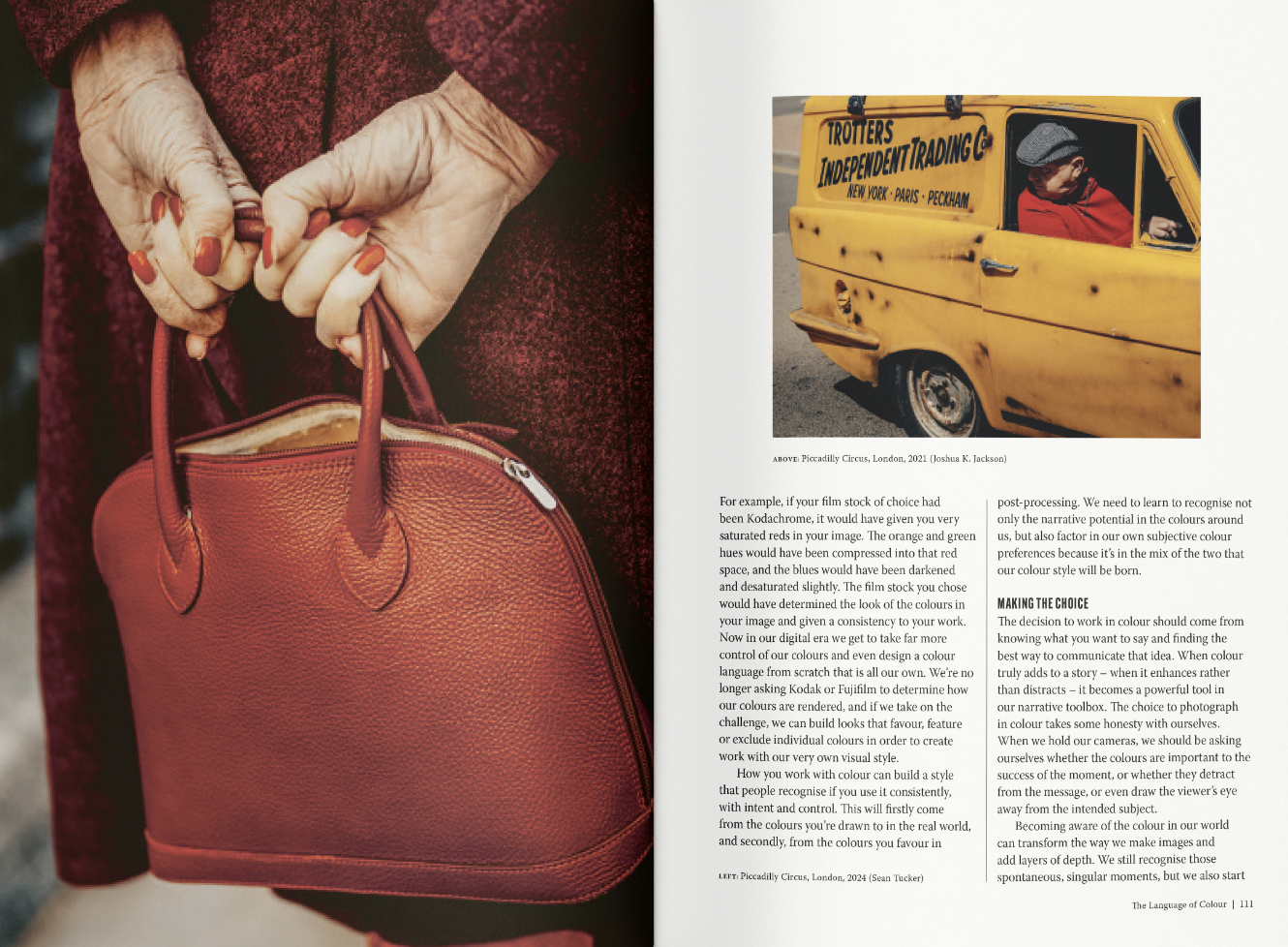
The Art of Street Photography by Joshua K. Jackson and Sean Tucker is fantastic. Filled with inspiring street photography from New York to London and elsewhere, the images, both color and black and white, are vibrant, moody, revealing, and humbling. Both of these photographers help define the genre today.
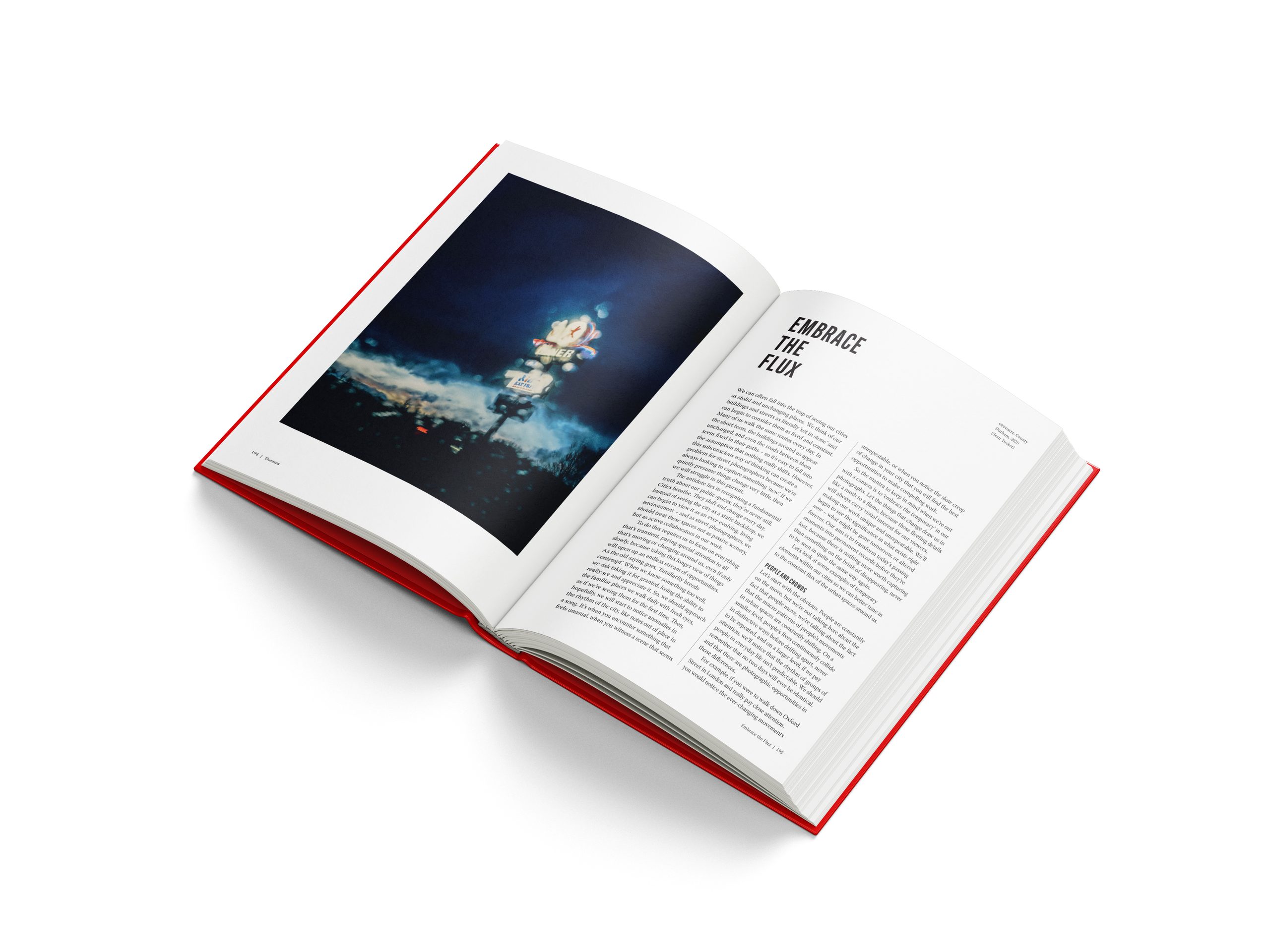
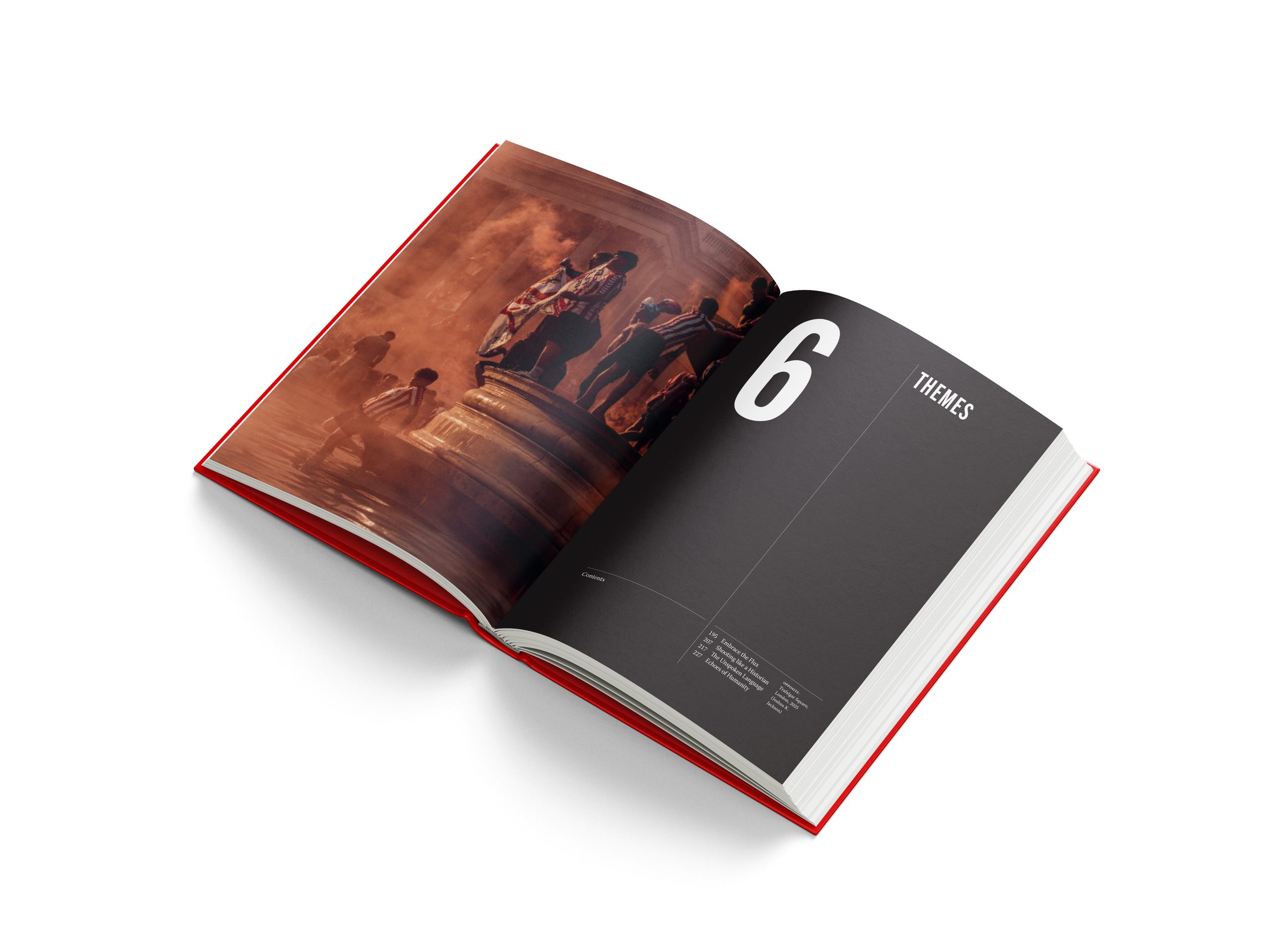
However, The Art of Street Photography is not just a collection of talented photos. This is a book that is a how-to-what, how-to-why, and how-to-feel. Divided into main sections—Mindset, Camera, Presentation, Composition, Approach, Themes, and Perspective—with subsections like Working the Scene or Echoes of Humanity, the book puts basic and advanced instruction in clear prose that always keeps the why of the art at the forefront.
It’s instructive that the book begins with Mindset. On the opening page, there is this bit—
Henry David Thoreau is quoted as saying, ‘It’s not what you look at that matters. It’s what you see.’ Art theory has picked up on this and differentiates between “looking,’ which describes a more surface-level observation, and ‘seeing,’ which speaks to a deeper, more active engagement that is ripe for interpretation, understanding and emotional connection.
As street photographers, our goal is not merely to ‘look’ but to truly ‘see.’ When we’re out with our cameras, we want to be awake, aware, thoughtful and dialed into the nuances of the everyday scenes around us, and that takes some effort.
Later, in the section titled With the Best of Intentions, we read—
It’s important to remember that we’re not just watching from the sidelines – somehow separate and above society as it spins around us. We, too, are a part of the culture we photograph. Just keeping that subtle truth in the forefront of your mind will also communicate your openness and presence to the people around you, rather than you coming across like an aloof observer.
In the section called Getting Over Creative Blocks, we read—
In our social media age, another creative block commonly faced by photographers is comparison. Sharing our work online, we can easily become frustrated when others seem to be gaining attention and praise for their images, while our own images go unnoticed. We start wondering whether we’re falling behind, or we question our own talent. Comparison is one of the quickest ways to spoil our love for photography. As Theodore Roosevelt is rumored to have said, ‘Comparison is the thief of joy.’
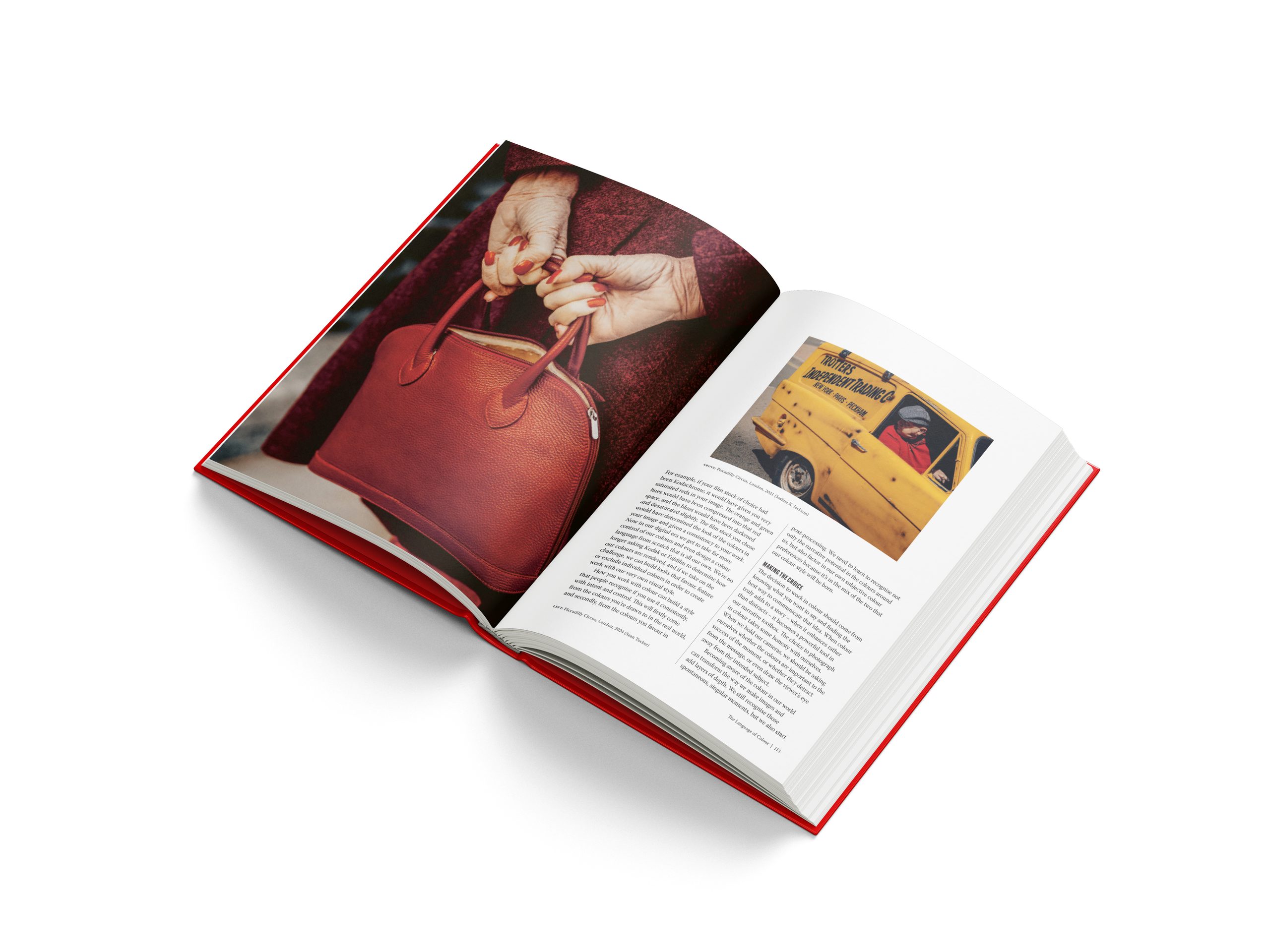
There is a lot of practical information in this book, things as simple as lens choice and what it does to our images, black and white versus color, understanding color and contrast, where to place a subject, and all of this is insightful information. But what makes this book extraordinary is the effort and insight they have in telling not only what a camera lens will do but why we should be thinking about the attributes of that lens in the first place. What are the aesthetic implications of the choices we make? Something as simple as getting to know your camera so that it becomes second nature is expressed here not just as instruction-sheet rules but as a step toward making art.
For example, in the section called Finding your Lens, we read—
Wider focal lengths also push you to deal with complexity. By their nature they will include more elements within the frame, and because of the physics of wide-angle lenses you will also likely have a deep depth of field where everything sits in sharp focus. Your compositional skills and your ability to create harmony from all the included elements and layers will be key to telling your story well and making sure there are no distractions anywhere in the frame. The beauty of this choice, though, is that the environment around the subject becomes an active character in the image, and the viewer gets to take in so much more of the context, which can be a powerful storytelling tool.
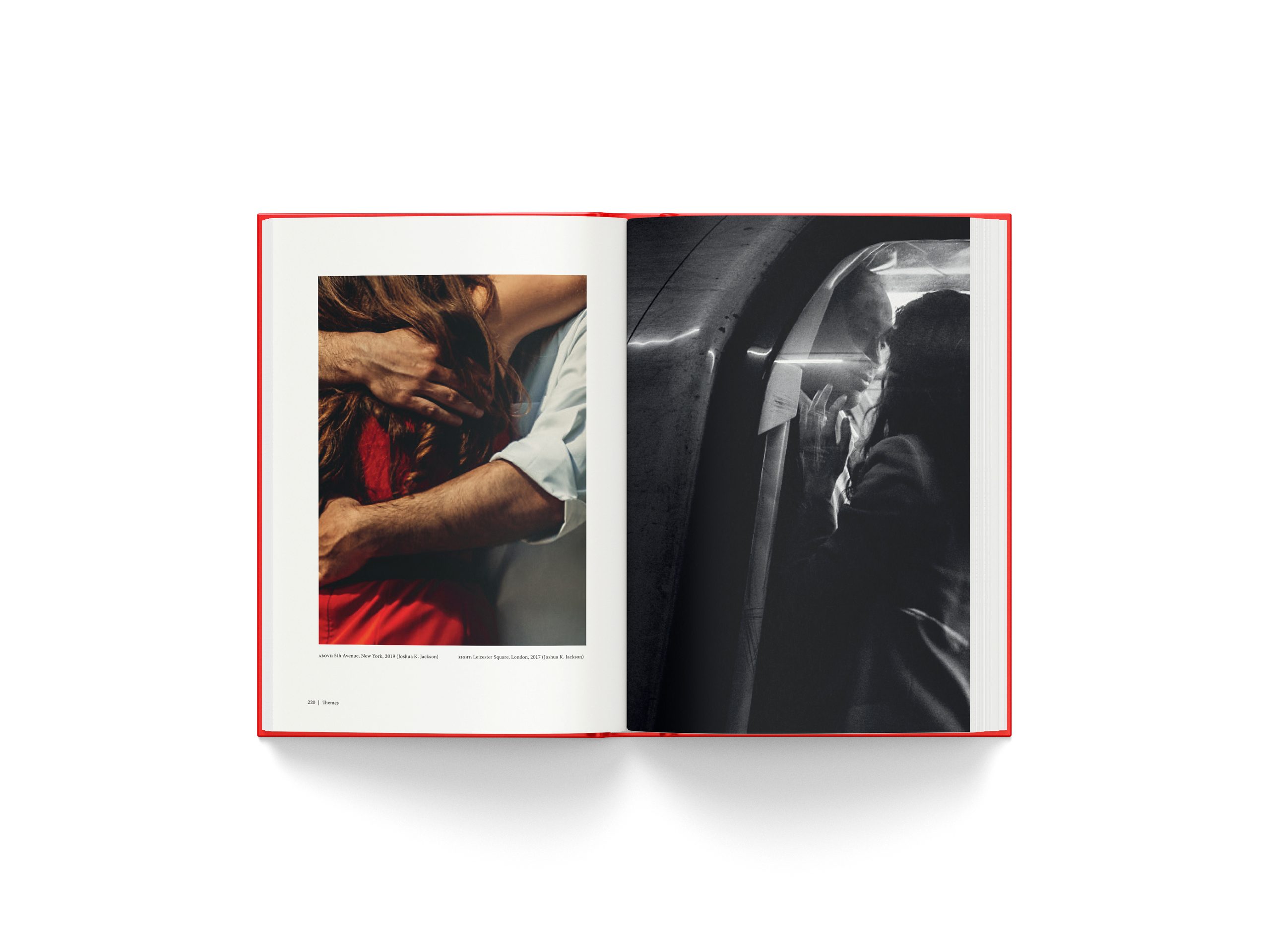
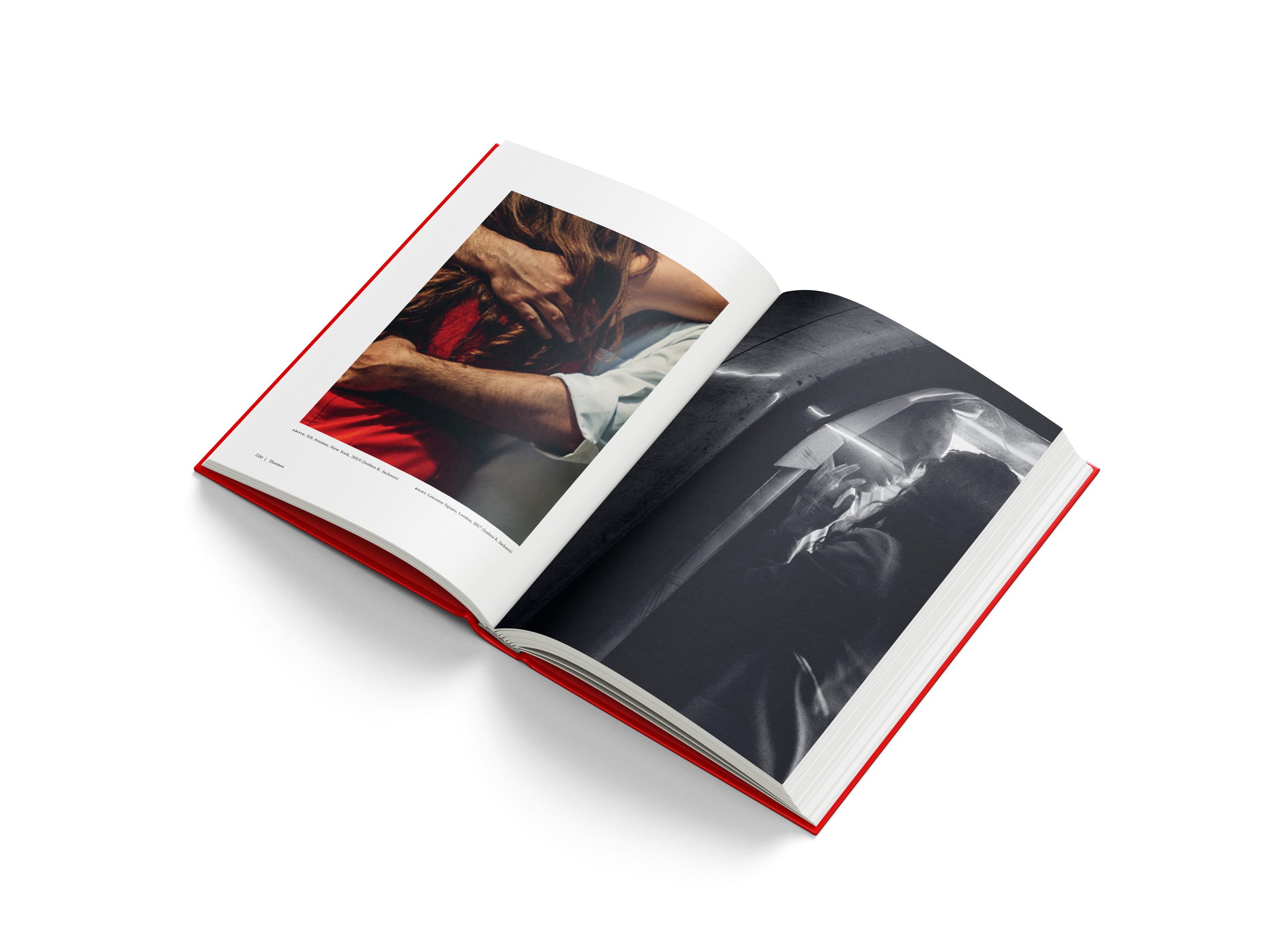
The images alone, as I said before, are moving and inspirational. There is work in the photo-documentary style as well as the abstract, rain-covered windows, intentional camera movement, steam, shadows, blurred colors, people seen through windows. What’s common among the photographs of both artists is that they step away from under-imagined reportage to fine art. They are masters at inviting the viewer to lean in, take a step forward to co-create the narrative. At its very best, street photography invites more than lectures, and the photographic work in this collection is an excellent example.
Still, this is intended to be a book of instruction. I have the good fortune to do a lot of street photography myself, and I am smiling because my copy of The Art of Street Photography has what has to be 100 little sticky tabs sticking out of its sides now, places where I’ve marked text either as new information, affirmation, or a reminder of something I had forgotten. This book will be deeply rewarding for people who are curious about street photography as well as people who have been practicing it for years.
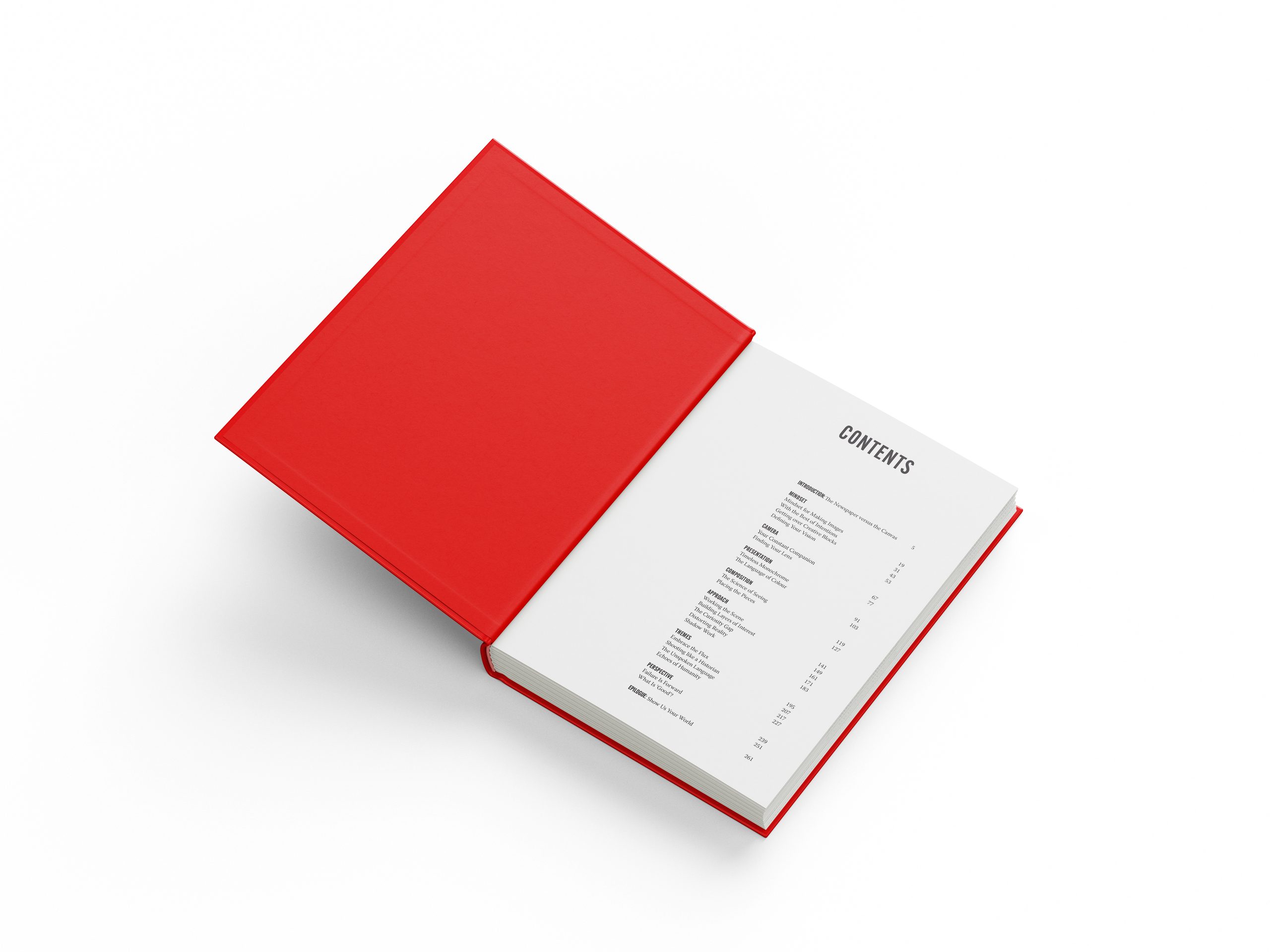
The text gives me the instruction to chase an idea. Chapters like The Curiosity Gap articulate ideas we hold intuitively but have not given shape to out loud. Occasionally there are little call-outs at the bottom of pages, bullet-point-style bits of advice, reminders of technique, or questions we should be asking, but really this book is about the why of the how.
The Art of Street Photography serves the why on every page, with talent, insight, and generosity.
A note from FRAMES: Please let us know if you have an upcoming or recently published photography book.

FRAMES is a unique international photography community that combines the best of all worlds, bringing you print and digital publications, a global membership platform, access to live events, and a dedicated mobile application.
EXPAND YOUR PHOTOGRAPHIC VISION
JOIN FRAMES TODAY