One of the most fascinating things about photography is the way documentation can lead to anthropology, ethnography, awareness, and empathy. While we have seen photo projects delve into communities often before, to shed photographic light on the particular characteristics, lives, loves, and sadnesses of certain groups, we are a long way from running out of communities that need and deserve a larger presence in our global understanding.
Luke Oppenheimer – “Ottuk”
Published by Aliens in Residence in 2025
Review by W. Scott Olsen
Social and ethnic documentary photography is not easy. It takes a talented photographer, someone who knows the where and when as well as the how of making an image, to get beyond surface-level spectacle and find those moments of insight where each individual image becomes not only a snapshot but a window into a community’s understanding and a piece of fine art.
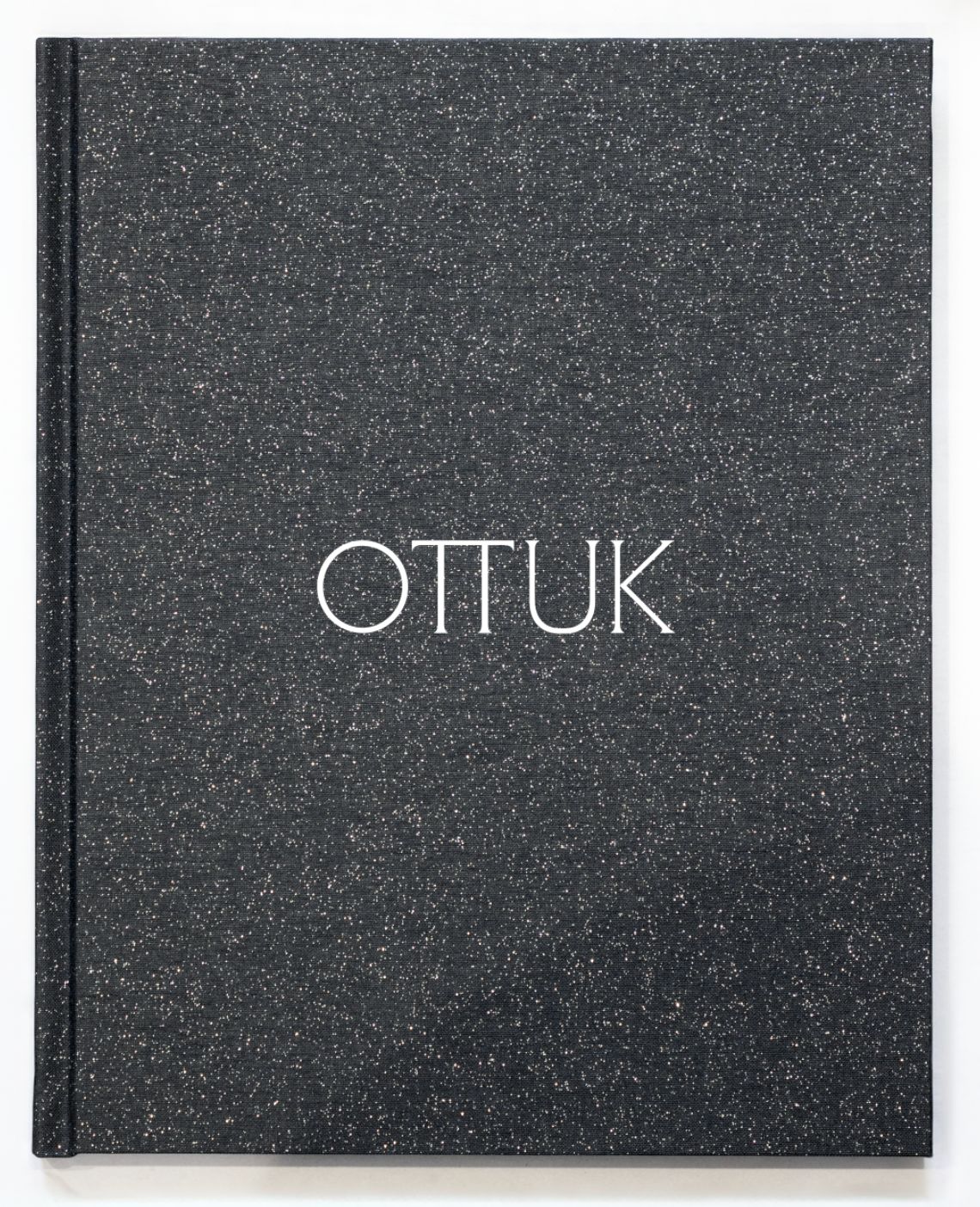
Luke Oppenheimer’s new book, Ottuk, is a poignant, revealing, and moving project filled with portraits and landscapes that sheds light on a drama in a part of the world most Westerners know little about.
In an introduction, we are offered the situation—
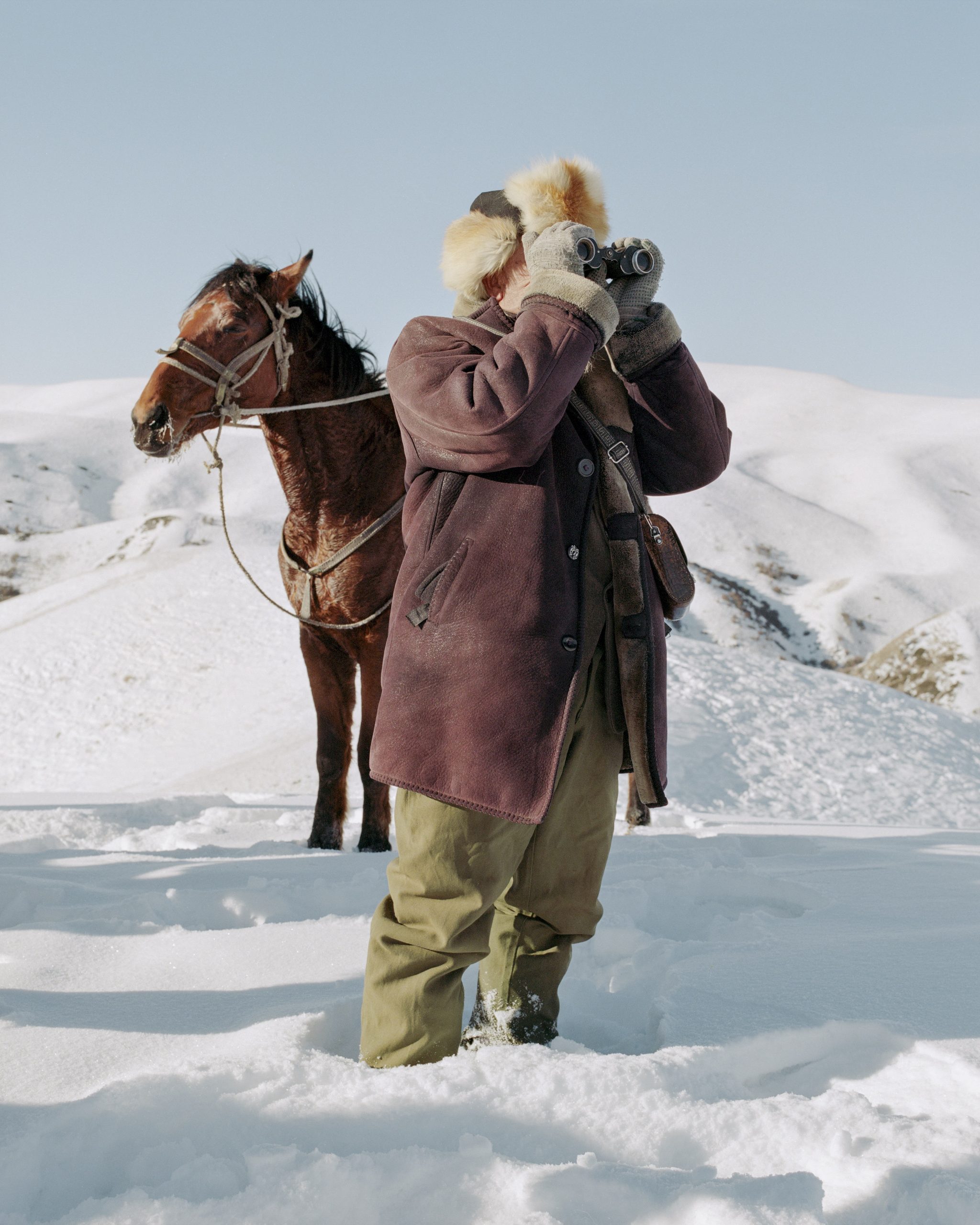
In the winter of 2020 Luke Oppenheimer travelled to the Tien Shan mountains of Central Kyrgyzstan for one month to cover a story about Ottuk, a small village of shepherds suffering from severe predation on livestock by a growing population of wolves. Every year wolves eat up to one hundred horses and countless sheep from the village. In the frigid winter months the men of the village venture into the surrounding mountains to hunt the wolves and mitigate their losses. What started as a month long trip turned into a five year long project about the people of Ottuk as he came to be accepted as a member of the village and adopted by one of the families. His body of work is a deep dive into the dreams, hardships, joys and sorrows of the villagers, their ancient way of life and the landscape that shaped them.
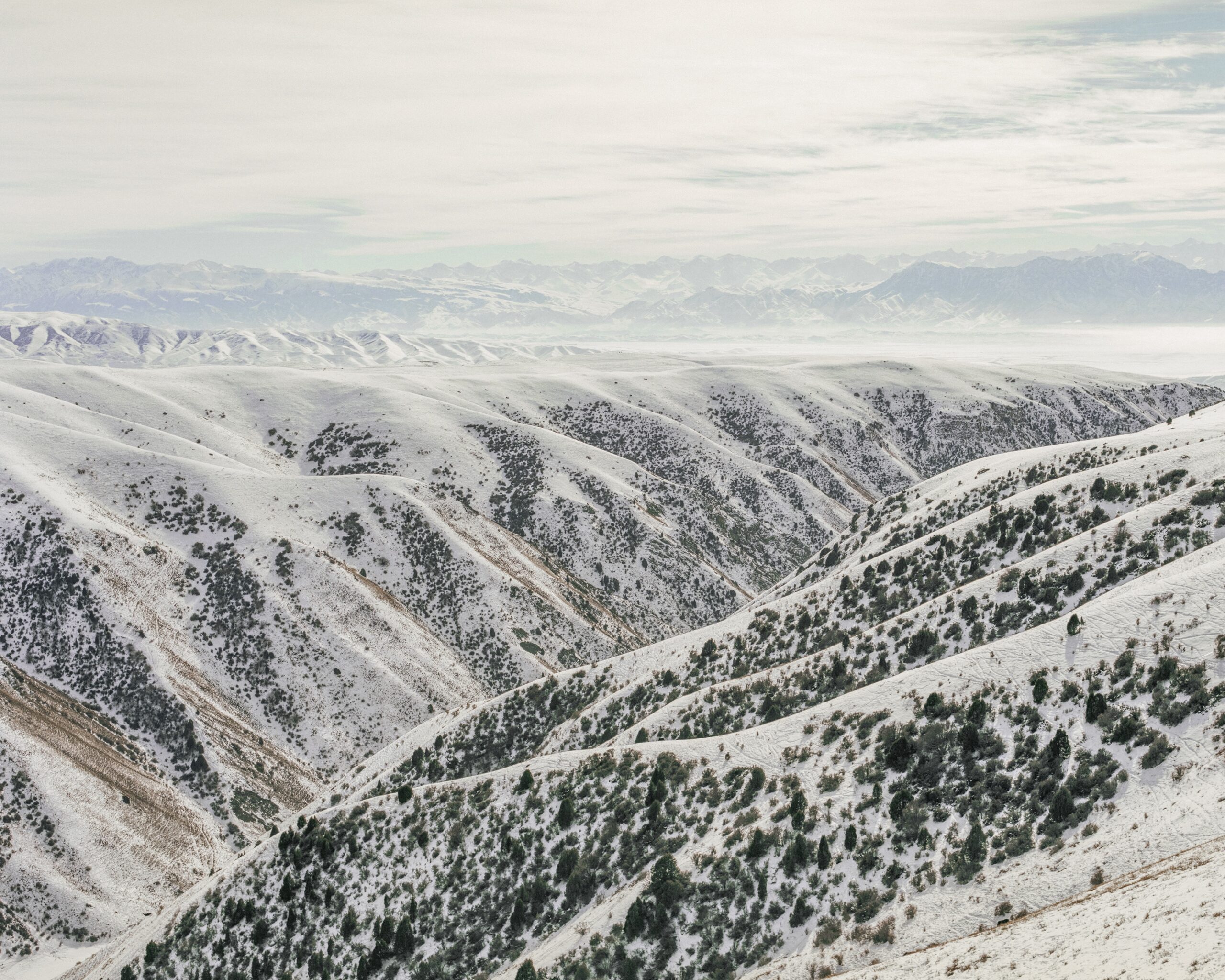
The book begins with a picture, essentially a still-life, of a saddle and a rifle lying in a snow field, in front of a town, the town in front of mountains. The light is flat and cold. The leather and wood are well-worn. Nearly every issue this book illuminates can be found in this opening image. That’s one of the powers of the photography here. The images speak to each other and resonate.
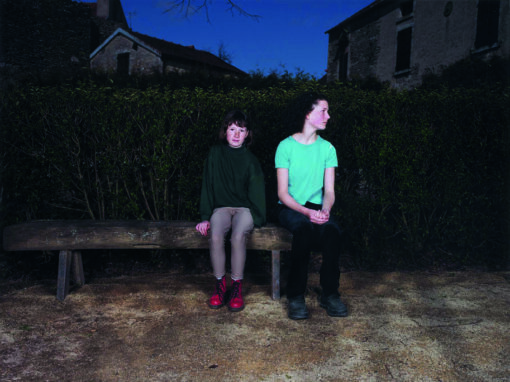
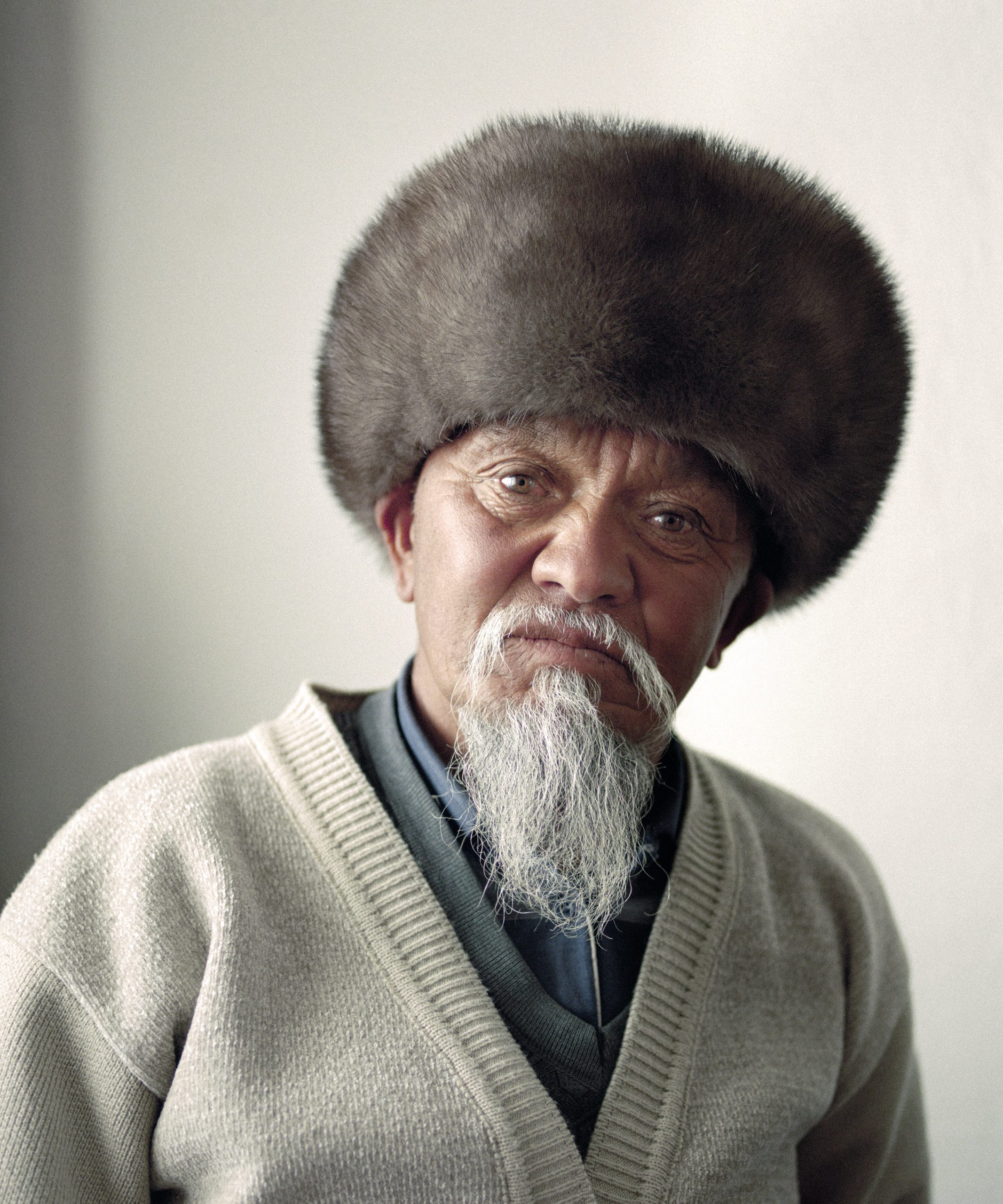
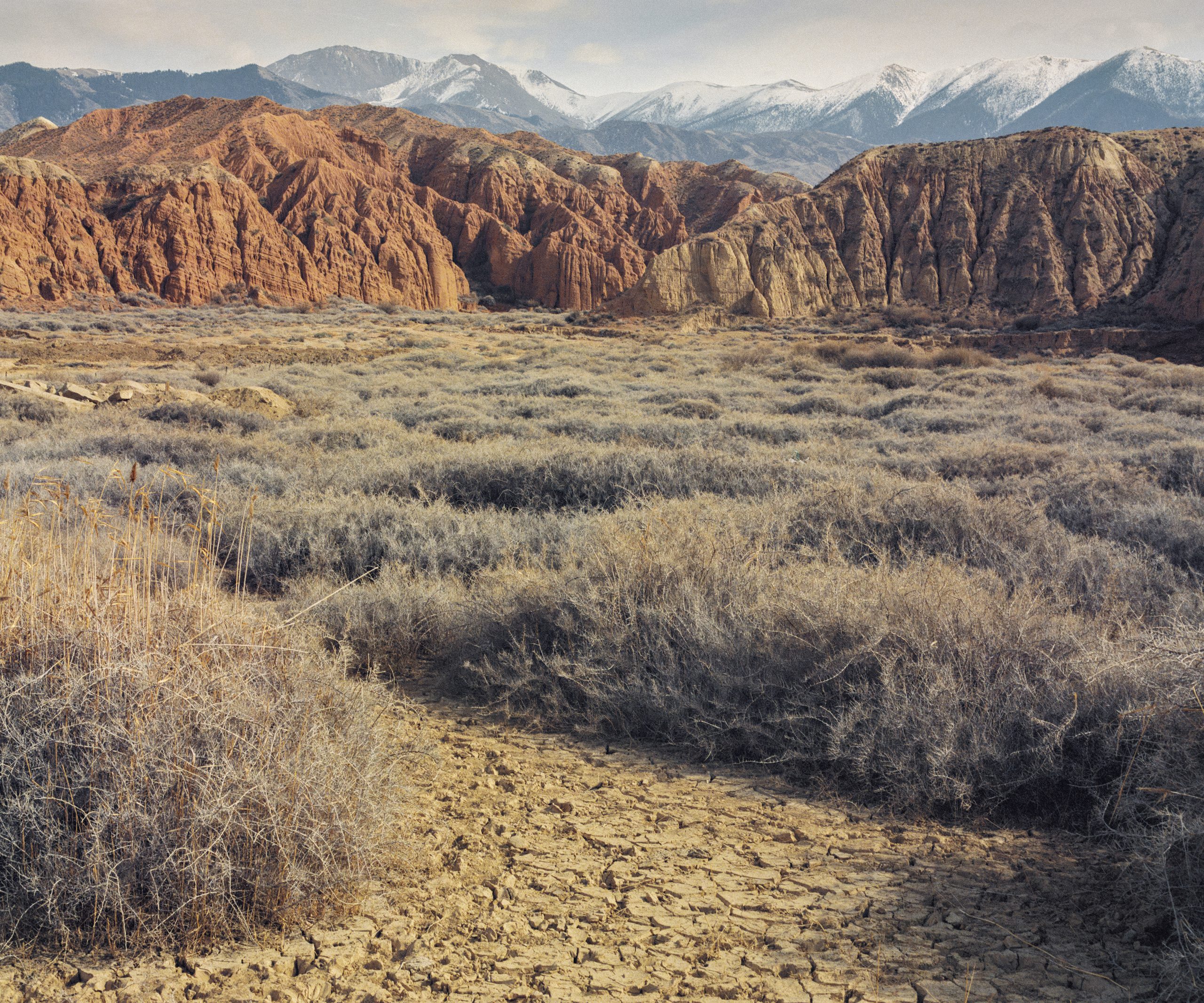
There are images of deep valleys in snow, a shepherd on horseback tending a flock, men surveying the horizon with binoculars, icicles in trees, blood on the snow, gunshot wolves lined up next to each other. There are also images of children reading, an evening meal, a small store, children sleeping, a valley rich with summertime green. And there are posed portraits—men with wearied looks, a 92-year-old woman who had wolves enter her home, others. Each portrait hints at a life of beauty and struggle.
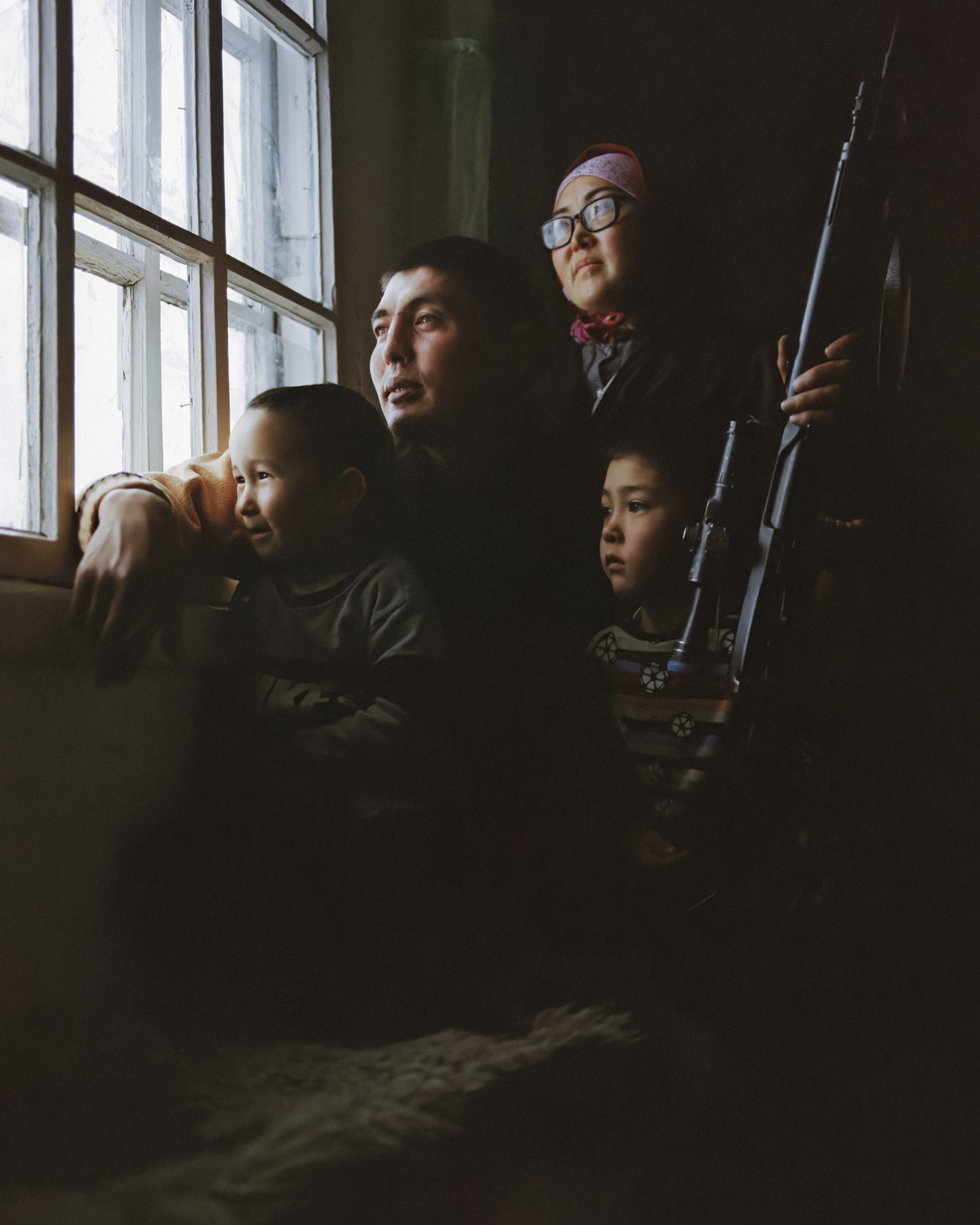
The images in Ottuk are presented without captions, although there is an index with biographical and place information at the back of the book. The result is that every image asks to be considered as an illumination of a feeling. The plates in this book are bookended by well-written, narrative essays at the beginning and end. The first, “Ottuk, Kyrgyzstan, February, 2021,” is filled with suspense and drama—
When the storm had passed, two feet of fresh snow laid on the ground. These were perfect conditions as Nadir explained, “With the fresh snow we can see all the tracks very clearly and they last longer. Also, the wolves can’t run as fast. Sometimes they’ll even come down into the pastures to heat cattle and they’ll be two full and lazy to trudge back up into the mountains in the snow.” The following morning I stepped outside into a pitch black wall of bone chilling cold. The moisture in my beard froze immediately and each breath formed icicles in my nostrils. I joined the hunters on the outskirts of the village for sunrise. We mounted up and rode for an hour into the howling wind.
The concluding essay, “Ak Shyyrak, Kyrgyzstan, April, 2023” contains—
We left Ak-Shyyrak just after sunrise. For five hours we drove through high plateaus. There were no roads, only paths of least resistance, and more than once we had to stop and navigate around impassable terrain. Our journey brought us to a rocky valley surrounded by forbidding mountains. “Right here,” said Joldosh, pointing to a lonely little hut. “This is the outpost where we’ll be staying.”
Oppenheimer was welcomed by the Ottuk locals, traveled with them, hunted with them, and gained what local insight he could. The result is a book about a community not only struggling to survive but struggling against forces that are mysterious and fast. Every image goes beyond simple evidence of economic struggle. Every image is filled with integrity and beauty. These are images of proud people facing implacable odds. Looking at them, the word character comes easily to mind.
From ‘Ottuk’ by Luke Oppenheimer, published by AIR
Ottuk is a wonderful book. The narrative is compelling. The region is visually compelling, and the photography is outstanding if the goal of this book is to bring a remote part of the world into a larger universe so that our universe itself becomes larger and our hearts along with it.
A note from FRAMES: Please let us know if you have an upcoming or recently published photography book.

FRAMES is a unique international photography community that combines the best of all worlds, bringing you print and digital publications, a global membership platform, access to live events, and a dedicated mobile application.
EXPAND YOUR PHOTOGRAPHIC VISION
JOIN FRAMES TODAY