The biography is a curious genre.
There is always a backstory to a life we may know. Whether it’s someone famous or someone who did something large, the biography is our pathway into the currents that made that life what it was. It’s a behind-the-scenes, backstage approach that gives context and raison d’être to the public life. It shows both macro and micro influences, historical and political currents, social trends as well as diaries and overheard whispers recorded by someone else.
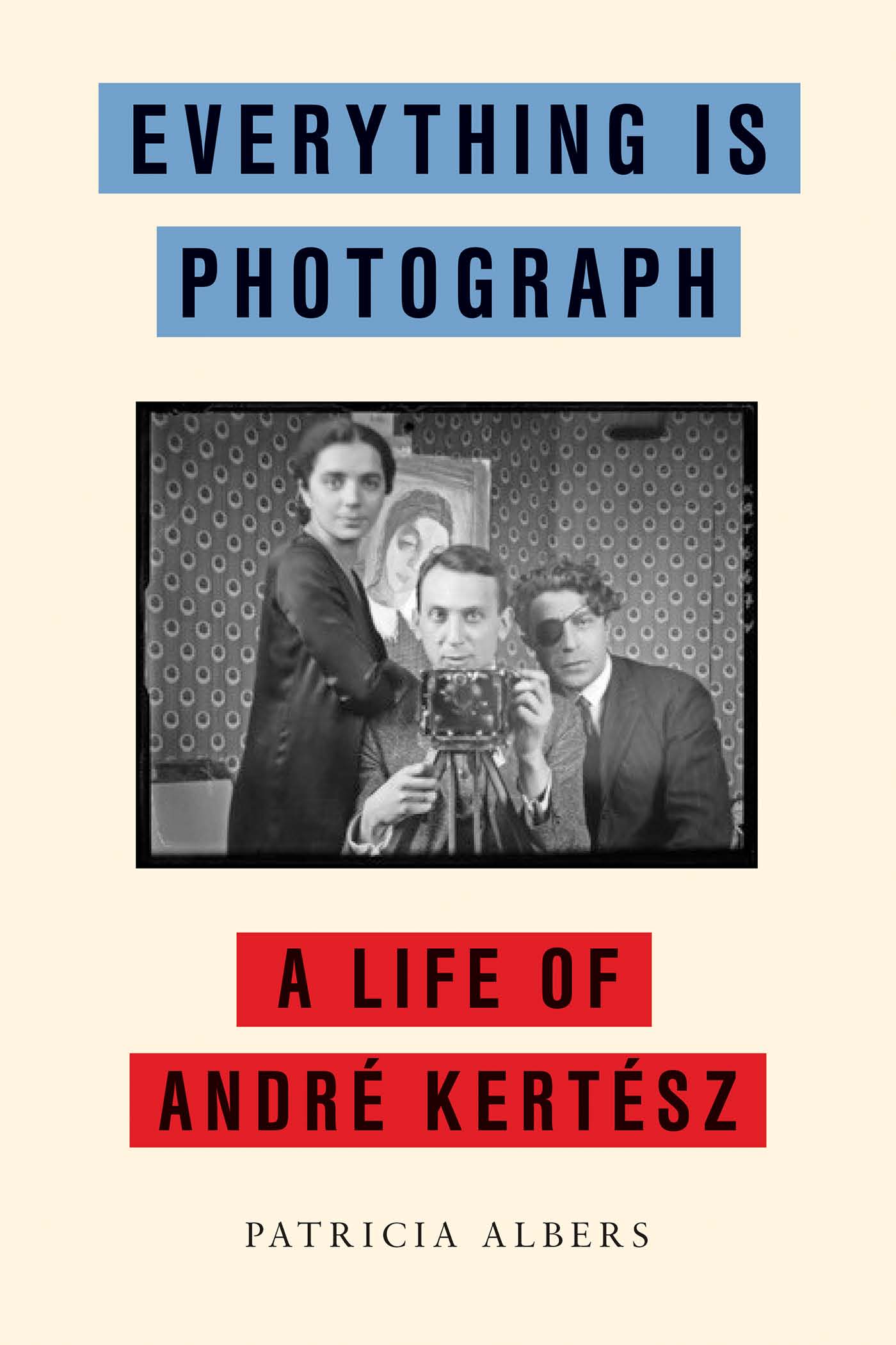
Patricia Albers – “Everything is Photograph: A Life of Andre Kertész”
Published by Other Press in 2026
Review by W. Scott Olsen
The very best biographies are huge efforts of research. Sources are scattered across the planet. Some material is held in libraries (or on the internet); other material is held more privately. A basic chronology needs to be set down. Then the real work begins. The difference between chronology and history is story. A chronology is what happened. A history is why. Sometimes that requires a leap.
In the hands of a talented writer, the biography can be as compelling as any novel. There are family intrigues, social strife, love and loss, and occasionally the hand of God. The biography is a form that requires, and rewards, a slow and careful reading. It says all of this matters.
Everything is Photograph: A Life of André Kertész is one of the very best biographies I have read. Patricia Albers is a storyteller whose ability to bring disparate bits of information together to show important influences is graceful and compelling.
©The Estate of André Kertész / courtesy Stephen Bulger Gallery
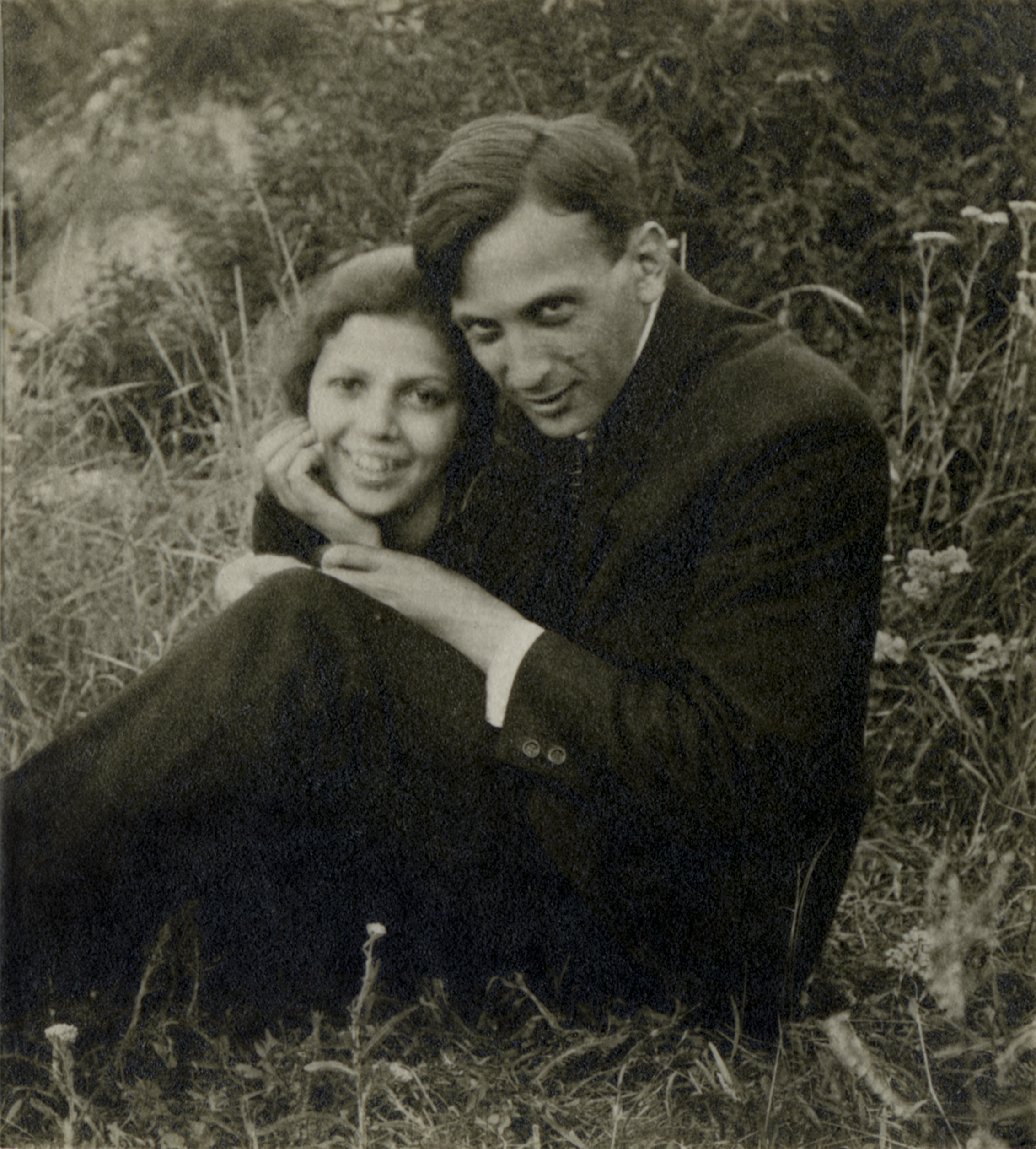
It’s a shame that more people don’t know Kertész’s name—and that’s one of the points of this book. As Albers writes—
“Whatever we have done,” Henri Cartier-Bresson once declared on behalf of himself and other photographers, “Kertész did first.” When the two met, Cartier-Bresson would jokingly fall to his knees, hold out his Leica, and beg for a blessing. He was not alone in following André’s lead. André coaxed Brassaï into picking up his first camera and taught him how to shoot pictures at night. Robert Capa owed André an even more elemental debt. The older photographer fed the irrepressible youth, gave him a bed when he couldn’t afford a hotel, and tutored him in the basics of photojournalism.
As one would expect, a great deal of Everything is Photograph is family history. And the time period of his life, from 1984 to 1985, includes both world wars. It also includes the history of photography from the earliest days to the advent of digital. Albers (who also teaches history of photography) never lets the core question of the book—how did the currents of Kertész’s life affect his photography—out of focus. For example, we get the story of his first camera—
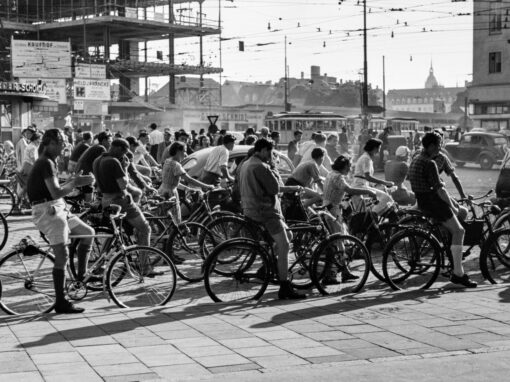
Around the time of his graduation and birthday Andor [the Hungarian spelling of his name] purchased or received as a gift from his mother (perhaps meant to be shared with Jenö) at cheap German-made box camera. It came from a shop owned by a classmate’s parents. Andor had been wanting a camera for years, he later claimed. But because he hung back from asking directly, he had grown up getting bicycles and such from his parents. “Whenever I saw something it stayed with me. I said okay, I’ll take a picture of it later when I have a camera,” he would explain. “Instinctively I started to compose. I learned how to observe the moment.”
©The Estate of André Kertész / courtesy Stephen Bulger Gallery
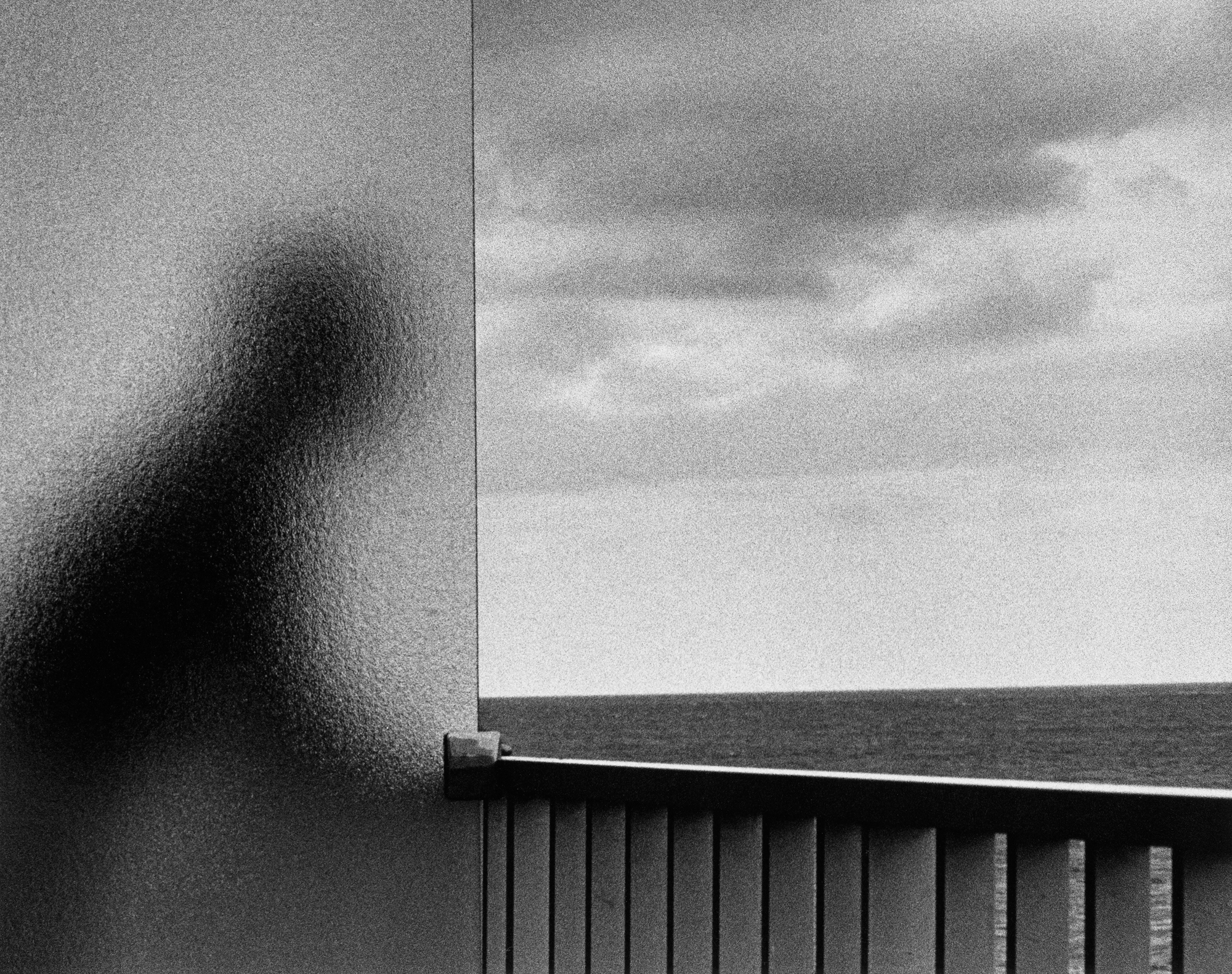
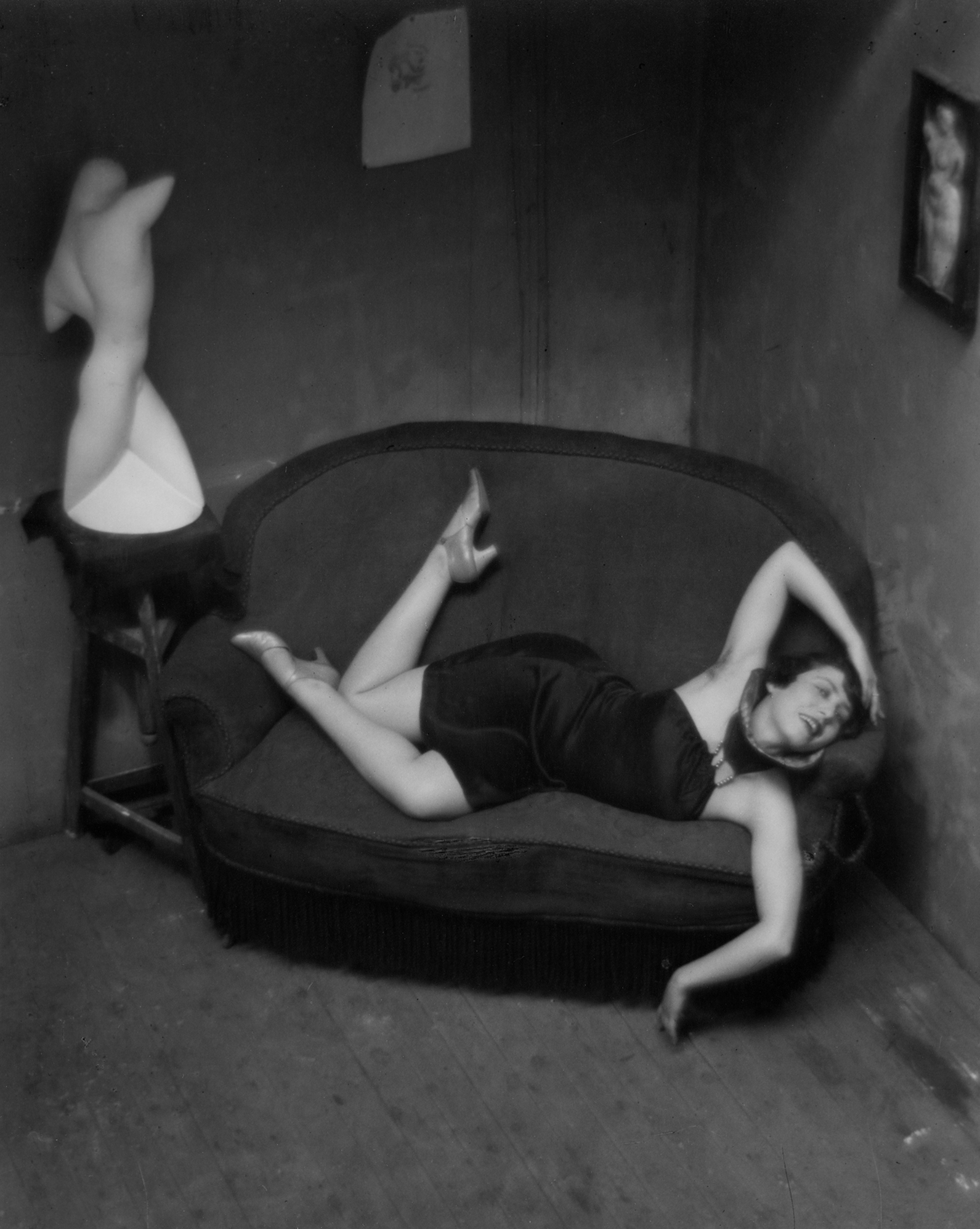
There are a number of Kertész’s images throughout the book—famous ones and less well-known ones—and Albers does an excellent job unpacking their composition and the context of their creation. Yet, although the book stays true to its intent, that does not mean the biography is limited in scope. The breadth here is impressive. For example—
After Andor vanished in battle north of Zloczow, his family was frantic for news. When they learned that the Russians had captured his company, they assumed he was a prisoner of war. In fact, he had been wounded earlier in an action for which he would receive a Second Class Silver Medal for Bravery.
The book is organized chronologically, with periods of a few years organizing each chapter. Anecdotes, such as how the image Clock of the French Academy came to be, give a fine picture of the artist at work. More importantly, Albers has an oftentimes poignant understanding of Kertész’s struggles.
Life had first appeared on the newsstands five weeks after Andre’s arrival in the United States. He poured over each issue. Although he saw more “humanity, warmth, intellectual depth, and literary dimension in Vu, Life had the numbers. Its circulation zoomed past a million. By 1939, Life was fat and self-satisfied. Each issue weighed nearly a pound.
That summer, André finally snagged an assignment. Like all freelancers, he would have begun by meeting with the picture editor, who supplied a list of shots the editors wanted and gave instructions to overshoot. André had always believed that taking few pictures, the right pictures, was the mark of a skilled photo reporter. But Life editors thought in terms of “picture supply.” Okay, they want to overshooting. So André would overshoot. Equally important, he would slant his work in Life’s direction. The magazine demanded pictures with impact. André would do his best to override his subtle and interpretive manner and think “educate” and “entertain.”
Still, André Kertész is not a household name. Albers writes—
As André sized up his life in the United States, the years from 1936 to 1972, when Sixty Years appeared, were “an absolute tragedy. No one understood me.”
One of the real benefits of this book is Albers’ talent to turn research into narrative. At the volume’s end there are sixty-five pages of notes and citations, four pages of a select bibliography, twelve pages of index. The research here is broad, deep, insightful, and often follows intuitive connections. The result is a book that illuminates a complex social and aesthetic milieu that seems both natural and clear.
Everything is Photograph: A Life of André Kertész, by Patricia Albers, is not a small book. This is one of its merits. The prose is excellent. Any artist, and anyone interested in Art History, will find this a necessary book. As Albers writes—
“How do you decide what to photograph?” This time, it was the cameraman of a PBS crew filming a Kertész documentary who wanted to know. Andrédidn’t rule out any subject. “Everything is photograph,” he responded.
A note from FRAMES: Please let us know if you have an upcoming or recently published photography book.

FRAMES is a unique international photography community that combines the best of all worlds, bringing you print and digital publications, a global membership platform, access to live events, and a dedicated mobile application.
EXPAND YOUR PHOTOGRAPHIC VISION
JOIN FRAMES TODAY