There are 1000 ways to judge the quality of a photograph. Most of them rest within the frame—composition, light, etcetera—but there are outside-the-frame intangibles too. A photograph can strike a chord in a viewer’s head and heart based on cultural history and context, on nostalgia, on shared notions of romance and despair, on their whole history of being alive. And this is not just a quirk of the viewer’s perspective. A deeply felt emotional response can be provoked as well as revealed.
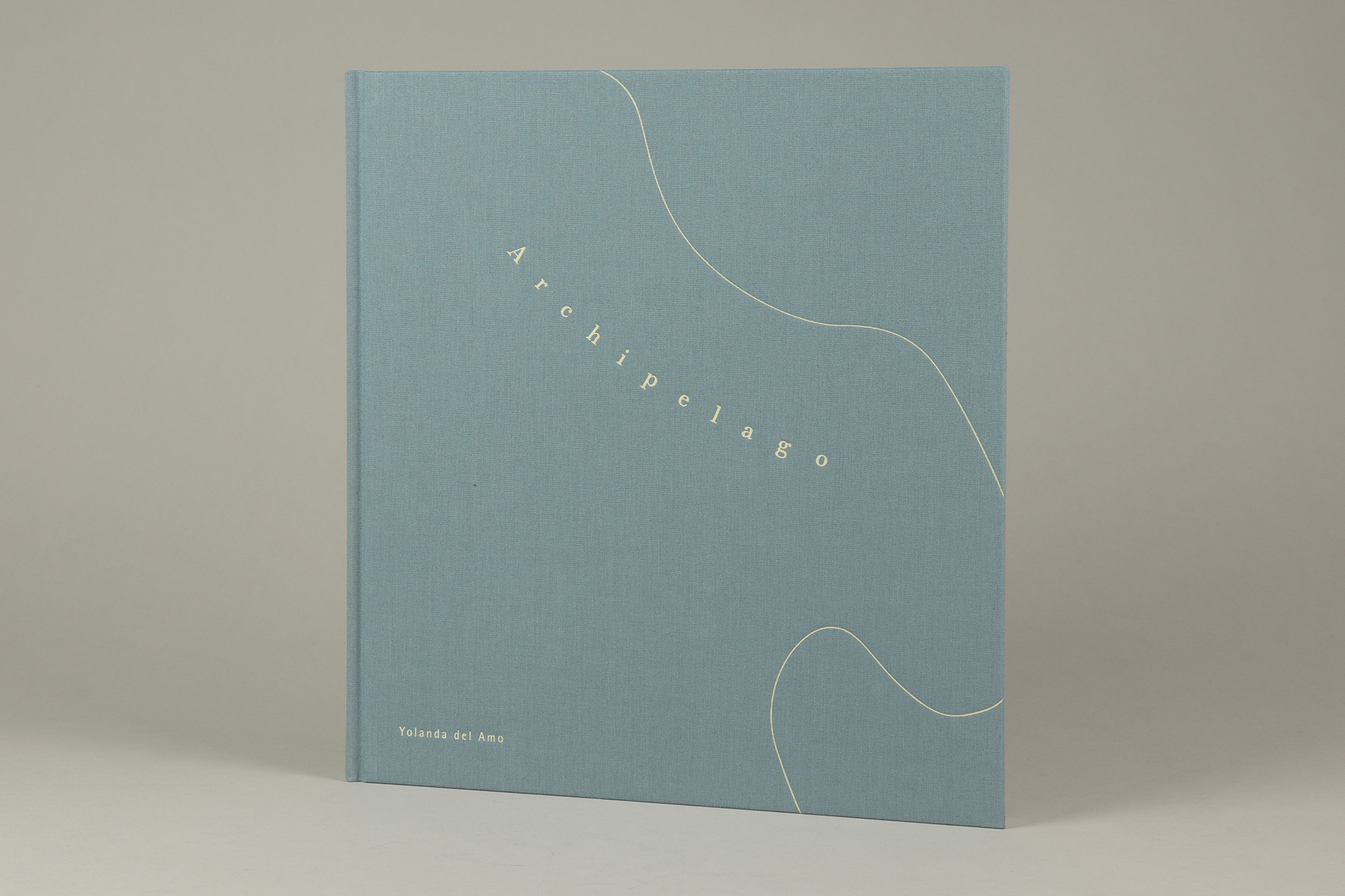
Yolanda del Amo – “Archipelago”
Published by Kehrer Verlag in 2025
Review by W. Scott Olsen
But how to talk about what is both inside and outside the frame? One of the ways we might talk about the strength of the intangibles would be what could be best described as linger-time: how long does a viewer spend with an image; how long does the viewer interact, imagine, project, and wonder about an image. In the analytics for digital publishing, there is a lovely category called time on page. Site managers can see if you’ve simply clicked past, or if you’ve stopped. The longer the time on page, the better.
There is no such analytic for a photo book, but if there were, the images in Archipelago by Yolanda del Amo would, I believe, have extraordinary linger-time or time on page.
Archipelago is a fascinating, complex, and wonderful book. As Vicki Goldberg writes in her introduction, titled “Islands in the Sea of Life”—
Yolanda del Amo’s “Archipelago” pursues an elusive topic in what is still commonly referred to as “real life”: the tensions, difficulties, and adjustments that accompany long term relationships. This familiar but complex subject is seldom addressed within a single photograph.
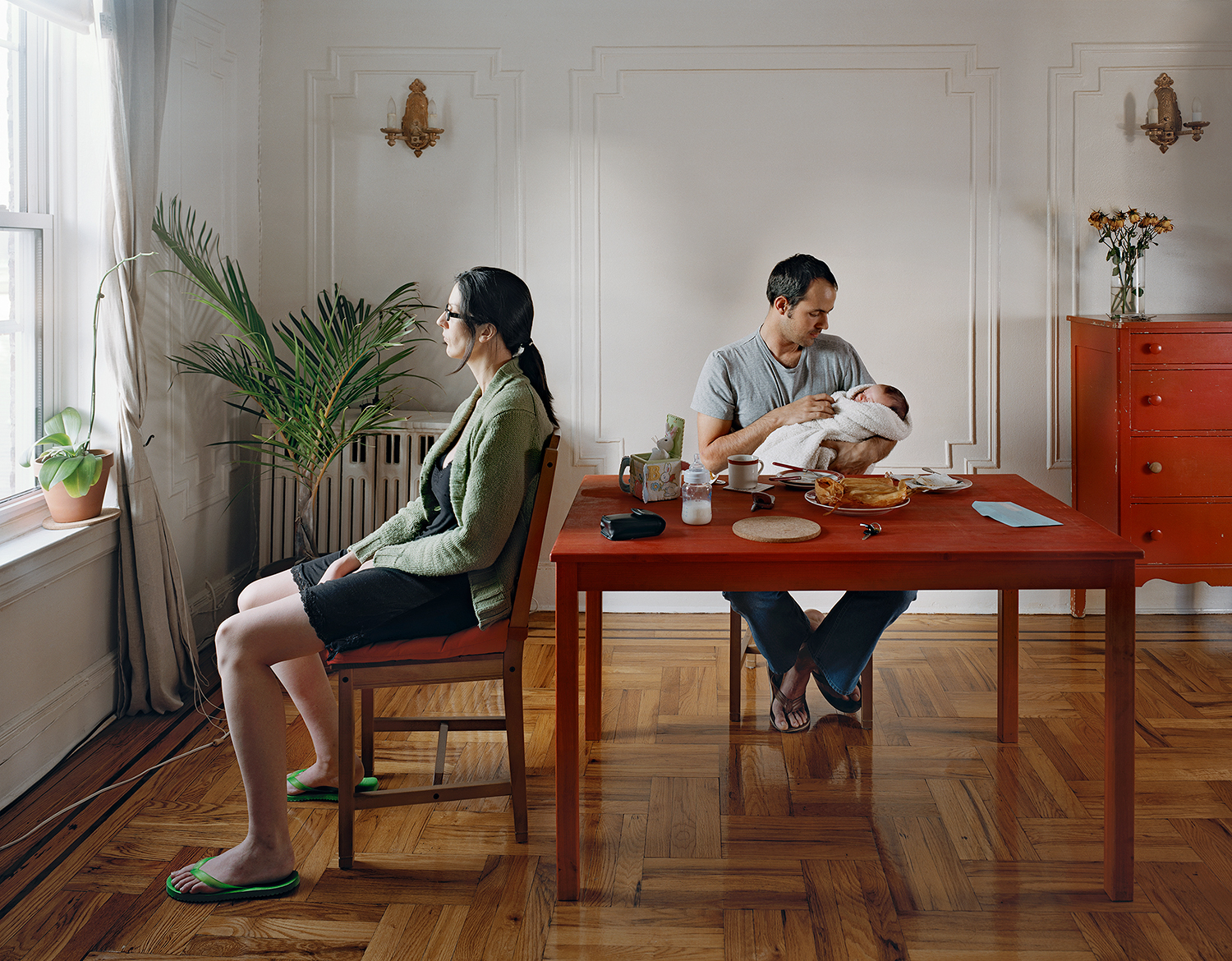
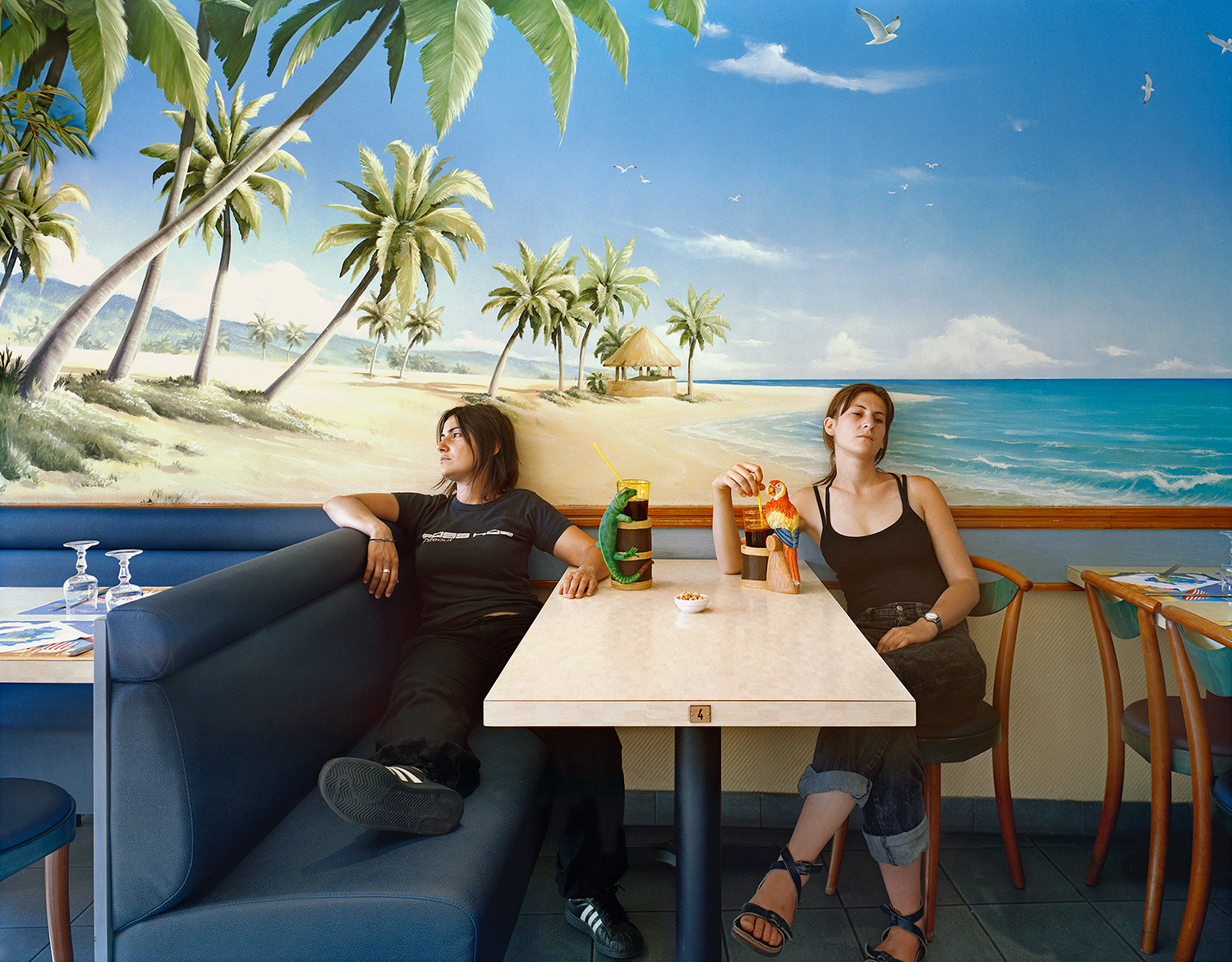
As a reminder: an archipelago is not just an island. Yes, it is an island, which means that it’s isolated, surrounded, set apart. But simultaneously it’s part of a chain or group of islands. It’s connected. An archipelago is defined both by its separateness and its community. This idea, of being alone in a relationship, is the prompt for this book, and every page is vibrant, elegant in its composition, and unsettling in the way loneliness can be visually manifest by people sharing a space.
Goldberg continues—
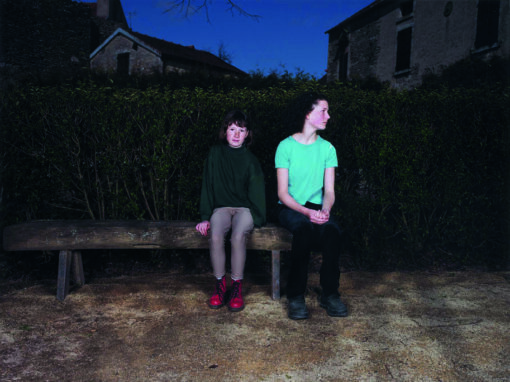
Del Amo does not take portraits; she invents, designs, and constructs moments from unwritten plays. The casts are amateurs—friends and relatives—directed by her to act the feelings and relationships she has in mind, and the settings are arranged to mirror or explain the emotions on view. The result is a union of psychological tension, subtle formality, wavering levels of reality, and striking visual beauty.
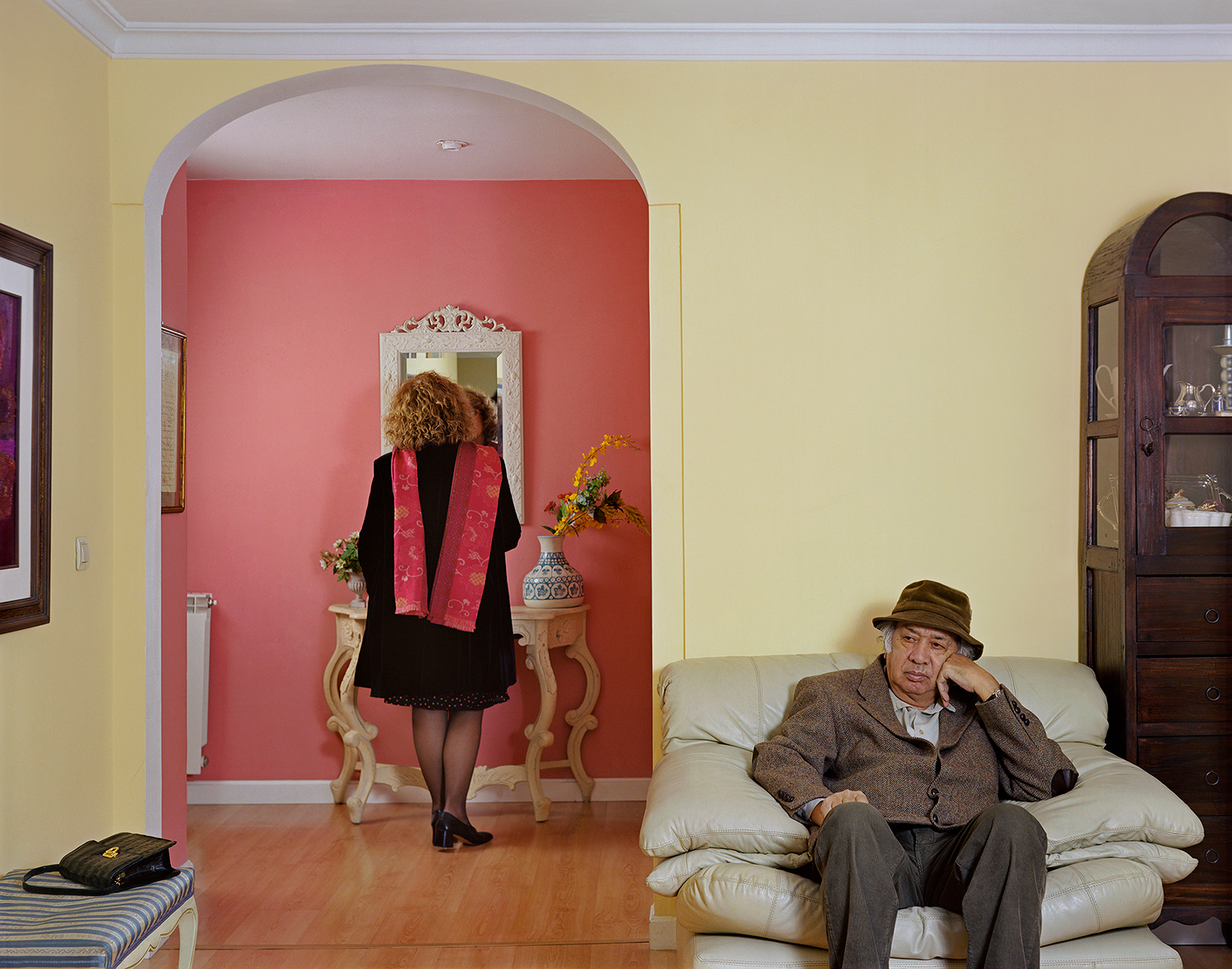
It is perhaps impossible to look at an image, any image, even still lifes and landscapes and abstract images, and not wonder at some level “what’s going on here?” In Archipelago, Del Amo had created stages—think theater and set-design and lighting—and placed actors in physical duets that allow them to be in the same room but light-years apart. The actors are all stationary. There isn’t any bit of the kinetic—the running, walking, dancing—anywhere in the collection. There are no faces busing with joy or grief. No wild gestures, either. But the lack of motion means their poses are filled with formality, isolation, and loneliness. No one is in the process of interacting, of going someplace else.
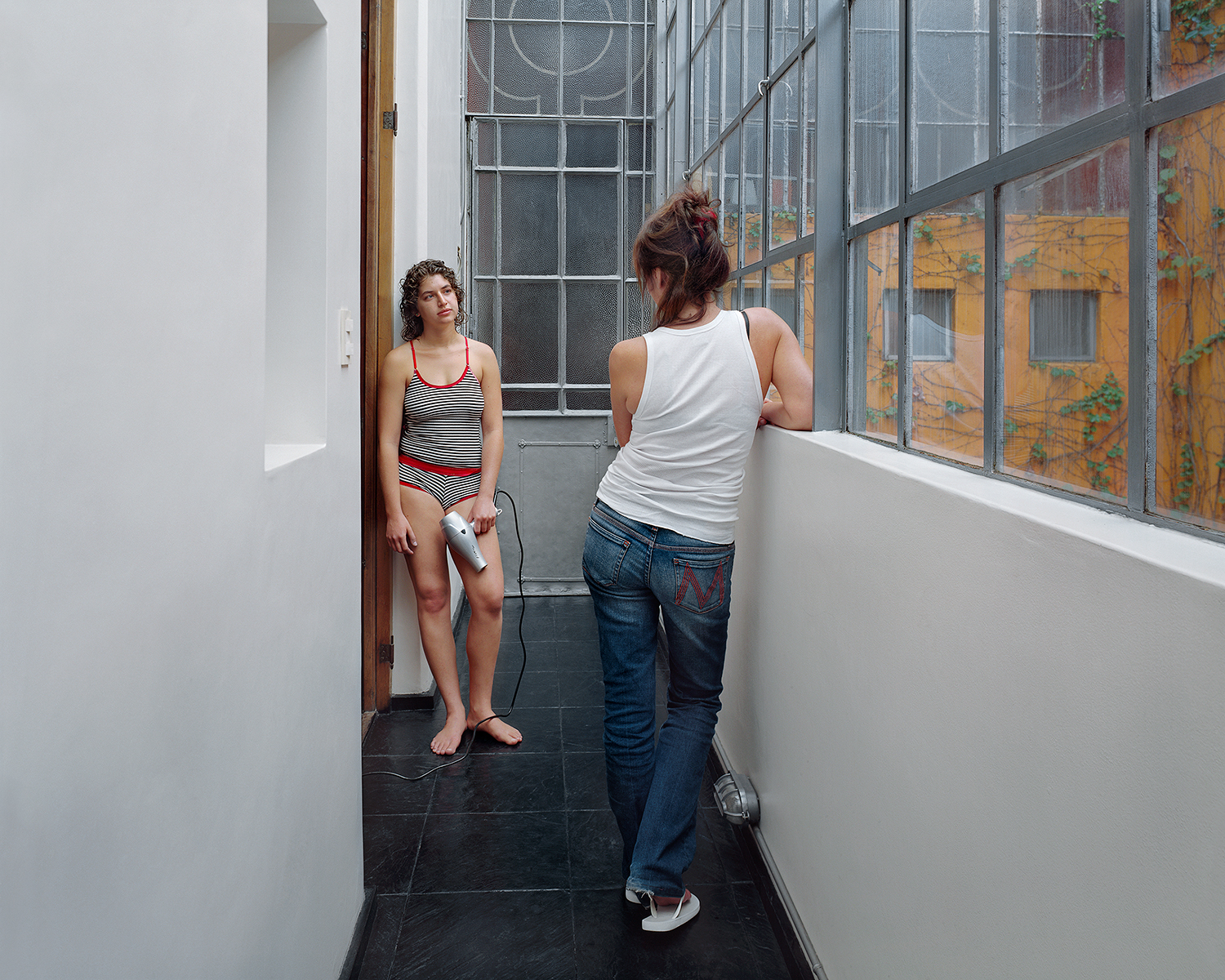
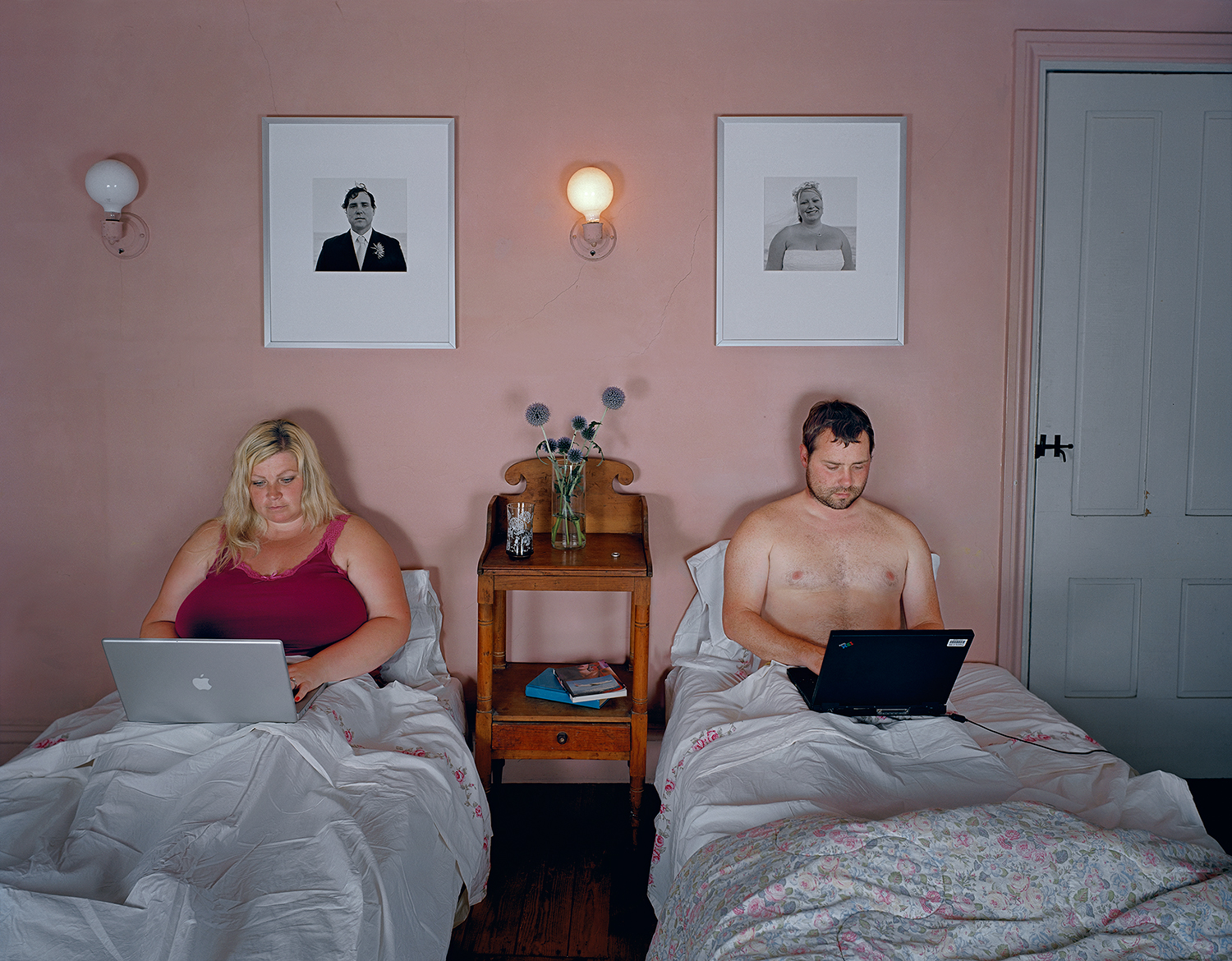
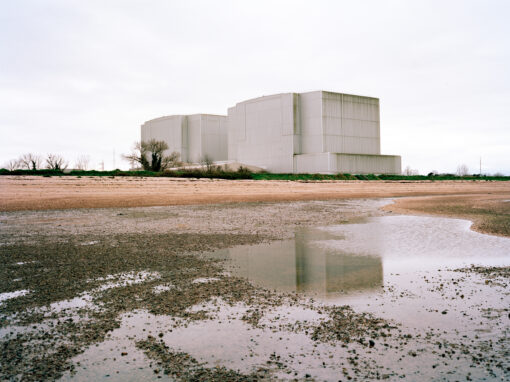
Quite often, Del Amo’s camera is a fair distance from her subjects, which diminishes their individual presence, and the depth of field here is such that everything is in focus. There is no separation of subject from background—they are almost the same in this book. Set, setting, and situation are nearly synonymous here, which is unsettling in a fine, curiosity-creating way.
And yet their lack of interaction becomes its own form of interaction, because we linger. We look at the people, one and then the other and then back and again, and project ourselves into the scene. Yes, these photographs are fictions. But there had to be a story before this moment. These people clearly know each other. There had to be some affection, at least, before the capture, and while that affection may not have morphed into dislike, it’s certainly less joining. Again, think of the definition. A group of islands.
In a concluding essay called “Alone Together,” Jean Dykstra writes—
Yolanda del Amo’s photographs contain secrets, mysteries that simmer beneath the surface in her pictures of sleek interiors and manicured gardens where attractive people linger in pairs or small groups. Those people, though, seem to float free of each other, disconnected and unmoored. In the staged tableaux that make up her series “Archipelago”, each person appears to be in his or her own world, social-distancing from each other before that term became a cautionary, mandatory warning…
The strain of simply existing with other people is evident in these images. We want to connect, and we want to be alone, and we’re often enigmas even to ourselves. Most of her photographs were made in domestic spaces, so her subjects are not thrown together by accident, but there is often a distance between them.
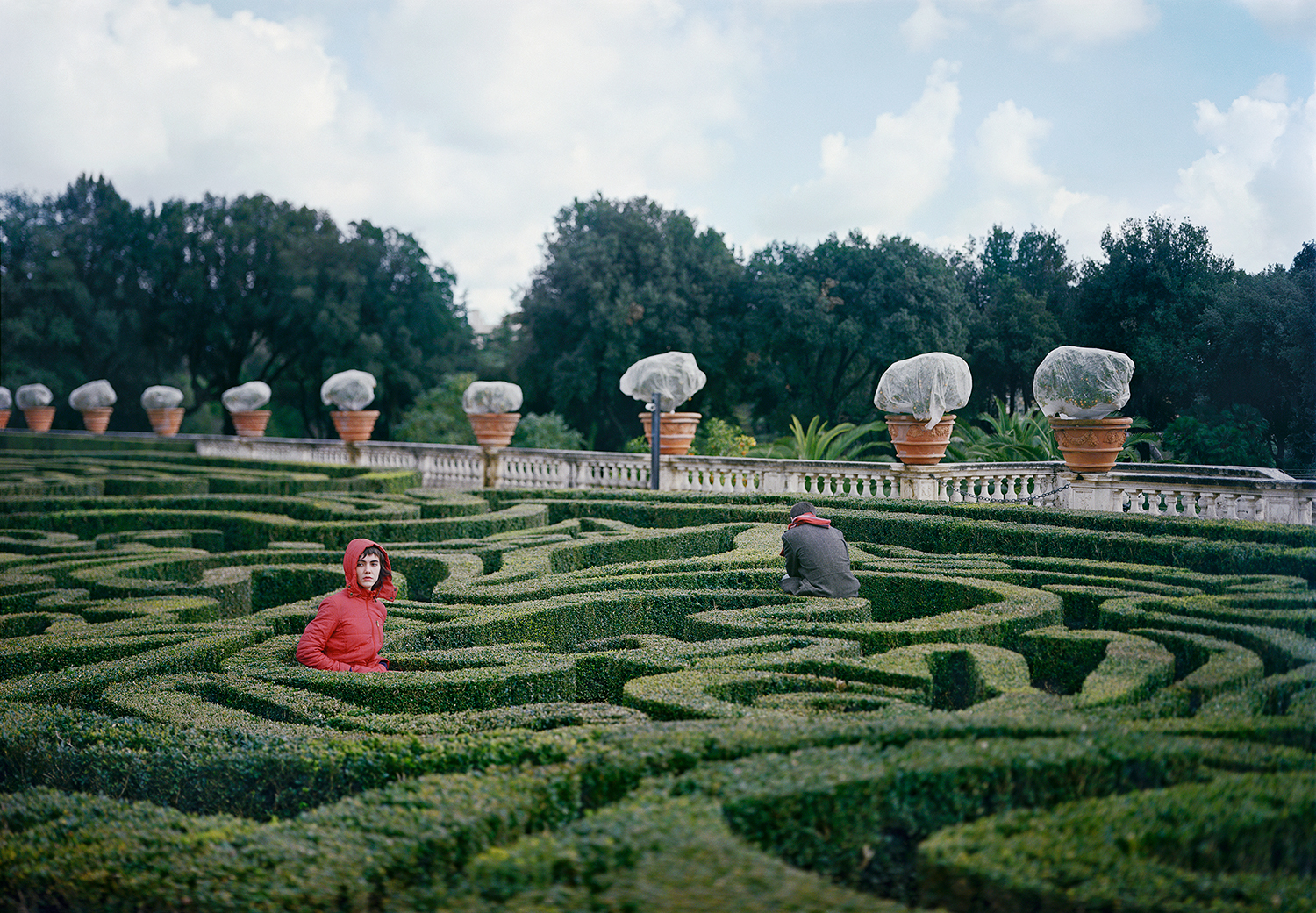
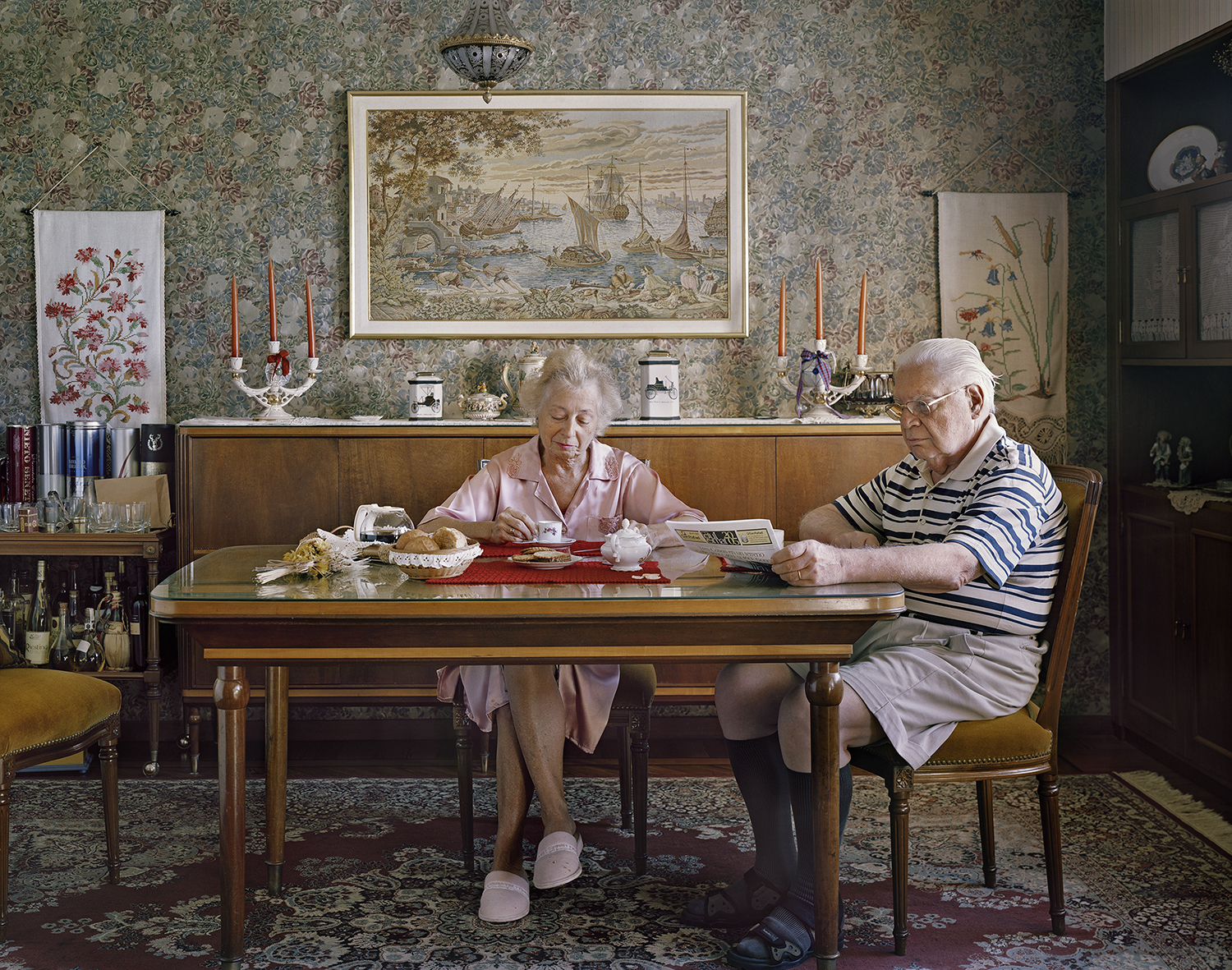
Archipelago is a captivating collection. While every image is technically sophisticated, the real power comes from Del Amo’s ability to create a space between her characters, an isolation we want to understand. The images do not ask us to heal disagreements. Instead, they ask us to feel the gargantuan emotional space that can open between two people sitting on the same couch. And the linger-time, the time on the page coming to terms with not only the characters but the voids in our own lives, is both large and rewarding.
YOLANDA DEL AMO
A note from FRAMES: Please let us know if you have an upcoming or recently published photography book.

FRAMES is a unique international photography community that combines the best of all worlds, bringing you print and digital publications, a global membership platform, access to live events, and a dedicated mobile application.
EXPAND YOUR PHOTOGRAPHIC VISION
JOIN FRAMES TODAY